


Related: Planning for Fleet Electrification through a Distributed Charging Network
Octillion Power Systems Debuts EV Battery-Leasing Plan for Fleets
The program allows fleet operators to source electric vehicle batteries through a five-year "lease-to-own" program.
by Staff
August 7, 2020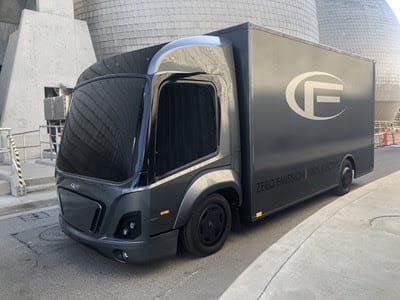
Under the program, participating fleet operators will be allowed to source batteries through a five-year "lease-to-own" program, with no up-front payment. Access to the program will be on a first-come, first-served basis.
Photo courtesy of Octillion.
2 min to read
Octillion Power Systems, a global provider of lithium-ion storage systems for electric mobility, has launched a new program for battery-leasing that allows for batteries to be leased to fleet customers when they purchase vehicles.
Under the program, participating fleet operators will be allowed to source batteries through a five-year "lease-to-own" program, with no up-front payment. Access to the program will be on a first-come, first-served basis.
The goal of the demonstrator program is to collect data on battery degradation, evaluate fleet-operation-use models and to assess second-life viability of the used batteries. Ultimately, this will allow Octillion to build market cases for traditional financing groups eager to get into battery leasing but concerned by the technology.
Leasing is a critical leverage tool to drive the adoption of electric commercial vehicles by allowing fleet operators to immediately tap into the total cost of ownership benefits associated with operating electric vehicles versus those powered by with internal combustion engines.
In a 2019 survey, customers in the market for a new vehicle were asked why they would be hesitant to purchase an electric vehicle (EV). The top responses included:
anxiety surrounding range per charge
higher price point
lack of charging infrastructure
questions surrounding recycling and disposal.
These four supposed drawbacks of EVs have inspired Octillion to roll out its battery leasing program for the convenience of fleet operators.
Building the cost of the lease into the operating budget helps to defer expense, as well as allow for lower overall operating costs of the fleet. Fleets are ideally suited for electrification, because they can accommodate a "right-sized" battery that optimizes range with cost and weight to address range anxiety issues.
Regional and local routes typical of many fleets are 100-150 miles in range, allowing for efficiently priced and sized batteries customized to meet these routes.
Roundtrip routes can use localized charging at a centralized depot, allowing charging infrastructure to be shared. Once the demonstrator program transitions to a normalized leasing program of six to seven years, the fleet operator will be able to swap out the used battery for a new one, and the lessor will then repurpose the battery for second life in the grid.
Originally posted on Automotive Fleet
More Batteries/Tech
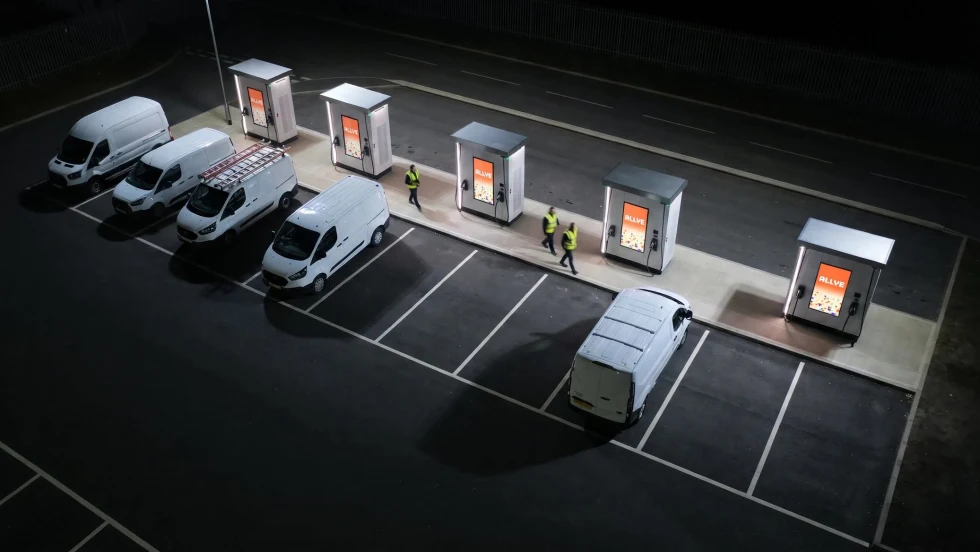
Allye Energy Launches Battery-Integrated EV Charger for Fleet Depots
The new MEV charging system uses repurposed EV batteries to deliver up to 400 kW of DC charging power while operating from existing electrical connections.
Read More →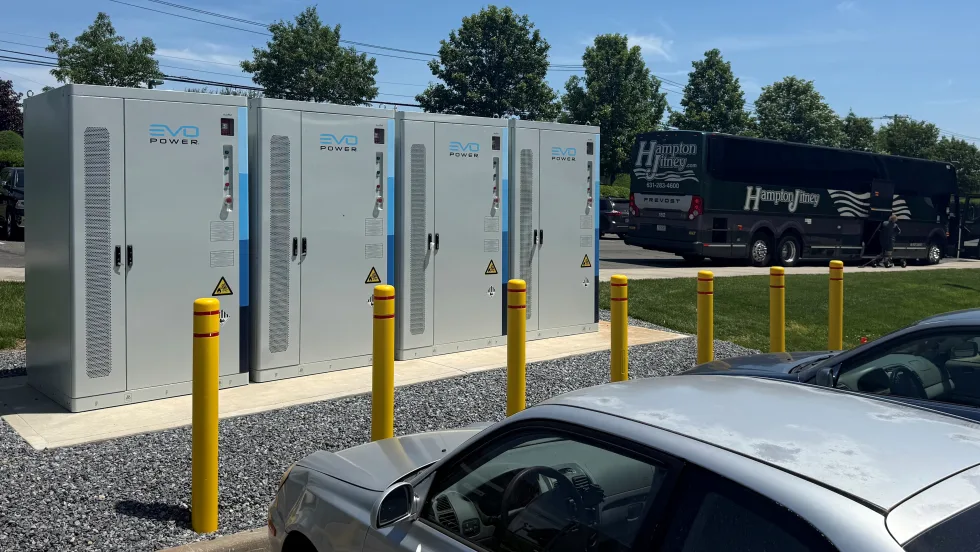
Hampton Jitney Deploys Microgrid to Support Fleet Electrification
The Long Island transportation provider is using solar generation and battery storage to manage charging costs, with plans to add 1 MW of DC fast-charging capacity as electric coaches enter service in 2027.
Read More →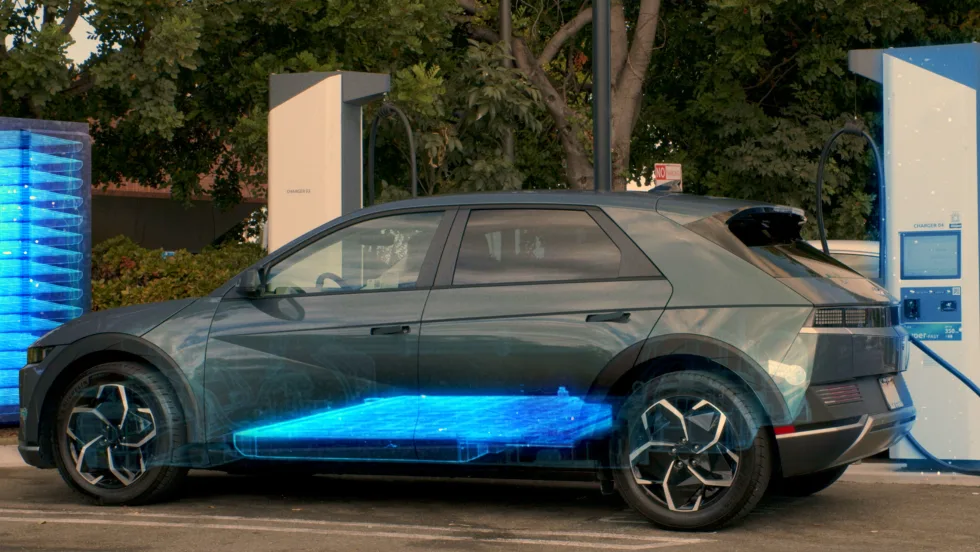
Qnovo Pilots Battery Health Software for EV Residual Value Assessments
The Battery Genome application uses in-vehicle operating and cell-level data to identify battery aging and potential defects as automakers prepare for new battery passport requirements.
Read More →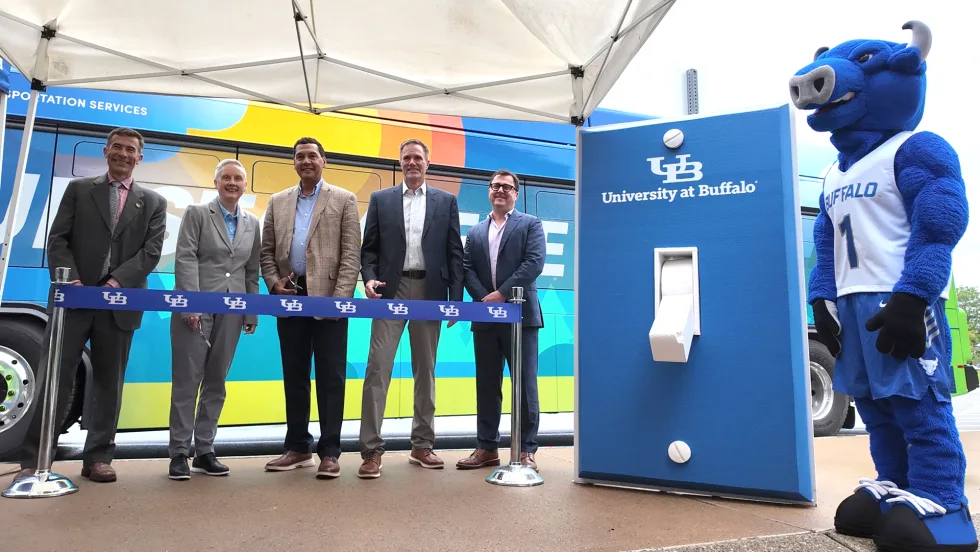
University at Buffalo Deploys 8 Electric Buses, 10 Chargers
The university, WeDriveU, and Zenobē welcomed the first electric buses to the school’s fleet under its zero-emissions roadmap.
Read More →
Samsung SDI Takes Full Control of GM Battery JV as Indiana Plant Pivots to Energy Storage
Samsung SDI is taking full control of its Indiana battery plant with GM, marking a major shift from the EV-focused joint venture Charged Fleet first covered in 2023.
Read More →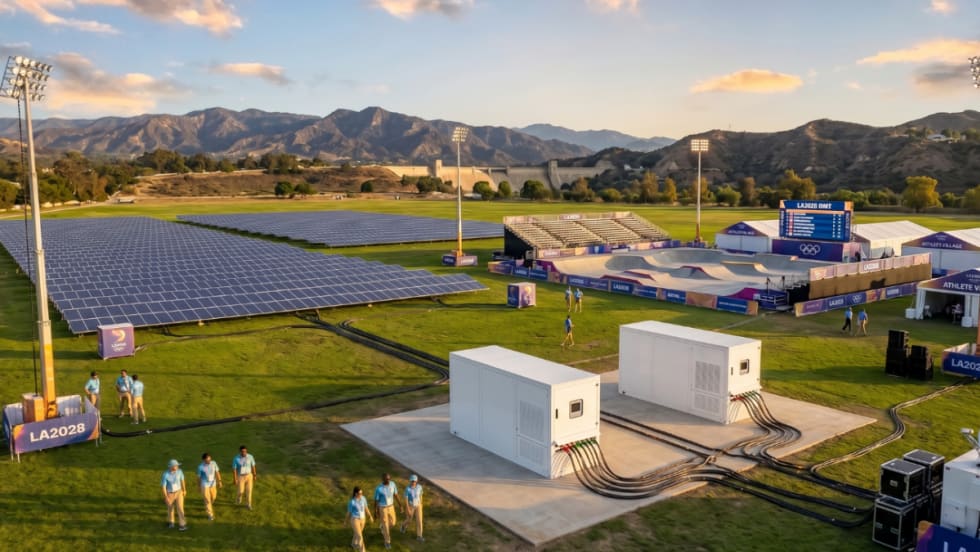
Xos White Paper Asserts LA Olympics Will Lack Enough EV Chargers
The commercial EV fleet company recommends some faster and more flexible remedies to relieve the anticipated shortfall.
Read More →
New EV and Hybrid Training Available For Auto Technicians
The curriculum covers those skill sets highly sought by electric fleet operations.
Read More →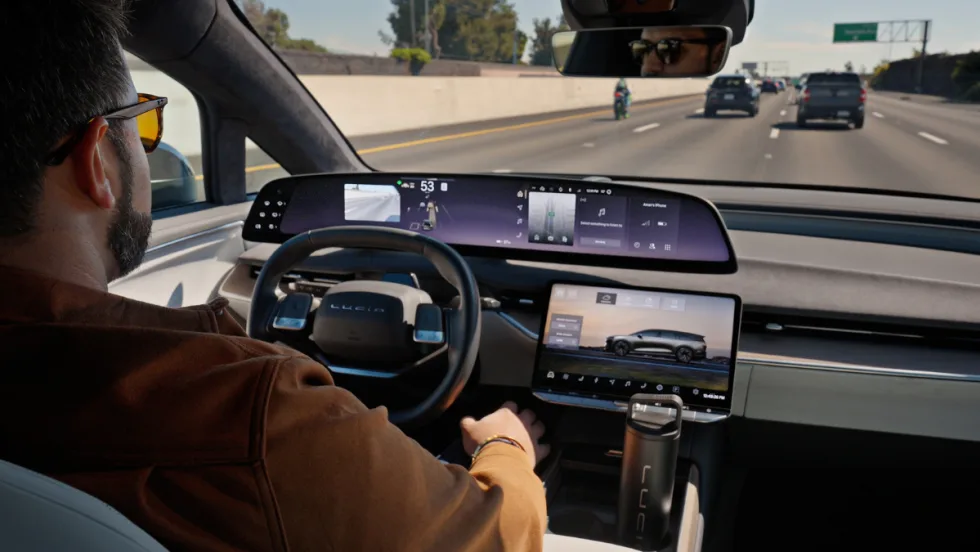
Lucid Adds Hands-Free Highway Driving, Software Updates To Gravity SUV
Hands-free drive assist makes highway driving more comfortable while keeping drivers attentive to the road.
Read More →
California Adopts Sweeping New Autonomous Vehicle Regulations
Updated DMV rules open the door for heavy-duty AV testing and deployment while strengthening safety standards, emergency response coordination, and manufacturer accountability.
Read More →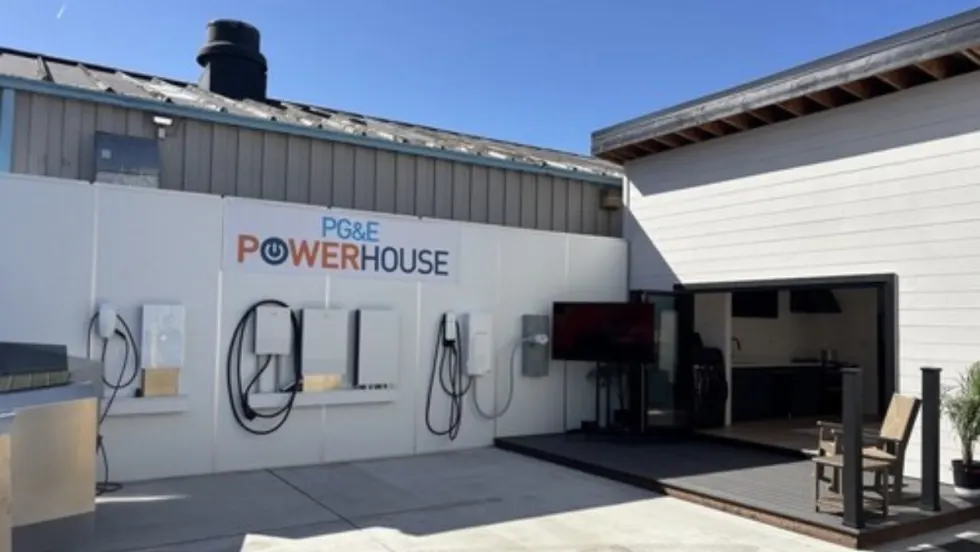
All Electric Test House Could Ease Path To EV Usage
An experimental model home shows how residential charging could enable electric fleet operations by allowing drivers to take EVs home.
Read More →