


Nissan Tests Recycling Process for EV Motors
Together with Japan's Waseda University, Nissan's new process will recover high-purity rare-earth compounds from motor magnets to reach a mid-2020s carbon neutral goal.

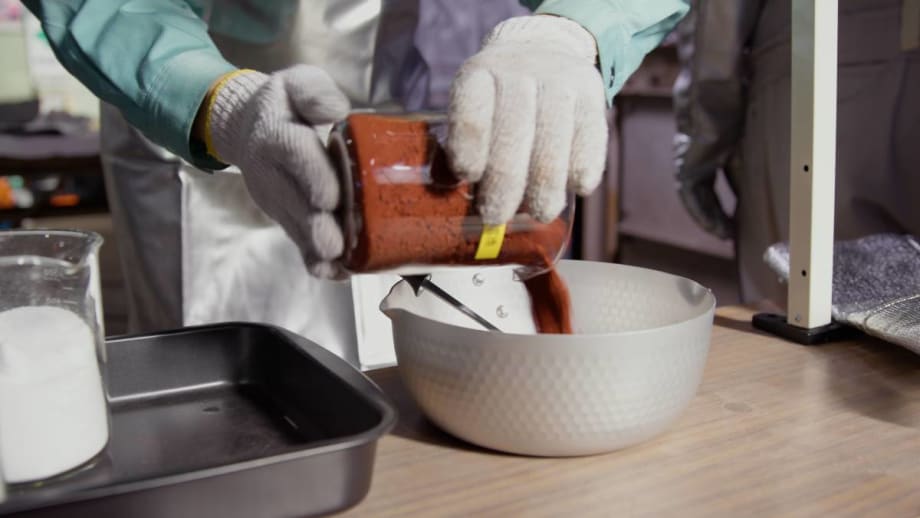
As many automakers are electrifying vehicles, most permanent magnets that power electric engines are made of rare earth metals from China. But this new recycling technology can recover them without dismantling the motor.
Photo: Nissan
Nissan Motor Co. and Waseda University announced the start of testing in Japan of a jointly developed recycling process that efficiently recovers high-purity rare-earth compounds from electrified vehicle motor magnets. The testing is aimed at enabling practical application of the new process by the mid-2020s.
Most motors in EVs use neodymium magnets, which contain scarce rare-earth metals such as neodymium and dysprosium. The automaker says that reducing the use of scarce rare earths is important for the environmental impact of mining and refining, but also because the shifting balance of supply and demand leads to price fluctuations for both manufacturers and consumers.
To use limited and valuable resources more effectively, Nissan has been working from the design stage to reduce the amount of heavy rare-earth elements (REEs) in motor magnets since 2010. Nissan is recycling REEs by removing magnets from motors that do not meet production standards and returning them to suppliers. Currently, multiple steps are involved, including manual disassembly and removal. A simpler and more economical process will achieve increased recycling in the future, the company said in a news release.
Nissan has been collaborating with Waseda University since 2017. In March 2020, the partnership produced a pyrometallurgy process that does not require motor disassembly.
The Process
A carburizing material and pig iron are added to the motor, which is then heated to at least 1,400 C and begins to melt.
Iron oxide is added to oxidize the REEs in the molten mixture.
A small amount of borate-based flux, which is capable of dissolving rare-earth oxides even at low temperatures and highly efficiently recovering REEs, is added to the molten mixture.
The molten mixture separates into two liquid layers, with the molten oxide layer(slag) that contains the REEs floating to the top, and the higher density iron-carbon(Fe-C) alloy layer sinking to the bottom.
The REEs are then recovered from the slag.
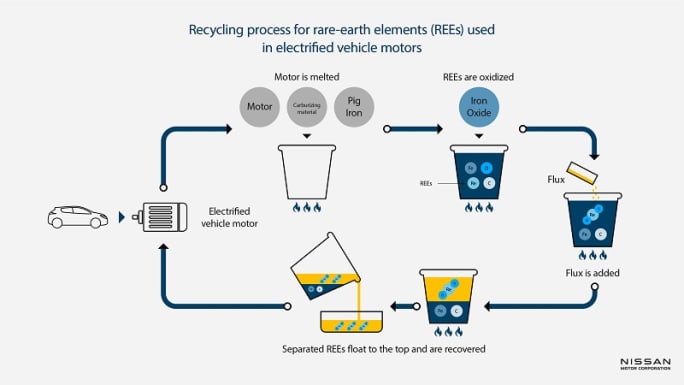
Photo: Nissan
Testing has shown that this process can recover 98% of the motors’ REEs. This method also reduces the recovery process and work time by approximately 50% compared to the current method because there is no need to demagnetize the magnets, nor remove and disassemble them.
Going forward, Waseda and Nissan will continue their large-scale facility testing with the aim of developing practical application, and Nissan will collect motors from electrified vehicles that are being recycled and continue to develop its recycling system.
Originally posted on Automotive Fleet
More Electric Vehicles
EV Charging Use Is Outpacing Infrastructure Growth
ChargePoint’s 2026 Charging Forward Report points to rising charger use, higher-powered charging, commercial vehicle electrification, and energy-management technology. Here’s what fleets should know.
Read More →
EV Realty Names Henrik Holland President as Charging Platform Expands
The former Prologis Mobility and Shell executive will help expand EV Realty’s truck charging business and move its power-first infrastructure model into autonomous vehicle depots and other fleet sectors.
Read More →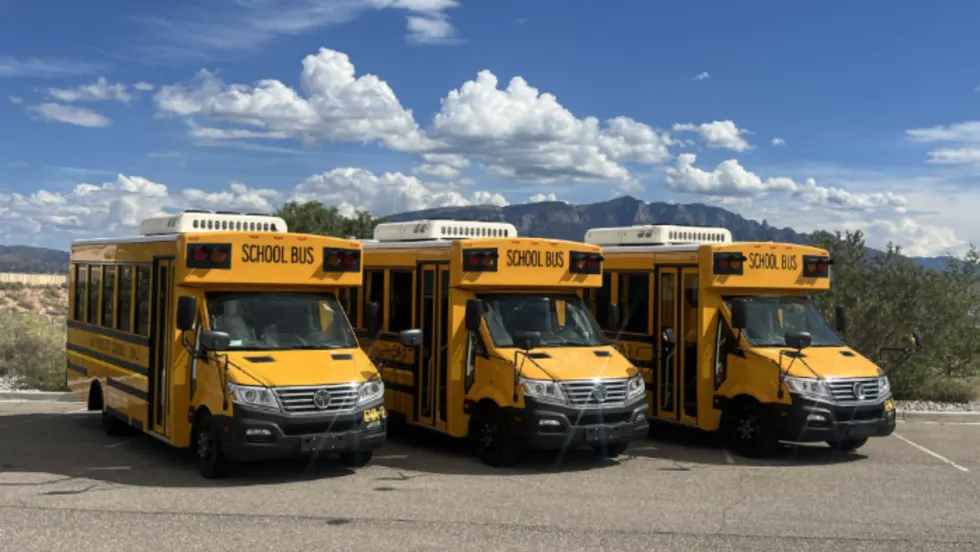
GreenPower Expands New Mexico EV Pilot With Larger Buses, V2G Testing
After logging more than 17,000 electric miles in the first year, New Mexico’s statewide pilot is moving into its second phase with larger vehicles, continued charging evaluations, and more.
Read More →
Can EV-as-a-Service Help Fleets Scale Electrification?
Sustainability Partners CEO Adam Cain explains how matching EVs, charging infrastructure, and duty cycles can help fleets scale electrification.
Read More →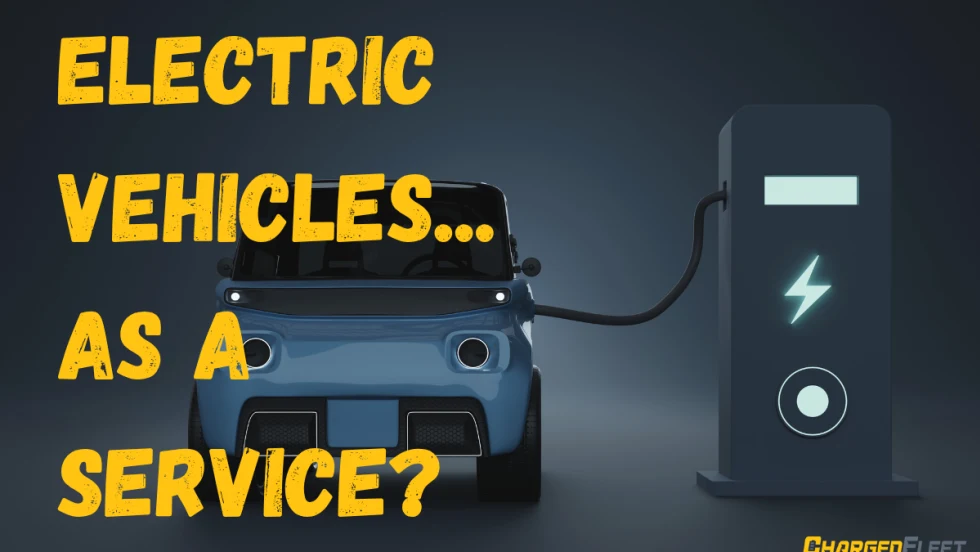
How EV-as-a-Service Is Moving Fleets Beyond Pilots
Adam Cain, president and CEO of Sustainability Partners, explains how EV-as-a-service can help fleets scale deployments by addressing duty-cycle requirements and charging challenges.
Read More →
PowerFlex, The Mobility House Join Forces to Advance Fleet Electrification
Two EV charging providers are joining forces to deliver a broader portfolio of energy management and fleet electrification solutions.
Read More →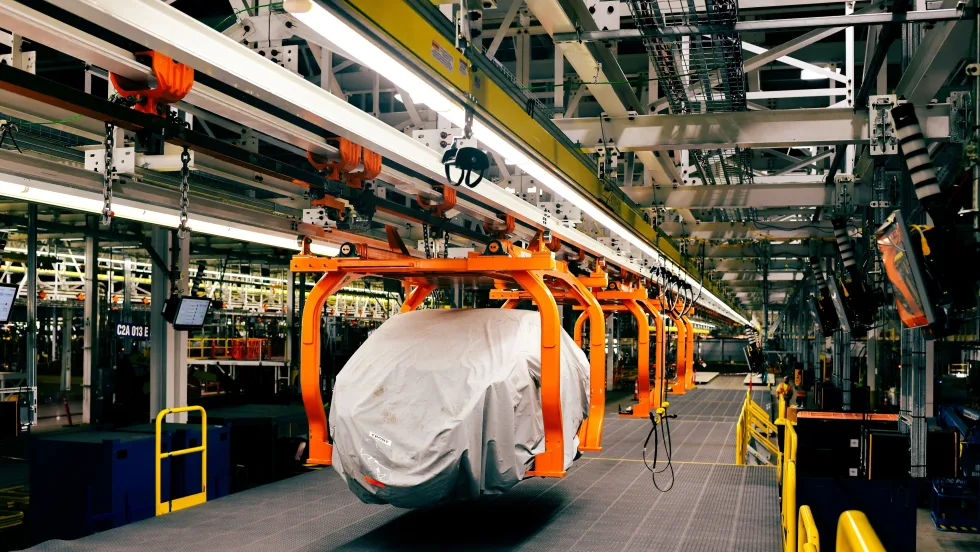
Ford Retools Louisville Plant for Fathom Electric Truck Production
Ford's $2 billion Louisville Assembly Plant overhaul introduces a three-part assembly process for the Fathom midsize electric truck, with production scheduled to begin in 2027.
Read More →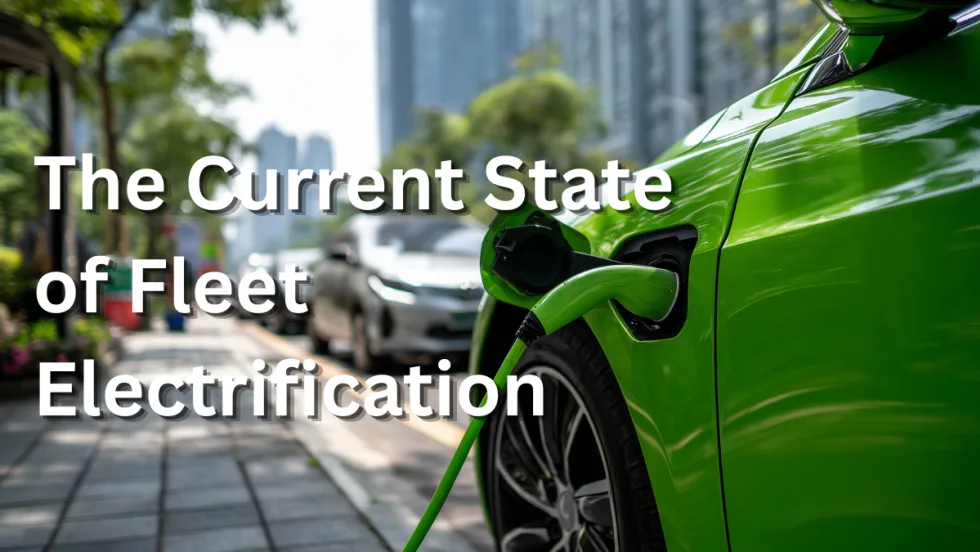
Merchants Fleet Reports 290M EV Miles as Fleets Navigate Changing Electrification Market
From millions in operating savings to hundreds of millions of EV miles, Merchants Fleet’s latest report reveals what’s working and what’s changing in fleet electrification.
Read More →
California District Commits to Electrify 25% of School Bus Fleet by 2028
One of the nation's largest school bus electrification projects to date demonstrates how grants, charging infrastructure, and public-private partnerships can help fleets transition to EVs at scale.
Read More →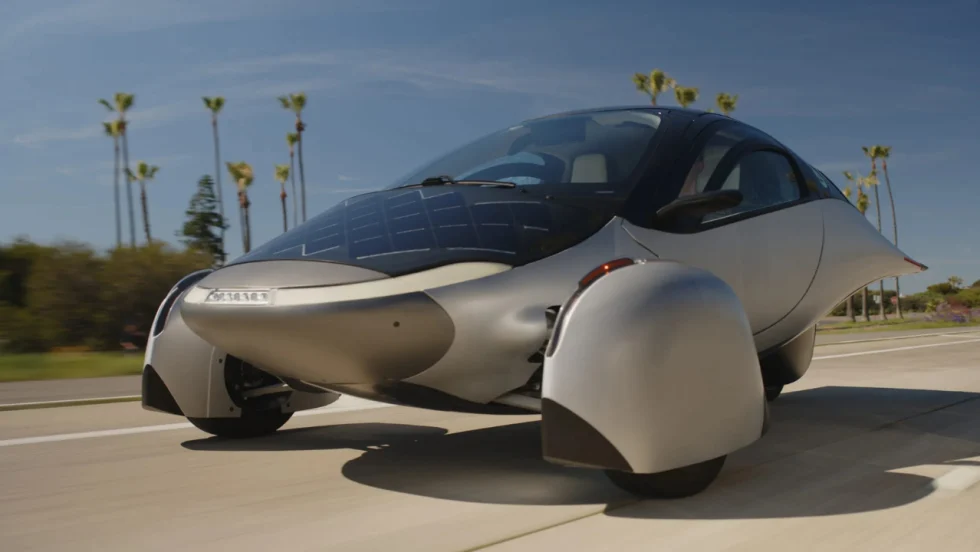
Aptera Orders Bodies and Chassis for Its First 40 Production Vehicles
Aptera Motors Corp. has issued purchase orders for the major structural components of its first 40 vehicles, and body and chassis components are expected to begin arriving in October.
Read More →