


Mullen Announces Lease Program for Class 1 EV Cargo Vans
The new lease program for the Mullen One, BizEV, has a three-year lease option and is available through Mullen dealers.

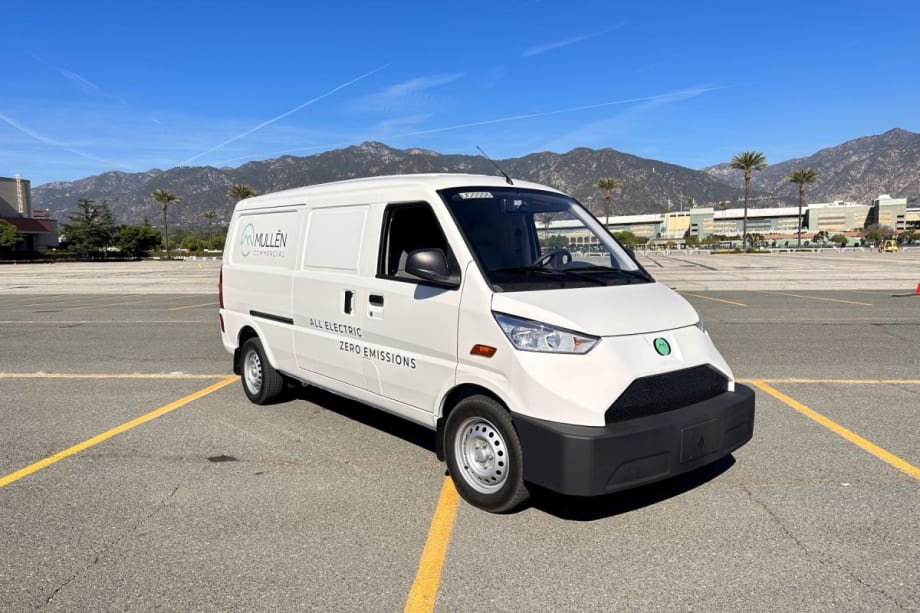
The Mullen One EV cargo van is designed to navigate narrow urban streets and residential roads with maximum payload and cargo space.
Photo: Chris Brown
Mullen Automotive announced a new lease program for the Mullen One, Class 1 EV cargo van. The new lease program, bizEV, focuses on individuals, small businesses, and fleets and is available through Mullen authorized dealers.
A turnkey lease program that includes vehicle maintenance, bizEV allows customers to transition to an EV with a 3-year lease option, starting at $475 per month, plus applicable taxes and fees. The program offers various options to experience EV ownership benefits and cost savings without the barrier of traditional upfront costs.
The Mullen One is a Class 1 commercial electric vehicle built in response to the demands of urban last-mile delivery. The EV cargo van is designed to navigate narrow urban streets and residential roads with maximum payload and cargo space, making it ideal for various commercial fleet applications.
"By offering flexible lease options, we are making our commercial EVs available for a wider range of customers, in line with our mission to accelerate the adoption of sustainable transportation solutions," David Michery, CEO and chairman of Mullen Automotive, said.
The Mullen One is currently available for sale at an MSRP of $34,500.
Fleet View: Mullen One bizEV Lease Program
A closed-end lease for commercial vehicles is good news for fleets.
Electric passenger cars are now entering the aftermarket in greater numbers, and sales prices at auctions are showing up in valuation services such as Black Book, Kelley Blue Book, and Automotive Lease Guide (ALG). Those values are being used to assign depreciation to vehicle models, which is the largest factor in total cost of ownership.
Yet the commercial electric vehicle market is only at the starting block with new vehicle sales. We then won’t see used commercial EVs coming through auction lanes for some time, and without those values, it will be hard to calculate true depreciation.
A lease structure with defined payments will allow the user to write a fleet budget more precisely and not have to worry about the vehicle’s residual value uncertainty in three years.
The ability to walk away from the lease provides greater peace of mind regarding battery technology, which will likely advance to the point that newer batteries will be more efficient and have greater range.
Certainly, there is a risk to technology advancements for the auto manufacturers, but they would have more resources to manage the vehicles’ disposal.
Originally posted on Automotive Fleet
More Electric Vehicles

GreenPower Plans 50 Electric Shuttle Buses for Mexico
GreenPower plans to build 50 electric shuttle buses for Mexico using its EV Star Cab & Chassis platform, partnering with local body builders to expand its market reach.
Read More →
Who You Gonna Call? Rivian Turns Electric Vehicles Into Ghostbusters Rides
Rivian teams up with Sony Pictures for a Ghostbusters-inspired Halloween software update, complete with custom sounds, lighting effects, and a special Ecto-R1.
Read More →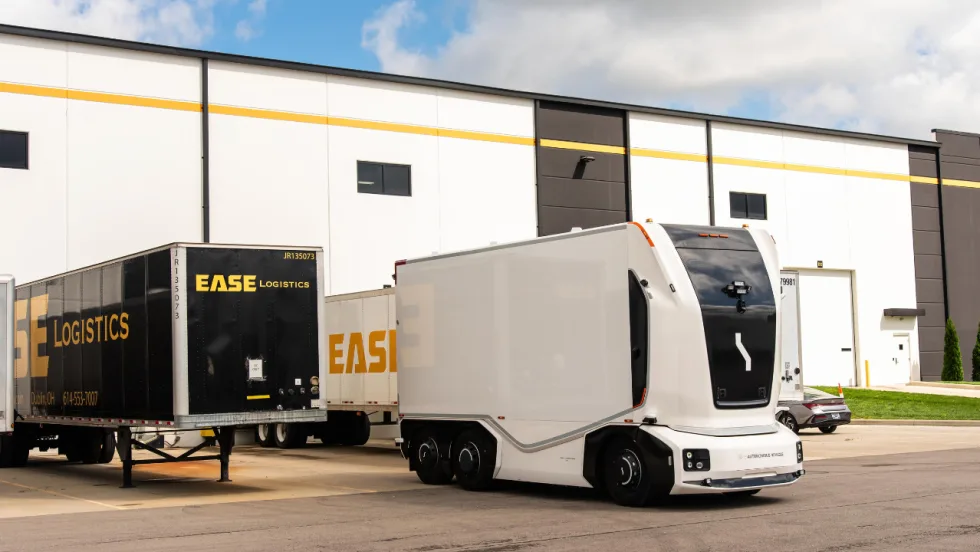
Einride Electric Driverless Trucks Begin Daily Freight Operations in Ohio
Two cabless electric trucks are now moving freight between EASE Logistics facilities, putting autonomous EV technology into daily commercial operations.
Read More →
FedEx Orders 2,000 Harbinger Electric Trucks in $300 Million Deal
The Class 5 and 6 electric trucks are planned for delivery by the end of 2027 and will be deployed in FedEx pickup and delivery operations across the U.S. and Canada.
Read More →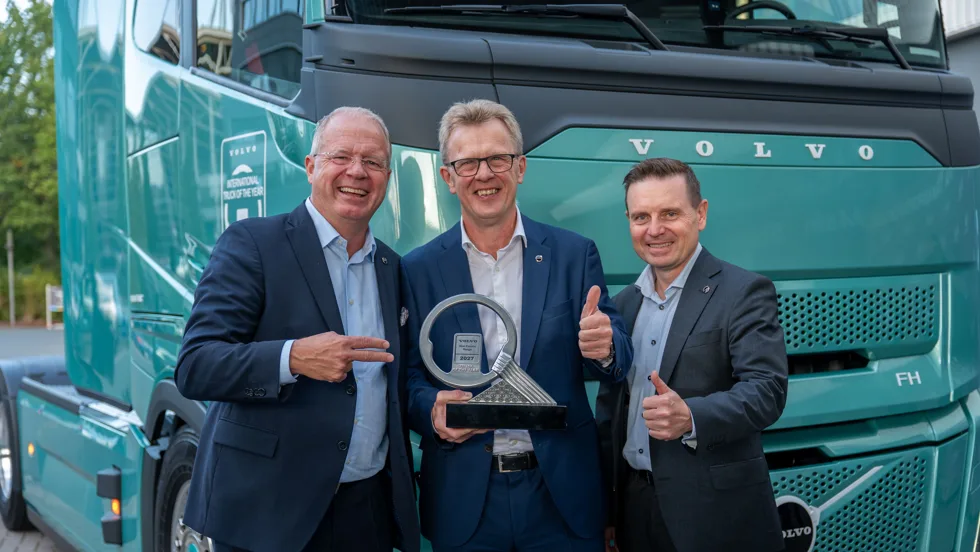
Volvo Trucks’ Electric Range Named International Truck of the Year 2027
The award recognizes Volvo’s global heavy-duty electric lineup, while more than 750 VNR Electric trucks have accumulated nearly 37 million miles in U.S. and Canadian fleet operations.
Read More →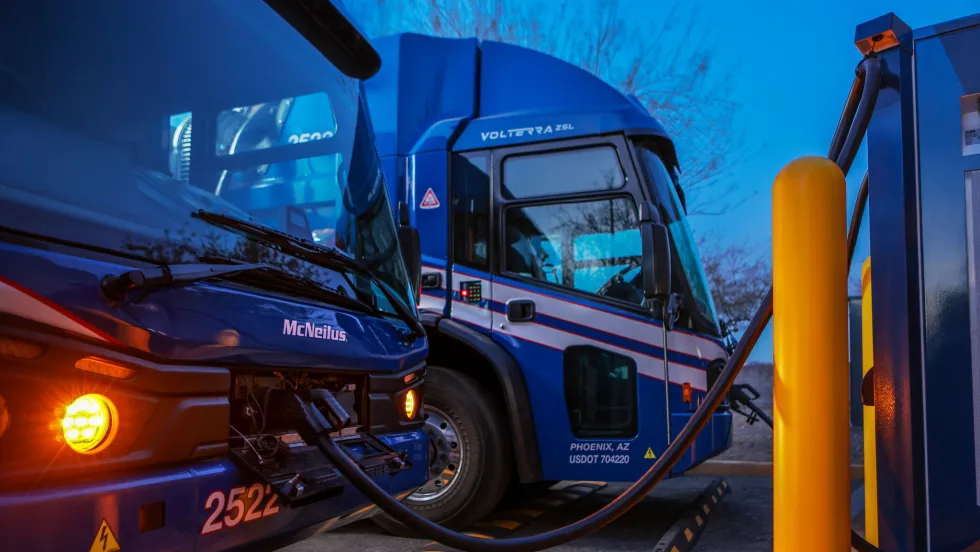
How Republic Services Decides Where Its Next Electric Trucks Can Go
With 250 electric collection trucks now in service, Republic Services is learning that scaling electrification depends less on proving the vehicle and more on whether each site can support what comes next.
Read More →
EV Charging Use Is Outpacing Infrastructure Growth
ChargePoint’s 2026 Charging Forward Report points to rising charger use, higher-powered charging, commercial vehicle electrification, and energy-management technology. Here’s what fleets should know.
Read More →
EV Realty Names Henrik Holland President as Charging Platform Expands
The former Prologis Mobility and Shell executive will help expand EV Realty’s truck charging business and move its power-first infrastructure model into autonomous vehicle depots and other fleet sectors.
Read More →
GreenPower Expands New Mexico EV Pilot With Larger Buses, V2G Testing
After logging more than 17,000 electric miles in the first year, New Mexico’s statewide pilot is moving into its second phase with larger vehicles, continued charging evaluations, and more.
Read More →
Can EV-as-a-Service Help Fleets Scale Electrification?
Sustainability Partners CEO Adam Cain explains how matching EVs, charging infrastructure, and duty cycles can help fleets scale electrification.
Read More →