


Further Reading: OVO Energy Orders 1,000 Electric Vans For Its UK Fleet
How the Pinnacle Group Manages Fleet Electrification
Pinnacle Group Procurement Manager Sarah Russell reveals how the move to electrification is going and why they recently purchased 33 Nissan vans.
by Ralph Morton, London
January 26, 20224 min to read
[EMPTY CREDIT]
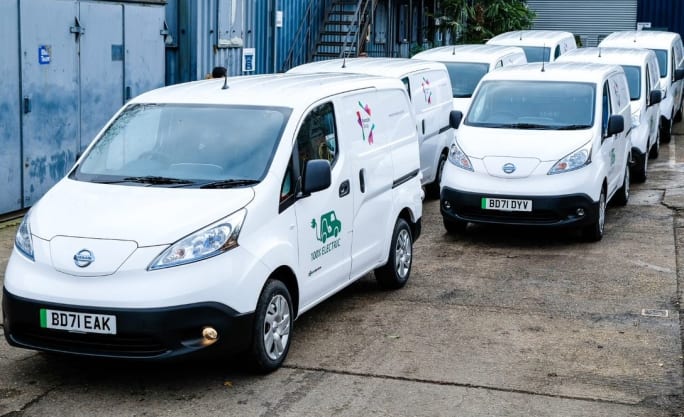
It all started in January 2021 when stakeholders across Pinnacle Group set up what was to be known as "Project Electrify." It was the start point for the electrification process of the company's 500-van fleet.
Although headquartered in central London, Pinnacle Group—a UK facilities and multi-tenure housing management company working in both the public and private sectors—operates nationally at more than 100 locations, providing a range of integrated services across a variety of community-facing assets, including multi-tenure housing, schools, open spaces, public buildings, and utilities.
Sarah Russell is the company’s group procurement manager and ultimate responsibility for Project Electrify lies at her desk.

[EMPTY CREDIT]
She is supported by the company’s CEO—a huge advocate of decarbonization, according to Russell—and its own ESG (Environmental, Social and Governance) and carbon agendas. She says getting high-level buy-in is critical to fleet electrification.
“There will always be resistance to change. So having high-level sponsorship is critical to making it happen,” explains Russell. Among the stakeholders were the chief financial officer, a crucial supporter of Project Electrify and the data analytics manager.
“Our data analytics manager was vital because he was able to map out which vehicles were best suited for replacement. For example, these would be vans out of lease, those operating in restricted Clean Air Zones (CAZ), and where the mileage was appropriate for electrification. We also looked at the telematics to see which driver routes regularly called into our depots or traveled close by. In that way we could make informed decisions.”
Enter the Nissan eNV200 Electric Vans
The vans selected for electrification—replaced with Nissan eNV200s—were mostly mobile teams operating contracts within specified areas. They also make use of public chargepoints for charging the battery.
“We’re currently relying on public infrastructure to charge vehicles while we install charging infrastructure across the estate,” explains Russell. “We have now identified 10 of our sites to get charging points into.”
While Russell says the company did not get charge points installed at drivers’ homes, it’s not ruled this out for the future once longer-term data has been analyzed.
“It has been challenging,” she admits. “We have 20 electric vans out and a further 20 coming. You can do all this on paper, but until you get vans out you just don't know exactly what operational issues you will face.
“For example, public charging has been challenging because chargepoints are in use, they are ‘ICEd’ or simply out of use. Then there’s the range. The vans chosen for this initial tranche cover about 100 miles a week, but by the time you have a team of two in the van and all of their kit, it’s difficult to determine exactly what the range will be.
“We’ve also noticed that, with the vehicles operating in London, if they are sitting in traffic for any length of time, the effect on range is detrimental. Now, that could be because of the cold snap we’re currently experiencing, so once we’ve been running them for six months we’ll have a better idea of real operational range, along with all the telematics data we are gathering.
“Everything is such an unknown—even, for example, which charging point to use and how to pay for it since there are so many providers.
“It’s why we have started with a small batch of electric vans so we could learn from experience and then re-invest that into the electrification program rollout.”
Russell says that the drivers have readily accepted the change to electric vans although feedback runs along the lines of “it does feel different.” While there has been no specific driver training, Russell says the business runs an extensive driver engagement program around safe driving, which has factored in the use of electric vans.
Electrifying with Fleet Management Help
Russell says one of the other key contributors to Project Electrify has been the company’s fleet management provider, Fleet Alliance.
“We have a close working relationship with Fleet Alliance, providing us with information on what vehicles were available during the supply chain issues and accessing the initial tranche of 33 electric Nissan vans.
“They also advised us to change our operational profile from three to four years to really capture the carbon savings, because while we would like to save costs, the real focus for us is the carbon reduction. Having said that, over the four-year cycle with the savings on fuel and the lower maintenance of eLCVs, there will be parity with diesel vans in terms of costs, if not a marginal saving.”
Russell's Tip for Fleet Electrification
Apart from the advice to ensure top-level buy-in to fleet electrification, what guidance would Sarah give to fleet managers undertaking decarbonization programs?
“I think it’s to start with small steps. So the key thing for us is to remain operational while electrifying. Using the telematics and data analysis over the initial period, we’ll loop back into the program and see what changes we need to make, including continuous efficiency reviews based on what we are experiencing in the field. That means telematics has to be part of any fleet electrification policy to fully understand the process.”
Originally posted on Automotive Fleet
More Electric Vehicles
EV Charging Use Is Outpacing Infrastructure Growth
ChargePoint’s 2026 Charging Forward Report points to rising charger use, higher-powered charging, commercial vehicle electrification, and energy-management technology. Here’s what fleets should know.
Read More →
EV Realty Names Henrik Holland President as Charging Platform Expands
The former Prologis Mobility and Shell executive will help expand EV Realty’s truck charging business and move its power-first infrastructure model into autonomous vehicle depots and other fleet sectors.
Read More →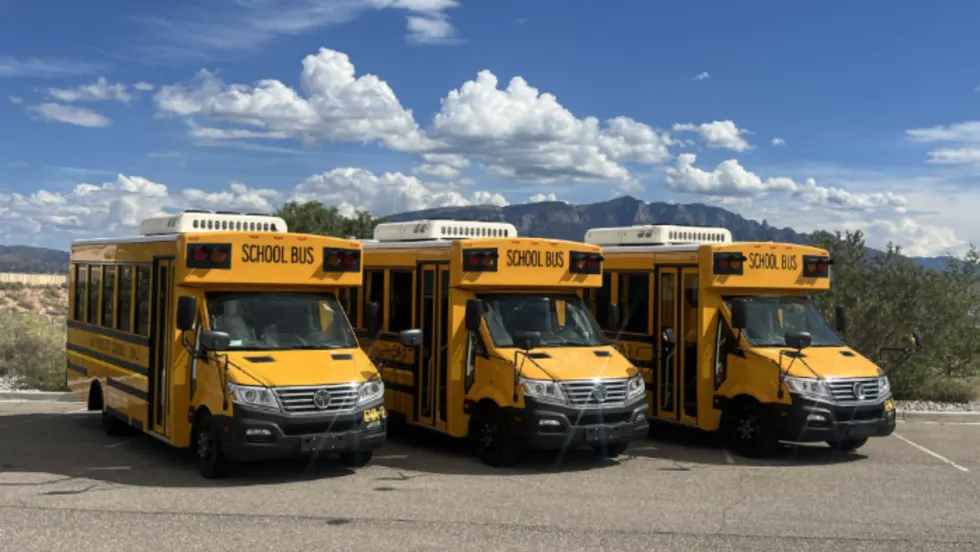
GreenPower Expands New Mexico EV Pilot With Larger Buses, V2G Testing
After logging more than 17,000 electric miles in the first year, New Mexico’s statewide pilot is moving into its second phase with larger vehicles, continued charging evaluations, and more.
Read More →
Can EV-as-a-Service Help Fleets Scale Electrification?
Sustainability Partners CEO Adam Cain explains how matching EVs, charging infrastructure, and duty cycles can help fleets scale electrification.
Read More →
How EV-as-a-Service Is Moving Fleets Beyond Pilots
Adam Cain, president and CEO of Sustainability Partners, explains how EV-as-a-service can help fleets scale deployments by addressing duty-cycle requirements and charging challenges.
Read More →
PowerFlex, The Mobility House Join Forces to Advance Fleet Electrification
Two EV charging providers are joining forces to deliver a broader portfolio of energy management and fleet electrification solutions.
Read More →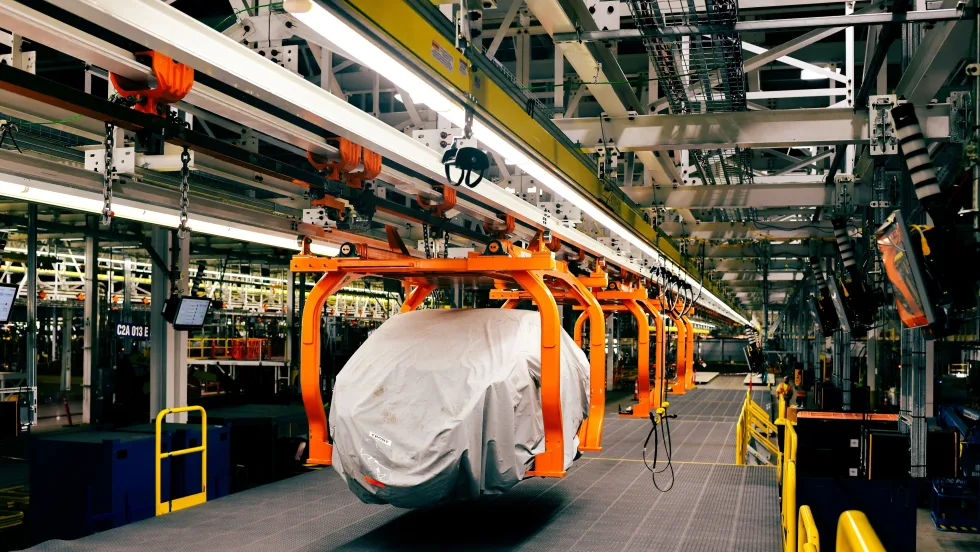
Ford Retools Louisville Plant for Fathom Electric Truck Production
Ford's $2 billion Louisville Assembly Plant overhaul introduces a three-part assembly process for the Fathom midsize electric truck, with production scheduled to begin in 2027.
Read More →
Merchants Fleet Reports 290M EV Miles as Fleets Navigate Changing Electrification Market
From millions in operating savings to hundreds of millions of EV miles, Merchants Fleet’s latest report reveals what’s working and what’s changing in fleet electrification.
Read More →
California District Commits to Electrify 25% of School Bus Fleet by 2028
One of the nation's largest school bus electrification projects to date demonstrates how grants, charging infrastructure, and public-private partnerships can help fleets transition to EVs at scale.
Read More →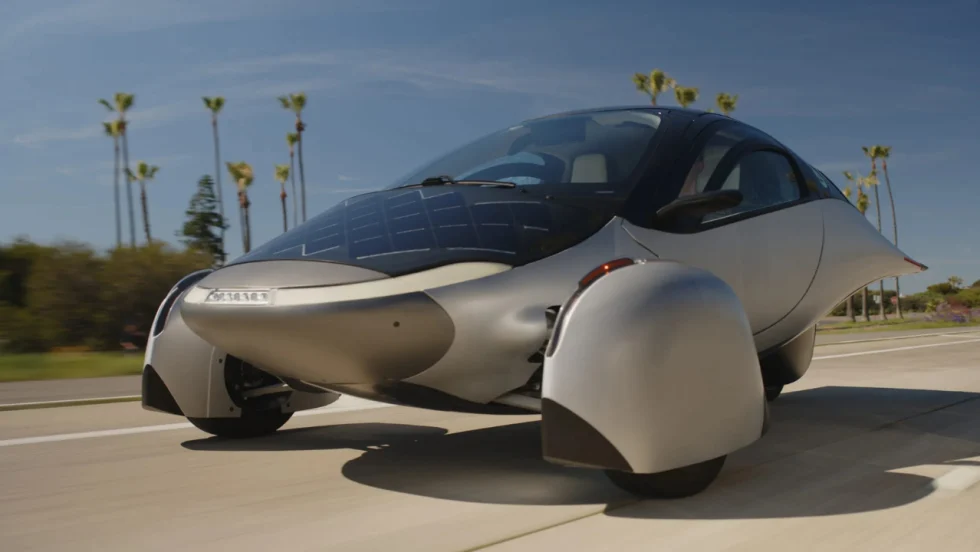
Aptera Orders Bodies and Chassis for Its First 40 Production Vehicles
Aptera Motors Corp. has issued purchase orders for the major structural components of its first 40 vehicles, and body and chassis components are expected to begin arriving in October.
Read More →