



Related: Battling Distracted Driving
How Fleets Can Boost Safety In the Field
Utility fleets often have workers stationed along the side of the road or off-road. But a few strategically placed lighting options can help increase safety. Does your fleet use all of them?
December 14, 2019
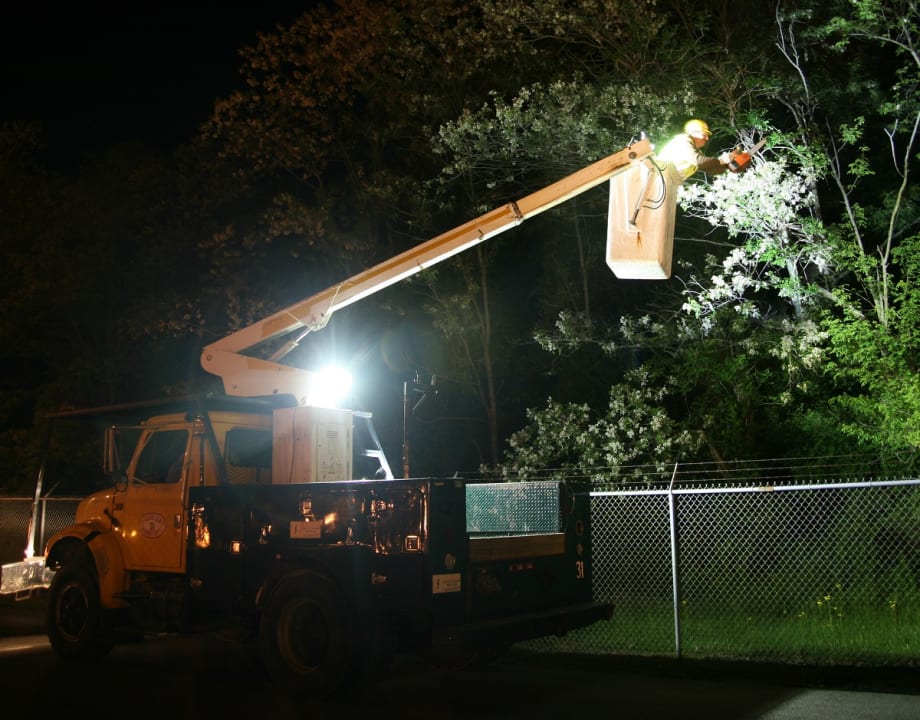
Lighting should be tailored to meet the needs of the job and the operator.
Photo courtesy of Grote Industries
3 min to read
For fleets where drivers work along the side of the road or off-road — such as field mechanics, linemen, farmers, service workers, and other contractors — driver safety is a major factor. Luckily, there are options to mitigate some of the risk while working in a risky area. And evolving vehicle technology can help enhance visibility.
Of course, all vehicles are equipped with some form of lighting. But Grote Industries notes that safety is determined not just by using bright lights on the vehicle, but by producing optimal light quality to fully illuminate the environment and attract the attention of those nearby.
Commonly Used Truck Lighting
Hazard/strobe lights are a common addition to many service vehicles and can be used to warn nearby drivers to keep their distance. Typically, SAE Class 2 warning lights are used for utility vehicles that work along roadsides, while Class 1 warning lights (with four times the intensity of Class 2 lights) are used for emergency vehicles like fire, police, and ambulances. This is often accompanied with a variety of colors such as red or amber.
“To alert other drivers, when service vehicles may unexpectedly stop, turn, or move out of regular traffic flow, it is easy to incorporate strobe lights in hideaway areas such as in headlamp, tail, turn, or back up lamps that do not require additional mounting. Beacons or bar strobes can also be added. There are many options,” said Kevin Cornelius, global marketing manager – Trailer and Body Builders at Grote Industries, a U.S.-based manufacturer and expert in vehicle lighting and safety systems.
Enhanced lighting can make the ground a little brighter to ensure the driver sees the road (or lack thereof) in front of the vehicle. All ground lights should also be mounted below the vehicle shining downward, typically at a -40-degree inclination, so the actual light source is not visible to the vehicle driver or others on the scene.
“You don’t want to directly view the light source providing the ground lighting, or it can dilate your pupils, so your eyes are no longer adjusted for nighttime viewing,” explained Cornelius.
Scene lighting comes in handy while on the job, and can be deployed when high-powered, long-range illumination is required from a service vehicle. It usually takes the form of work lamps. This can help to eliminate stumbles, trips, falls, and work-related errors due to poor visibility. However, there are different types of scene lighting, some of which are better suited for specific tasks.
“When work area lights are used on the rear of the vehicle, flood or wide flood LED lights cover the broadest area,” Cornelius continued. “To light up an area at a distance, we recommend trapezoid or combination light patterns. For the longest distance viewing, a spotlight or pencil beam type pattern is usually the best choice.”
When it comes to working in or around the vehicle, surface lighting is typically used for walking up steps or accessing to tools and equipment in compartments or truck beds.
While this can be accomplished by mounting LED lamps on the side of steps, or at the ends of compartments, an increasingly popular alternative is to install LED light strips wherever needed. Advances in thin-film LED technology not only produce brighter illumination, but do so using paper-thin, ultra-light strips that can be easily installed into the existing lighting power system.
The most rugged options are resistant to damage from impacts, waterproof, able to withstand pressure washing with hot water, and resistant to the most common chemicals associated with vehicles in the event of exposure or spills, including motor oil, diesel fuel, battery acid, gasoline, and brake fluid. Installation usually involves just peeling off doubled-sided tape and pressing the LED strips into place.
Those who consult with a lighting specialist can not only optimize such choices, but also save dramatically on maintenance, repair and replacement over the service life of the vehicle fleet.
Topics:Utility FleetsSafetyField ServiceVehicle LightingLED LightingConstruction FleetsElectric Vehicles
Originally posted on Work Truck Online
More Electric Vehicles

EV Charging Use Is Outpacing Infrastructure Growth
ChargePoint’s 2026 Charging Forward Report points to rising charger use, higher-powered charging, commercial vehicle electrification, and energy-management technology. Here’s what fleets should know.
Read More →
EV Realty Names Henrik Holland President as Charging Platform Expands
The former Prologis Mobility and Shell executive will help expand EV Realty’s truck charging business and move its power-first infrastructure model into autonomous vehicle depots and other fleet sectors.
Read More →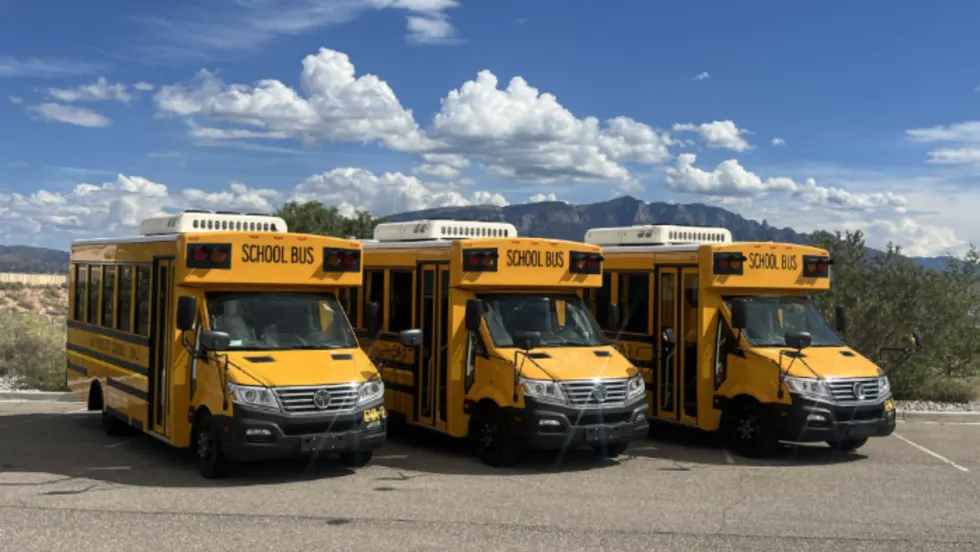
GreenPower Expands New Mexico EV Pilot With Larger Buses, V2G Testing
After logging more than 17,000 electric miles in the first year, New Mexico’s statewide pilot is moving into its second phase with larger vehicles, continued charging evaluations, and more.
Read More →
Can EV-as-a-Service Help Fleets Scale Electrification?
Sustainability Partners CEO Adam Cain explains how matching EVs, charging infrastructure, and duty cycles can help fleets scale electrification.
Read More →
How EV-as-a-Service Is Moving Fleets Beyond Pilots
Adam Cain, president and CEO of Sustainability Partners, explains how EV-as-a-service can help fleets scale deployments by addressing duty-cycle requirements and charging challenges.
Read More →
PowerFlex, The Mobility House Join Forces to Advance Fleet Electrification
Two EV charging providers are joining forces to deliver a broader portfolio of energy management and fleet electrification solutions.
Read More →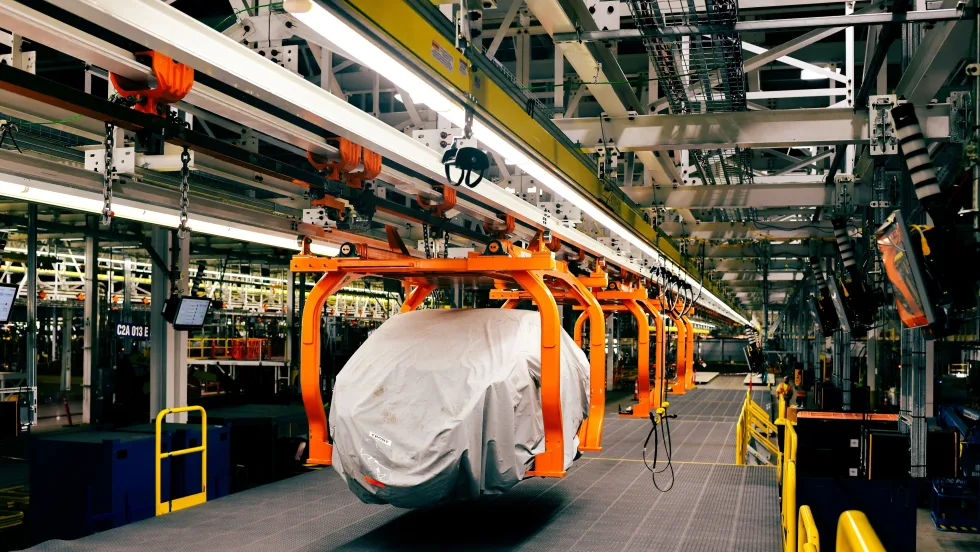
Ford Retools Louisville Plant for Fathom Electric Truck Production
Ford's $2 billion Louisville Assembly Plant overhaul introduces a three-part assembly process for the Fathom midsize electric truck, with production scheduled to begin in 2027.
Read More →
Merchants Fleet Reports 290M EV Miles as Fleets Navigate Changing Electrification Market
From millions in operating savings to hundreds of millions of EV miles, Merchants Fleet’s latest report reveals what’s working and what’s changing in fleet electrification.
Read More →
California District Commits to Electrify 25% of School Bus Fleet by 2028
One of the nation's largest school bus electrification projects to date demonstrates how grants, charging infrastructure, and public-private partnerships can help fleets transition to EVs at scale.
Read More →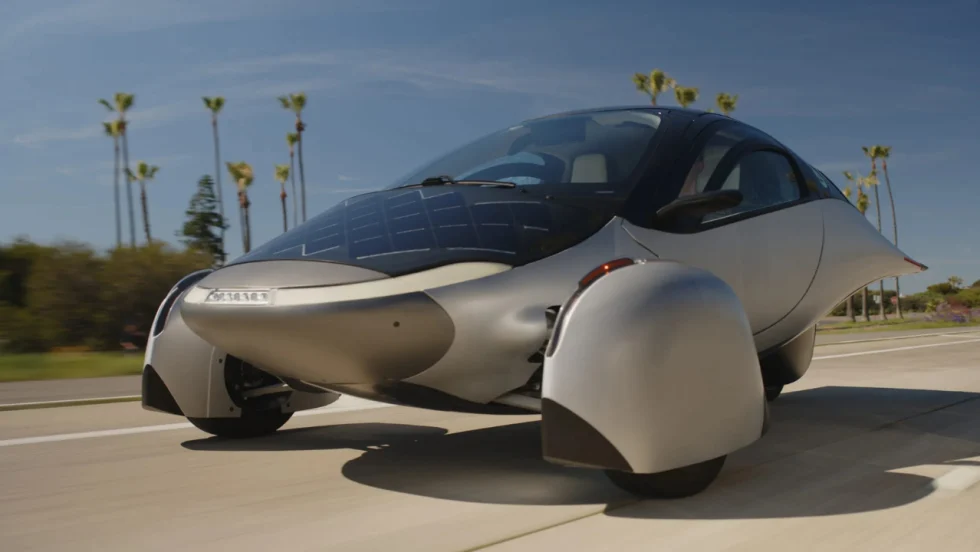
Aptera Orders Bodies and Chassis for Its First 40 Production Vehicles
Aptera Motors Corp. has issued purchase orders for the major structural components of its first 40 vehicles, and body and chassis components are expected to begin arriving in October.
Read More →