



Read More: Honda Commits to New Safety Goals and Advances Electric Vehicles
Honda Targets 70k Sales for Electric Prologue SUV
Electrified Honda vehicle sales are anticipated to reach 500,000 units by 2030 as the company advances its vision of 100% zero emissions sales by 2040.
September 21, 2021
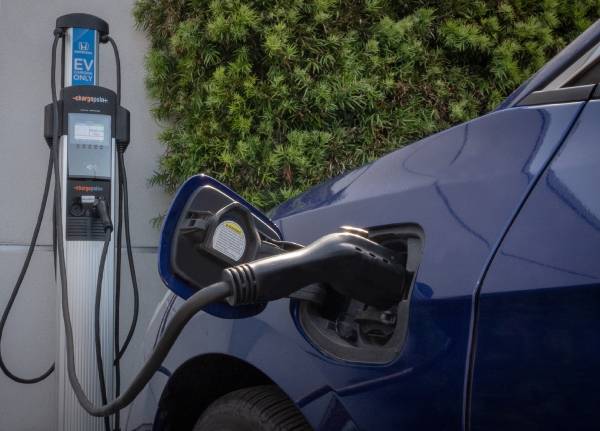
The Japanese automaker's planned 2024 Prologue will focus on California and the ZEV states of Texas and Florida.
Photo: Honda
3 min to read
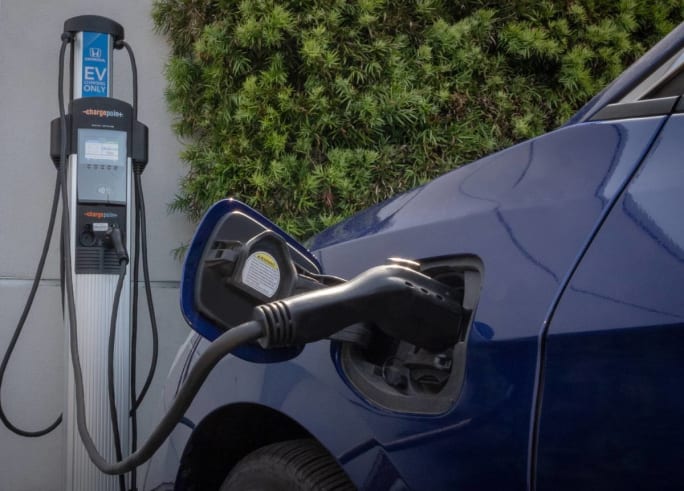
The Japanese automaker's planned 2024 Prologue will focus on California and the ZEV states of Texas and Florida.
Photo: Honda
Honda has an initial annual sales target of 70,000 units for the Prologue SUV, the automaker's first new volume battery-electric vehicle (BEV), when it goes on sale in 2024.
Following the launch of Prologue, Honda brand electrified vehicle sales will be boosted by the introduction of additional vehicles based on its new e-Architecture, which is now being developed. This will take Honda to anticipated sales of 500,000 BEVs by 2030, and ultimately leading to 100% zero emission vehicles sales in North America by 2040, the company said in a news release.
As with other automakers, Honda’s initial zero emission vehicle sales goals of 40% by 2030 are contingent upon fair and equitable access to state and federal EV incentives intended to encourage American consumers to purchase electric vehicles. Honda has urged Congress to ensure that all vehicles made in America are treated equally.
“Launching our first volume BEV in 2024 is the start of an exciting new direction for Honda,” said Dave Gardner, executive vice president of National Operations at American Honda Motor Co., Inc. “We are working with our dealers to plan the transition from sales of primarily gasoline-powered vehicles to selling 100% electric vehicles by 2040.”
Honda’s initial approach to selling the Prologue will be regional, focusing on California and the ZEV states, including the BEV-friendly sunbelt states of Texas and Florida. Honda anticipates these regions will represent the bulk of sales at the onset of launch due to higher customer acceptance and regulatory requirements. As EV infrastructure expands and customer interest grows nationwide, the company will rapidly expand sales and marketing efforts to other areas of the country.
In April 2021, Honda global CEO Toshihiro Mibe outlined the company’s vision for global sales of electrified vehicles as part of Honda’s strategy to achieve carbon-neutrality for its products and corporate activities by 2050. This vision calls for the sales ratio of battery-electric and fuel cell electric vehicles in North America to progress from 40% by 2030 and 80% by 2035 to 100% by 2040.
Following the 2024 introduction of Honda Prologue, co-developed with GM and based on the Ultium platform, Honda will introduce a series of electrified vehicles in the second half of the decade based on the Honda developed e-architecture and production of BEVs beginning at Honda plants in North America.
Honda's history with electrified/hybrid vehicles in the U.S. started with the EV Plus electric vehicle in 1997, followed by the Honda Insight in 1999, the Honda FCX in 2002, and the Clarity series in 2017. As Honda prepares for the launch of Prologue, the company will introduce hybrid-electric systems to more core models to continue to reduce CO2 emissions and bridge customers to the volume battery-electric vehicles now in development.
“We know customers who have a good experience with a hybrid vehicle are more likely to buy a battery electric vehicle in the future,” said Gardner. “Our strategy is focused on introducing a higher percentage of hybrids in core models in the near term, making a committed effort to achieve higher volume leading to the introduction of our Honda Prologue.”
Honda's news release says it achieved record sales of electrified vehicles in each of the past three years, with sales momentum continuing in 2021. Led by CR-V Hybrid and Accord Hybrid, Honda just recorded its best-ever first-half year of electrified vehicle sales.
Originally posted on Automotive Fleet
More Electric Vehicles
EV Charging Use Is Outpacing Infrastructure Growth
ChargePoint’s 2026 Charging Forward Report points to rising charger use, higher-powered charging, commercial vehicle electrification, and energy-management technology. Here’s what fleets should know.
Read More →
EV Realty Names Henrik Holland President as Charging Platform Expands
The former Prologis Mobility and Shell executive will help expand EV Realty’s truck charging business and move its power-first infrastructure model into autonomous vehicle depots and other fleet sectors.
Read More →
GreenPower Expands New Mexico EV Pilot With Larger Buses, V2G Testing
After logging more than 17,000 electric miles in the first year, New Mexico’s statewide pilot is moving into its second phase with larger vehicles, continued charging evaluations, and more.
Read More →
Can EV-as-a-Service Help Fleets Scale Electrification?
Sustainability Partners CEO Adam Cain explains how matching EVs, charging infrastructure, and duty cycles can help fleets scale electrification.
Read More →
How EV-as-a-Service Is Moving Fleets Beyond Pilots
Adam Cain, president and CEO of Sustainability Partners, explains how EV-as-a-service can help fleets scale deployments by addressing duty-cycle requirements and charging challenges.
Read More →
PowerFlex, The Mobility House Join Forces to Advance Fleet Electrification
Two EV charging providers are joining forces to deliver a broader portfolio of energy management and fleet electrification solutions.
Read More →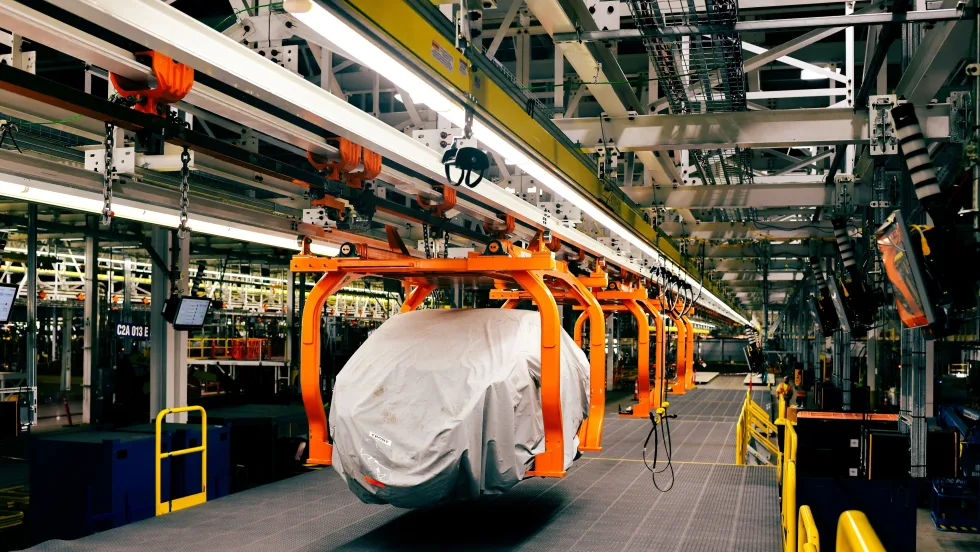
Ford Retools Louisville Plant for Fathom Electric Truck Production
Ford's $2 billion Louisville Assembly Plant overhaul introduces a three-part assembly process for the Fathom midsize electric truck, with production scheduled to begin in 2027.
Read More →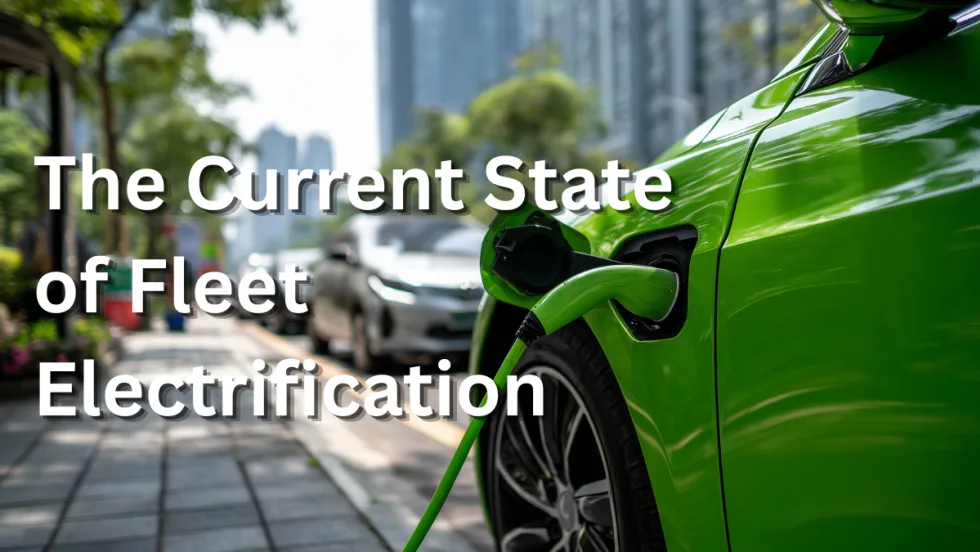
Merchants Fleet Reports 290M EV Miles as Fleets Navigate Changing Electrification Market
From millions in operating savings to hundreds of millions of EV miles, Merchants Fleet’s latest report reveals what’s working and what’s changing in fleet electrification.
Read More →
California District Commits to Electrify 25% of School Bus Fleet by 2028
One of the nation's largest school bus electrification projects to date demonstrates how grants, charging infrastructure, and public-private partnerships can help fleets transition to EVs at scale.
Read More →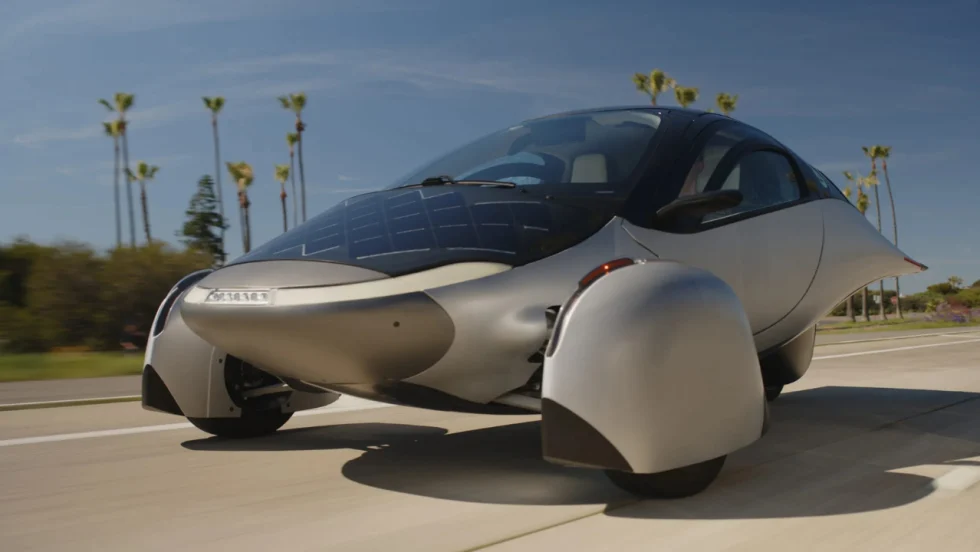
Aptera Orders Bodies and Chassis for Its First 40 Production Vehicles
Aptera Motors Corp. has issued purchase orders for the major structural components of its first 40 vehicles, and body and chassis components are expected to begin arriving in October.
Read More →