



Next Year: Honda Unveils 2023 Honda Accord
Honda Recommits to Fuel Cell Vehicles
Honda announced that it will produce an all-new hydrogen fuel cell electric vehicle based on the Honda CR-V starting in 2024.
November 30, 2022
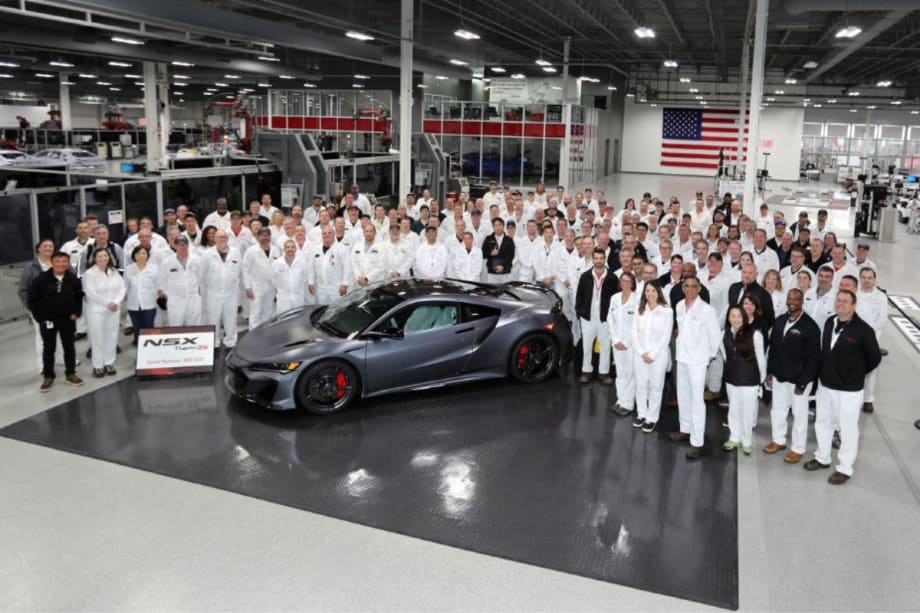
Honda will produce the CR-V variant at its Performance Manufacturing Center (PMC) in Marysville, Ohio, which specializes in small volume vehicles like the Acura NSX supercar.
Photo: Honda
2 min to read
Honda announced that it will produce an all-new hydrogen fuel cell electric vehicle (FCEV) based on the recently launched Honda CR-V starting in 2024 at its Performance Manufacturing Center (PMC) in Marysville, Ohio.
This new zero-emissions vehicle will contribute to Honda’s previously announced goal to make battery electric vehicles (BEVs) and FCEVs represent 100% of its global auto sales by 2040, according to Honda's news release.
Honda added the new CR-V-based FCEV also will mark North America’s first production vehicle to combine a plug-in feature with FCEV technology in one model. This enables the driver to charge the onboard battery to deliver EV driving around town with the flexibility of fast hydrogen refueling for longer trips.
“Honda established our goal to realize carbon neutrality by 2050 and the complete electrification of our vehicle lineup by 2040 is critical to achieving it,” said Gary Robinson, vice president of Auto Planning & Strategy for American Honda Motor Co., Inc. “As we accelerate our plan to produce Honda battery EVs in the United States, we also will begin low volume production of fuel cell electric vehicles there to further explore their great potential as part of a sustainable transportation future.”
Since opening in 2016, the PMC has been responsible for the production of the Acura NSX supercar, multiple Acura PMC Edition vehicles (including TLX, RDX, and MDX) along with Honda Performance Development race cars.
“Our associates at the Performance Manufacturing Center have really enjoyed the opportunity to successfully introduce several specialty vehicles into the market,” said Gail May, PMC plant leader. “This facility is perfect for the production of a new Honda fuel cell electric vehicle, as our small-volume capability enables us to really leverage the skill and expertise of our team to produce quality zero-emission vehicles here in North America.”
More details about the all-new FCEV version of the CR-V will be announced closer to its introduction in 2024.
Since the introduction of its first commercially available fuel-cell vehicle, the FCX, in 2002, Honda said it has made technological advancements in fuel-cell vehicle operation in both hot and freezing weather while meeting customer expectations and safety regulations.
In 2021, Honda ended the production of its hydrogen fuel-cell Clarity models due to lack of demand and the company's focus on electrification, according to Nikkei.
In an effort to support the wider introduction of fuel-cell vehicles, Honda has invested more than $14 million in California’s hydrogen refueling network. This includes joining the public-private partnership H2USA in May 2013.
Originally posted on Automotive Fleet
More Electric Vehicles
EV Charging Use Is Outpacing Infrastructure Growth
ChargePoint’s 2026 Charging Forward Report points to rising charger use, higher-powered charging, commercial vehicle electrification, and energy-management technology. Here’s what fleets should know.
Read More →
EV Realty Names Henrik Holland President as Charging Platform Expands
The former Prologis Mobility and Shell executive will help expand EV Realty’s truck charging business and move its power-first infrastructure model into autonomous vehicle depots and other fleet sectors.
Read More →
GreenPower Expands New Mexico EV Pilot With Larger Buses, V2G Testing
After logging more than 17,000 electric miles in the first year, New Mexico’s statewide pilot is moving into its second phase with larger vehicles, continued charging evaluations, and more.
Read More →
Can EV-as-a-Service Help Fleets Scale Electrification?
Sustainability Partners CEO Adam Cain explains how matching EVs, charging infrastructure, and duty cycles can help fleets scale electrification.
Read More →
How EV-as-a-Service Is Moving Fleets Beyond Pilots
Adam Cain, president and CEO of Sustainability Partners, explains how EV-as-a-service can help fleets scale deployments by addressing duty-cycle requirements and charging challenges.
Read More →
PowerFlex, The Mobility House Join Forces to Advance Fleet Electrification
Two EV charging providers are joining forces to deliver a broader portfolio of energy management and fleet electrification solutions.
Read More →
Ford Retools Louisville Plant for Fathom Electric Truck Production
Ford's $2 billion Louisville Assembly Plant overhaul introduces a three-part assembly process for the Fathom midsize electric truck, with production scheduled to begin in 2027.
Read More →
Merchants Fleet Reports 290M EV Miles as Fleets Navigate Changing Electrification Market
From millions in operating savings to hundreds of millions of EV miles, Merchants Fleet’s latest report reveals what’s working and what’s changing in fleet electrification.
Read More →
California District Commits to Electrify 25% of School Bus Fleet by 2028
One of the nation's largest school bus electrification projects to date demonstrates how grants, charging infrastructure, and public-private partnerships can help fleets transition to EVs at scale.
Read More →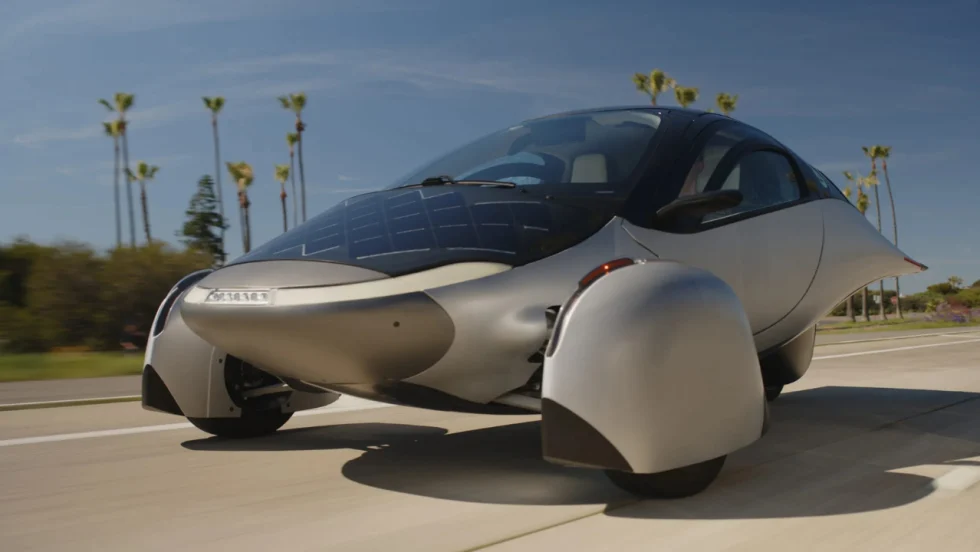
Aptera Orders Bodies and Chassis for Its First 40 Production Vehicles
Aptera Motors Corp. has issued purchase orders for the major structural components of its first 40 vehicles, and body and chassis components are expected to begin arriving in October.
Read More →