



Related news:GM Confirms Electric Chevrolet Silverado Pickup Truck
GM to Source U.S.-Based Lithium for Next-Gen EV Batteries
Through an agreement with Controlled Thermal Resources, lithium will be sourced in part from California from a more environmentally friendly process than traditional lithium production.
July 6, 2021
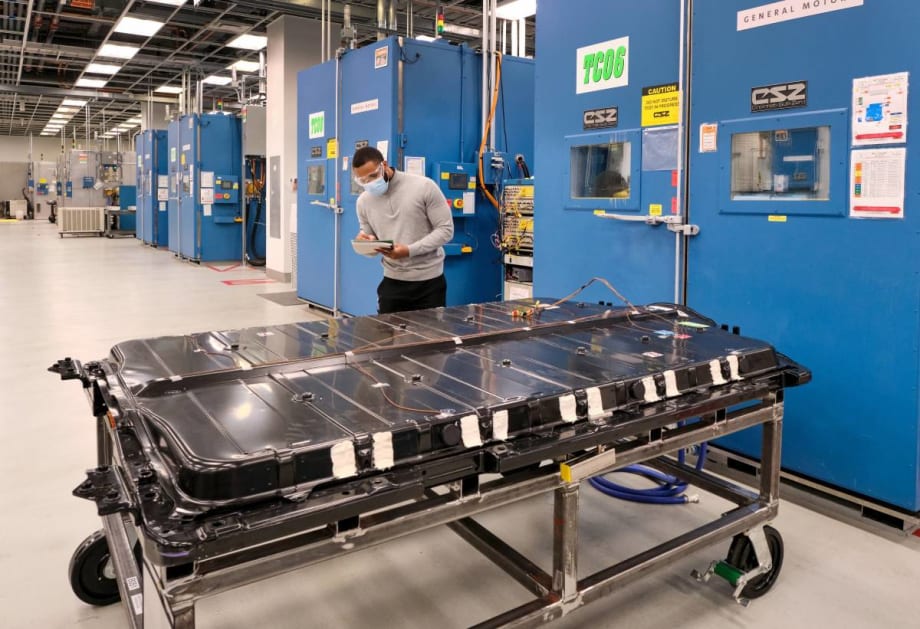
Lithium is a key ingredient in General Motors’ Ultium battery packs, like this one being tested by GM Validation Engineer Andre Brown at the GM Global Battery Systems Lab Monday, June 28, 2021 on the campus of the GM Tech Center in Warren, Mich.
Photo: Steve Fecht for General Motors
2 min to read
General Motors has agreed to form a strategic investment and commercial collaboration with Controlled Thermal Resources to secure local and low-cost lithium, the company announced in a press release on July 2.
This lithium will be produced through a closed-loop, direct extraction process that results in a smaller physical footprint, no production tailing and lower carbon dioxide emissions when compared to traditional processes like pit mining or evaporation ponds.
Lithium is a metal crucial to GM's plans to make more affordable, higher mileage electric vehicles.
The relationship between GM and CTR is expected to accelerate the adoption of lithium extraction methods that cause less effects on the environment. Much of GM's future battery-grade lithium hydroxide and carbonate could come from CTR's Hell's Kitchen Lithium and Power development in the Salton Sea Geothermal Field, in Imperial, Calif. With the help of GM's investment, CTR's closed-loop, direct extraction process will recover lithium from geothermal brine.
As an anticipated part of its $35 billion global commitment to EVs and autonomous vehicles, GM will be the first company to make a multi-million dollar investment in CTR's Hell's Kitchen project. As the first investor, GM will have first rights on lithium produced by the first stage of the Hell's Kitchen project, including an option for a multi-year relationship.
"Lithium is critical to battery production today and will only become more important as consumer adoption of EVs increases, and we accelerate towards our all-electric future," said Doug Parks, GM executive vice president of global product development, purchasing and supply chain. "By securing and localizing the lithium supply chain in the U.S., we're helping ensure our ability to make powerful, affordable, high mileage EVs while also helping to mitigate environmental impact and bring more low-cost lithium to the market as a whole. GM looks forward to working with CTR, in addition to state and local leaders, in achieving these goals."
Batteries are and will remain one of the largest cost drivers of EVs. Lithium is a key battery material used in the cathodes and electrolytes of GM EVs like the Chevrolet Bolt EV and Bolt EUV. Lithium will become even more important in battery use as GM explores lithium metal batteries with a protected anode.
Most lithium used in lithium-ion batteries is mined and processed outside of the U.S.
The first stage of the Hell's Kitchen project is expected to begin yielding lithium in 2024, helping GM to meet its aspiration of eliminating tailpipe emissions from light-duty vehicles by 2035.
Topics:Batteries/Tech
More Batteries/Tech
Qnovo Pilots Battery Health Software for EV Residual Value Assessments
The Battery Genome application uses in-vehicle operating and cell-level data to identify battery aging and potential defects as automakers prepare for new battery passport requirements.
Read More →
University at Buffalo Deploys 8 Electric Buses, 10 Chargers
The university, WeDriveU, and Zenobē welcomed the first electric buses to the school’s fleet under its zero-emissions roadmap.
Read More →
Samsung SDI Takes Full Control of GM Battery JV as Indiana Plant Pivots to Energy Storage
Samsung SDI is taking full control of its Indiana battery plant with GM, marking a major shift from the EV-focused joint venture Charged Fleet first covered in 2023.
Read More →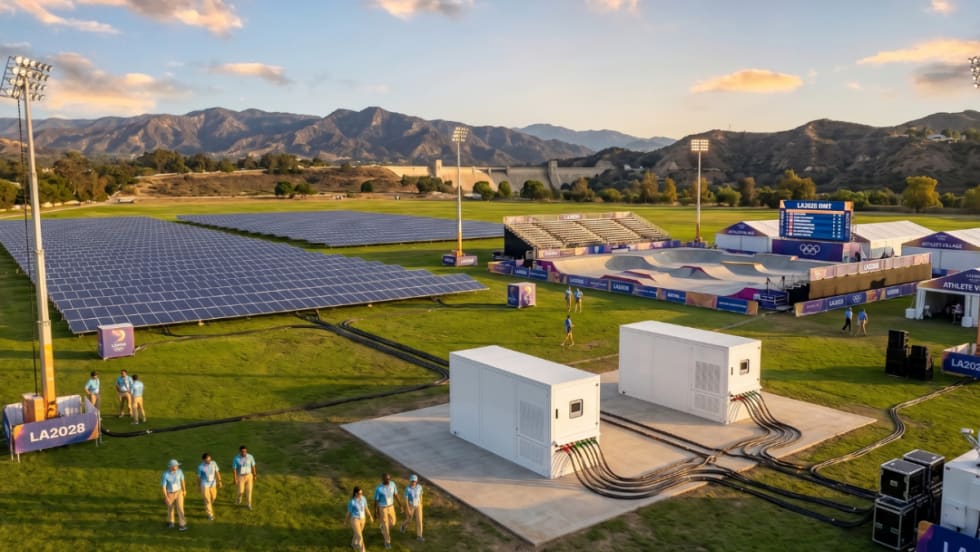
Xos White Paper Asserts LA Olympics Will Lack Enough EV Chargers
The commercial EV fleet company recommends some faster and more flexible remedies to relieve the anticipated shortfall.
Read More →
New EV and Hybrid Training Available For Auto Technicians
The curriculum covers those skill sets highly sought by electric fleet operations.
Read More →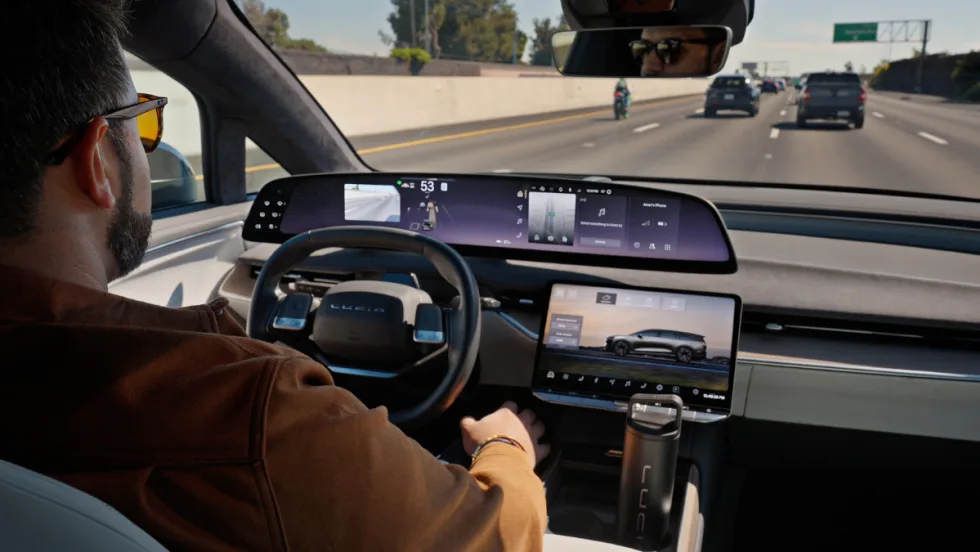
Lucid Adds Hands-Free Highway Driving, Software Updates To Gravity SUV
Hands-free drive assist makes highway driving more comfortable while keeping drivers attentive to the road.
Read More →
California Adopts Sweeping New Autonomous Vehicle Regulations
Updated DMV rules open the door for heavy-duty AV testing and deployment while strengthening safety standards, emergency response coordination, and manufacturer accountability.
Read More →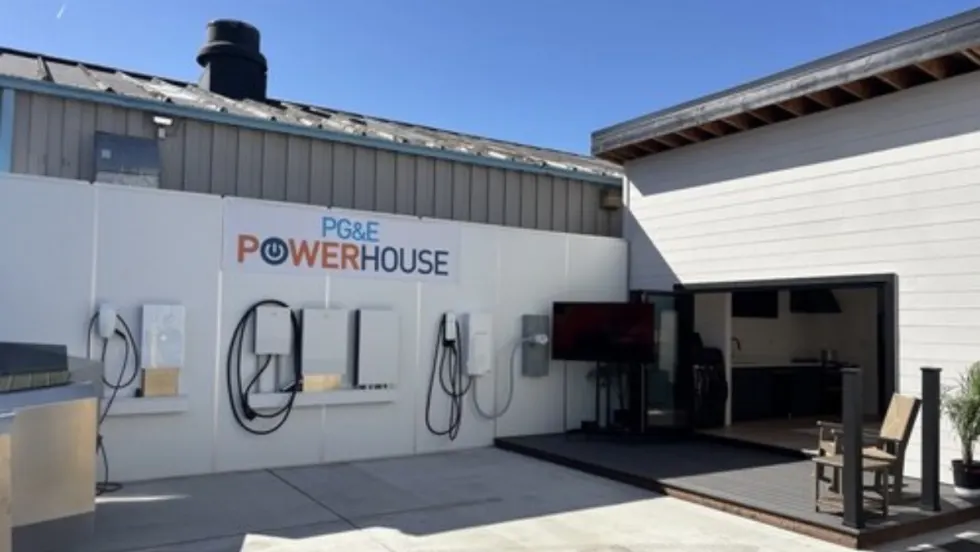
All Electric Test House Could Ease Path To EV Usage
An experimental model home shows how residential charging could enable electric fleet operations by allowing drivers to take EVs home.
Read More →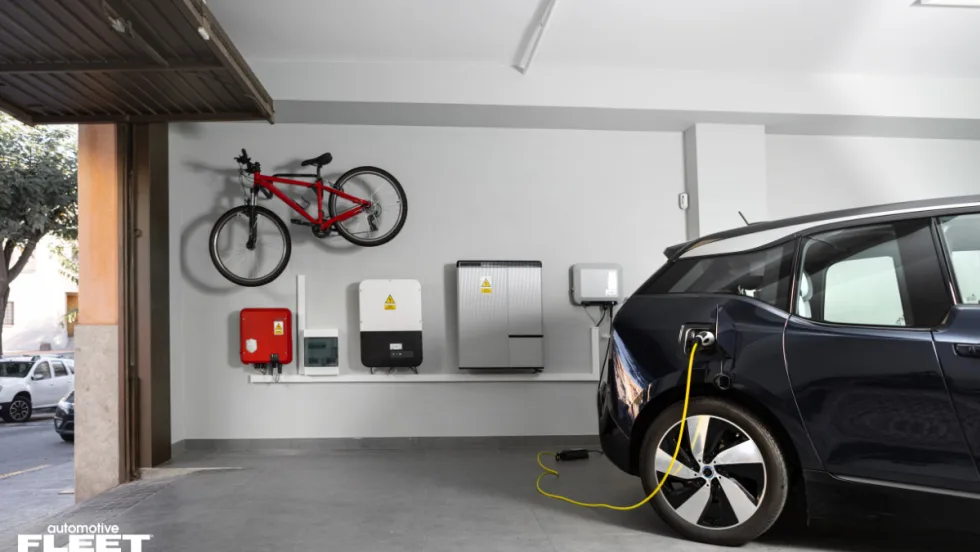
WEX Launches Solution to Close EV At-Home Charging Visibility Gap
At NAFA I&E 2026, WEX debuted an EV solution that adds a layer of verification to help fleets track, validate, and trust every at-home charging dollar.
Read More →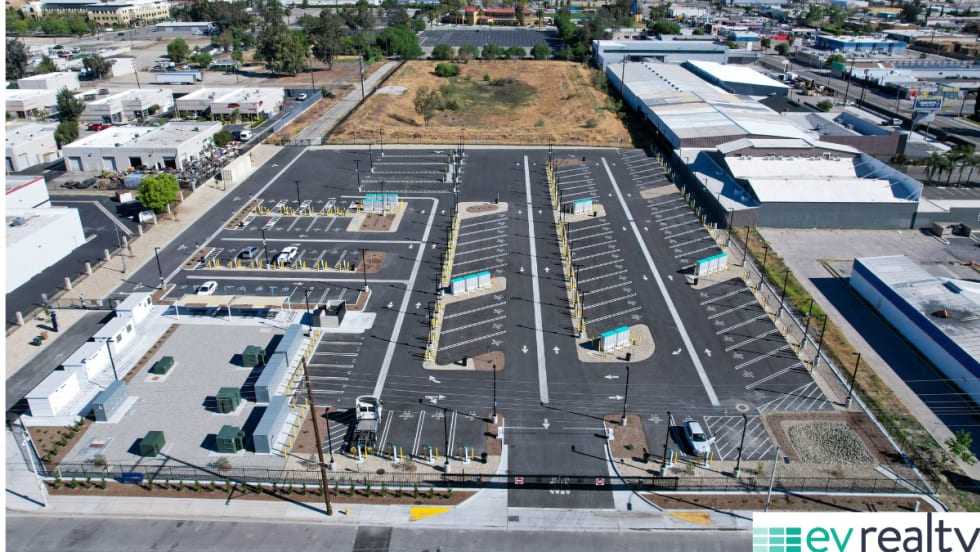
Major Truck Charging Hub Opens In Southern California
EV Realty opens a 76-port, 9 MW truck charging hub in San Bernardino, designed to support more than 200 medium- and heavy-duty vehicles per day with CCS and MCS capability.
Read More →