



Related: Deep Dive Analysis of the 2022-Model Ford E-Transit
Ford Updates E-Transit Targeted Ranges, Releases Detailed Pricing
As part of Ford’s just-released registration site for the electric E-Transit van, Ford has updated targeted battery ranges by body type, roof height, and wheelbase, along with targeted MSRPs for each configuration.
May 4, 2021

Just-announced updates on targeted ranges are 108 miles for the high roof with long- or extended-wheelbase cargo vans to 126 miles for the low roof with regular and long wheelbases.
Image courtesy of Ford.
3 min to read
As of May 4, commercial customers interested in learning more about the Ford E-Transit full-size electric van ahead of order banks opening in July can now “raise their hands to share purchase intentions” on a new registration site that’s part of Fleet.Ford.com. Just don’t call them preorders.
On this new site, Ford announced updated targeted battery ranges by body type, roof height, and wheelbase, along with targeted MSRPs for each configuration. Base starting MSRP ranges from $43,295 for the cutaway — lower than originally announced — to $52,690 for the high-roof extended-wheelbase cargo van. Prices exclude destination/delivery fees, fees and taxes, and "dealer processing charges."
Body Type | Roof Height/Wheelbase | Targeted Range (mi.) | Targeted MSRP |
Cargo Van | Low Roof (83.6")/Reg. (130") | 126 | $47,185 |
Cargo Van | Low Roof (83.6")/Long (148") | 126 | $48,395 |
Cargo Van | Med. Roof (100.8")/Reg. (130") | 116 | $48,280 |
Cargo Van | Med. Roof (100.8")/Long (148") | 116 | $49,490 |
Cargo Van | High Roof (110.1")/Long (148") | 108 | $51,530 |
Cargo Van | High Roof (110.1")/Ext. (148") | 108 | $52,690 |
Chassis Cab | Low Roof (83.6")/ Ext. (178") | - | $43,825 |
Cutaway | Low Roof (83.6")/ Ext. (178") | - | $43,295 |
Ford said in a statement it already has more than 450 commercial customer “hand raisers” in North America spanning 45 vocations already, including 200 top fleets and fleet management companies.
As numerous upstart automakers ready their commercial EVs, Ford is banking on commercial customers’ familiarity with the best-selling Transit van, which has the same cargo dimensions and standard mounting points as the gas-powered Transit for easy carryover of upfits, racks, bins, and accessories. Setting itself further apart from its new competitors, Ford can boast a ready-made service network of about 600 EV-certified Ford Commercial Vehicle Center dealers across the U.S.
E-Transit offers eight configurations, including a cargo van with three roof heights and three lengths, plus chassis cab and cutaway models.
Ford also believes it has a good idea of the type of hand raisers who will buy the E-Transit, which will be built alongside the Transit at Ford’s Kansas City Assembly Plant. Ford contends that about 40% are leaning toward high-roof vans and 60% are pointing to medium-roof, low-roof, cutaway, and chassis cab versions.
Early order indicators favor the delivery segment, Ford said, with other vocations such as equipment rental; local, state, and federal government agencies; utility services; and telecommunications showing interest. Other uses include recreational vehicles, school buses, automotive service, carpet cleaning, and service vans, to more unusual applications like armored transport, blood donation units and prisoner transport.
“We’ve had so much interest early on, we wanted to open this registration site to serve customers with a build mix for their needs across all van body styles,” said Ted Cannis, general manager, North American commercial business. “Some customers want high-roof vans to maximize internal cargo space, while others need to install bodies on cutaways and chassis cabs. Customers will have an all-electric solution — from box truck delivery to parking structure-friendly utility service vans and everything in between.”
While Ford has lowered e-Transit’s starting MSRP, previously announced specs stay the same:
E-Transit has a usable battery capacity of 67 kilowatt-hours for a targeted driving range of 126 miles for the low-roof E-Transit cargo van. On the registration site, though not mentioned in the press statement, Ford says more announcements will come on “additional derivatives that offer more capability and range.”
E-Transit has a targeted maximum payload of 3,800 lbs. with up to 487.3 cubic feet of cargo space in the cargo version. Cutaway versions will feature a maximum payload up to 4,290 lbs.
Early-production E-Transit vans will be tested by select fleet customers in telecommunications, delivery, utility services, and other vocations this summer.
Originally posted on Automotive Fleet
More Electric Vehicles
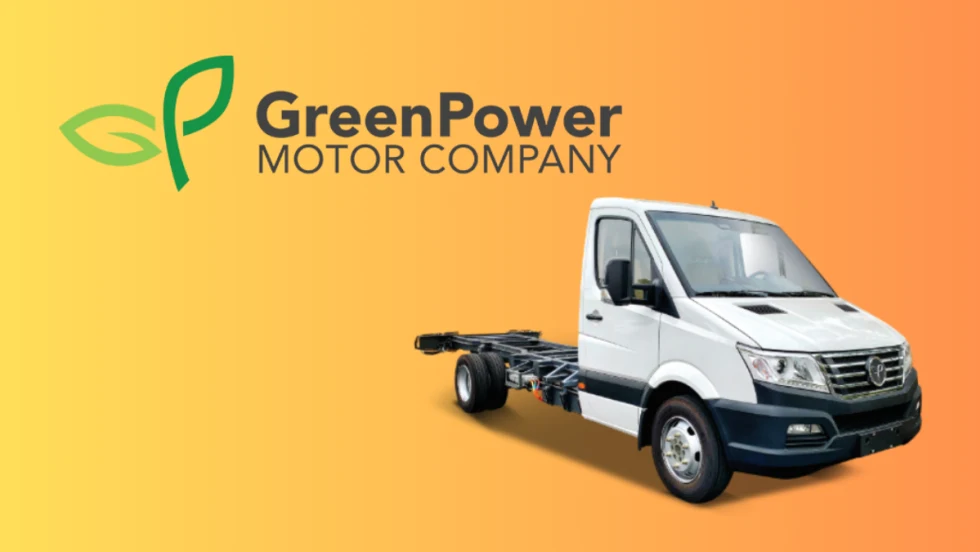
GreenPower Plans 50 Electric Shuttle Buses for Mexico
GreenPower plans to build 50 electric shuttle buses for Mexico using its EV Star Cab & Chassis platform, partnering with local body builders to expand its market reach.
Read More →
Who You Gonna Call? Rivian Turns Electric Vehicles Into Ghostbusters Rides
Rivian teams up with Sony Pictures for a Ghostbusters-inspired Halloween software update, complete with custom sounds, lighting effects, and a special Ecto-R1.
Read More →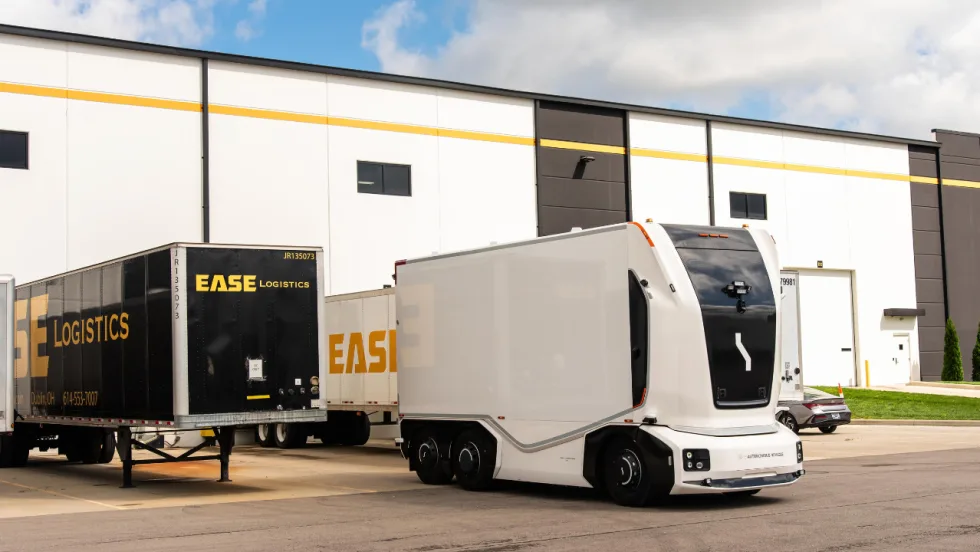
Einride Electric Driverless Trucks Begin Daily Freight Operations in Ohio
Two cabless electric trucks are now moving freight between EASE Logistics facilities, putting autonomous EV technology into daily commercial operations.
Read More →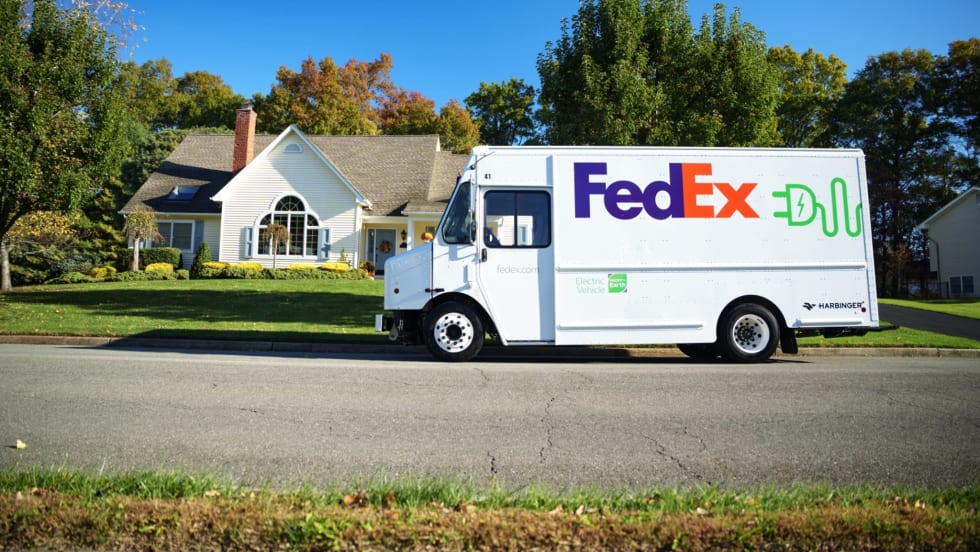
FedEx Orders 2,000 Harbinger Electric Trucks in $300 Million Deal
The Class 5 and 6 electric trucks are planned for delivery by the end of 2027 and will be deployed in FedEx pickup and delivery operations across the U.S. and Canada.
Read More →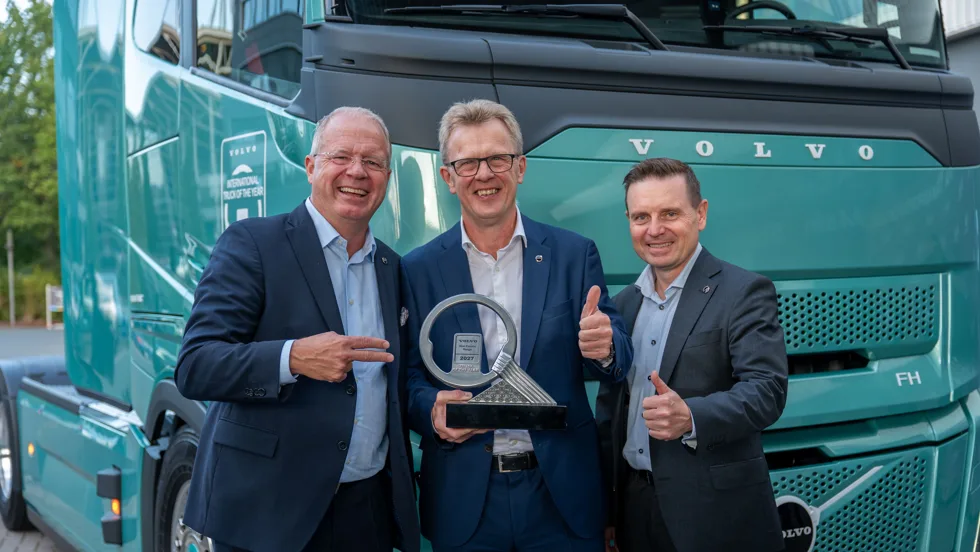
Volvo Trucks’ Electric Range Named International Truck of the Year 2027
The award recognizes Volvo’s global heavy-duty electric lineup, while more than 750 VNR Electric trucks have accumulated nearly 37 million miles in U.S. and Canadian fleet operations.
Read More →
How Republic Services Decides Where Its Next Electric Trucks Can Go
With 250 electric collection trucks now in service, Republic Services is learning that scaling electrification depends less on proving the vehicle and more on whether each site can support what comes next.
Read More →
EV Charging Use Is Outpacing Infrastructure Growth
ChargePoint’s 2026 Charging Forward Report points to rising charger use, higher-powered charging, commercial vehicle electrification, and energy-management technology. Here’s what fleets should know.
Read More →
EV Realty Names Henrik Holland President as Charging Platform Expands
The former Prologis Mobility and Shell executive will help expand EV Realty’s truck charging business and move its power-first infrastructure model into autonomous vehicle depots and other fleet sectors.
Read More →
GreenPower Expands New Mexico EV Pilot With Larger Buses, V2G Testing
After logging more than 17,000 electric miles in the first year, New Mexico’s statewide pilot is moving into its second phase with larger vehicles, continued charging evaluations, and more.
Read More →
Can EV-as-a-Service Help Fleets Scale Electrification?
Sustainability Partners CEO Adam Cain explains how matching EVs, charging infrastructure, and duty cycles can help fleets scale electrification.
Read More →