



Related: Ford Targets Mid-2022 for Electric F-150 and Transit Van
Ford Plans to Achieve Carbon Neutrality Goal by 2050
Ford Motor Co. plans to achieve carbon neutrality globally by 2050, while setting interim targets to address climate change challenges.
June 24, 2020
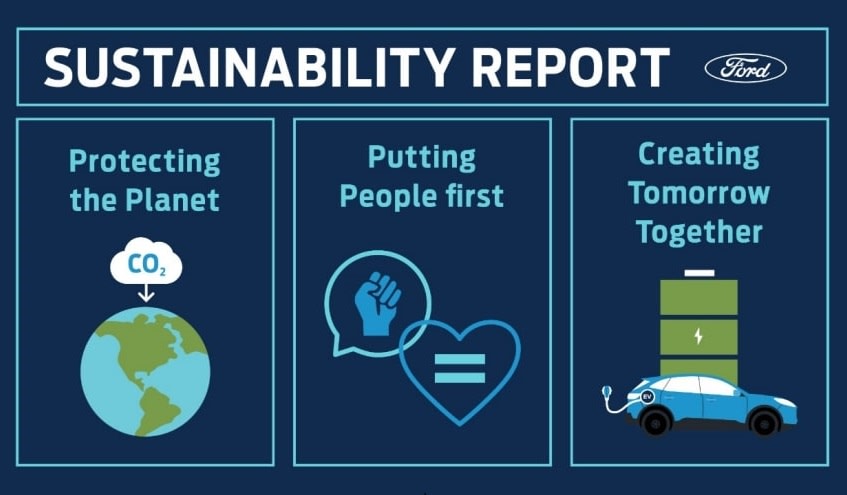
Ford said it will address customer acceptance, government regulations, economic conditions and the availability of renewable, carbon-neutral electricity and renewable fuels as it moves to achieve the 2050 goal.
Photo: Ford
2 min to read
Ford Motor Co. plans to achieve carbon neutrality globally by 2050, while setting interim targets to address climate change challenges, the company announced.
To achieve this goal, the automaker said it will focus on three areas that account for approximately 95% of its CO2 emissions – vehicle use, its supply base, and the company’s facilities, Ford said. The company announced that ambition today as it issued its 21st annual Sustainability Report.
Ford said it will address customer acceptance, government regulations, economic conditions and the availability of renewable, carbon-neutral electricity and renewable fuels as it moves to achieve the 2050 goal.
“We can develop and make great vehicles, sustain and grow a strong business and protect our planet at the same time – in fact, those ideals complement each other,” said Bob Holycross, vice president, chief sustainability, environment and safety officer. “We don’t have all the answers yet but are determined to work with all of our global and local partners and stakeholders to get there.”
Ford also is working to develop goals approved and defined by the Science Based Targets initiative for its Scope 1, Scope 2 and Scope 3 emissions.
Scope 1 covers direct emissions from company-owned or -controlled sources,
Scope 2 addresses indirect emissions from generation of purchased electricity, steam, heating and cooling consumed by Ford.
Scope 3 emissions speak to in-use emissions from vehicles that Ford sells and emissions from its supply base, among others.
A cross-functional Ford team from around the world – including the U.S., Europe and China – developed the company’s carbon-neutral approach after analyzing information on the environment, customers, technology, legislation, energy, competitive approaches, life-cycle assessments and other trends.
Ford said it is also investing more than $11.5 billion in electric vehicles through 2022, which includes a Transit Commercial EV and fully electric F-150 slated for release in the next two years.
The company previously announced its plan to use 100% locally sourced renewable energy for all its manufacturing plants globally by 2035.
Topics:Battery-Electric VehiclesBattery-Electric TrucksFord Transit Connect ElectricElectric VehiclesVehicle Research
Originally posted on Automotive Fleet
More Electric Vehicles
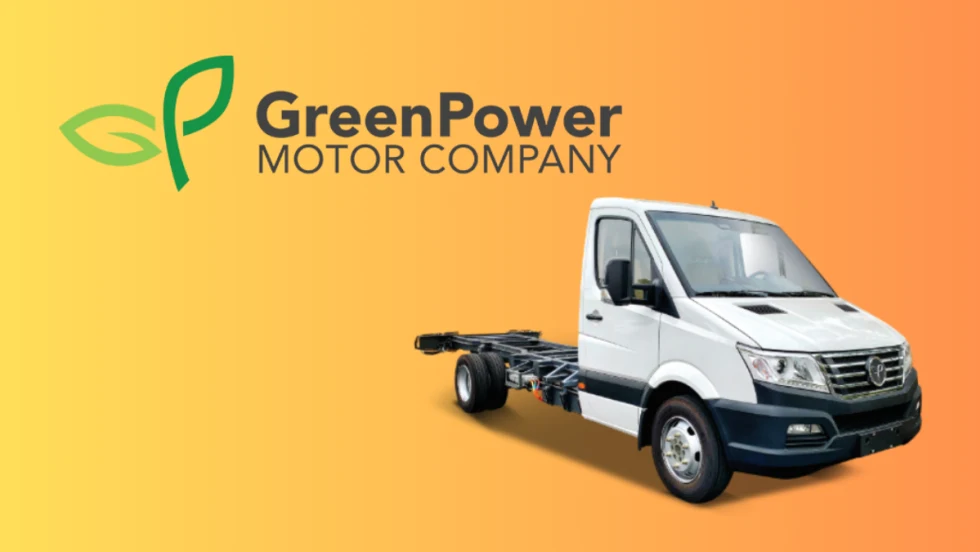
GreenPower Plans 50 Electric Shuttle Buses for Mexico
GreenPower plans to build 50 electric shuttle buses for Mexico using its EV Star Cab & Chassis platform, partnering with local body builders to expand its market reach.
Read More →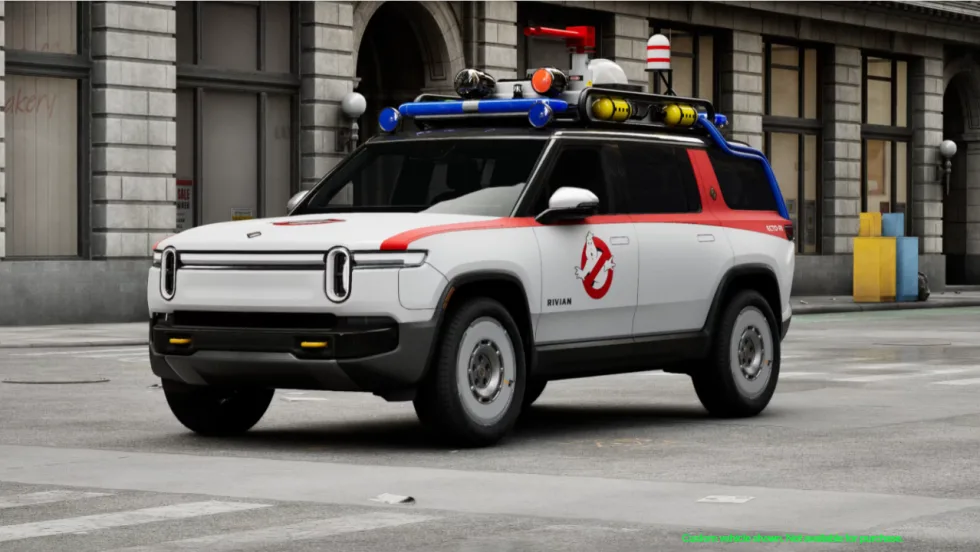
Who You Gonna Call? Rivian Turns Electric Vehicles Into Ghostbusters Rides
Rivian teams up with Sony Pictures for a Ghostbusters-inspired Halloween software update, complete with custom sounds, lighting effects, and a special Ecto-R1.
Read More →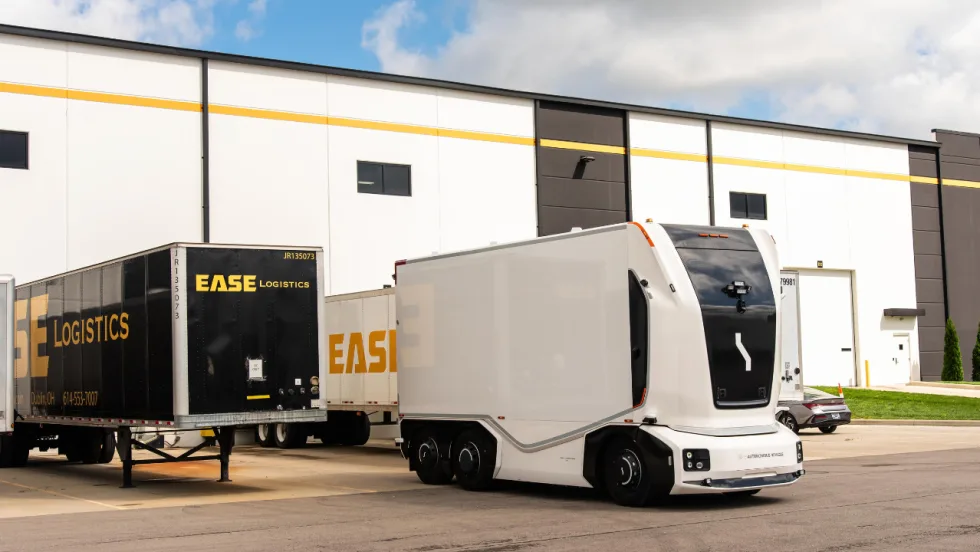
Einride Electric Driverless Trucks Begin Daily Freight Operations in Ohio
Two cabless electric trucks are now moving freight between EASE Logistics facilities, putting autonomous EV technology into daily commercial operations.
Read More →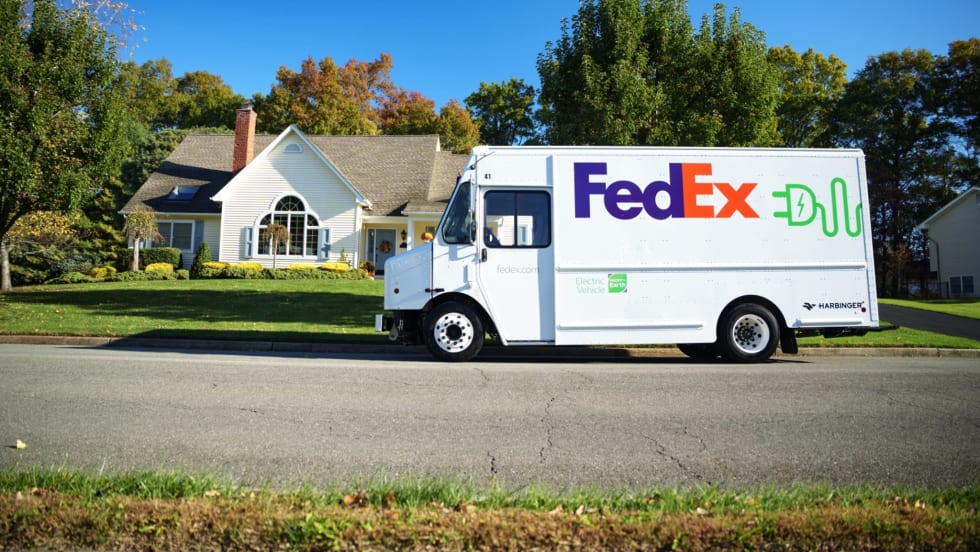
FedEx Orders 2,000 Harbinger Electric Trucks in $300 Million Deal
The Class 5 and 6 electric trucks are planned for delivery by the end of 2027 and will be deployed in FedEx pickup and delivery operations across the U.S. and Canada.
Read More →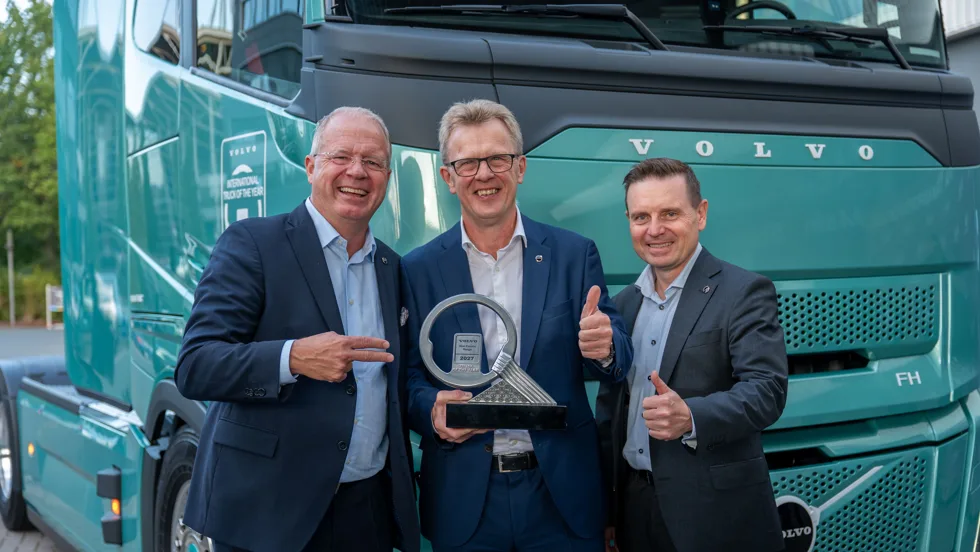
Volvo Trucks’ Electric Range Named International Truck of the Year 2027
The award recognizes Volvo’s global heavy-duty electric lineup, while more than 750 VNR Electric trucks have accumulated nearly 37 million miles in U.S. and Canadian fleet operations.
Read More →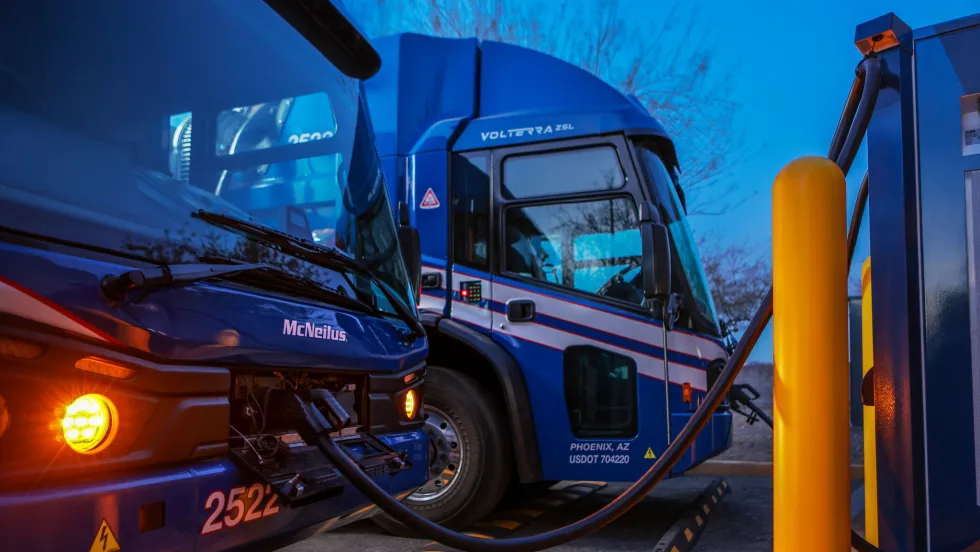
How Republic Services Decides Where Its Next Electric Trucks Can Go
With 250 electric collection trucks now in service, Republic Services is learning that scaling electrification depends less on proving the vehicle and more on whether each site can support what comes next.
Read More →
EV Charging Use Is Outpacing Infrastructure Growth
ChargePoint’s 2026 Charging Forward Report points to rising charger use, higher-powered charging, commercial vehicle electrification, and energy-management technology. Here’s what fleets should know.
Read More →
EV Realty Names Henrik Holland President as Charging Platform Expands
The former Prologis Mobility and Shell executive will help expand EV Realty’s truck charging business and move its power-first infrastructure model into autonomous vehicle depots and other fleet sectors.
Read More →
GreenPower Expands New Mexico EV Pilot With Larger Buses, V2G Testing
After logging more than 17,000 electric miles in the first year, New Mexico’s statewide pilot is moving into its second phase with larger vehicles, continued charging evaluations, and more.
Read More →
Can EV-as-a-Service Help Fleets Scale Electrification?
Sustainability Partners CEO Adam Cain explains how matching EVs, charging infrastructure, and duty cycles can help fleets scale electrification.
Read More →