


Further Reading: Ford F-150 Lightning Pro: An Electric Work Truck Built Ford Tough
Ford Anticipates All-Electric Future in Europe
Ford Motor Co. has selected its Valencia plant in Spain as the one best poised to produce next-gen electric vehicles. It also recommitted to German production with a $2 billion electric vehicle center in Cologne, which will begin production in 2023.

Jordan Wiklund・Former Senior Editor

Ford’s European strategy calls for a robust line-up of electric vehicles, including an electric version of the popular Ford Puma and extending its leadership in the commercial segment with electric Ford Pro vehicles and connected services. By 2026, Ford in Europe plans to sell 600,000 electric vehicles annually.
Photo: Ford Motor Co.
2 min to read
Ford in Europe recently announced another stride toward an all-electric future, confirming that it has chosen its plant in Valencia, Spain, as the preferred site to assemble vehicles based on a next-generation electric vehicle architecture. Pending product approval, the Valencia plant could produce breakthrough electric and connected vehicles beginning later this decade.
Ford is also moving forward with a $2 billion conversion of its Cologne, Germany, operation to begin producing electric passenger vehicles starting in 2023. Ford’s European strategy calls for a robust line-up of electric vehicles, including an electric version of the popular Ford Puma and extending its leadership in the commercial segment with electric Ford Pro vehicles and connected services. By 2026, Ford in Europe plans to sell 600,000 electric vehicles annually.
“We are committed to building a vibrant, sustainable business in Europe as part of our Ford+ plan, and that requires focus and making tough choices,” said Jim Farley, Ford president and CEO. “The European auto industry is extremely competitive, and to thrive and grow we can never settle for less than unbelievably great products, a delightful customer experience, ultra-lean operations and a talented and motivated team.”
Continent-wide electric vehicle sales continue to grow rapidly (up 65% to 2.3 million in 2021) and the European Parliament voted in early July to set new CO2 targets for light-duty vehicles, including a requirement that new sales be 100% zero emission vehicles by 2035.
“We are accelerating our transformation in Europe, reimagining how we do business and building a future where amazing vehicles and relentless focus on customer experience goes hand-in-hand with protecting our planet,” said Stuart Rowley, chair, Ford of Europe and chief transformation & quality officer, Ford Motor Company.
“Bringing our all-new electric vehicle architecture to Valencia will help us build a profitable business in Europe, secure high value employment and increase Ford’s offering of premium electric, high-performance, fully connected vehicles that meet the demand of our European customers.”
Ford Recommits to Germany
Ford also reiterated its commitment to Germany as the headquarters of its European Model e business and the site of its first domestic European electric vehicle production. The state-of-the art Cologne Electrification Centre will start production in late 2023.
“Ford is investing heavily in electric vehicle manufacturing operations in Germany, and we are committed to the country as our headquarters location in Europe,” said Rowley. “We look forward to progressing this work with our partners in Germany and across the whole region. To secure new product in Europe we need winning product designs, outstanding technology and engineering, optimized sourcing and an evolution of our industrial operations to ensure they are fully oriented to an electrified world.”
Originally posted on Automotive Fleet
More Electric Vehicles
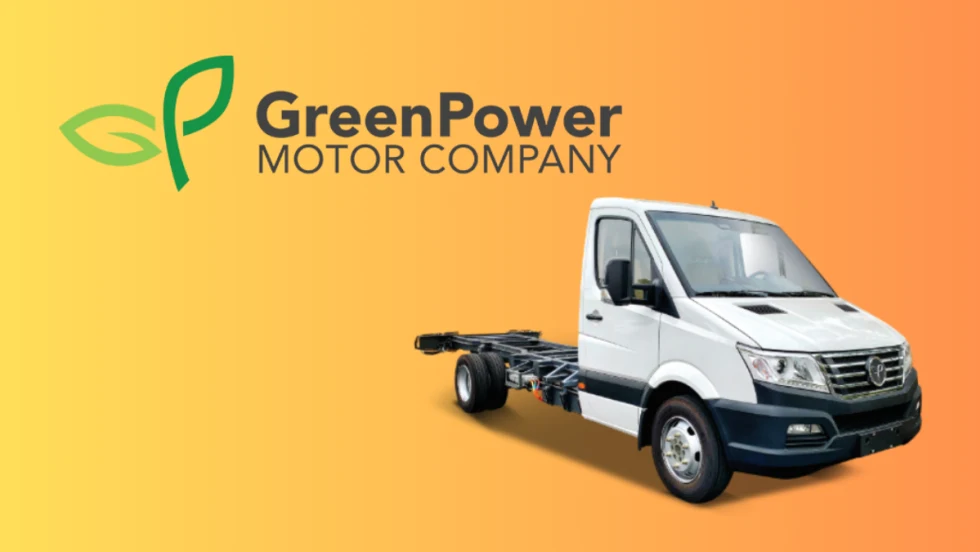
GreenPower Plans 50 Electric Shuttle Buses for Mexico
GreenPower plans to build 50 electric shuttle buses for Mexico using its EV Star Cab & Chassis platform, partnering with local body builders to expand its market reach.
Read More →
Who You Gonna Call? Rivian Turns Electric Vehicles Into Ghostbusters Rides
Rivian teams up with Sony Pictures for a Ghostbusters-inspired Halloween software update, complete with custom sounds, lighting effects, and a special Ecto-R1.
Read More →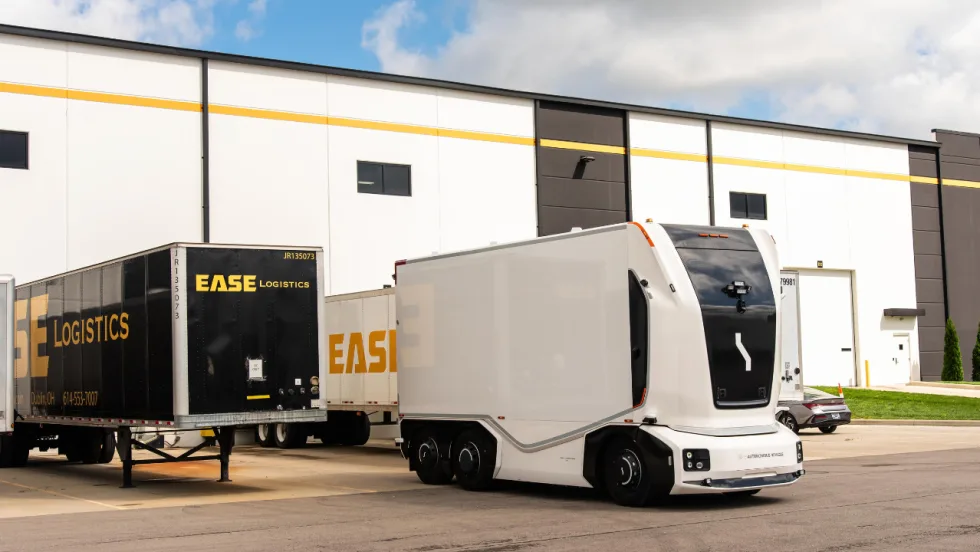
Einride Electric Driverless Trucks Begin Daily Freight Operations in Ohio
Two cabless electric trucks are now moving freight between EASE Logistics facilities, putting autonomous EV technology into daily commercial operations.
Read More →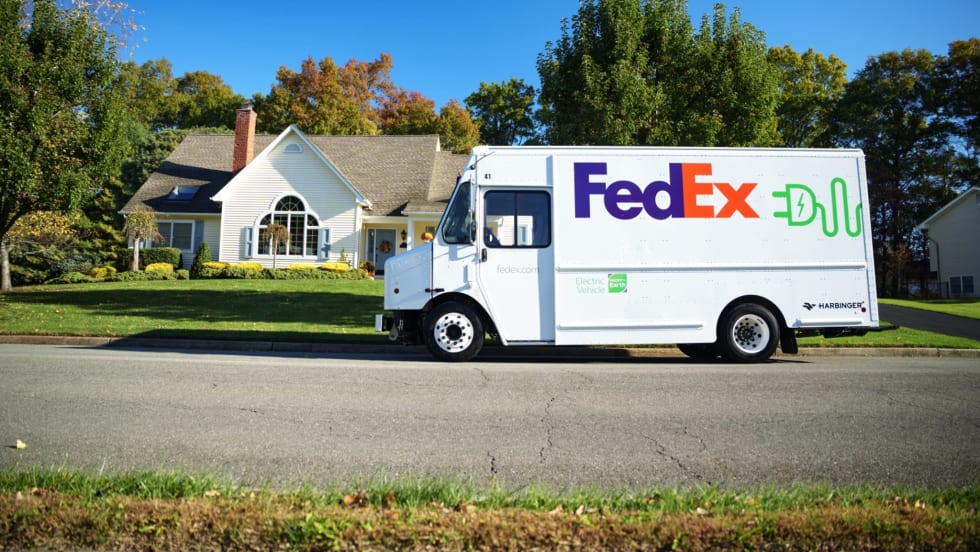
FedEx Orders 2,000 Harbinger Electric Trucks in $300 Million Deal
The Class 5 and 6 electric trucks are planned for delivery by the end of 2027 and will be deployed in FedEx pickup and delivery operations across the U.S. and Canada.
Read More →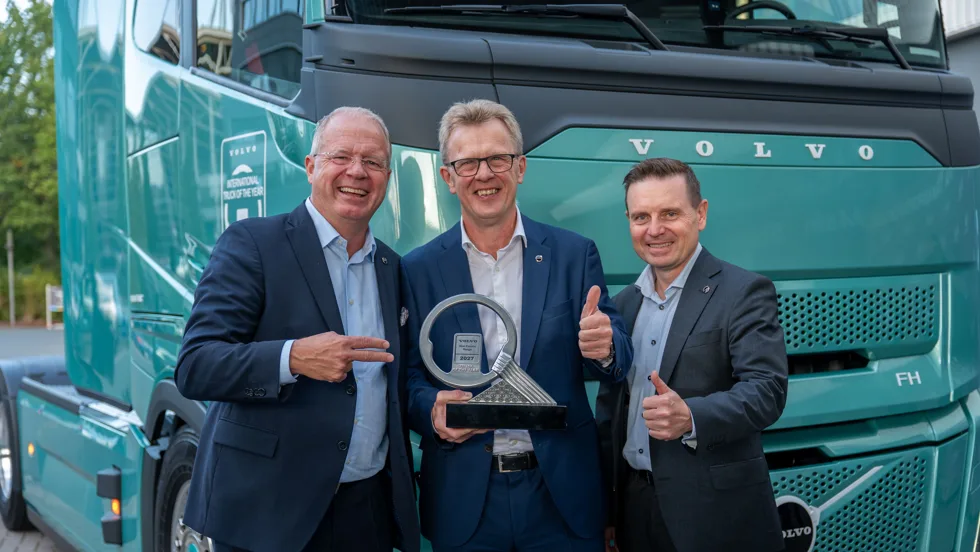
Volvo Trucks’ Electric Range Named International Truck of the Year 2027
The award recognizes Volvo’s global heavy-duty electric lineup, while more than 750 VNR Electric trucks have accumulated nearly 37 million miles in U.S. and Canadian fleet operations.
Read More →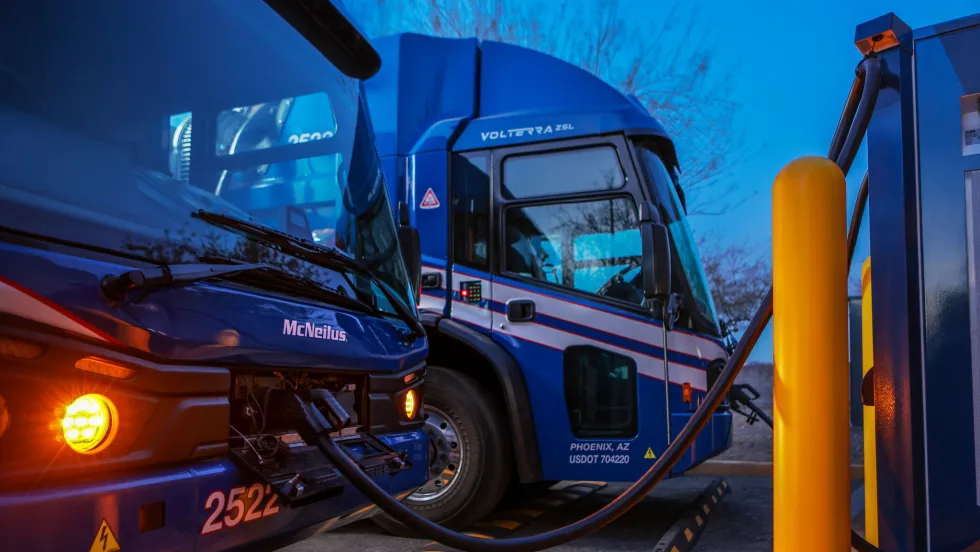
How Republic Services Decides Where Its Next Electric Trucks Can Go
With 250 electric collection trucks now in service, Republic Services is learning that scaling electrification depends less on proving the vehicle and more on whether each site can support what comes next.
Read More →
EV Charging Use Is Outpacing Infrastructure Growth
ChargePoint’s 2026 Charging Forward Report points to rising charger use, higher-powered charging, commercial vehicle electrification, and energy-management technology. Here’s what fleets should know.
Read More →
EV Realty Names Henrik Holland President as Charging Platform Expands
The former Prologis Mobility and Shell executive will help expand EV Realty’s truck charging business and move its power-first infrastructure model into autonomous vehicle depots and other fleet sectors.
Read More →
GreenPower Expands New Mexico EV Pilot With Larger Buses, V2G Testing
After logging more than 17,000 electric miles in the first year, New Mexico’s statewide pilot is moving into its second phase with larger vehicles, continued charging evaluations, and more.
Read More →
Can EV-as-a-Service Help Fleets Scale Electrification?
Sustainability Partners CEO Adam Cain explains how matching EVs, charging infrastructure, and duty cycles can help fleets scale electrification.
Read More →