



More News: Biden Signs Semiconductor Bill
EVs Eligible for $7,500 EV Tax Credit in Inflation Reduction Act
The Inflation Reduction Act changes the availability of electric vehicle tax credits to only those assembled in North America. Several popular EVs — Hyudai Ioniq 5, Kia EV6, and BMW — i4 aren't eligible.
August 19, 2022
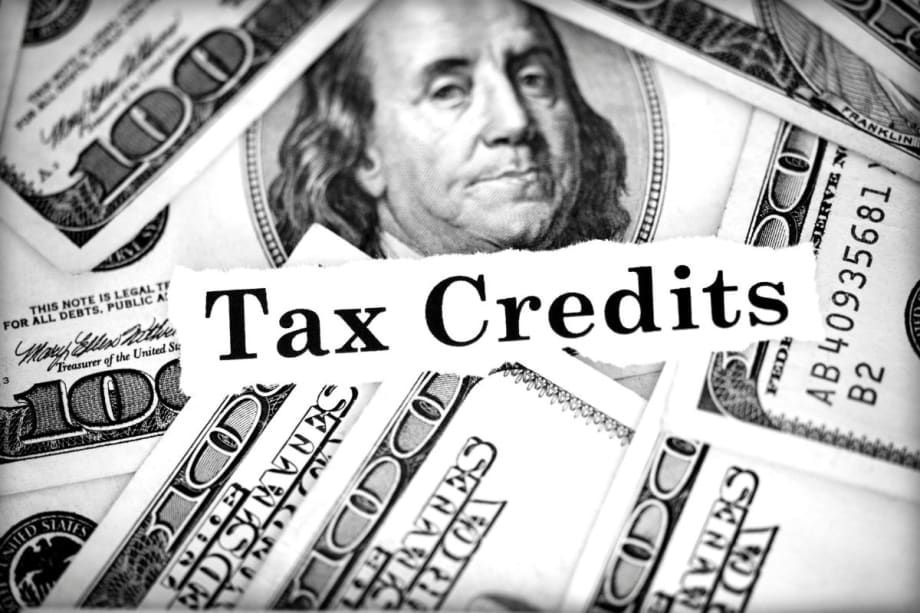
The total amount of the tax credit allowed for an electric vehicle is limited to $7,500.
allowed for an electric vehicle is limited to $7,500.[|CREDIT|]
Photo: Canva
2 min to read
The Inflation Reduction Act of 2022, the major climate bill, went into effect on Aug. 16, adding a new requirement for final assembly in North America. As of now, only EVs assembled in North America qualify for the electric vehicle tax credits.
In the new climate bill, there are several additional provisions that will affect the availability of EV credits; they will go into effect over the coming months and years.
The Department of Energy has provided a list of model year 2022 and early model year 2023 electric vehicles that could meet the final assembly requirements. For some vehicle manufacturers, the build location may vary based on the specific vehicle, trim, or the date in the model year when it was produced; some vehicle models are produced in multiple locations.
To identify the manufacturer location for a specific vehicle, search the vehicle identification number (VIN) of the vehicle on the VIN Decoder website for the National Highway Traffic Safety Administration (NHTSA).
According to the IRS, the total amount of the credit allowed for a vehicle is limited to $7,500. For vehicles acquired after Dec. 31, 2009, the credit is equal to $2,500 plus $417 (for a vehicle that draws propulsion energy from a battery with at least 5 kilowatt hours of capacity). An additional $417 is added for each kilowatt hour of battery capacity beyond 5 kilowatt hours.
Some car manufacturers have already reached a cap of 200,000 EV credits used. That cap is lifted on Jan. 1, 2023, so cars identified as “manufacturer sales cap met” won’t qualify for the electric car tax credit until 2023.
The Department of Energy’s list will most likely change with the EV tax credit’s upcoming provisions or as manufacturers change their production plans.
Learn more in this video with Mike Antich.
Originally posted on Automotive Fleet
More Incentives/Grants

California Governor Approves Instant ZEV Rebates For First-Time Buyers
That instant rebate is the centerpiece of a broader $600 million package Governor Newsom signed into law, keeping California active in the global clean transportation race.
Read More →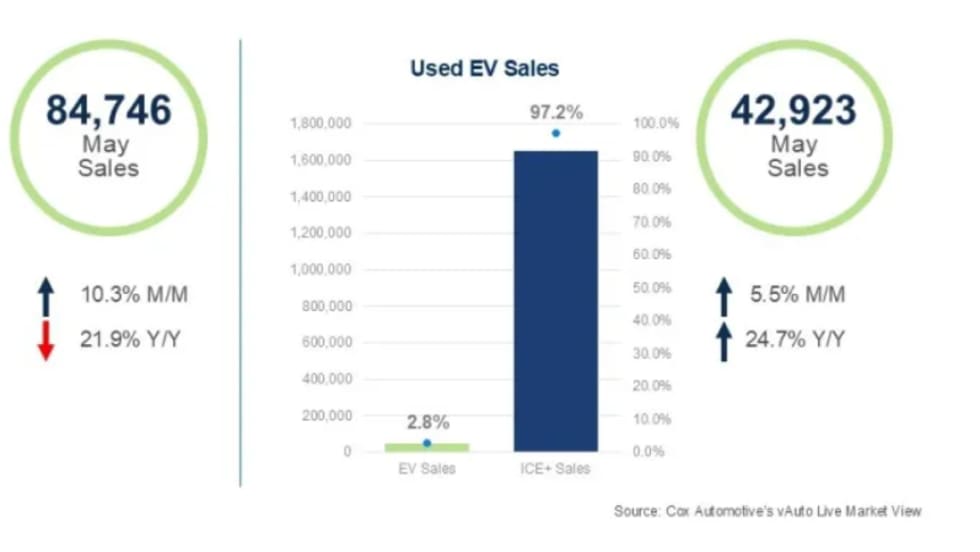
Used EVs Strengthen Overall Electric Vehicle Market
The latest sales data point to several reasons for the divergent trends in new and used EVs that can factor into fleet cycling decisions.
Read More →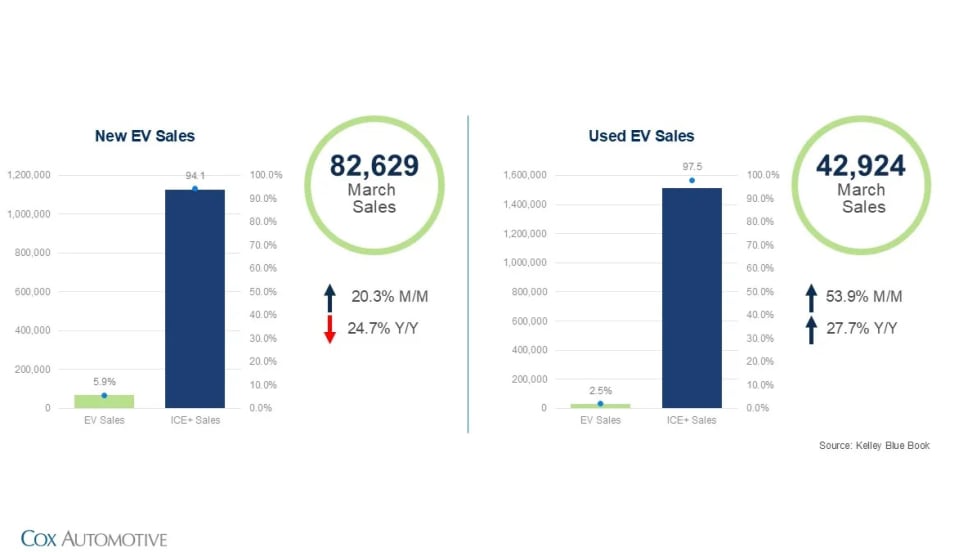
High Gas Prices Spur EV Sales Rebound
EV sales showed strong month-over-month gains and surging used EV demand, while tighter inventory and declining prices narrowed the gap with gas-powered vehicles.
Read More →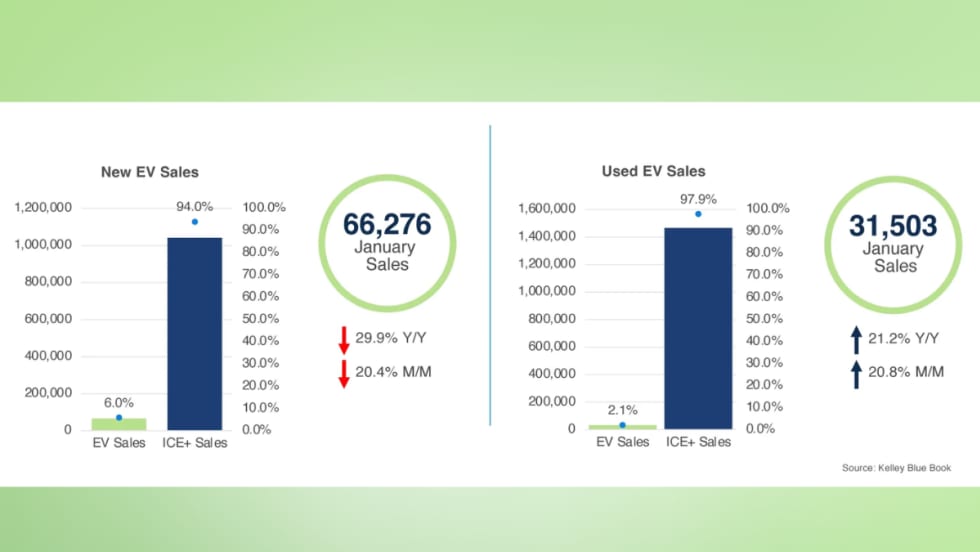
EV Market Resets With Softer Demand, Lower Prices
Near-term EV market performance is expected to remain uneven, while elevated new-vehicle inventory and softer consumer demand may continue to pressure sales and pricing.
Read More →
BBM Launches B2X Rewards, A Gamified Rewards Program For Industry Professionals
Starting Jan. 29, Bobit Business Media's B2B audience readers can earn points for engaging with the content they already trust.
Read More →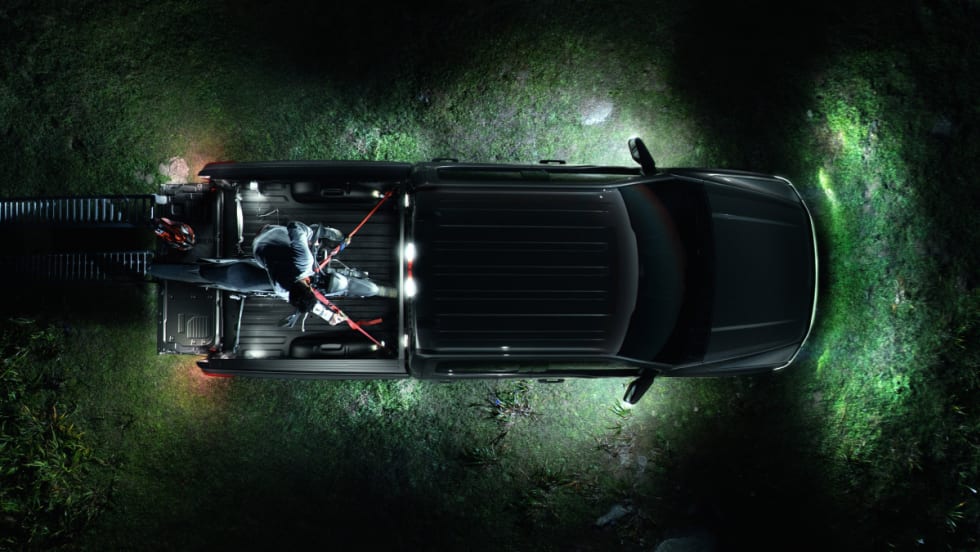
2025 Generated Big Headlines In The EV World
The EV industry entered a new more nuanced phase defined by realities and practical outcomes after a few years of grand visions, media hype, and bold investments.
Read More →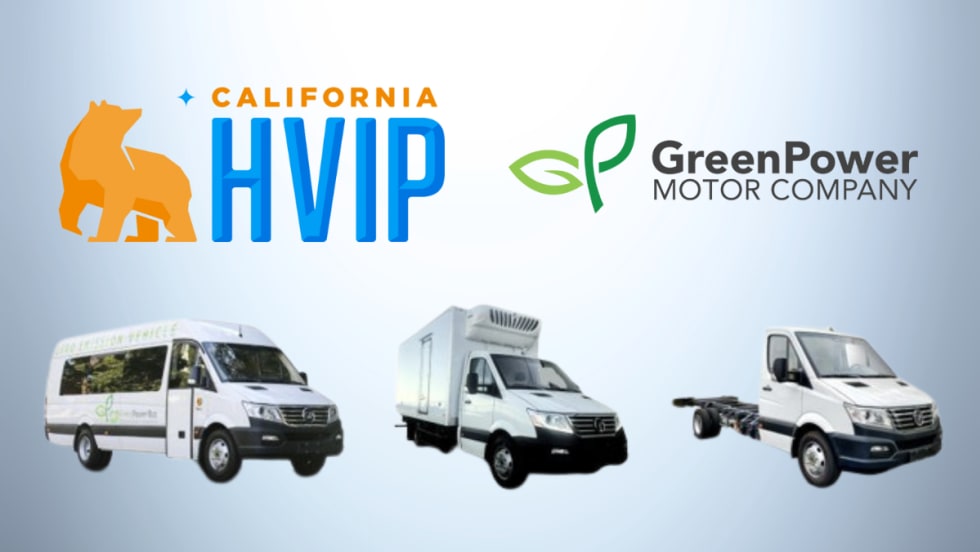
California Truck and Bus EV Incentive Program Reopens
GreenPower’s EV Star lineup is eligible for incentives through California’s Clean Truck and Bus Voucher Incentive Project.
Read More →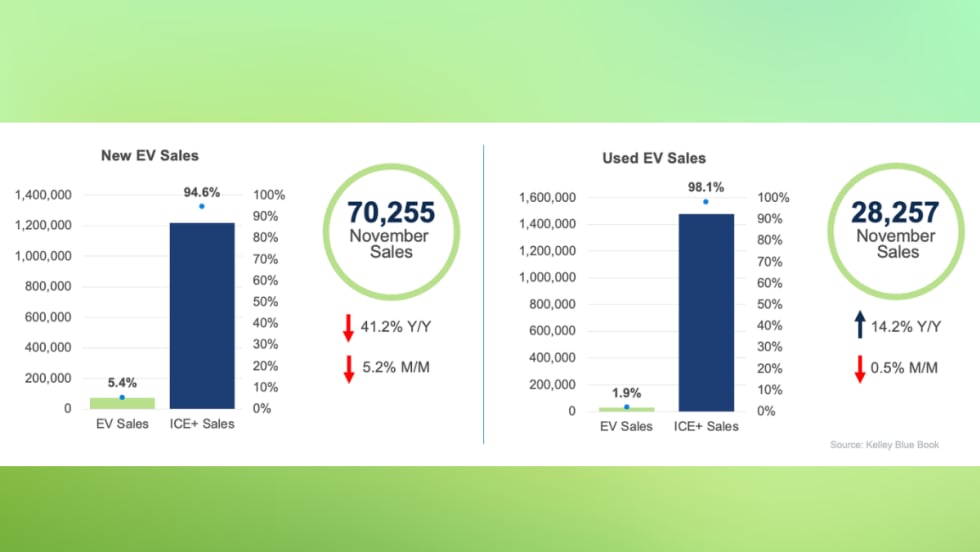
EV Sales, Days' Supply Show Deepening Downturn
November EV data shows sales falling to multi-year lows as inventory builds and pricing softens following the expiration of federal tax credits.
Read More →
Delaware Offers Extended EV Incentive Programs
Delaware continues to offer rebates for qualifying electric vehicle purchases and Level 2 charger installations through April 30, 2026,
Read More →
How Fleets Can Adjust Approaches To EV Adoption
With the expiration of federal incentives, EV success now hinges less on government policy and more on discounts, battery tech progress, increased range, and broader infrastructure.
Read More →