



Learn More: How to Begin Transitioning to Electric Vehicles
ElectraMeccanica Debuts 'Cargo' Version of Flagship Solo EV
The Solo Cargo EV was developed based on direct input from prospective commercial and fleet customers and features a styled expanded cargo box in lieu of the retail version’s traditional hatchback.
September 6, 2021
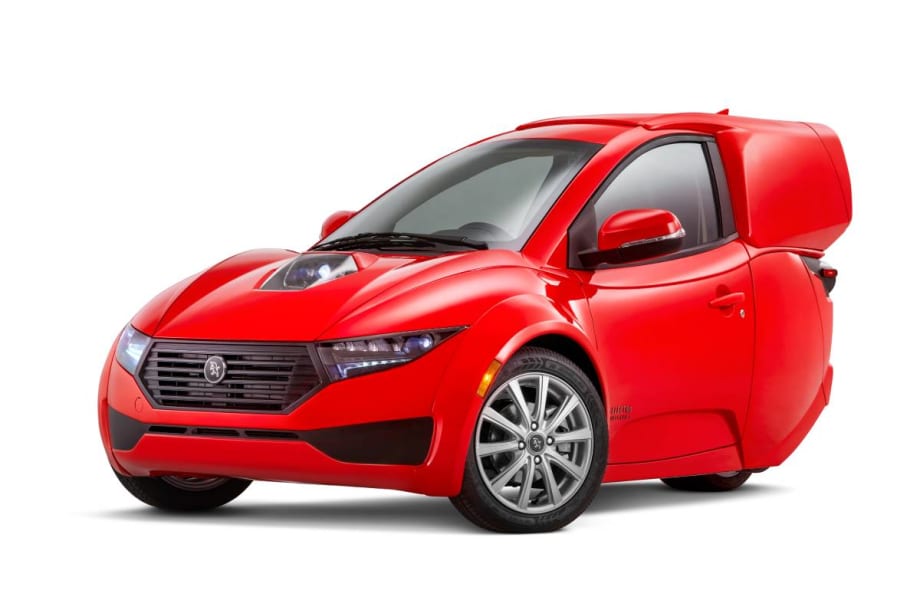
The Solo Cargo EV was developed based on direct input from prospective commercial and fleet customers and features a styled expanded cargo box in lieu of the retail version’s traditional hatchback.
Photo: ElectraMeccanica
2 min to read
ElectraMeccanica, a designer and manufacturer of electric vehicles, announced Aug. 31 the debut of the "cargo" version of its flagship three-wheeled, single-occupant, all-electric Solo Cargo EV.
The Solo Cargo EV was developed based on direct input from prospective commercial and fleet customers and features a styled expanded cargo box in lieu of the retail version’s traditional hatchback.
ElectraMeccanica’s Solo is intended to solve urban driving challenges. Complementing the consumer version, the Solo Cargo EV has been engineered specifically for light commercial fleet and utility applications. The vehicle is designed for single driver applications in urban environments, providing cost savings by virtue of its small three-wheeled footprint compared to standard, four-wheel trucks and vans but still providing a large-enough cargo space to fit a variety of use cases. The Solo utilizes a safe, compact drivetrain, while taking up far less space on the road, offering an ideal solution for delivery of small profile items, tech and repair services, and security patrol. The Solo also qualifies as a motorcycle in most states, allowing for lower registration, insurance, and operating costs, while also allowing for HOV access.
The Solo Cargo EV has been modified to accommodate a wide variety of applications. The vehicle dimensions have been expanded to approximately 8 cu. ft. of cargo space. The vehicle is 53 inches tall and approximately 123 inches long. The interior and exterior wrapping of the Solo Cargo EV can be customizable based on a customer’s needs. Additional third-party up-fitting options are available such as warming and cooling elements for food delivery, strobe lighting and customized lighting for municipalities and security, and locked boxes along with shelves and bins.
Engineered for a single occupant and with a low total cost of ownership, it offers a unique driving experience for the environmentally conscious fleet, utility, and commercial operator. The Solo Cargo EV has a range of 100 miles and a top speed of 80 mph, making it safe for highways. It also features front and rear crumple zones, side impact protection, roll bar, torque-limiting control, as well as power steering, power brakes, air conditioning, and a Bluetooth entertainment system.
Originally posted on Work Truck Online
More Electric Vehicles
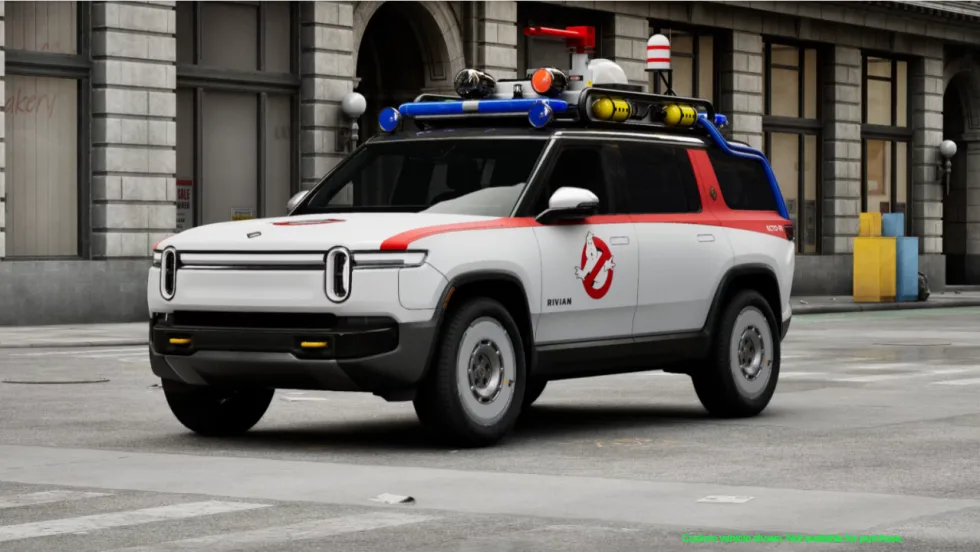
Who You Gonna Call? Rivian Turns Electric Vehicles Into Ghostbusters Rides
Rivian teams up with Sony Pictures for a Ghostbusters-inspired Halloween software update, complete with custom sounds, lighting effects, and a special Ecto-R1.
Read More →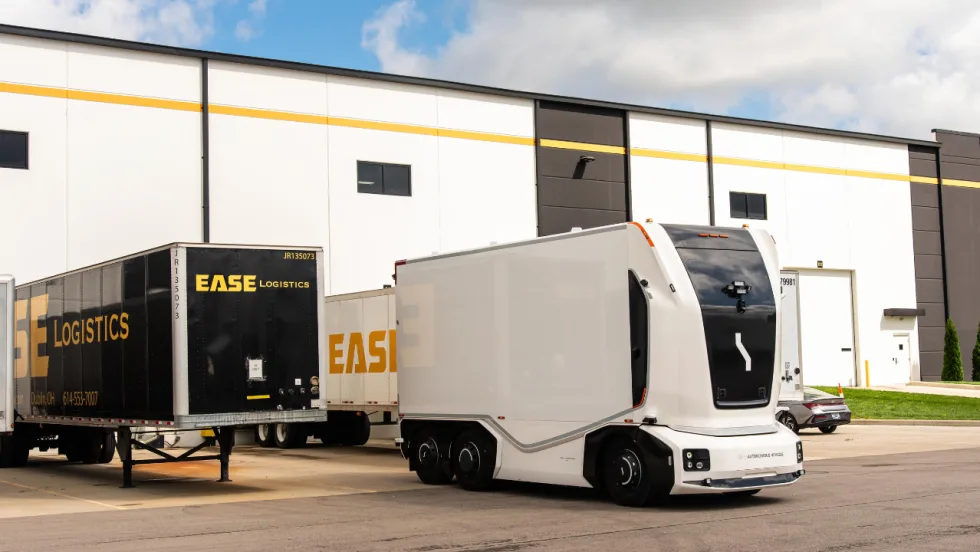
Einride Electric Driverless Trucks Begin Daily Freight Operations in Ohio
Two cabless electric trucks are now moving freight between EASE Logistics facilities, putting autonomous EV technology into daily commercial operations.
Read More →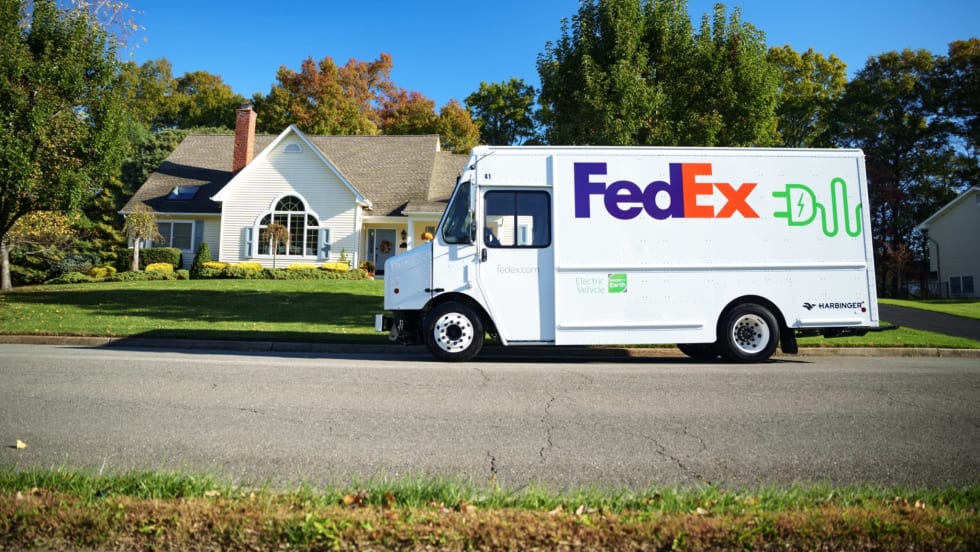
FedEx Orders 2,000 Harbinger Electric Trucks in $300 Million Deal
The Class 5 and 6 electric trucks are planned for delivery by the end of 2027 and will be deployed in FedEx pickup and delivery operations across the U.S. and Canada.
Read More →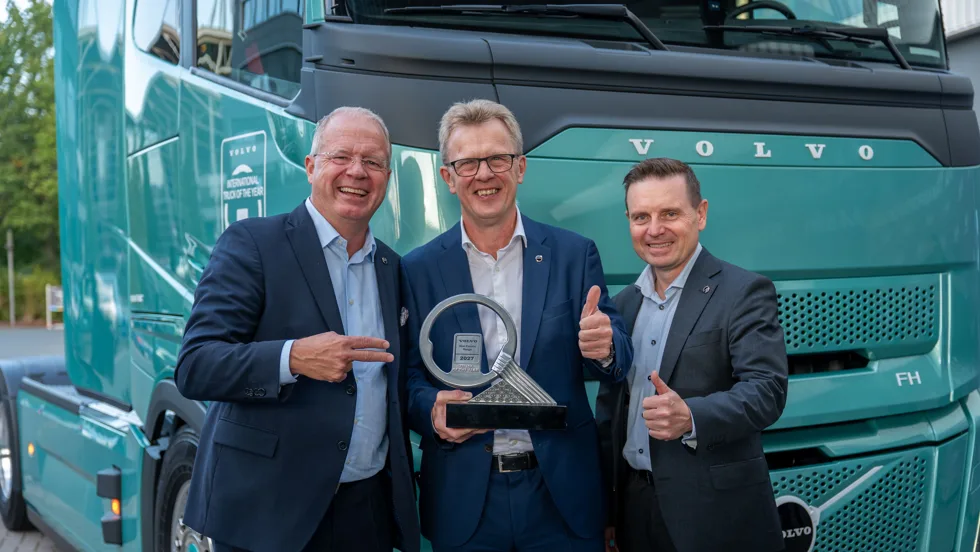
Volvo Trucks’ Electric Range Named International Truck of the Year 2027
The award recognizes Volvo’s global heavy-duty electric lineup, while more than 750 VNR Electric trucks have accumulated nearly 37 million miles in U.S. and Canadian fleet operations.
Read More →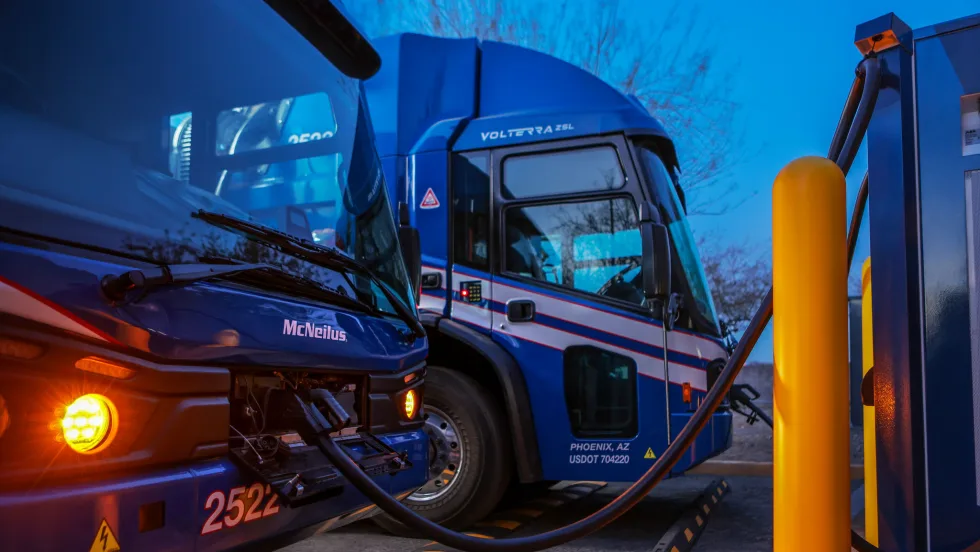
How Republic Services Decides Where Its Next Electric Trucks Can Go
With 250 electric collection trucks now in service, Republic Services is learning that scaling electrification depends less on proving the vehicle and more on whether each site can support what comes next.
Read More →
EV Charging Use Is Outpacing Infrastructure Growth
ChargePoint’s 2026 Charging Forward Report points to rising charger use, higher-powered charging, commercial vehicle electrification, and energy-management technology. Here’s what fleets should know.
Read More →
EV Realty Names Henrik Holland President as Charging Platform Expands
The former Prologis Mobility and Shell executive will help expand EV Realty’s truck charging business and move its power-first infrastructure model into autonomous vehicle depots and other fleet sectors.
Read More →
GreenPower Expands New Mexico EV Pilot With Larger Buses, V2G Testing
After logging more than 17,000 electric miles in the first year, New Mexico’s statewide pilot is moving into its second phase with larger vehicles, continued charging evaluations, and more.
Read More →
Can EV-as-a-Service Help Fleets Scale Electrification?
Sustainability Partners CEO Adam Cain explains how matching EVs, charging infrastructure, and duty cycles can help fleets scale electrification.
Read More →
How EV-as-a-Service Is Moving Fleets Beyond Pilots
Adam Cain, president and CEO of Sustainability Partners, explains how EV-as-a-service can help fleets scale deployments by addressing duty-cycle requirements and charging challenges.
Read More →