



Background News: Rivian To Expand Manufacturing Capacity
Customer Pushback Dislodges a Price Rollback from Rivian
A 20% price increase on its electric pickup truck did not go over well. The company president announces they will return preorder holders back to their original prices.
March 3, 2022
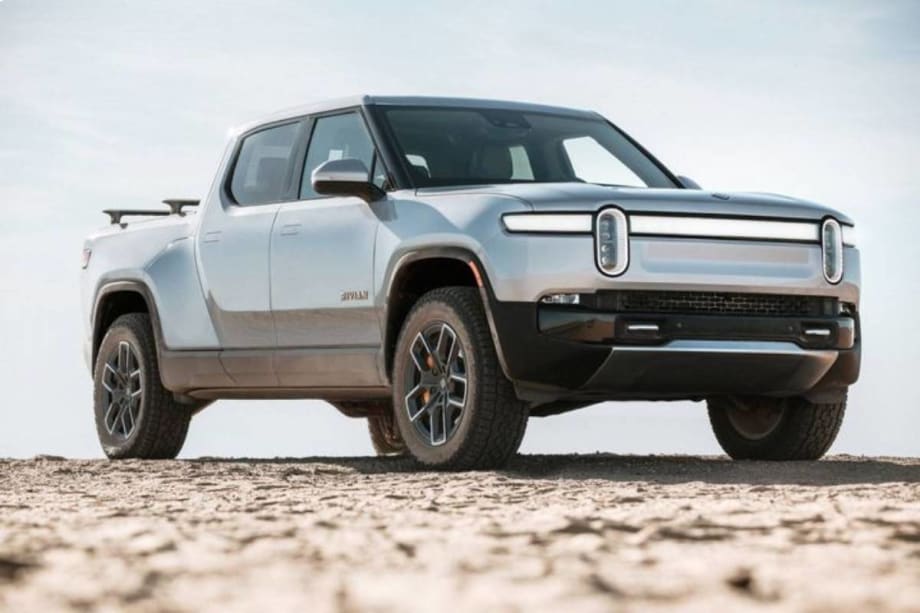
The Rivian R1T all-electric pickup truck would have cost 20% more under a price increase that Rivian later canceled for preorder customers.
Photo: Rivian
3 min to read
Electric pickup truck manufacturer Rivian on March 3 pulled back a steep price increase from customers who had placed pre-orders after many of them contacted the company to complain about the increase.
In a letter sent out on press release newswires, Rivian CEO RJ Scaringe stated the company will honor the original price for anyone with a preorder as of the March 1 price increase announcement. The company also will restore the original price for anyone who canceled their preorder on or after March 1 and wants to reinstate it. Rivian will email customers with more details in coming days.
According to media reports, the base price of the Rivian R1T electric pickup would have risen to about $79,500 from $67,500, while the R1S SUV to $84,500 from $70,000. The 2022 Rivian R1T is the first mass-produced electric truck in the U.S., according to Motor Trend. The vehicle also has a 300-mile estimated range and can be switched to two-wheel drive.
In the letter, Scaringe cited the pressures of rising inflation that have spurred higher costs for the components and materials used to build Rivian models. "Earlier this week, we announced pricing increases that broke the trust we have worked to build with you," he wrote. "Everything from semiconductors to sheet metal to seats has become more expensive and with this we have seen average new vehicle pricing across the U.S. rise more than 30% since 2018."
After intense customer pushback, Rivian canceled the price increase. "In speaking with many of you over the last two days, I fully realize and acknowledge how upset many of you felt," Scaringe wrote. "I have made a lot of mistakes since starting Rivian more than 12 years ago, but this one has been the most painful. I am truly sorry and committed to rebuilding your trust."
As the company figured how to update prices to reflect the cost increases, it "wrongly" decided to apply them to all future deliveries, including pre-existing configured preorders. "We failed to appreciate how you viewed your configuration as price locked, and we wrongly assumed the announced dual-motor and standard battery pack would provide configurations that would deliver price points similar to your original configuration. While this was the logic, it was wrong and we broke your trust in Rivian.
Scaringe closed out his letter asking customers for their continuous feedback. For future pricing, he said the company plans to maintain lower starting prices on its vehicles while balancing those against more costly components.
"One of the things we talk about a lot internally is that we will make mistakes – it’s part of building something complex," Scaringe wrote. "The key is to learn from them and address them when they are made. It is how we grow. We made a mistake in how we approached our pricing changes, and what is important now is that we fix it."
More Electric Vehicles
EV Charging Use Is Outpacing Infrastructure Growth
ChargePoint’s 2026 Charging Forward Report points to rising charger use, higher-powered charging, commercial vehicle electrification, and energy-management technology. Here’s what fleets should know.
Read More →
EV Realty Names Henrik Holland President as Charging Platform Expands
The former Prologis Mobility and Shell executive will help expand EV Realty’s truck charging business and move its power-first infrastructure model into autonomous vehicle depots and other fleet sectors.
Read More →
GreenPower Expands New Mexico EV Pilot With Larger Buses, V2G Testing
After logging more than 17,000 electric miles in the first year, New Mexico’s statewide pilot is moving into its second phase with larger vehicles, continued charging evaluations, and more.
Read More →
Can EV-as-a-Service Help Fleets Scale Electrification?
Sustainability Partners CEO Adam Cain explains how matching EVs, charging infrastructure, and duty cycles can help fleets scale electrification.
Read More →
How EV-as-a-Service Is Moving Fleets Beyond Pilots
Adam Cain, president and CEO of Sustainability Partners, explains how EV-as-a-service can help fleets scale deployments by addressing duty-cycle requirements and charging challenges.
Read More →
PowerFlex, The Mobility House Join Forces to Advance Fleet Electrification
Two EV charging providers are joining forces to deliver a broader portfolio of energy management and fleet electrification solutions.
Read More →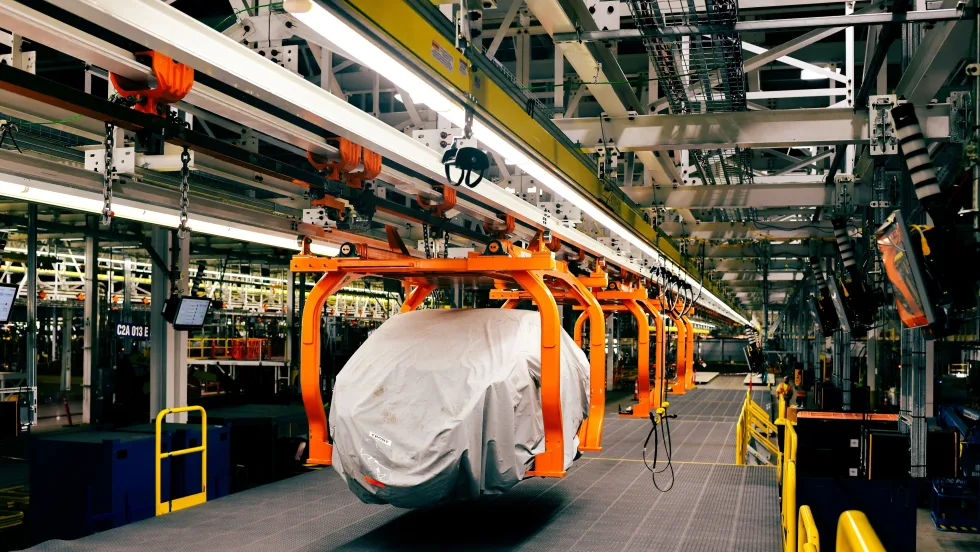
Ford Retools Louisville Plant for Fathom Electric Truck Production
Ford's $2 billion Louisville Assembly Plant overhaul introduces a three-part assembly process for the Fathom midsize electric truck, with production scheduled to begin in 2027.
Read More →
Merchants Fleet Reports 290M EV Miles as Fleets Navigate Changing Electrification Market
From millions in operating savings to hundreds of millions of EV miles, Merchants Fleet’s latest report reveals what’s working and what’s changing in fleet electrification.
Read More →
California District Commits to Electrify 25% of School Bus Fleet by 2028
One of the nation's largest school bus electrification projects to date demonstrates how grants, charging infrastructure, and public-private partnerships can help fleets transition to EVs at scale.
Read More →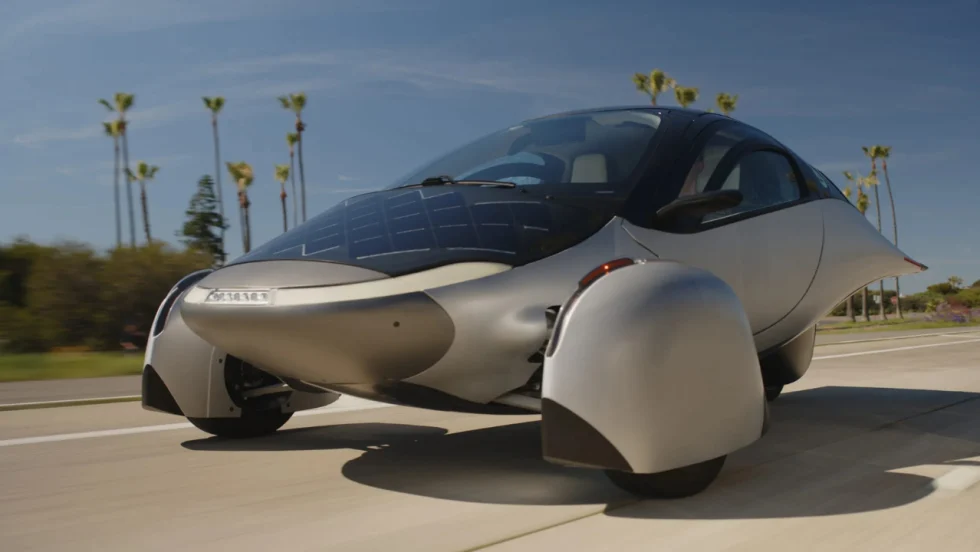
Aptera Orders Bodies and Chassis for Its First 40 Production Vehicles
Aptera Motors Corp. has issued purchase orders for the major structural components of its first 40 vehicles, and body and chassis components are expected to begin arriving in October.
Read More →