


Related item: EV100 Surpasses 100 Members
Corporate Action On Electric Vehicles Doubled In 2020
Companies have already rolled out 169,000 vehicles, up from 80,000 last year. More than half of companies are using 100% renewable electricity for charging.
by Charged Fleet Staff
February 16, 2021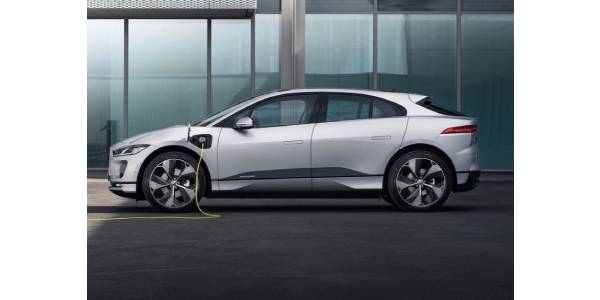
Photo: Blacklane
3 min to read
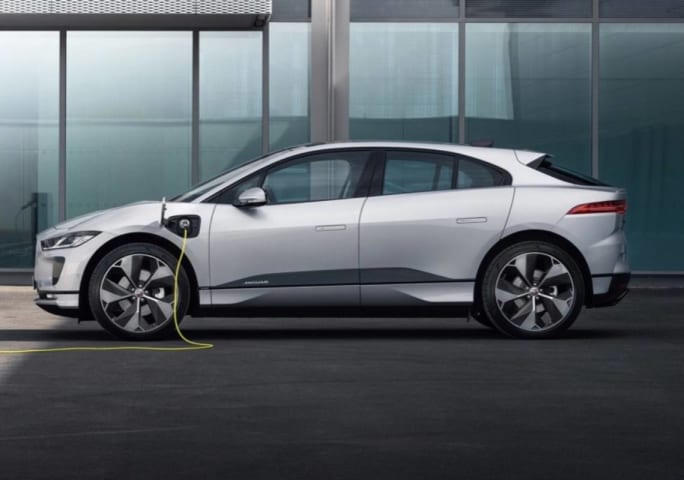
The Jaguar IPACE electric vehicles is an example of the models that appeal to corporations that are electrifying their fleets.
Photo: Blacklane
Major companies have doubled their action on electromobility over the course of a turbulent year, a new report from global non-profit The Climate Group revealed Feb. 16.
In just a year, the number of electric vehicles on the road operated by the large multinationals in the Climate Group’s EV100 initiative has risen to 169,000 vehicles, over twice the number in 2019. The number scheduled to be on the road as part of corporate and leasing company customer fleet commitments by 2030 has risen by 80% to 4.8 million — more than the number of vehicles sold in Germany every year.
The businesses in this initiative are not just changing their fleets. They are using their property portfolios — their offices and stores — to build a network of charging infrastructure that supports their staff and customers alike. There has been a boom in planned charging infrastructure this year: 6,500 locations have been committed to have charging installed, a 103% increase on last year.
There has also been an 84% increase in the number of locations with charging already installed, to nearly 2,100, and the number of individual charge points installed has increased by 79% to nearly 16,900.
These findings come from the Climate Group’s ‘EV100 Progress and Insights Report’ which is based on data from 101 major global businesses such as Siemens, Sky and AstraZeneca, covering 80 markets.
In the U.S. members have deployed over 46,000 vehicles but 69% of companies reported a lack of charging infrastructure as a significant challenge. Despite this, members have installed more charging units in the U.S. than any other country to date. 64% of companies also said that their employees or customers were anxious about the new technology. Lyft made the biggest vehicle related commitment in 2020 by moving to a fully electric platform by 2030; an estimated 2 million vehicles. Other companies leading the way on the transition to electric in the U.S. are Biogen, HP, PG&E, and the Port Authority of New York and New Jersey.
"Corporate uptake of electric vehicles is on a roll,” said Sandra Roling, head of transport at the Climate Group. Despite the uncertainty of 2020, the business community has made remarkable progress in transitioning its fleets. The EV revolution is underway.
“With the UN climate conference COP26 due in Glasgow at the end of the year, 2021 is the year of climate action. We need businesses to lead from the front. Now is the time for every company with a fleet or an employee car scheme to join EV100 and commit to going electric.”
This year, over half of EV100 members say that they have either continued or sped up their progress towards meeting their commitments.
Other key findings:
75 million metric tons CO2e emissions set to be avoided by 2030.
Tackling the climate crisis, reducing air pollution and the reputational benefits. were reported by companies as the main drivers.
Companies cite challenges in procuring electric commercial and heavy-duty vehicles and lack of public charging infrastructure as their biggest obstacles to achieving their commitments.
More Operations
The EV Breakdown Nobody's Talking About: Why Most Electric Vehicle Roadside Calls Aren't Mechanical Failures
Here's why EV breakdowns are widely misunderstood.
Read More →
Xos White Paper Asserts LA Olympics Will Lack Enough EV Chargers
The commercial EV fleet company recommends some faster and more flexible remedies to relieve the anticipated shortfall.
Read More →
ChargePoint, Optimus Expand Fast-Charging Network Across Southeastern U.S.
ChargePoint will serve as the exclusive solutions provider, delivering hardware, software, and services to support Optimus’ growing charging network.
Read More →
Running A Profitable Electric Rental Fleet
How do you successfully operate an all-electric rental car fleet? Whether you manage a rental fleet or another commercial fleet, this conversation offers practical lessons on deploying, operating, and scaling electric vehicles.
Read More →
Registration Opens for 2026 Fleet Forward Conference
Held on the East Coast for the first time, the Washington, D.C.-area event features expert-led education, a new IIHS Crash Test Experience, and collocation with the NAFA’s Fleet Safety Symposium.
Read More →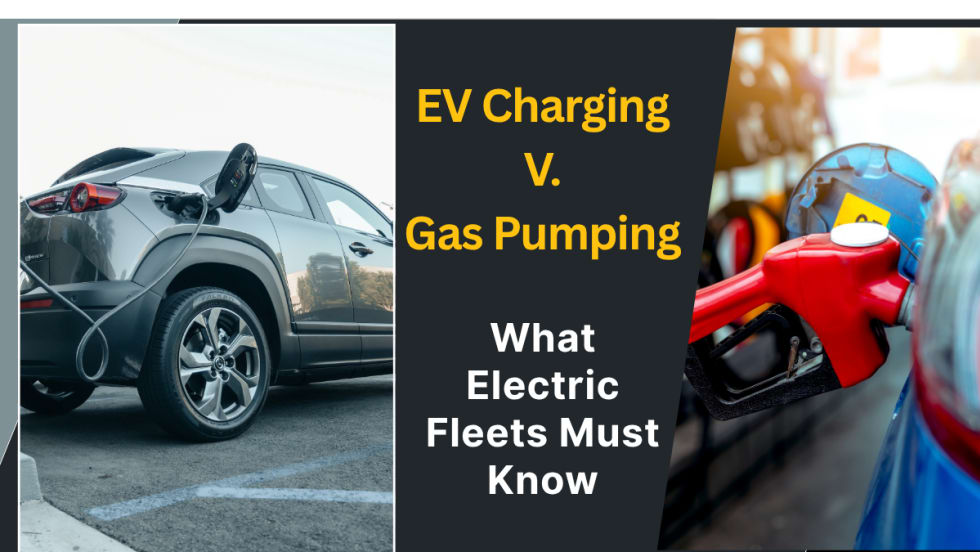
Why Charging May Never Be As Easy As Filling Up Gas
A seamless charge depends on a string of independent companies getting it right together, every time. How can electric fleets navigate the challenges to create a successful charging plan?
Read More →
Slate Debuts Colorful, Unique EV Models
A recent media and client event, studded with electric vehicles dressed up on platforms, planted a new position for the manufacturer in the wider EV market. Fleets will find cost-saving advantages.
Read More →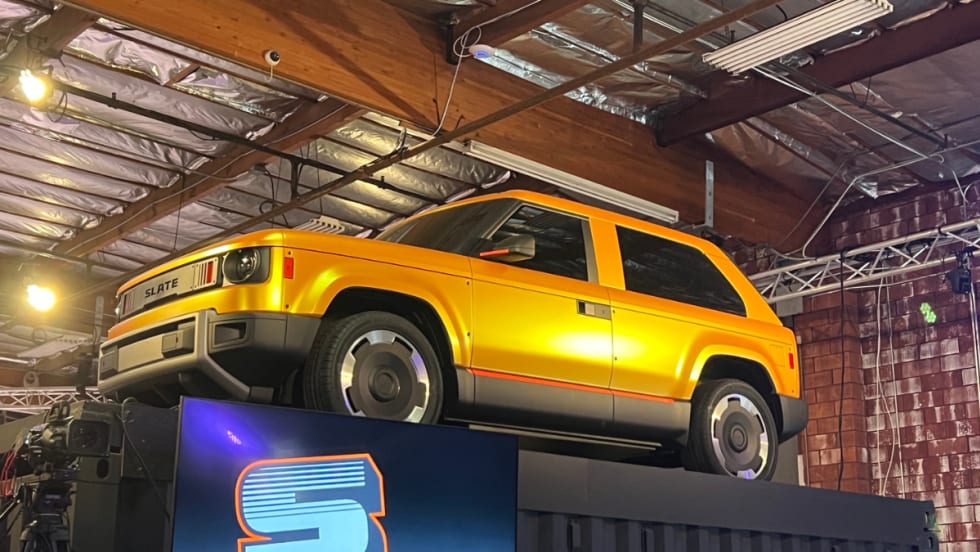
Slate Electric SUV, Pickup Switchable Model Aims For Light-Duty Fleets
Everything about this EV is counterintuitive and understated, making it stand out from the crowd.
Read More →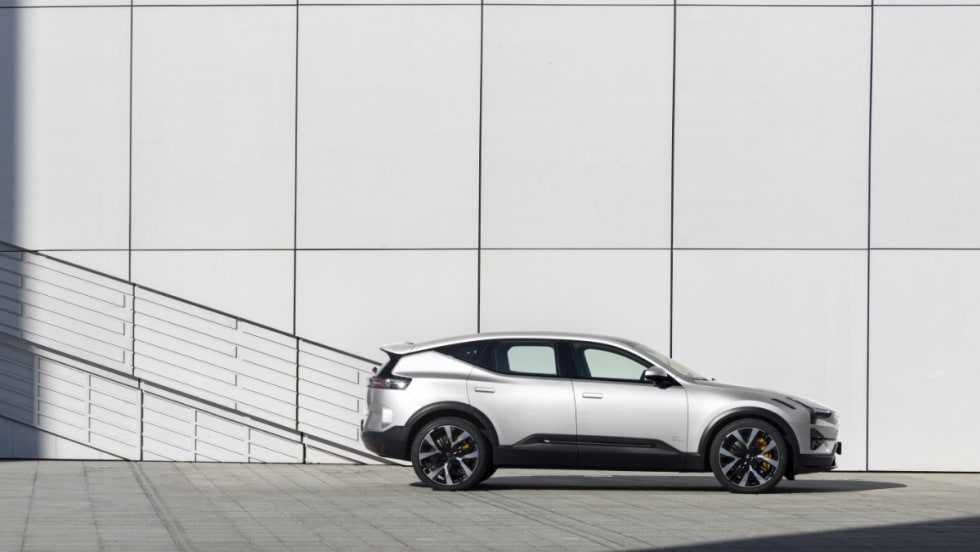
Polestar Barred from U.S. Market Under Connected Vehicle Rule
The automaker loses its authorization to sell new vehicles in the U.S., starting with the 2027 model year. Polestar owners will retain access to the brand's service network.
Read More →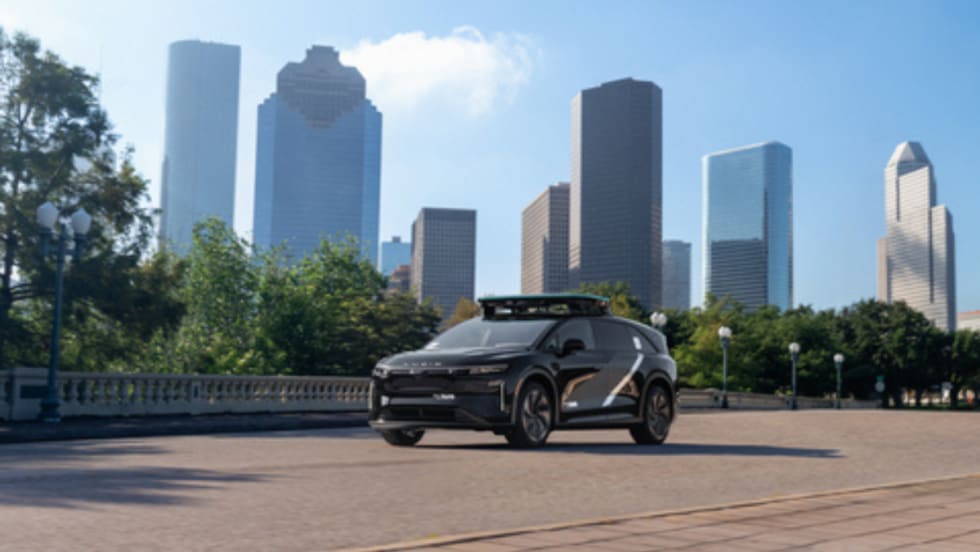
Uber, Nuro and Lucid Plan Houston Robotaxi Service in 2027
The tripartite venture brings out the combined advantages of electric vehicles, mobility, and autonomy into ground transportation.
Read More →