



The Battle of NACS vs CCS: Will There Be a Winner?
BMW, Ford, & Honda to Create a New V2G Company
ChargeScape aims to unlock EV technology through conveniently managed energy services never before possible with gasoline-powered vehicles – benefiting EV customers, electric utilities and automakers.
September 12, 2023

BMW, Ford and Honda agree to create ChargeScape.
Photo: Honda/Ford/BMW
3 min to read
BMW Group, Ford Motor Company, and American Honda Motor announced that they have entered into an agreement to create ChargeScape.
This new equally owned company will create a single, cost-effective platform connecting electric utilities, automakers, and interested electric vehicle customers.
Benefiting both EV customers and the electric utility industry in the U.S. and Canada, ChargeScape will unlock entirely new value that EVs can provide to the electric grid, while enabling EV customers to earn financial benefits through a variety of managed charging and energy-sharing services never before possible with traditional gasoline-powered vehicles.
The closing of the transaction and subsequent formation of ChargeScape is pending regulatory approvals, with the company expected to be operational early next year.
Reaping Rewards From Charging
Leveraging extensive cross-industry collaboration within OVGIP, ChargeScape's unified platform is set to eliminate the need for individual integrations between each automotive brand and electric utility.
This platform will grant electric utilities access to the energy stored in a diverse pool of electric vehicles.
As a result, participating EV owners can potentially reap financial rewards by charging their vehicles during "grid-friendly" hours through adaptable and well-managed schedules.
Furthermore, electric vehicle users will eventually make a substantial impact by sharing their EV battery energy with the grid during peak demand periods through vehicle-to-grid (V2G) applications.
ChargeScape is poised to enable plugged-in EV batteries by securely providing energy data to electric utilities and system operators.
This data can be harnessed for aggregated demand response, aligning EV charging and battery use with off-peak, cost-effective time frames, and maximizing renewable energy sources.
Given the efficient integration with participating automakers and the expected high enrollment of EV customers, these energy services are anticipated to be cost-effective operational advantages for electric utilities.
Transformational Opportunity for EV Customers and Electric Utilities
This project's inception coincides with the rapid surge in electric vehicle sales and infrastructure expansion, presenting fresh opportunities to tackle challenges the electric grid faces.
The growing number of electric vehicles on the road translates into heightened demand for electricity for charging, placing additional stress on utility providers.
ChargeScape in response, is dedicated to offering energy management solutions that bolster grid resilience and also anticipates the future potential of vehicle-to-grid (V2G) capabilities, delivering advantages for electric vehicle owners and utilities.
ChargeScape’s initiatives will help diminish the carbon footprint of EV owners by harnessing electricity sourced from increasingly available renewable energy sources like wind and solar.
While achieving seamless integration between electric vehicle owners and utility services will be paramount for effective energy management, it is worth noting that participating EV owners will always retain control over their charging and energy-related decisions.
Benefits of Working Together
ChargeScape, along with the work done to date through OVGIP, will bring managed charging benefits to more EV customers and can eliminate marketing and outreach costs for utilities trying to reach their customer bases.
BMW Group, Ford Motor Company, and American Honda have direct, multi-channel communication with their EV customers, solving a central problem for utilities that typically do not know or have an easy and cost-effective way to identify the EV customers in their service territory.
By leveraging automaker telematics, ChargeScape intends to provide managed charge scheduling through vehicle connectivity without requiring Wi-Fi-enabled charging stations.
This will support the many EV customers who do not use “smart" chargers at home, as their EVs would otherwise be unreachable for grid services.
The three founding members welcome other automakers to join in and fully unlock opportunities provided by ChargeScape's grid service offerings once the company is fully operational.
Originally posted on Automotive Fleet
More Electric Vehicles

EV Charging Use Is Outpacing Infrastructure Growth
ChargePoint’s 2026 Charging Forward Report points to rising charger use, higher-powered charging, commercial vehicle electrification, and energy-management technology. Here’s what fleets should know.
Read More →
EV Realty Names Henrik Holland President as Charging Platform Expands
The former Prologis Mobility and Shell executive will help expand EV Realty’s truck charging business and move its power-first infrastructure model into autonomous vehicle depots and other fleet sectors.
Read More →
GreenPower Expands New Mexico EV Pilot With Larger Buses, V2G Testing
After logging more than 17,000 electric miles in the first year, New Mexico’s statewide pilot is moving into its second phase with larger vehicles, continued charging evaluations, and more.
Read More →
Can EV-as-a-Service Help Fleets Scale Electrification?
Sustainability Partners CEO Adam Cain explains how matching EVs, charging infrastructure, and duty cycles can help fleets scale electrification.
Read More →
How EV-as-a-Service Is Moving Fleets Beyond Pilots
Adam Cain, president and CEO of Sustainability Partners, explains how EV-as-a-service can help fleets scale deployments by addressing duty-cycle requirements and charging challenges.
Read More →
PowerFlex, The Mobility House Join Forces to Advance Fleet Electrification
Two EV charging providers are joining forces to deliver a broader portfolio of energy management and fleet electrification solutions.
Read More →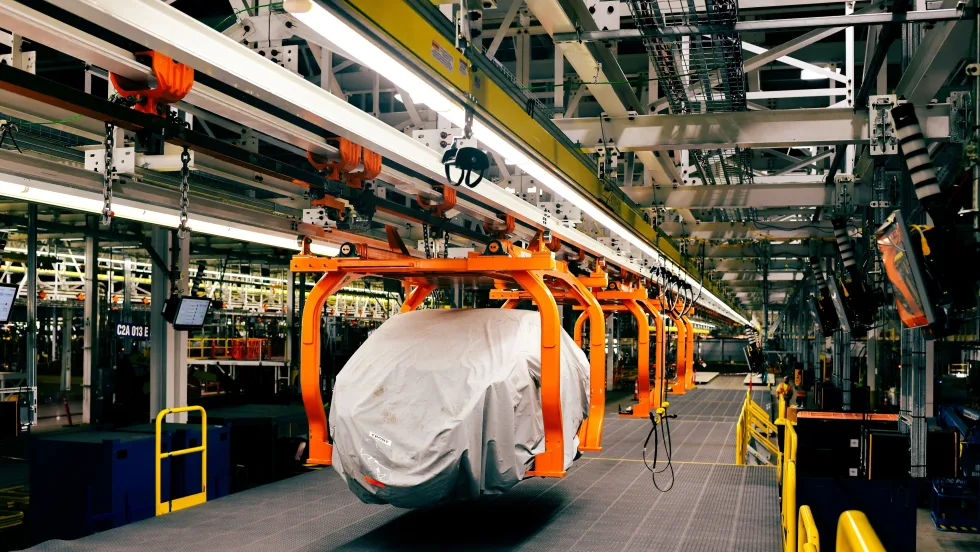
Ford Retools Louisville Plant for Fathom Electric Truck Production
Ford's $2 billion Louisville Assembly Plant overhaul introduces a three-part assembly process for the Fathom midsize electric truck, with production scheduled to begin in 2027.
Read More →
Merchants Fleet Reports 290M EV Miles as Fleets Navigate Changing Electrification Market
From millions in operating savings to hundreds of millions of EV miles, Merchants Fleet’s latest report reveals what’s working and what’s changing in fleet electrification.
Read More →
California District Commits to Electrify 25% of School Bus Fleet by 2028
One of the nation's largest school bus electrification projects to date demonstrates how grants, charging infrastructure, and public-private partnerships can help fleets transition to EVs at scale.
Read More →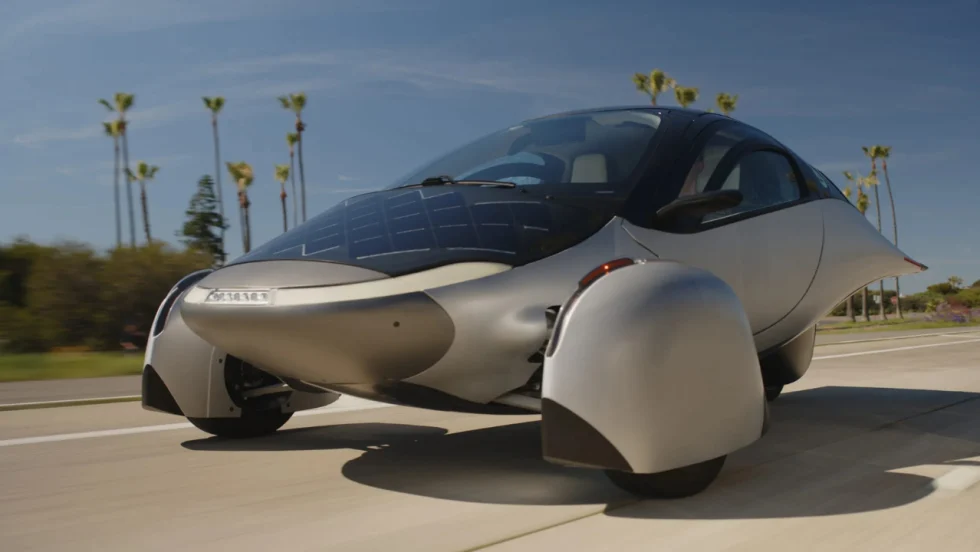
Aptera Orders Bodies and Chassis for Its First 40 Production Vehicles
Aptera Motors Corp. has issued purchase orders for the major structural components of its first 40 vehicles, and body and chassis components are expected to begin arriving in October.
Read More →