


2021 Mirai Gains 30% More Range
Improvements to the sedan's fuel cell system and larger hydrogen storage has moved the targeted range of Toyota's Mirai to more than 400 miles.

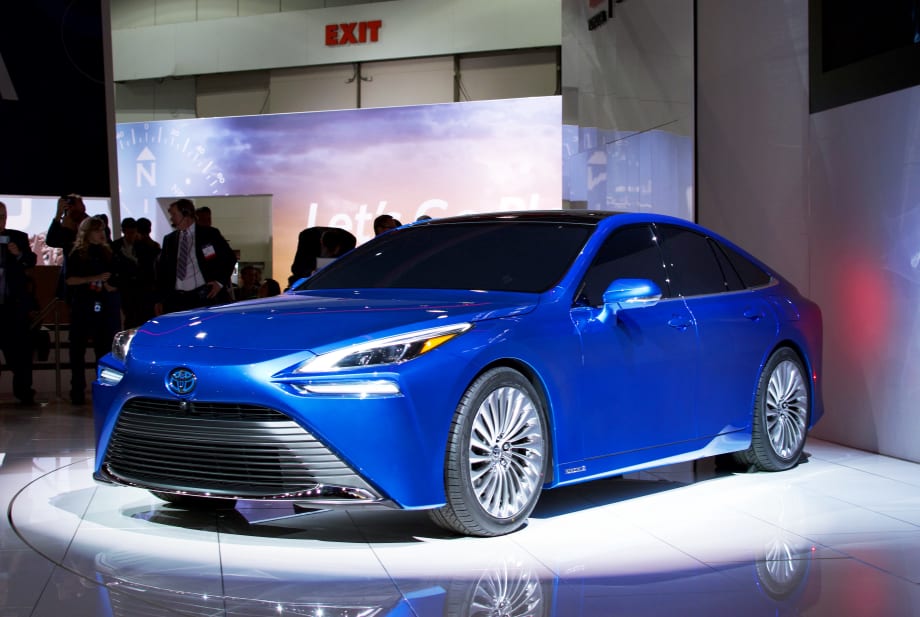
Further sales of hydrogen vehicles will rely on the Toyota’s broader education of the technology to the public, Jackie Birdsall, Toyota senior fuel cell engineer said.
Photo by Eric Gandarilla.
The 2021 Toyota Mirai will gain nearly 30% more range over last year’s model, the company announced.
Improvements to the sedan's fuel cell system and larger hydrogen storage has moved the Mirai's targeted range to more than 400 miles.
“We are committed to fuel cell electric vehicles as an elegantly sustainable powertrain, because it’s a clean, scalable platform that can meet a broad range of mobility needs with zero emissions,” said Jackie Birdsall, Toyota senior fuel cell engineer. “In fact, I believe that hydrogen-powered FCEVs will one day be as common as our hybrids. Toyota began developing this technology at the same time as hybrid-electric, though the first fuel cell didn’t hit the road until Mirai debuted in 2015.
Since 2015, Toyota has sold about 6,000 Mirai sedans in the U.S.
Birdsall acknowledged that small sales numbers like that may lead to some asking whether the company should continue investing in the technology. Toyota believes that it should, she noted.
Further sales of hydrogen vehicles will rely on the Toyota’s broader education of the technology to the public, Birdsall said. Sales growth of the product will also be dependent on the development of hydrogen fueling infrastructure.
Most cities in the U.S. do not have hydrogen infrastructure in place, so Toyota is working with governments in regions across the U.S. to educate them on why building hydrogen infrastructure is so important, Birdsall added.
California, the state where most Mirais have been sold, happens to have 38 hydrogen fueling stations.
Originally posted on Automotive Fleet
More Vehicle Research
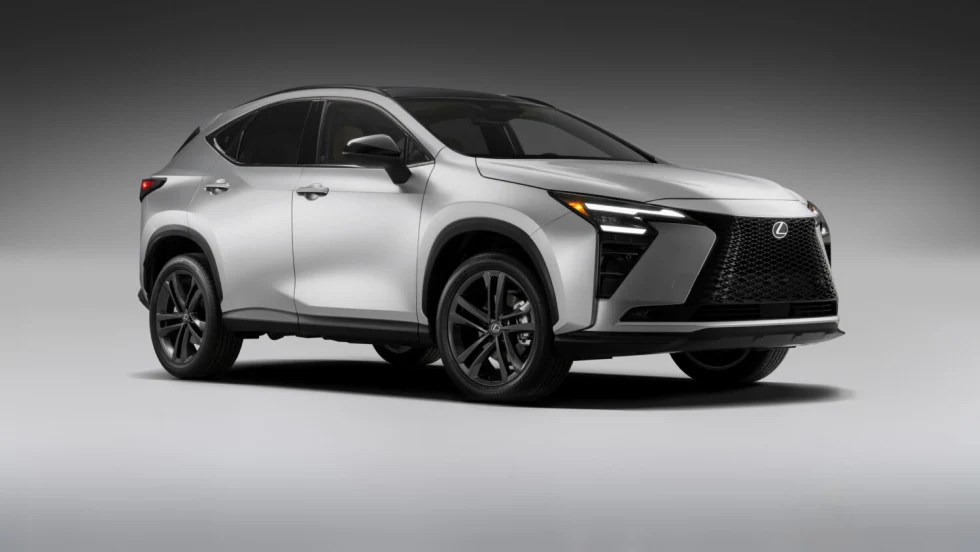
2027 Lexus NX Moves to Fully Electrified Lineup
For 2027, the NX moves to an entirely electrified lineup, with either hybrid or plug-in hybrid powertrains.
Read More →
2027 Mitsubishi Eclipse Sportback Named Green SUV of the Year
Green Car Journal recognized Mitsubishi’s new battery-electric crossover, which offers NACS compatibility and DC fast charging at up to 150 kW.
Read More →
Dave Carroll Named President of Ford Energy
Carroll succeeds Lisa Drake, who will remain with Ford through Dec. 31 to support the leadership transition.
Read More →
City of Long Beach Named No. 1 Green Fleet of 2026
NAFA's 2026 Green Fleet Awards recognized fleets for sustainability efforts spanning alternative fuels, technology, facilities, workplace culture and fleet operations.
Read More →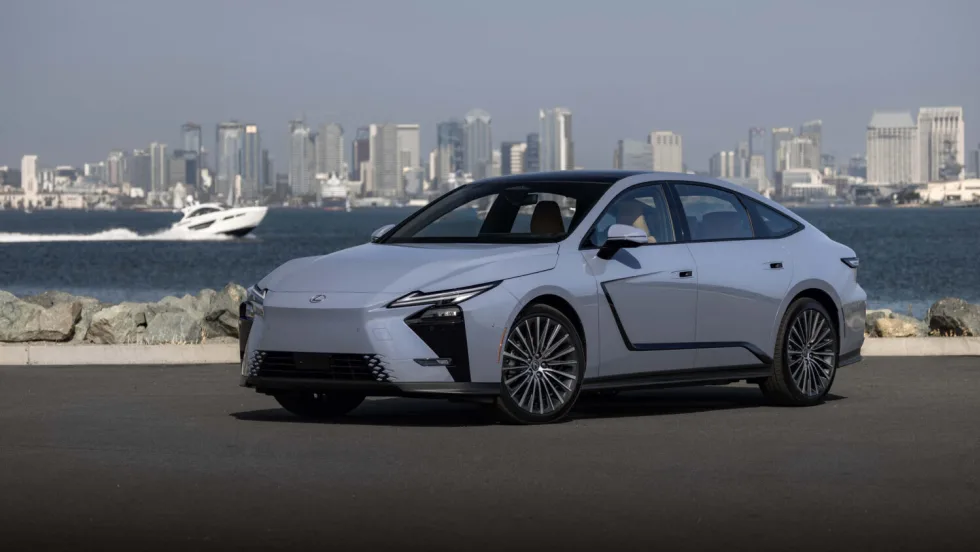
2027 Lexus ES Adds First Battery-Electric Models
The ES 350e and ES 500e join the hybrid ES lineup with up to 338 hp, an EPA-estimated 307 miles of range and standard NACS charging capability.
Read More →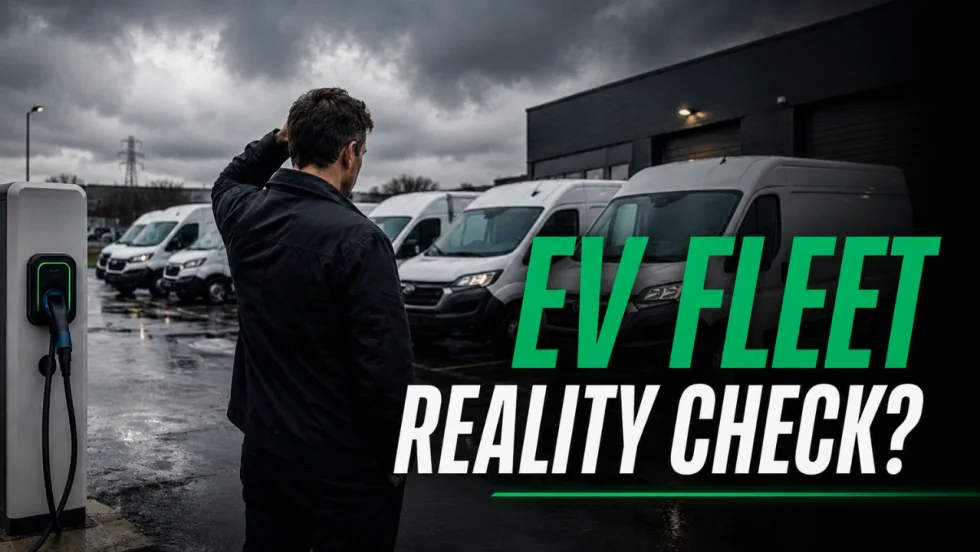
EV Fleet Reality Check: What Operators Wish They Knew Before Electrifying Their Work Vans
Electric work truck upfits bring new compatibility questions. Learn how parts availability, OEM guidance, power demands, and route planning can affect fleet performance.
Read More →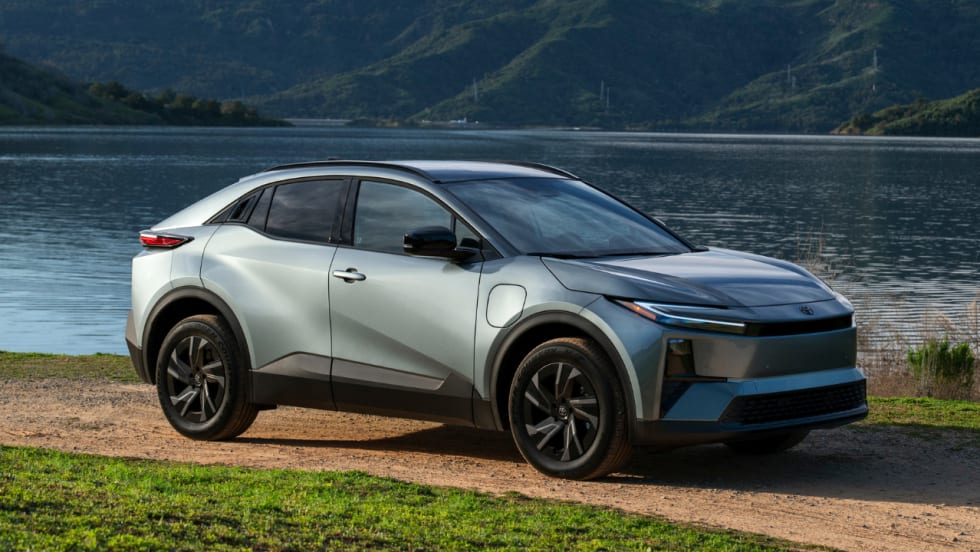
2027 Toyota C-HR Offers 287-Mile Range and Standard AWD
Toyota’s 2027 C-HR brings 287 miles of estimated range, standard all-wheel drive, and NACS fast-charging capability to the compact EV market. See what its mix of performance, cargo space, and everyday technology could offer business users.
Read More →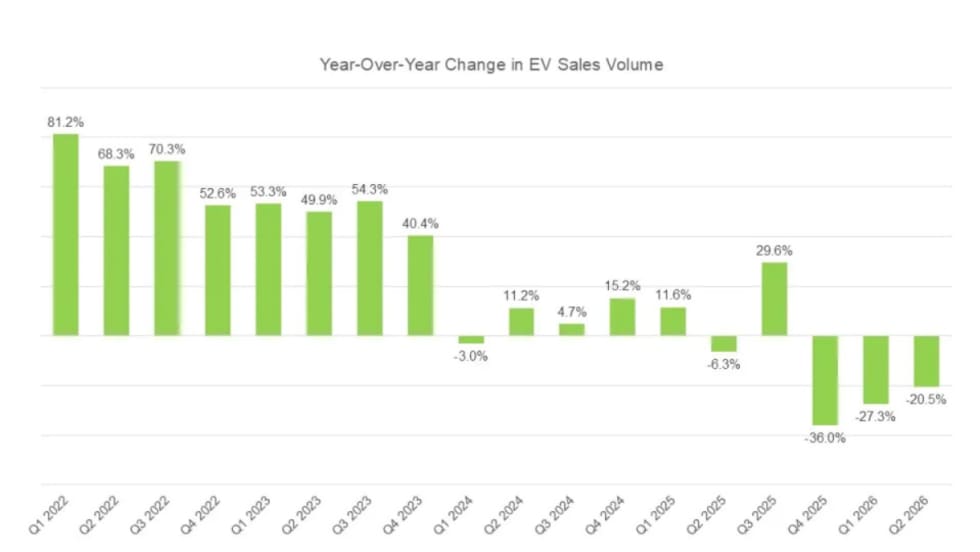
New Vehicle Models Stabilize Electrified Market In Q2
But more credit goes to hybrids than to all-electric vehicles, as more buyers look for fuel-efficient alternatives amid high gas prices.
Read More →
Slate Debuts Colorful, Unique EV Models
A recent media and client event, studded with electric vehicles dressed up on platforms, planted a new position for the manufacturer in the wider EV market. Fleets will find cost-saving advantages.
Read More →
Slate Electric SUV, Pickup Switchable Model Aims For Light-Duty Fleets
Everything about this EV is counterintuitive and understated, making it stand out from the crowd.
Read More →