


UPS Goes Green with Workhorse
The all-new hybrid-electric delivery vehicle will deliver 400 percent of the fuel economy of a comparable gasoline-powered vehicle, and features the truckmaker’s E-GEN technology.

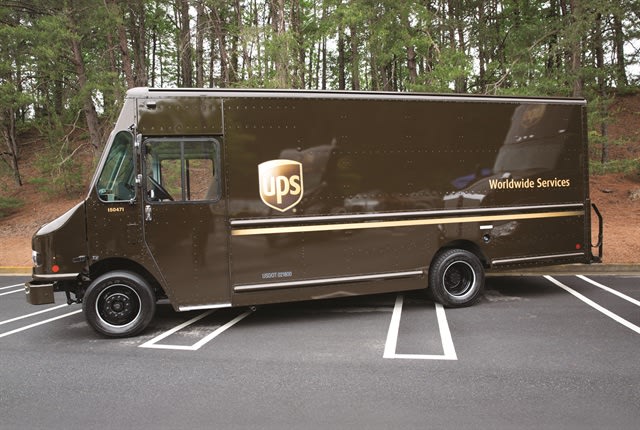
Photo courtesy of Workhorse
UPS purchased 125 new technology hybrid-electric delivery trucks manufactured by Workhorse Group Inc., as part of a broader program to deploy electric-powered vehicles with greater range and performance.
UPS was looking to utilize advanced technologies to reduce the environmental impact of its fleet, according to Workhorse.
“UPS was specifically interested in vehicles that could offer significant fuel economy gains compared to gasoline-powered vehicles. Workhorse’s hybrid-electric delivery trucks can deliver up to 400 percent of the fuel economy of a gasoline-powered vehicle, compared to a 10- to 15-percent improvement with previous hybrid designs,” according to Steve Burns, CEO of Workhorse Group.
The trucks will be deployed in Arizona, Texas, Nevada, Mississippi, Alabama, Georgia, and Florida the first half of 2016.
The all-new Workhorse truck is a 16,000- to 19,500-pound GVWR hybrid-electric delivery vehicle, featuring a choice of wheelbases from 157 to 208 inches and features the truckmaker’s new narrow-track W-88 chassis with E-GEN drivetrain. Two 30kWh battery packs provide power to the TM4 Sumo Electric motor/generator, built with nearly 6,000 Panasonic lithium-ion cells — the same type of cells used in Tesla’s electric cars.
The truck is patent-pending and Environmental Protection Agency (EPA) approved and, according to Workhorse, is powerful enough to eliminate the need for a transmission.
Also, if the battery state of charge falls below a predetermined level and the vehicle is in “park,” a 2.4L internal combustion engine (ICE) automatically turns on and powers the motor to recharge the battery to its required level. The benefit: there is no need for drivers to look for the nearest recharging station while making deliveries — none is needed.
Additionally, one of the added perks of the new hybrid-electric trucks is the fact that they come direct from the OEM, with no additional upfitting required, adding no additional order-to-delivery time.
“These vehicles are a bridge to the delivery trucks of tomorrow,” said Mark Wallace, senior vice president, global engineering and sustainability at UPS. “This investment will help create and grow the market for ground-breaking alternative propulsion systems that reduce environmental impact, reduce operating costs and save fuel.”
The trucks were designed specifically to meet the stop and start needs of UPS’s urban delivery routes, along with the 2.4L ICE and lithium-ion battery to deliver a 50- to 60-mile-per-day range.
The parcel delivery company is also collaborating with Workhorse to develop a more intelligent electric vehicle to determine when and where the batteries will be charged and re-charged. The initiative is part of UPS’s Rolling Laboratory, a cutting-edge approach to optimizing the use of alternative fuel and advanced technology vehicles.
According to Burns of Workhorse Group, “We are committed to finding the best solutions for both energy efficiency and emissions, and we believe our electric trucks can be part of the answer. If we can help UPS and other delivery companies reduce their fuel costs while maintaining their service, we’ve done our job. We are thrilled to work with UPS to develop and deliver innovative solutions to today’s transportation challenges.”
Originally posted on Automotive Fleet
More Suppliers
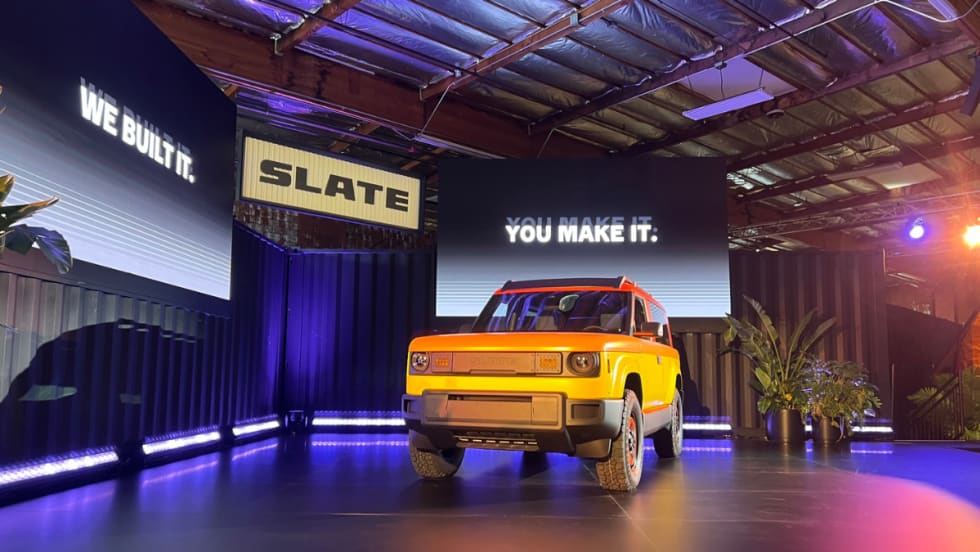
Slate Debuts Colorful, Unique EV Models
A recent media and client event, studded with electric vehicles dressed up on platforms, planted a new position for the manufacturer in the wider EV market. Fleets will find cost-saving advantages.
Read More →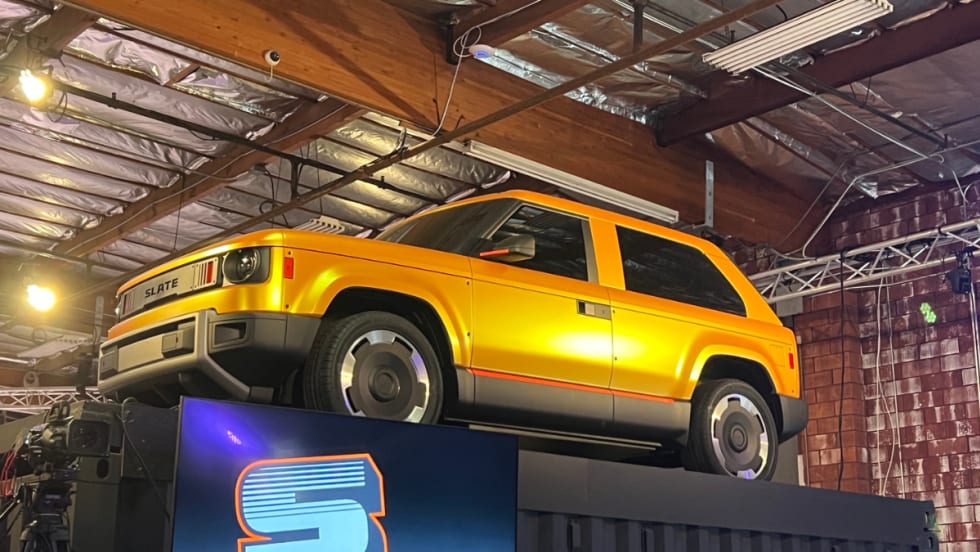
Slate Electric SUV, Pickup Switchable Model Aims For Light-Duty Fleets
Everything about this EV is counterintuitive and understated, making it stand out from the crowd.
Read More →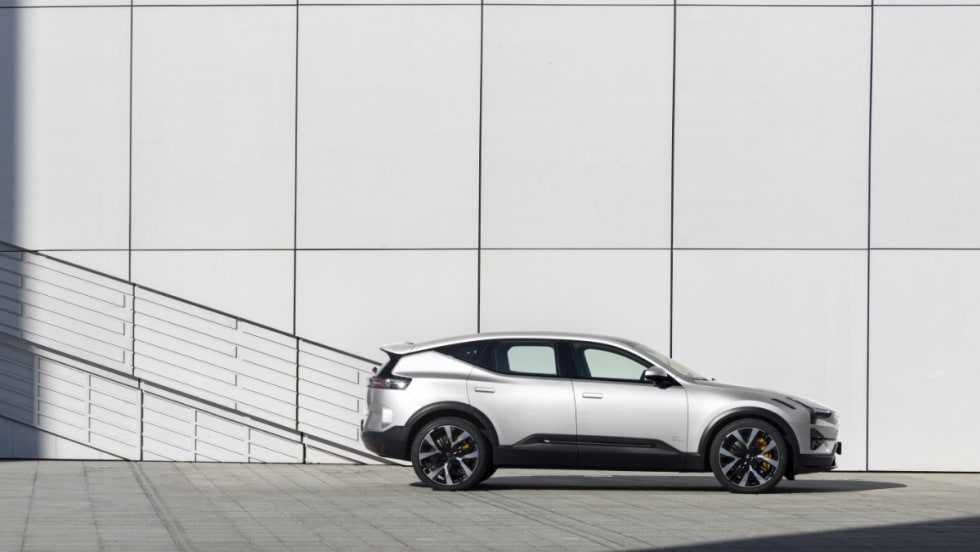
Polestar Barred from U.S. Market Under Connected Vehicle Rule
The automaker loses its authorization to sell new vehicles in the U.S., starting with the 2027 model year. Polestar owners will retain access to the brand's service network.
Read More →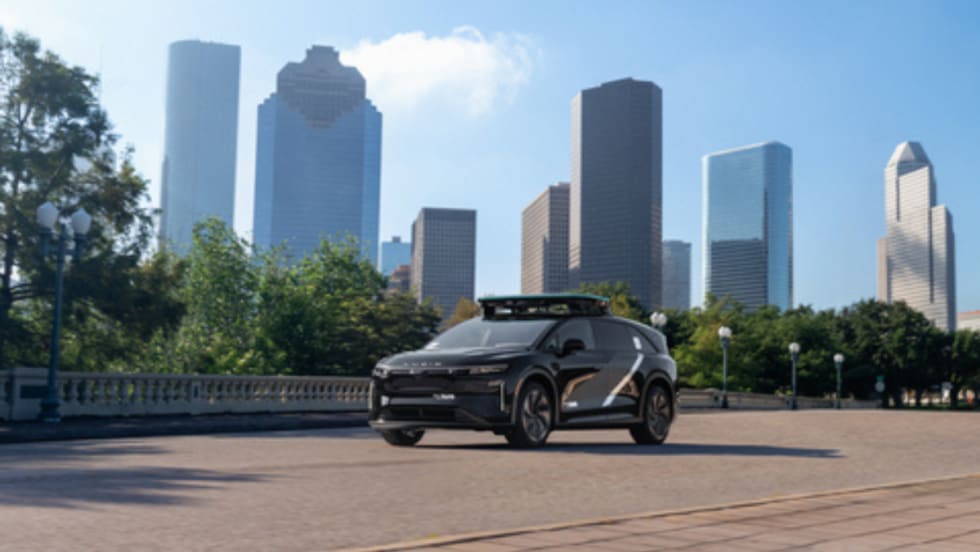
Uber, Nuro and Lucid Plan Houston Robotaxi Service in 2027
The tripartite venture brings out the combined advantages of electric vehicles, mobility, and autonomy into ground transportation.
Read More →
Electrify America Opens EV Fast Charging Station in Southern California
The large-format depot features 20 hyper-fast chargers capable of delivering 350 kilowatts and is backed by a powerful battery energy storage system.
Read More →
Inspiration Mobility Acquires Key Electrada Assets
Inspiration Mobility Group has acquired select assets of Electrada, adding the fleet electrification provider's team, technology, and charging infrastructure development capabilities to its energy management business.
Read More →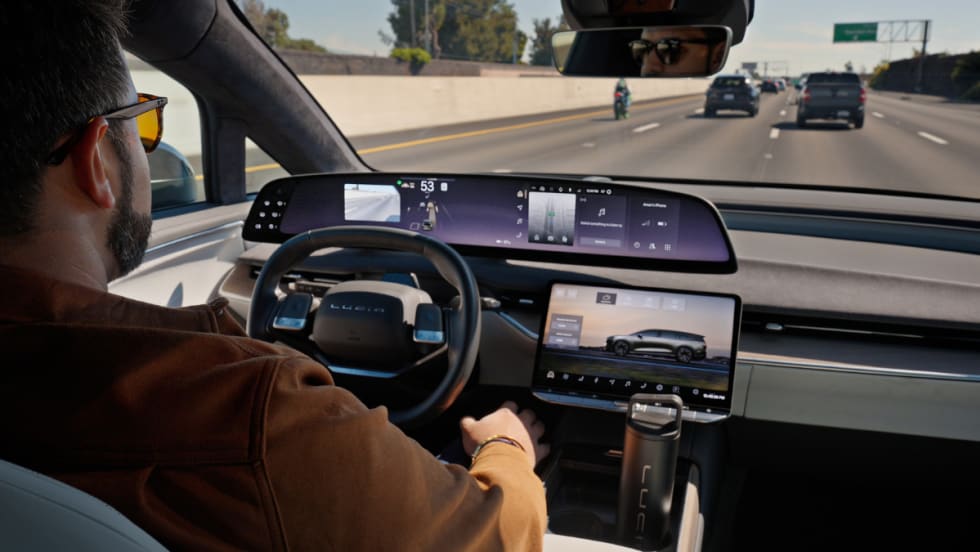
Lucid Adds Hands-Free Highway Driving, Software Updates To Gravity SUV
Hands-free drive assist makes highway driving more comfortable while keeping drivers attentive to the road.
Read More →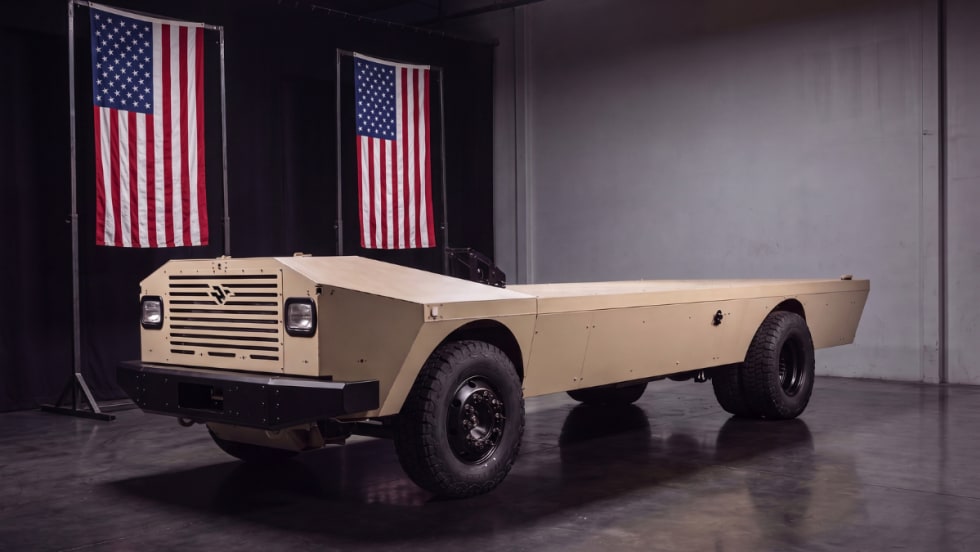
Harbinger Creates Hybrid-Electric Unmanned Vehicle Platform for Defense Use
The platform is based on the company's medium-duty plug-in hybrid chassis, which is also used in commercial vehicles.
Read More →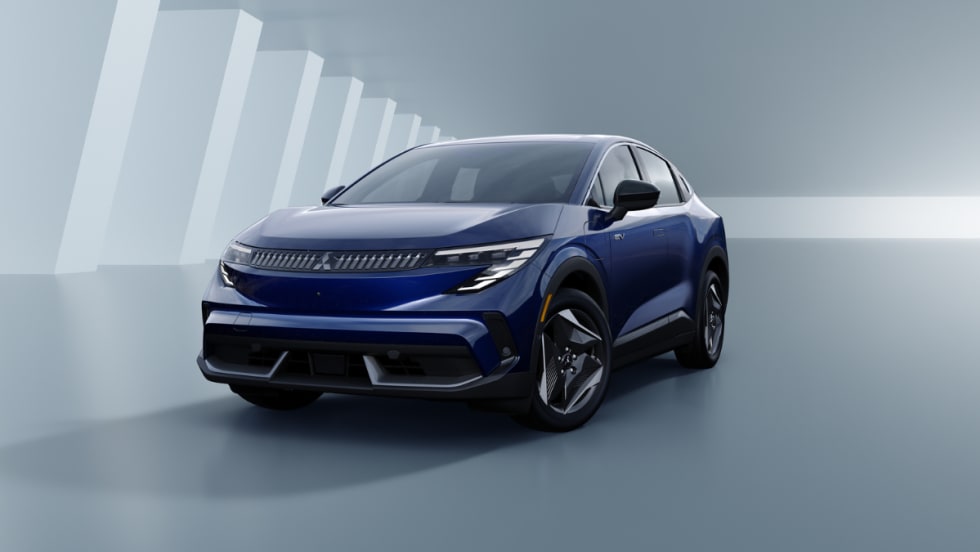
Mitsubishi To Debut All-Electric Eclipse Subcompact For North American Market
The 2027 Mitsubishi Eclipse Sportback is a small SUV that will go on sale by this fall.
Read More →
Stellantis To Build Smaller, Affordable EVs For European Market
Stellantis aims to expand access to urban EV mobility in Europe and address the decline in the smaller-vehicle segment.
Read More →