



The Fleet Forward Conference is around the corner. For more information, click here.
Policy Insights from the Fleet Forward Somerset Tour Stop
Policy expert Michael Taylor breaks down how tariffs, safety mandates, and shifting federal regulations are reshaping fleet costs and compliance.
September 23, 2025
Industry experts and fleet professionals discuss the future of costs, safety, and regulations at the Fleet Forward Tour in Somerset, N.J.
Photo: Automotive Fleet
3 min to read
Federal and state regulations are always at the crux of the daily decisions fleet managers need to make.
The final stop of the Fleet Forward Tour in Somerset, N.J., hosted Michael Taylor from HillStaffer LLC. There, he shared insights on important federal and state developments shaping fleets today, as well as strategies for overcoming their challenges.
Tariffs and Costs
The unavoidable subject for every fleet, tariffs, was part of his analysis.
“Tariffs,” from Taylor’s perspective, “are now a permanent line item in your fleet budgets section. Tariffs apply to vehicles, batteries, and electronics imported from China and other countries.”
Taylor updated attendees on the new tariff implications. Current tariffs would apply to steel and aluminum, and as of June, have doubled in price.
He expects this to affect the cost of imported EVs, heavy-duty trucks, and battery packs. He used an EV battery as an example, where a $40,000 battery would inflate to $50,000 with a 25% tariff.
He warned that these tariffs could cause costs to skyrocket overnight.
Taylor suggests fleet managers change the way they treat tariffs for their bottom line, reiterating that he would treat them as “recurring, unpredictable, and impactful on your operating budgets.”
For private fleets, this directly impacts their operating costs. He suggested negotiating contracts to mitigate expenses. Additionally, he suggested taking a proactive approach and adding tariffs to your total cost of ownership, tracking your procurement, and diversifying your suppliers.
Updates to Safety
Safety is the top priority in the world of fleet management. Taylor said that planning for future technology costs is one way to prepare for upcoming safety mandates.
Key updates from Taylor’s presentation include:
The National Highway Traffic Safety Administration (NHTSA) has tightened crash reporting for autonomous and Driver Assist vehicles.
The Federal Motor Carrier Safety Administration (FMCSA) withdrew its speed limiter mandate in July of this year.
Automatic Emergency Braking (AEB) is proposed for heavy trucks but not yet finalized. If AEB is mandated, it would be one of the first federally mandated AI-driven safety systems in the heavy trucking industry.
Ultimately, safety regulations are in a state of flux. Some mandates will pass and some will not. He suggested fleets keep a close eye on how they proceed.
Call to Action
Taylor’s advice to all fleet managers? Get involved.
Policymakers need industry experts to inform them so that they can develop policies that actually provide the solutions fleets need.
“It's good for you to go in and educate them, bring them to your facility, let them see your challenges in a real way, day to day. I call it constructive engagement. Better to do that and build a relationship, and you'll get better regulations,” he explained.
Before he finished, he stressed these three points:
Fleets must lead and not react.
Look at your resources and research any incentives.
Get involved. Serve on advisory councils and reach out to your policymakers to inform them of the specific help you truly need.
Topics:child safety restraint systemstariffsrules and regulationspolicymakingOperationsVehicle Research
Originally posted on Automotive Fleet
Subscribe to Our Newsletter
More Operations

The EV Breakdown Nobody's Talking About: Why Most Electric Vehicle Roadside Calls Aren't Mechanical Failures
Here's why EV breakdowns are widely misunderstood.
Read More →
Xos White Paper Asserts LA Olympics Will Lack Enough EV Chargers
The commercial EV fleet company recommends some faster and more flexible remedies to relieve the anticipated shortfall.
Read More →
ChargePoint, Optimus Expand Fast-Charging Network Across Southeastern U.S.
ChargePoint will serve as the exclusive solutions provider, delivering hardware, software, and services to support Optimus’ growing charging network.
Read More →
Running A Profitable Electric Rental Fleet
How do you successfully operate an all-electric rental car fleet? Whether you manage a rental fleet or another commercial fleet, this conversation offers practical lessons on deploying, operating, and scaling electric vehicles.
Read More →
Registration Opens for 2026 Fleet Forward Conference
Held on the East Coast for the first time, the Washington, D.C.-area event features expert-led education, a new IIHS Crash Test Experience, and collocation with the NAFA’s Fleet Safety Symposium.
Read More →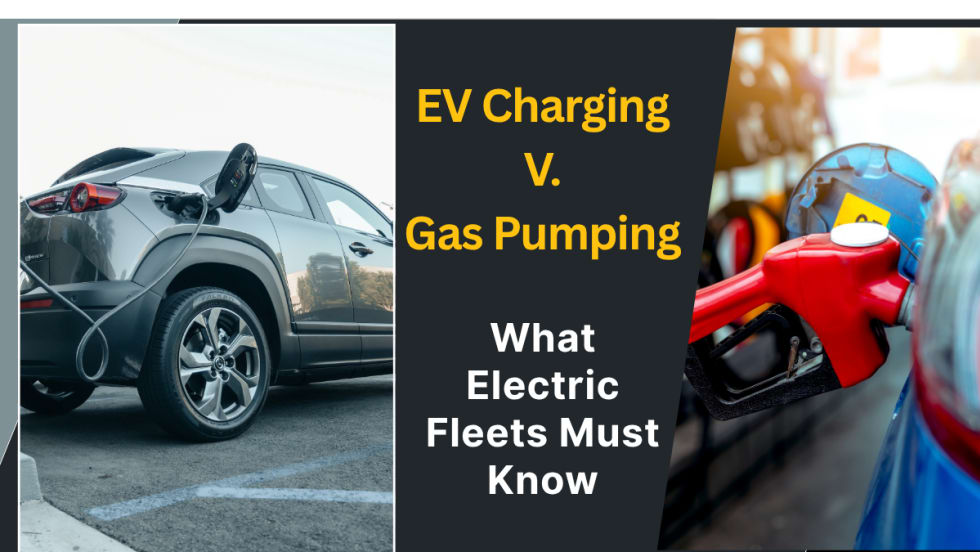
Why Charging May Never Be As Easy As Filling Up Gas
A seamless charge depends on a string of independent companies getting it right together, every time. How can electric fleets navigate the challenges to create a successful charging plan?
Read More →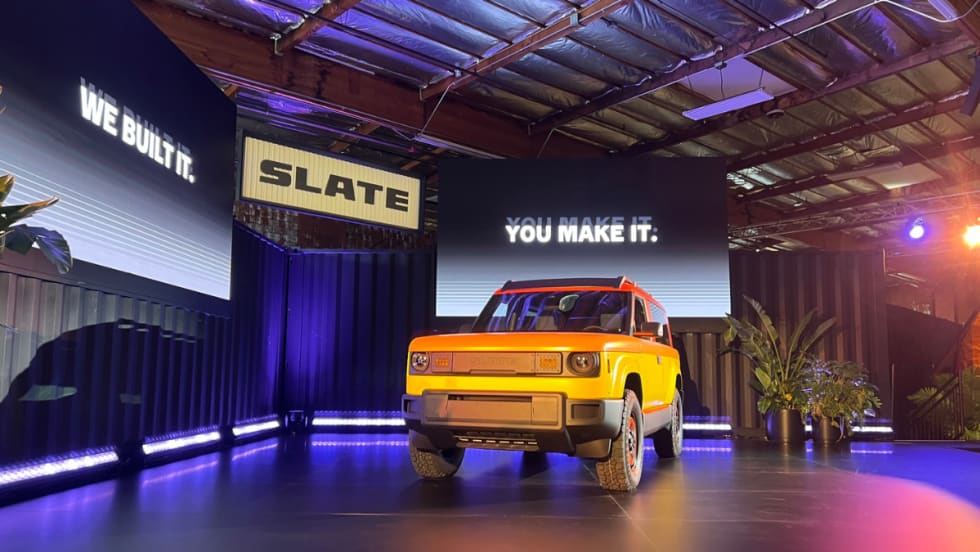
Slate Debuts Colorful, Unique EV Models
A recent media and client event, studded with electric vehicles dressed up on platforms, planted a new position for the manufacturer in the wider EV market. Fleets will find cost-saving advantages.
Read More →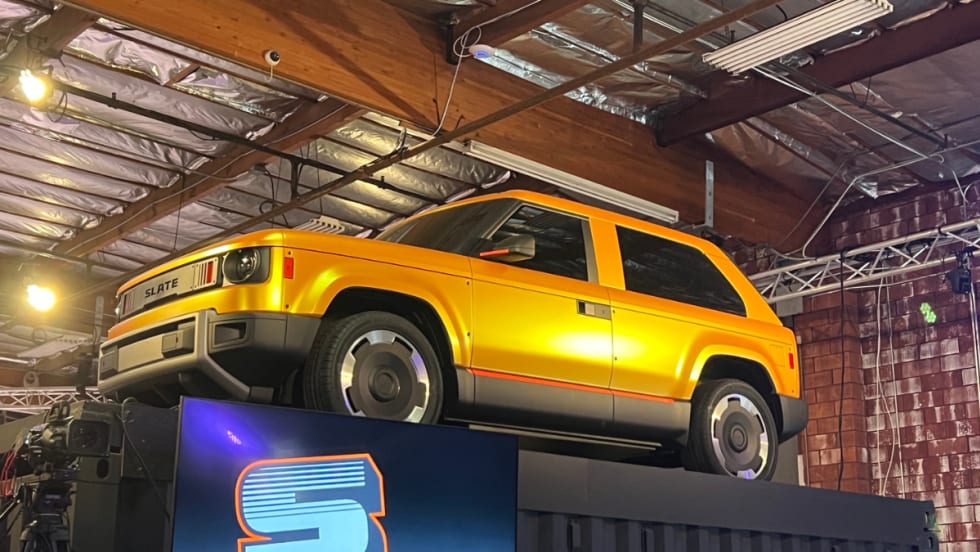
Slate Electric SUV, Pickup Switchable Model Aims For Light-Duty Fleets
Everything about this EV is counterintuitive and understated, making it stand out from the crowd.
Read More →
Polestar Barred from U.S. Market Under Connected Vehicle Rule
The automaker loses its authorization to sell new vehicles in the U.S., starting with the 2027 model year. Polestar owners will retain access to the brand's service network.
Read More →
Uber, Nuro and Lucid Plan Houston Robotaxi Service in 2027
The tripartite venture brings out the combined advantages of electric vehicles, mobility, and autonomy into ground transportation.
Read More →