


Dig Deeper: PG&E, GM to Pilot EVs as Backup Power Sources
PG&E Adds Hybrid-Electric Bucket Trucks
Pacific Gas and Electric Company (PG&E) added about 100 hybrid-electric bucket trucks in 2010 and has ordered 125 more as part of its fleet greening efforts.
by Carly Lanning
May 2, 2011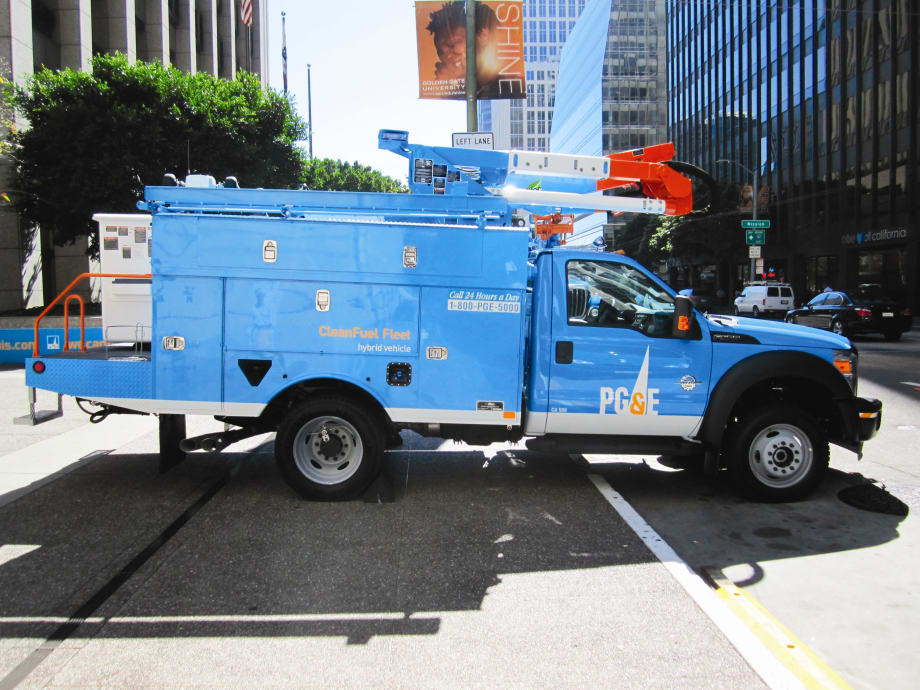
The bucket trucks are "trouble trucks," the first vehicles to arrive on the scene in the event of an emergency or service interruption.
Photo: PG&E
3 min to read
Pacific Gas and Electric Company (PG&E) continues its efforts to protect the environment and reduce its carbon emissions with the purchase of just under 100 hybrid-electric bucket trucks that were delivered at the end of 2010, and has ordered an additional 125 units that will deliver in the first half of 2011. Of the company's 12,000-vehicle fleet, 3,072 already run on alternative fuel or are on order.
PG&E has been working to reduce its carbon footprint for the past 15 years, contributing to the development of natural gas, plug-in, and hybrid vehicles throughout its own fleet and with other vehicles within the community such as school buses, and taxi cabs, and passenger cars. The addition of these hybrid-electric bucket trucks is another step in the "green" direction.
Developing in the Right Direction
PG&E operates throughout a 75,000-square-mile service territory, ranging from north of Los Angeles to the northern California border. The San Francisco-based company replaces 500 to 1,600 vehicles annually, but it expects to be on the higher end of the range for the next several years.
The bucket trucks are built on Ford F-550 chassis with Altec AT37 aerial devices that will be powered by JEMS48 hybrid units.
"We selected this application for various reasons, but primarily due to the vehicle's duty cycle. The operation of the aerial device, tool circuit, and climate control in the cab are the primary contributors to the idling issue, and this system was designed to help eliminate that," said Dave Meisel, director of transportation services, PG&E.
The trucks are shut off once they arrive at the worksite, and the systems are then battery-powered. PG&E expects the battery to last a normal operating shift, but in the event the battery was to run low, the vehicle will automatically restart to power the circuits and recharge the battery.
While always looking for new alternatives and ideas on how to better the environment, Meisel recognizes that there must always be a balance between the type of "green" vehicle and the function it will perform.
"You need to understand the application when applying vehicles and fuel to certain situations," he said. "There must be an alignment between the application of our technology and the product."
A Richer Future
The goal of PG&E is to provide operators with safe, reliable, and cost-effective equipment while continuing its fleet greening efforts. "This purchase, while significant, is the first of many that will continue to show PG&E's environmental leadership. We believe that through technology, we can improve our environment while reducing our operating costs," Meisel said.
PG&E expects the use of hybrid-electric bucket trucks will reduce fleet operating costs, enhance operator safety, and produce cleaner emissions.
For the future, PG&E will be pushing toward purchasing plug-in hybrids that have been adapted for pickup trucks and SUVs. "A major initiative in our operation today is to electrify our fleet, and by doing so use clean energy to power clean vehicles. There is no better time for us to influence this process and to encourage others to adopt clean technologies," Meisel said.
Topics:PG&EGasoline-Electric HybridsBucket TrucksHybrid TrucksUtility FleetsElectric VehiclesHybrids
Originally posted on Work Truck Online
Subscribe to Our Newsletter
More Electric Vehicles
EV Charging Use Is Outpacing Infrastructure Growth
ChargePoint’s 2026 Charging Forward Report points to rising charger use, higher-powered charging, commercial vehicle electrification, and energy-management technology. Here’s what fleets should know.
Read More →
EV Realty Names Henrik Holland President as Charging Platform Expands
The former Prologis Mobility and Shell executive will help expand EV Realty’s truck charging business and move its power-first infrastructure model into autonomous vehicle depots and other fleet sectors.
Read More →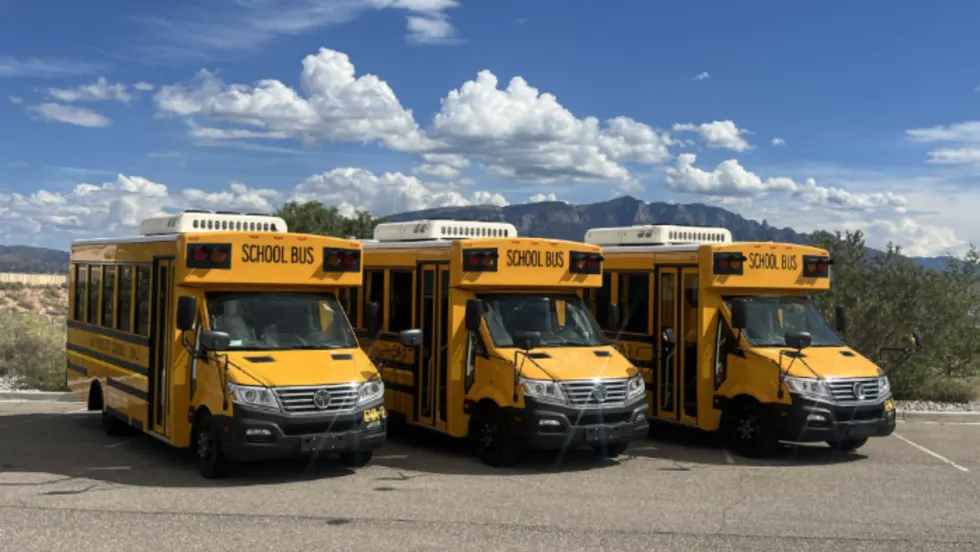
GreenPower Expands New Mexico EV Pilot With Larger Buses, V2G Testing
After logging more than 17,000 electric miles in the first year, New Mexico’s statewide pilot is moving into its second phase with larger vehicles, continued charging evaluations, and more.
Read More →
Can EV-as-a-Service Help Fleets Scale Electrification?
Sustainability Partners CEO Adam Cain explains how matching EVs, charging infrastructure, and duty cycles can help fleets scale electrification.
Read More →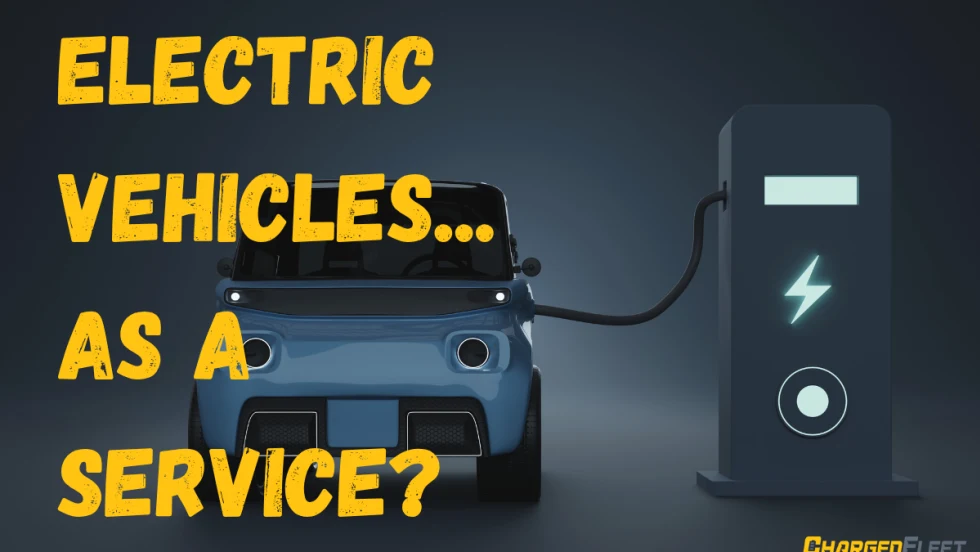
How EV-as-a-Service Is Moving Fleets Beyond Pilots
Adam Cain, president and CEO of Sustainability Partners, explains how EV-as-a-service can help fleets scale deployments by addressing duty-cycle requirements and charging challenges.
Read More →
PowerFlex, The Mobility House Join Forces to Advance Fleet Electrification
Two EV charging providers are joining forces to deliver a broader portfolio of energy management and fleet electrification solutions.
Read More →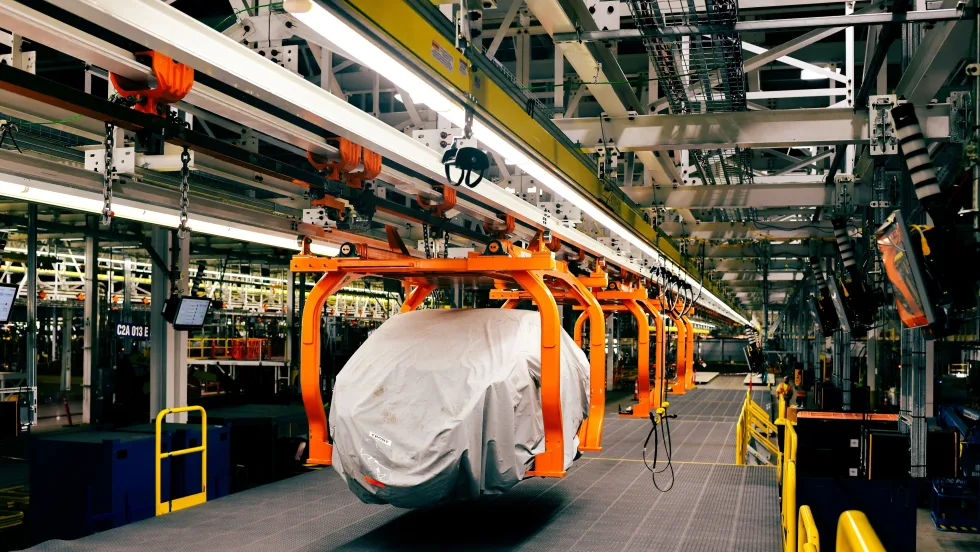
Ford Retools Louisville Plant for Fathom Electric Truck Production
Ford's $2 billion Louisville Assembly Plant overhaul introduces a three-part assembly process for the Fathom midsize electric truck, with production scheduled to begin in 2027.
Read More →
Merchants Fleet Reports 290M EV Miles as Fleets Navigate Changing Electrification Market
From millions in operating savings to hundreds of millions of EV miles, Merchants Fleet’s latest report reveals what’s working and what’s changing in fleet electrification.
Read More →
California District Commits to Electrify 25% of School Bus Fleet by 2028
One of the nation's largest school bus electrification projects to date demonstrates how grants, charging infrastructure, and public-private partnerships can help fleets transition to EVs at scale.
Read More →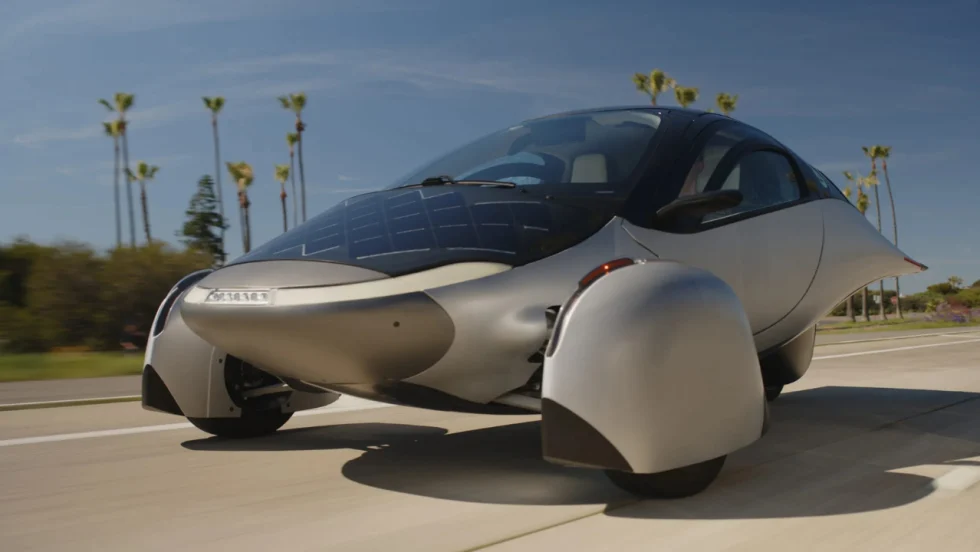
Aptera Orders Bodies and Chassis for Its First 40 Production Vehicles
Aptera Motors Corp. has issued purchase orders for the major structural components of its first 40 vehicles, and body and chassis components are expected to begin arriving in October.
Read More →