


Nissan Leaf: Back in the Game
Significant improvements in power, range, and in-vehicle technology could make the second-generation Leaf a contender in the growing all-electric market.

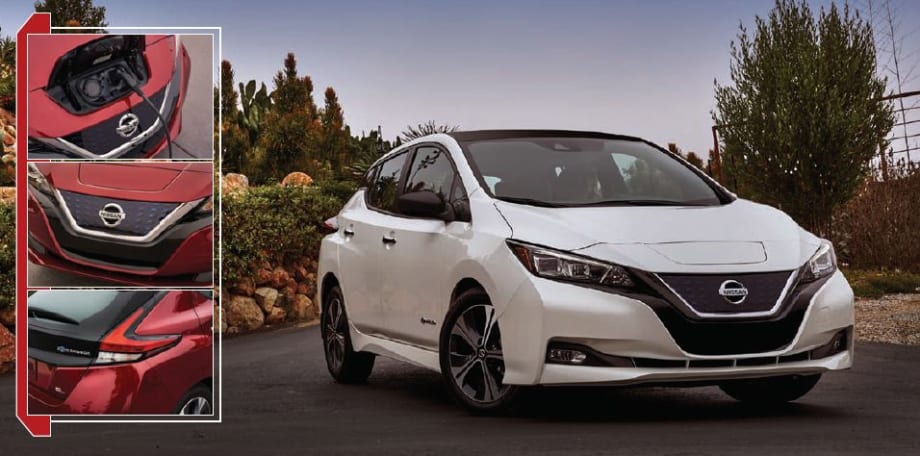
2018 Nissan Leaf
2018 Nissan Leaf
How long does it take to go from a world-beater to an afterthought? About eight model-years, if you go by the Nissan Leaf. The plug-in five-door compact hatchback made waves upon its 2010 debut, only to slip from the public consciousness as newer, better electrics entered the market.
But this Leaf is no shrinking violet. After logging more than 283,000 sales worldwide (including more than 113,000 in the U.S. alone), the second-generation 2018 model adds power, range, and a host of forward-looking driver-assistive features to create a low-cost challenger for the likes of the Chevrolet Bolt and Tesla Model 3, as well as the downmarket Hyundai Ioniq Electric and the Volkswagen e-Golf.
The new Leaf features a larger, 40 kilowatt-hour (kWh) battery that extends its range from 107 miles to 150 miles. A new powerplant delivers 147 horsepower (hp) and 236 pound-feet (lb.-ft.) of torque, up from 107 hp and 236 lb.-ft. in the outgoing model. The factory promises a 15% improvement in zero-to-60 times and plans to introduce a range-extending 60 kWh battery in time for the 2019-MY.
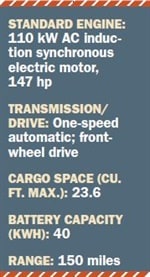
Specs for the 2018 Nissan Leaf
Nissan’s ProPilot Assist makes its worldwide debut in the 2018 Leaf. The system offers a semiautonomous driving experience, combining active cruise control (between 18 miles and 62 miles per hour) with lane-keeping assist and emergency braking.
Also new to the Nissan lineup is E-Pedal, an accelerator that also serves as a brake. The car speeds up when it is depressed and applies regenerative and standard braking power to slow to a stop when disengaged.
The styling sheds its bubble-butt exterior and adopts interior styling cues — including a decidedly mainstream 7-inch touchscreen — from other Nissan models. The result is a perfectly normal-looking car that happens to have a power outlet built into the nose. Using direct-current fast charging, the Leaf’s battery can go from fully discharged to 80% of capacity in just 30 minutes.
Fleet buyers considering the Chevrolet Bolt or Tesla Model 3 should take a hard look at the new Leaf. Nissan’s plug-in can’t beat the 200-plus-mile range of those competitors, but its top-of-the-line SL trim is priced at $37,495 (not including a $7,500-per-unit federal tax credit) — about the same as an entry-level Bolt or Model 3.
The 2018 Nissan Leaf will roll (silently) into showrooms early in the year with a starting MSRP of $29,600.
Originally posted on Work Truck Online
More Suppliers

Slate Debuts Colorful, Unique EV Models
A recent media and client event, studded with electric vehicles dressed up on platforms, planted a new position for the manufacturer in the wider EV market. Fleets will find cost-saving advantages.
Read More →
Slate Electric SUV, Pickup Switchable Model Aims For Light-Duty Fleets
Everything about this EV is counterintuitive and understated, making it stand out from the crowd.
Read More →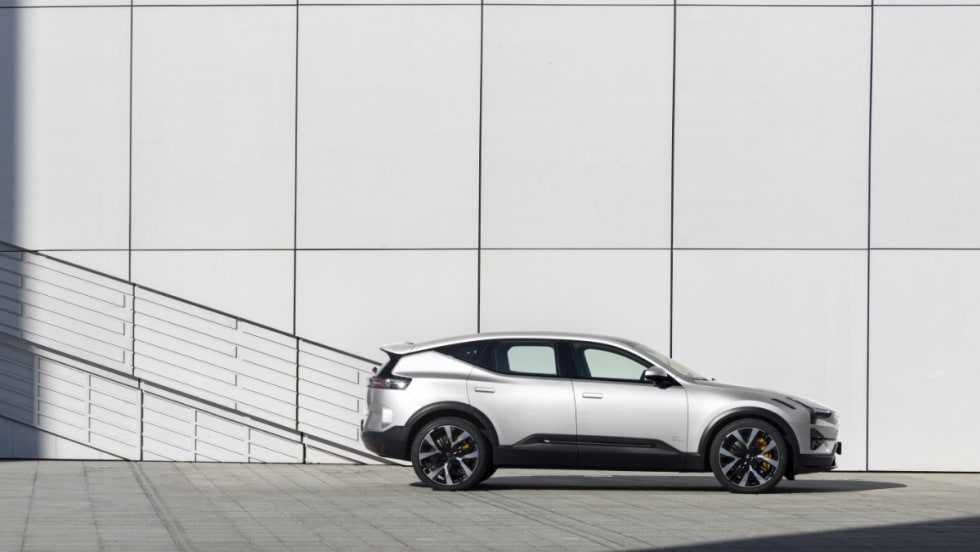
Polestar Barred from U.S. Market Under Connected Vehicle Rule
The automaker loses its authorization to sell new vehicles in the U.S., starting with the 2027 model year. Polestar owners will retain access to the brand's service network.
Read More →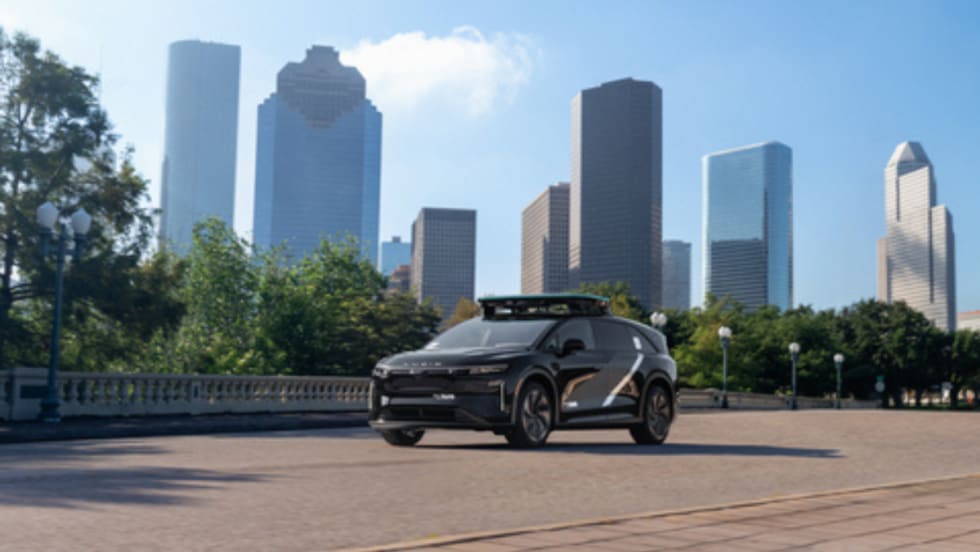
Uber, Nuro and Lucid Plan Houston Robotaxi Service in 2027
The tripartite venture brings out the combined advantages of electric vehicles, mobility, and autonomy into ground transportation.
Read More →
Electrify America Opens EV Fast Charging Station in Southern California
The large-format depot features 20 hyper-fast chargers capable of delivering 350 kilowatts and is backed by a powerful battery energy storage system.
Read More →
Inspiration Mobility Acquires Key Electrada Assets
Inspiration Mobility Group has acquired select assets of Electrada, adding the fleet electrification provider's team, technology, and charging infrastructure development capabilities to its energy management business.
Read More →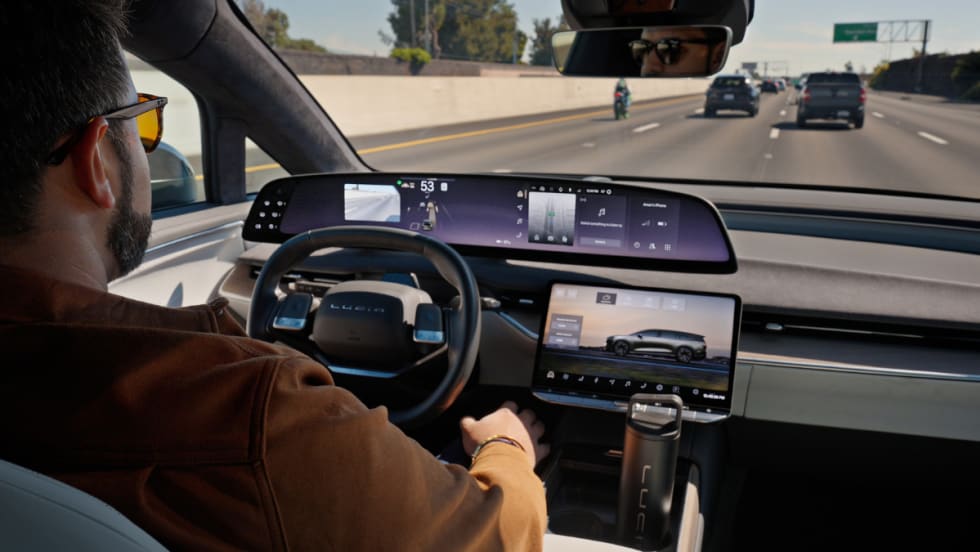
Lucid Adds Hands-Free Highway Driving, Software Updates To Gravity SUV
Hands-free drive assist makes highway driving more comfortable while keeping drivers attentive to the road.
Read More →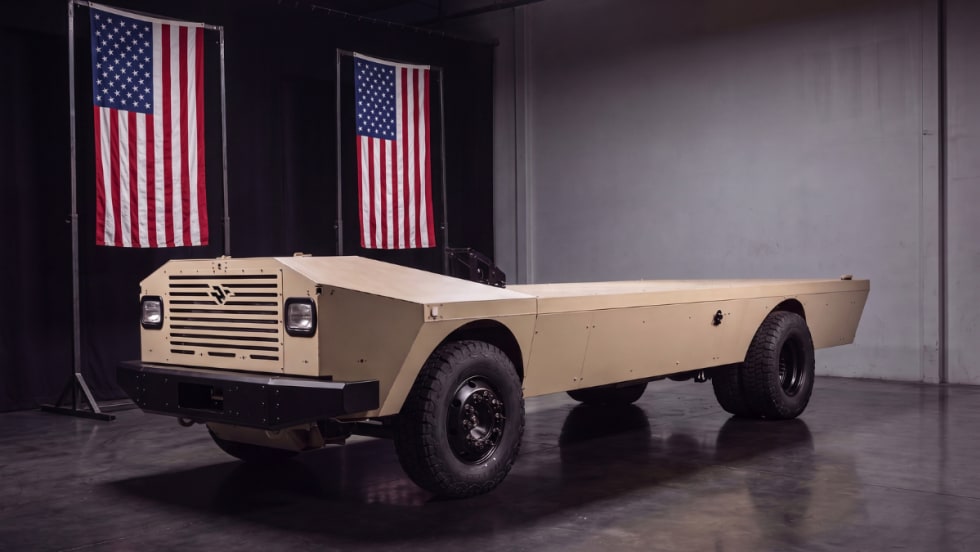
Harbinger Creates Hybrid-Electric Unmanned Vehicle Platform for Defense Use
The platform is based on the company's medium-duty plug-in hybrid chassis, which is also used in commercial vehicles.
Read More →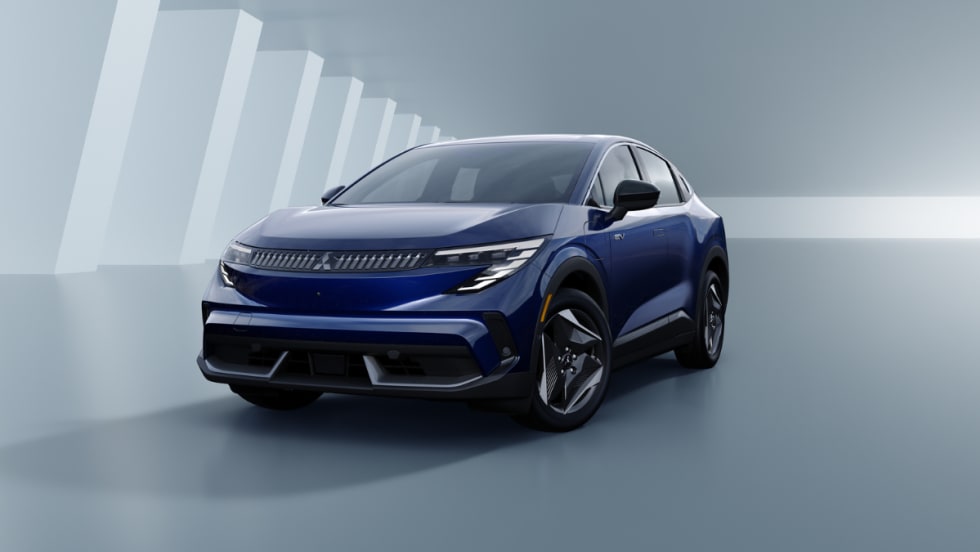
Mitsubishi To Debut All-Electric Eclipse Subcompact For North American Market
The 2027 Mitsubishi Eclipse Sportback is a small SUV that will go on sale by this fall.
Read More →
Stellantis To Build Smaller, Affordable EVs For European Market
Stellantis aims to expand access to urban EV mobility in Europe and address the decline in the smaller-vehicle segment.
Read More →