


Malfunction Indicator Mandated for 2010 Emissions Standards
Starting in 2010, OEMs will be required to install dashboard malfunction indicator lights and diagnostic trouble codes on heavy-duty trucks to warn drivers of emission problems.

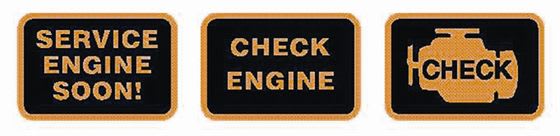
The prevention of 8,300 premature deaths, more than 9,500 hospitalizations, and 1.5 million lost work days are just a few of the substantial benefits the Environmental Protection Agency (EPA) hopes to realize by reducing annual vehicle emissions with its recent onboard diagnostics (OBD) requirement. Formally approved Dec. 4, the ruling seeks to reduce overall diesel emissions by more than 90 percent through a 2010 mandate requiring heavy-duty truck manufacturers to install OBD technology.
Designed to monitor performance of an engine's major components, the built-in, computer-based systems will provide a simple, quick, and effective way to alert drivers when engine emission systems are malfunctioning or deteriorating, according to the EPA.
The Air Resources Board (ARB) reported 33 states and local areas have already begun incorporating the use of onboard diagnostics to comply with the Clean Air Act's goal of reducing air pollutant emissions, a number surely to expand over the next year with the EPA's new rule.
Cleaning is 'Greening'
In September, with OBD considered a critical element in an overall emissions control program, the EPA worked with the State of California to finalize a consistent set of heavy-duty onboard diagnostic (HDOBD) requirements. As a result, the EPA's HDOBD program largely resembles the California program in almost all important aspects.
The EPA requirement will provide truckers dashboard malfunction indicator lights and diagnostic trouble codes similar to those on passenger vehicles since the mid-'90s. A provision in the rule also requires manufacturers to make available to mechanics information necessary to perform repairs and maintenance service on OBD systems and related components.
The highly technical and detailed 475-page rule applies to 2010 and later model-year engines and will be phased in gradually. Beginning in 2010, engine manufacturers will be required to produce one engine line for heavy-duty trucks that complies with the new rule. By 2013, the dashboard lights will be mandatory for all highway engines.
Without the warning device, a driver could easily overlook emission problems, the EPA regulation stated.
Despite concerns from groups such as the Engine Manufacturers Association that meeting the OBD requirements would present challenges, the EPA said sensors needed to comply with the requirements already are available and will exist in time for 2013 compliance. In addition, the EPA said it will "keep abreast of technological advances in the coming years" in the event the requirements must be modified.
To find out which areas require OBD technology in vehicle emissions tests, go to www.epa.gov/obd/status.htm.
Originally posted on Automotive Fleet
More Legal/Legislative

California Governor Approves Instant ZEV Rebates For First-Time Buyers
That instant rebate is the centerpiece of a broader $600 million package Governor Newsom signed into law, keeping California active in the global clean transportation race.
Read More →
Used EVs Set Wholesale Sales Record In Q1
Rising gas prices may have boosted demand last month, as dealers pursued potential opportunities with more affordable used EVs.
Read More →
OEMS Expose Overdue EV Truths
Recent announcements from two automakers underscore a significant shift in the electric vehicle market, driven by EV losses and changing strategies. [VIDEO}
Read More →
The Freedom Era For Electric Vehicles
Season 2 Episode 1 of The Off-Peak premieres as the electric vehicle market no longer benefits from federal tax credits that expired at the end of Q3 2024. What does this mean for the future appeal of EVs?
Read More →
New Research Shows Renewed Potential And Tolerance For EVs
A new EV consumer survey finds partisan resistance is easing, but concerns around cost, incentives, and charging access still shape buyer interest.
Read More →
2025 Generated Big Headlines In The EV World
The EV industry entered a new more nuanced phase defined by realities and practical outcomes after a few years of grand visions, media hype, and bold investments.
Read More →
John Boesel Recognized at 2025 Fleet Forward Conference
Bobit recognized John Boesel, CEO of Calstart, who is retiring after over three decades of service.
Read More →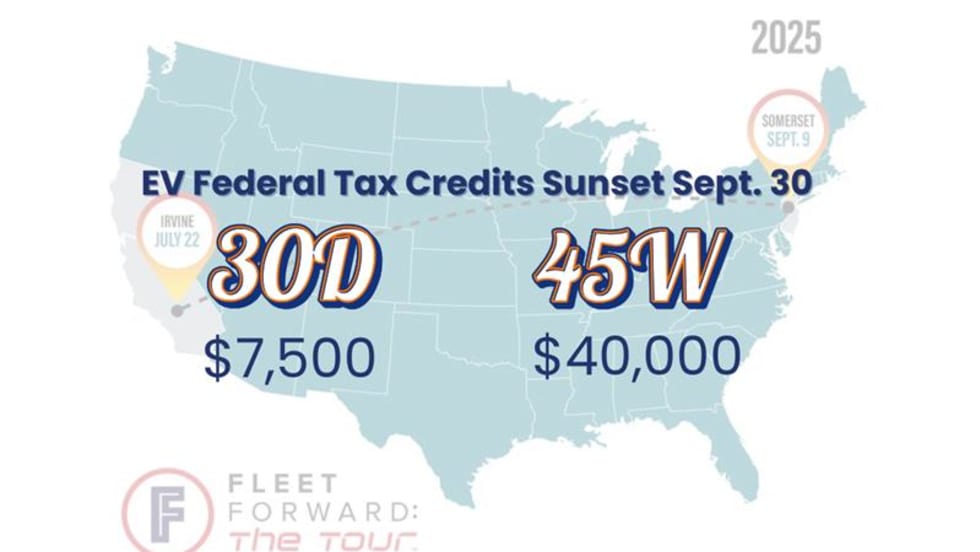
Final Push for Federal EV Incentives Highlighted at Fleet Forward Tour NJ Stop
Fleet managers in the Northeast will have a timely opportunity to take action on electric vehicle purchases at the upcoming Fleet Forward Tour stop in Somerset, NJ, on Sept. 9.
Read More →
Latest Hard Realities, Top Pressures For Electric Fleets
Speakers and experts at Fleet Forward: The Tour shared hands-on, hard-won insights on how fleet operations are handling tariffs, EV charging, rules and regs, and safety issues.
Read More →
Mobility 360 Panel to Define the Fleet Industry’s Next Tipping Point
At the 2025 Fleet Forward Conference, experts in capital, policy, and data will assess which trends are transforming fleet.
Read More →