


Making the Case for Electric Reefer Units
As vehicles reduce in size to serve the last mile, fleets are looking to an electric temperature-controlled solution for more payload and quieter operation — but they aren’t right for every application.

Proponents of electric transport refrigeration units (TRUs) say they offer lower total cost of ownership through reduced wear and tear on a secondary engine.
Photo courtesy of Thermo King
These are hot times for cold deliveries. The trendline had been steadily climbing for years, but the COVID-19 pandemic supercharged the demand for temperature-controlled deliveries of perishable food, beverages, and medical supplies to last-mile retail and home-delivery customers.
Within this trendline is a demand for lightweight truck body designs that fit under 10,000-pound chassis GVWR. “These designs help fleets in the diversity of use due to the national driver shortage as well as driver record requirement reduction,” says Great Dane’s Jonathan Schultz, product manager for national accounts. Great Dane offers Johnson refrigerated truck bodies.
Another trend is a movement to all-electric refrigeration systems. Electric “reefer units” offer significant potential benefits, including reduced maintenance and higher regulatory compliance as more stringent emissions regulations are enacted, says Scott Parker, Carrier Transicold’s product manager for truck products.
The company’s engineless Neo 100S TRU is designed for engine-driven light commercial vehicles used in last-mile delivery. On the road, the Neos 100S is powered by the vehicle’s alternator. When parked, it can be plugged into a 230-volt source for precooling and staging, eliminating idling the truck to maintain refrigeration.
Spec’ing electric transport refrigeration units (TRUs) means trucks can run silently in urban areas and dense suburban neighborhoods.
“An economic alternative to refrigeration units with diesel engines, direct-drive systems also help fleets reduce environmental impact, since there is no additional fuel consumption or related emissions from a dedicated refrigeration unit engine,” he says.
Electric Architecture
“When it comes to the growing number of smaller vehicles for last mile, fleets are looking to an electric temperature-controlled solution because they are lighter for more payload and operate quietly,” says Jordyn Purvins, product manager – small truck for Thermo King.
Thermo King is partnering with Electric Last Mile Solutions to build an all-electric refrigerated Class 1 delivery vehicle, integrating its E-200 all-electric refrigeration unit into the ELMS Urban Delivery electric vehicle prototype.
Thermo King’s first electric TRU, the E-200 is sized for medium-sized vans and trucks and can be spec’d on both electric and engine-powered vehicles.
“Electric TRUs also have fewer moving parts, which increases reliability,” Patterson says, adding that TRUs with “electrical architecture” offer improved vehicle fuel efficiency and their lower weight increases range overall.
Of course, electric reefer units may not be the best fit for all applications, at least with current technology.
Parker notes that diesel-powered TRUs, such as Carrier Transicold’s Supra series, will provide maximum range. “And diesel units run independently of the truck, so refrigeration is maintained, even when the truck ignition is off as the driver walks groceries to the customer’s door.”
However, Paul Kroes, power solutions business development manager for Thermo King, says switching to all-electric refrigeration units has multiple advantages over diesel.
“Getting rid of engine-mounted compressors will really help with reliability, and overall performance could actually be improved simply because you can run [an electric TRU] at more steady state,” he says.
If the vehicle is idling, the compressor isn’t running very fast, which significantly reduces its cooling capacity. On urban routes, there isn’t a lot of opportunity to get the engine running at higher speed to optimize cooling. So being able to drive the compressor at a steady speed with a battery electric motor offers a lot of performance advantages.
“You’d also see a lower total cost of ownership through reduced wear and tear on a secondary engine,” Kroes adds.
With today’s light-duty internal-combustion-engine chassis, switching to a battery-electric TRU can be expensive. But opportunities begin to open up as more light- to medium-duty battery-electric trucks enter the market. With the batteries already built into the vehicle, adding a little more battery capacity to run an electric TRU is more viable. Many smaller systems, such as Carrier Transicold’s S and X series and Thermo King’s V series units, already offer electric standby options.
Over the next few years, as the industry moves toward more mainstream usage of those Class 1-4 delivery vehicles, the adoption of electric TRUs will follow, says Kroes.
“We are mostly in step with the rest of the trucking industry in terms of [rollout] timing relative to vehicle size,” he says. “Electric TRUs will mostly follow in the same rough timeline, but maybe a little bit more delayed because we are an add-on to most of those vehicles. We’ll have to wait for the industry to figure out what they want to do and then how we can integrate into that.”
Editor's note: This is an adapted excerpt from an article originally published by sister publication, Heavy Duty Trucking
Originally posted on Automotive Fleet
More Electric Vehicles
GreenPower Plans 50 Electric Shuttle Buses for Mexico
GreenPower plans to build 50 electric shuttle buses for Mexico using its EV Star Cab & Chassis platform, partnering with local body builders to expand its market reach.
Read More →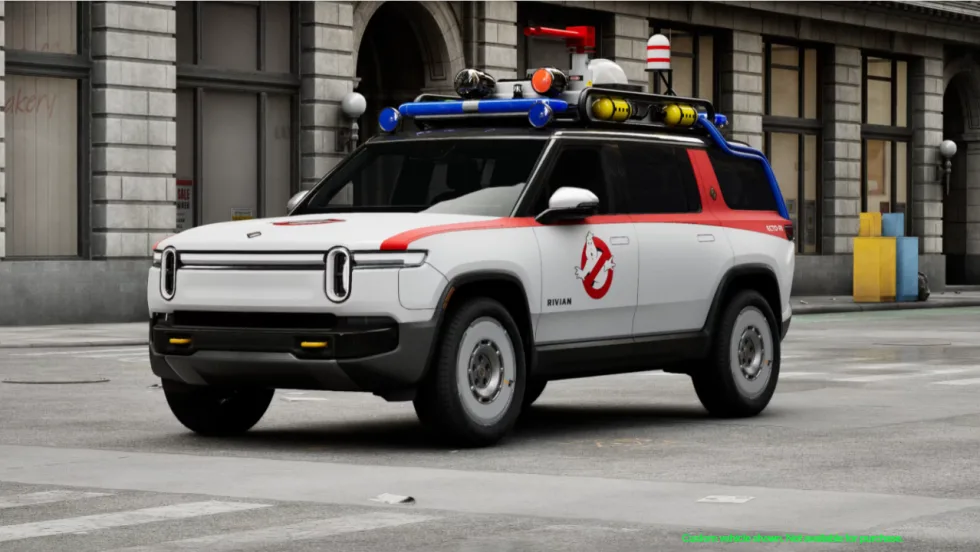
Who You Gonna Call? Rivian Turns Electric Vehicles Into Ghostbusters Rides
Rivian teams up with Sony Pictures for a Ghostbusters-inspired Halloween software update, complete with custom sounds, lighting effects, and a special Ecto-R1.
Read More →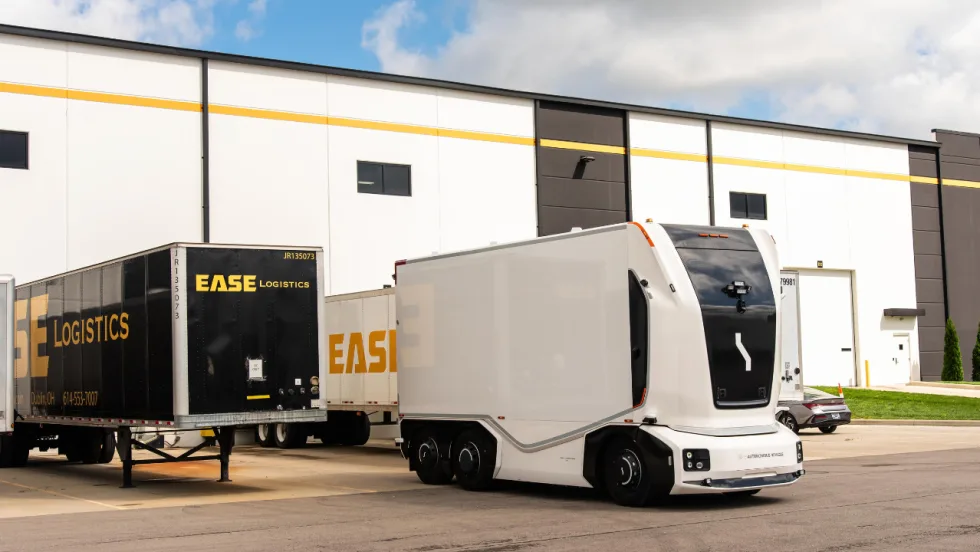
Einride Electric Driverless Trucks Begin Daily Freight Operations in Ohio
Two cabless electric trucks are now moving freight between EASE Logistics facilities, putting autonomous EV technology into daily commercial operations.
Read More →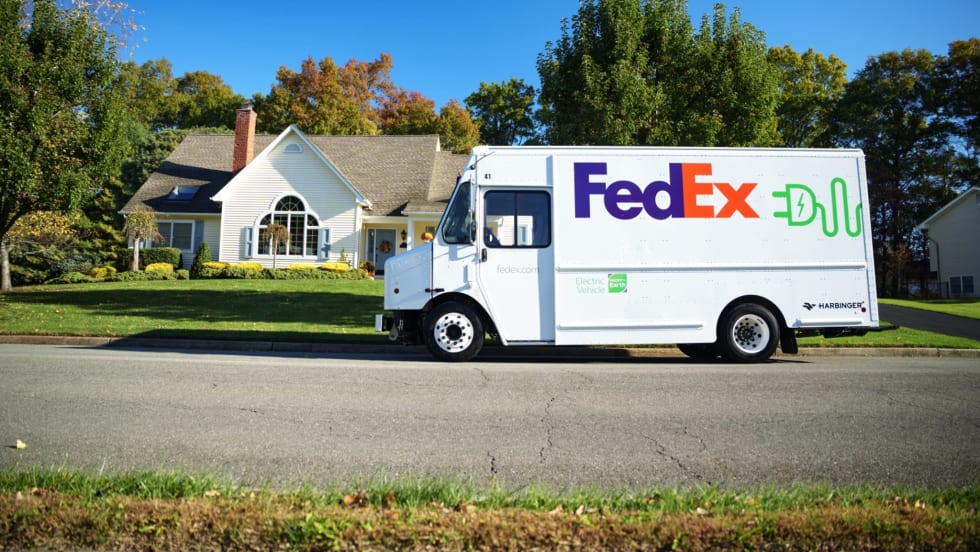
FedEx Orders 2,000 Harbinger Electric Trucks in $300 Million Deal
The Class 5 and 6 electric trucks are planned for delivery by the end of 2027 and will be deployed in FedEx pickup and delivery operations across the U.S. and Canada.
Read More →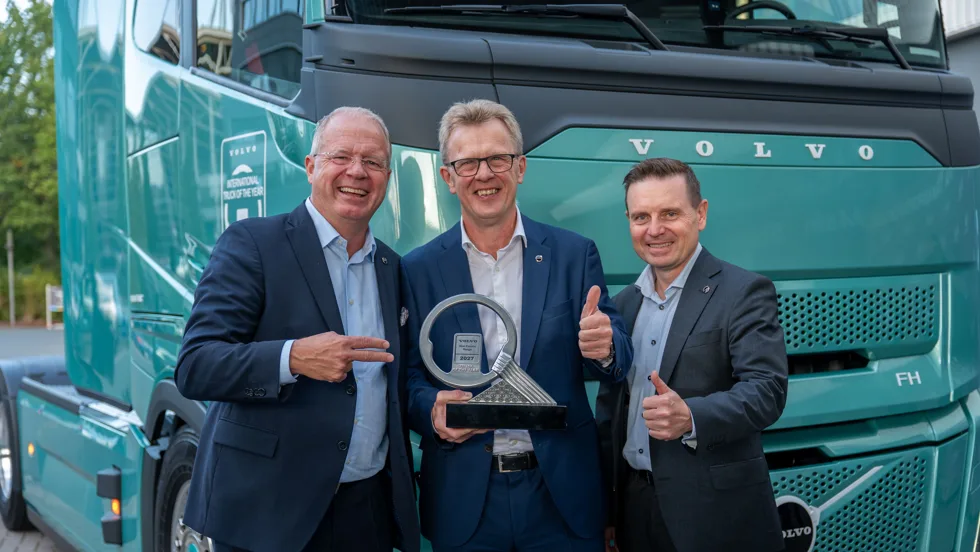
Volvo Trucks’ Electric Range Named International Truck of the Year 2027
The award recognizes Volvo’s global heavy-duty electric lineup, while more than 750 VNR Electric trucks have accumulated nearly 37 million miles in U.S. and Canadian fleet operations.
Read More →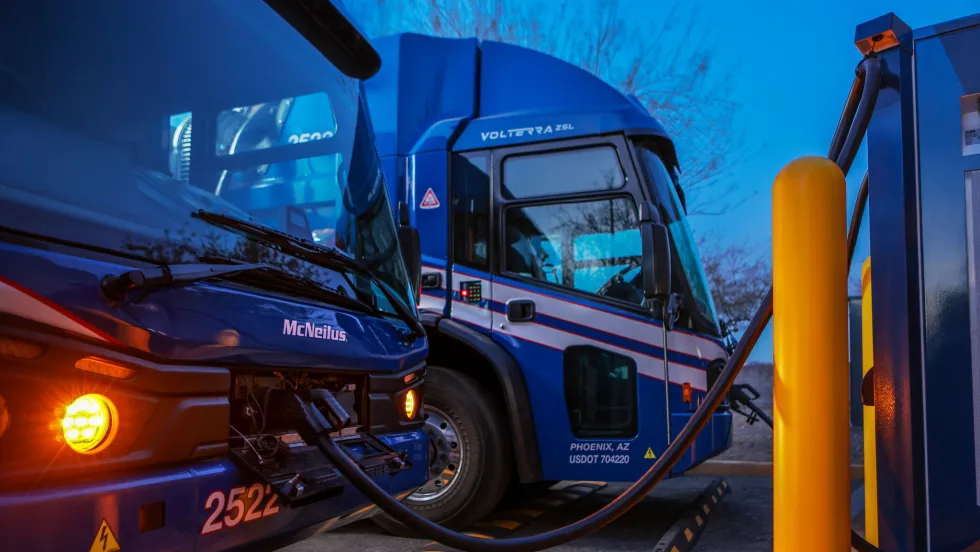
How Republic Services Decides Where Its Next Electric Trucks Can Go
With 250 electric collection trucks now in service, Republic Services is learning that scaling electrification depends less on proving the vehicle and more on whether each site can support what comes next.
Read More →
EV Charging Use Is Outpacing Infrastructure Growth
ChargePoint’s 2026 Charging Forward Report points to rising charger use, higher-powered charging, commercial vehicle electrification, and energy-management technology. Here’s what fleets should know.
Read More →
EV Realty Names Henrik Holland President as Charging Platform Expands
The former Prologis Mobility and Shell executive will help expand EV Realty’s truck charging business and move its power-first infrastructure model into autonomous vehicle depots and other fleet sectors.
Read More →
GreenPower Expands New Mexico EV Pilot With Larger Buses, V2G Testing
After logging more than 17,000 electric miles in the first year, New Mexico’s statewide pilot is moving into its second phase with larger vehicles, continued charging evaluations, and more.
Read More →
Can EV-as-a-Service Help Fleets Scale Electrification?
Sustainability Partners CEO Adam Cain explains how matching EVs, charging infrastructure, and duty cycles can help fleets scale electrification.
Read More →