



Related: Proposed California Bill Aims to Ditch Diesel by 2050
Keep Fleets in Mind When Considering the Country’s First Proposed Electric Truck Standard
Remember compliance cars? California Air Resources Board (CARB) proposed Advanced Clean Truck rule feels like its 2012 rule dictating zero-emission passenger cars. Only this time, fleets are involved.
October 29, 2019
In California, the transportation sector alone accounts for 41% of total greenhouse gas (GHG) emissions and is a major contributor to oxides of nitrogen (NOx) and particulate matter (PM) emissions.
Photo: Bobit
3 min to read
Last week, the California Air Resources Board (CARB) released details of its proposed Advanced Clean Truck rule, which would become nation’s first zero-emission vehicle (ZEV) standard. The rule would require truck manufacturers to sell increasing percentages of electric models from model years 2024 to 2030.
The rule proposes that in 2024, ZEV sales — battery electric (BEV) or hydrogen-powered fuel cell electric truck/chassis — would need to be 7% of Class 4 to Class 8 straight trucks sales and 3% of all other truck sales. By 2030, ZEV truck/chassis sales would need to be 50% of Class 4 to 8 straight trucks sales and 15% of all other truck sales.
CARB is not undertaking this lightly, as evidenced in its 50-plus page “statement of reasons” document. As always, CARB is doing its due diligence with stakeholders. However, knowing the state of the electric truck market today, requiring half of all Class 4 to 8 trucks sold in 10 years to be ZEV will be a monumental task.
Fleets can rest easy. While California fleets are having to comply with CARB’s increasingly stringent rules governing diesel trucks, this proposed rule dictates what truck manufacturers can sell in the state, not what fleets must buy.
That’s a big part of the problem. This new rule forces truck OEMs to manufacture and sell electric trucks without a tested market of buyers.
The last time CARB issued a ZEV standard wasn’t that long ago. In 2012, CARB mandated that automakers that sell at least 60,000 ZEVs a year based on a percentage of total California sales. Failure to meet the targets would result in losing the ability to sell any vehicle in California.
Thus, electric “compliance cars” were born. Remember the Chevrolet Spark EV, Fiat 500e, Honda Fit EV, and Ford Focus EV? Manufacturers created these vehicles with one goal only, to satisfy California’s ZEV sales requirements.
Compliance EVs were sold in small numbers, relying a market of first adopter consumers that could afford to take a chance with the new technology. Those buyers’ overall capitalized costs were reasonable enough. Charging infrastructure was easily solved with an inexpensive Level 2 home charger. As a second vehicle, range was less of an issue. Few worried about what their EVs would fetch in the used car market (which was very little).
Electric trucks are a different story. They’ll be used by fleets with a vast array of duty cycles. They’ll need to be upfitted to their task. Installing the charging infrastructure requires working with utilities that haven’t yet figured out how they’ll get the required amount of electricity to fleets’ charging depots, which will be exponentially more expensive and intricate than home charging. In some areas that amount of power isn’t even available, because the present infrastructure isn’t built to carry that load.
You can see how reaching this sales target within 10 years feels like we’re throwing darts blind.
This all doesn’t negate the fact that California has the worst air pollution in the country, and the biggest single contributors to that pollution are on wheels — medium- and heavy-duty trucks. In California, the transportation sector alone accounts for 41% of total greenhouse gas (GHG) emissions and is a major contributor to oxides of nitrogen (NOx) and particulate matter (PM) emissions.
These emissions have a definable health cost, from lung infection, asthma, and cancer.
So yeah, something needs to be done. CARB is in great part responsible for California’s leadership position when it comes to proliferation of electric cars. However, the zero-emission passenger car mandate produced many cars that consumers weren’t ready for.
There will be no “compliance trucks.” We don’t have that luxury when it comes to the fleet market.
Topics:CaliforniaCARBTrucksElectric TrucksEmissions ReductionReducing EmissionsLegal/LegislativeElectric Vehicles
Originally posted on Automotive Fleet
Subscribe to Our Newsletter
More Legal/Legislative
California Governor Approves Instant ZEV Rebates For First-Time Buyers
That instant rebate is the centerpiece of a broader $600 million package Governor Newsom signed into law, keeping California active in the global clean transportation race.
Read More →
Used EVs Set Wholesale Sales Record In Q1
Rising gas prices may have boosted demand last month, as dealers pursued potential opportunities with more affordable used EVs.
Read More →
OEMS Expose Overdue EV Truths
Recent announcements from two automakers underscore a significant shift in the electric vehicle market, driven by EV losses and changing strategies. [VIDEO}
Read More →
The Freedom Era For Electric Vehicles
Season 2 Episode 1 of The Off-Peak premieres as the electric vehicle market no longer benefits from federal tax credits that expired at the end of Q3 2024. What does this mean for the future appeal of EVs?
Read More →
New Research Shows Renewed Potential And Tolerance For EVs
A new EV consumer survey finds partisan resistance is easing, but concerns around cost, incentives, and charging access still shape buyer interest.
Read More →
2025 Generated Big Headlines In The EV World
The EV industry entered a new more nuanced phase defined by realities and practical outcomes after a few years of grand visions, media hype, and bold investments.
Read More →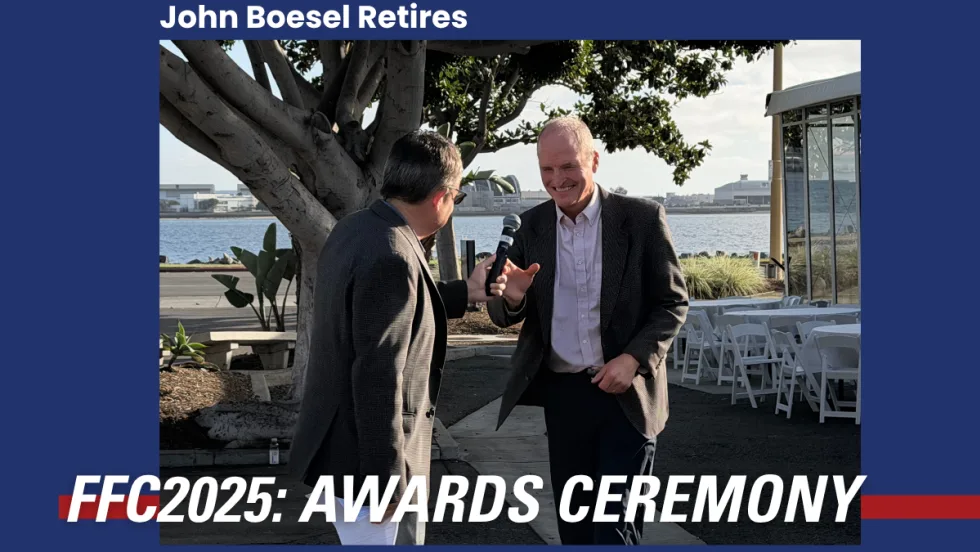
John Boesel Recognized at 2025 Fleet Forward Conference
Bobit recognized John Boesel, CEO of Calstart, who is retiring after over three decades of service.
Read More →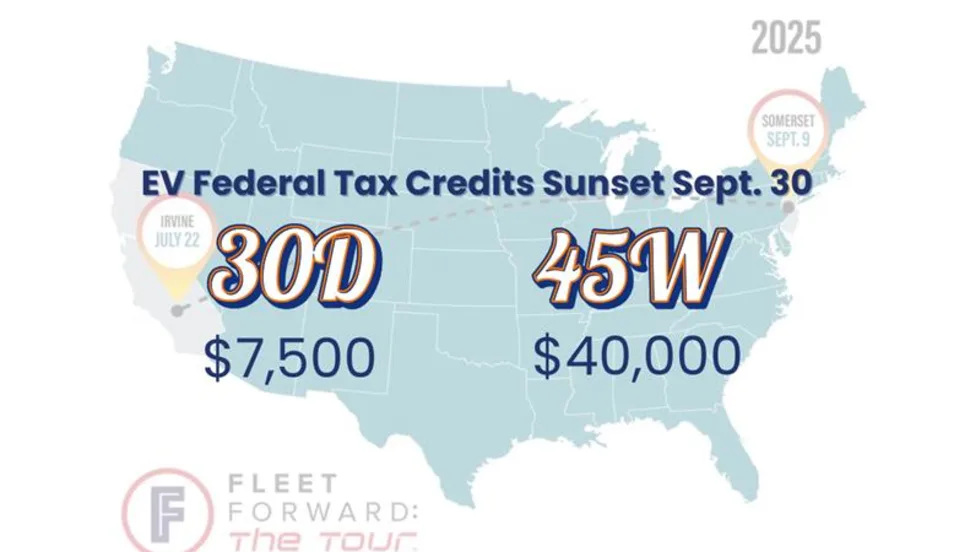
Final Push for Federal EV Incentives Highlighted at Fleet Forward Tour NJ Stop
Fleet managers in the Northeast will have a timely opportunity to take action on electric vehicle purchases at the upcoming Fleet Forward Tour stop in Somerset, NJ, on Sept. 9.
Read More →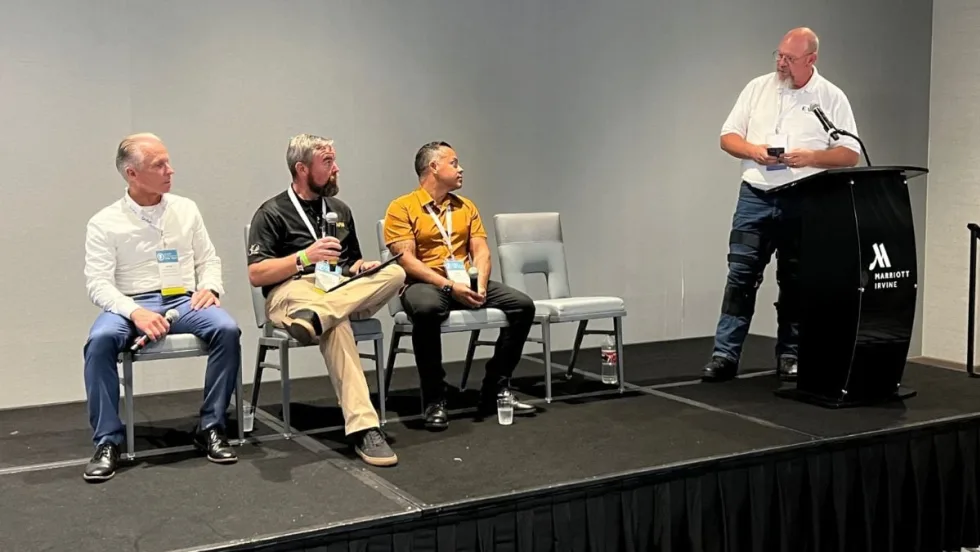
Latest Hard Realities, Top Pressures For Electric Fleets
Speakers and experts at Fleet Forward: The Tour shared hands-on, hard-won insights on how fleet operations are handling tariffs, EV charging, rules and regs, and safety issues.
Read More →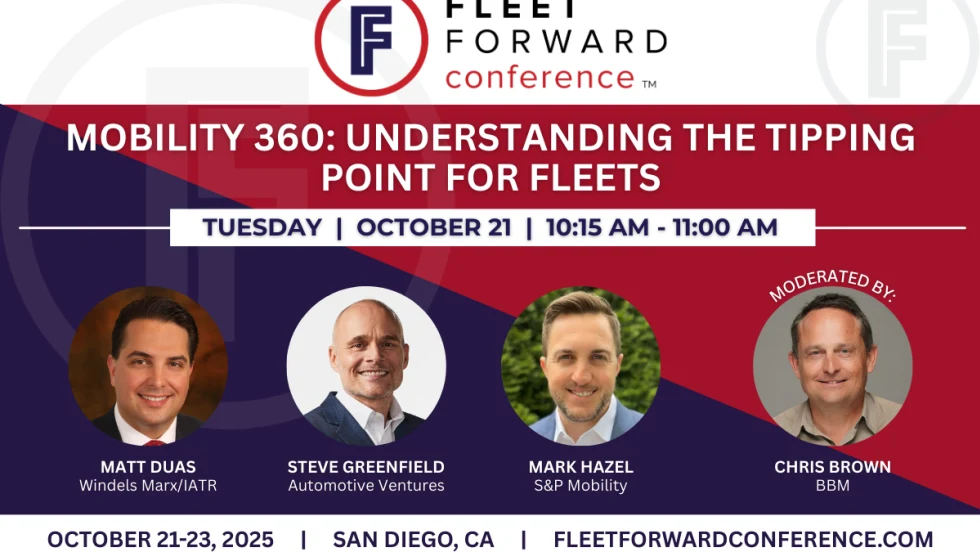
Mobility 360 Panel to Define the Fleet Industry’s Next Tipping Point
At the 2025 Fleet Forward Conference, experts in capital, policy, and data will assess which trends are transforming fleet.
Read More →