


Indigo Introduces an EV Built for the Gig Economy
How do you produce an electric commercial vehicle for $20,000? Make it lightweight and use patented robotic wheels to deliver a smooth ride. Then create a fintech ecosystem to lower delivery drivers’ cost per mile.


The purpose-built Indigo EVs will come in two variants initially, a four-wheel microvan (pictured) and a three-wheel delivery vehicle. Both are designed with a center driver seat, a removable rear bench seat, and two sliding doors for ingress and egress from either side.
Image courtesy of Indigo Technologies.
Weight is one of the biggest killers of electric-vehicle range. The average sticker price for an EV in the U.S. is over $50,000 and the average weight is 4,000 lbs. — a ratio that necessitates 95% of the electricity for most trips to be used to transport the car’s own mass.
EVs that have a better mass-to-payload ratio would allow for a smaller battery size, a more reasonable initial cost, and better cost-per-mile and CO2-per-mile performance. And yet, lighter EVs sacrifice handling, comfort, and a smooth ride. No delivery driver wants to feel every bump of a city street.
With this conundrum — and challenge — in mind, Indigo Technologies, an upstart electric OEM born at MIT, went about developing an EV for package, food, and people delivery that is lightweight yet offers the ride comfort of a traditional ICE delivery vehicle.
Indigo says it will get there in part with its patented “robotic wheel” intended to deliver the ride comfort and handling previously not achievable with conventional motor and suspension systems.
While new EV models are on the way with hub motors built into the wheels, Indigo takes the technology further by integrating a direct-drive, dual-stator electric motor with electric active suspension. Indigo’s robotic IndiWheel features adaptive, simultaneous control of horizontal propulsion and vertical suspension in steerable MacPherson strut or double wishbone configurations. The system mounts to standard wheels and 18-inch tire sizes.
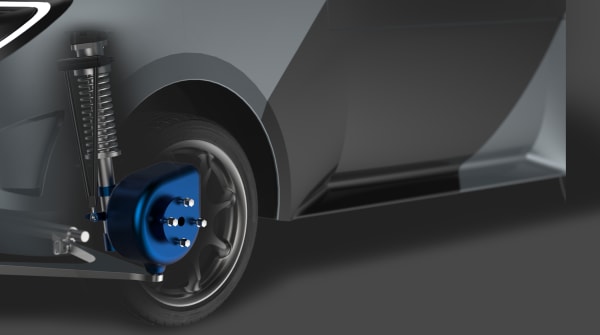
Image courtesy of Indigo Technologies.
The purpose-built Indigo EVs will come in two variants initially, a four-wheel microvan (Project Bravo) and a three-wheel delivery pod (Project Alpha). Both are designed with a center driver seat, a removable rear bench seat, and two sliding doors for ingress and egress from either side. Top speed is 80 mph.
The delivery pod vehicle will have 58.3 cu. ft. of cargo space. (For comparison, the Chevy Bolt EV with the seat-delete package has a maximum cargo volume of 66 cu. ft.) The larger Project Bravo will offer 106 cu. ft. of space, which falls in the volume range a Ford Transit Connect.
Indigo’s CEO Will Graylin sees a specific sweet spot with gig economy drivers such as those in Amazon’s Flex program who use their own vehicles. “What those drivers make on a per-hour and per mile driven basis are really important, and we designed our vehicles around that,” he says.
The delivery pod is designed to be more narrow than traditional vehicles for parking purposes, with side-mounted lights to find addresses at night and an LED display to alert delivery recipients.
With curb weights of 1,210 lbs. for Alpha and 1,650 lbs., and low GVWR (1,800 lbs. and 2,450 lbs.) the Indigo EVs can use smaller and cheaper 20 kWh or 30kWh battery packs. That means they can still offer ranges of 150 miles to over 200 miles and charge in between Amazon Flex’s three-hour shifts on Level 2 chargers.
The delivery pod accommodates the standard 50 cu.-ft. Amazon Flex container that drivers pick up at Amazon’s delivery centers. A rough estimation of payload capacity puts Project Alpha at 590 lbs. and Project Bravo at 800 lbs. These specs don’t lead the pack for conventional vans, but they don’t have to for many gig economy applications. Amazon’s Flex containers usually hold only about 200 lbs., Graylin says.

Image courtesy of Indigo Technologies.
Reducing Cost Per Mile
Because the battery is still the biggest single cost in an EV, their small size will also allow for a low starting price for a commercial vehicle: Indigo is targeting Project Alpha’s MSRP at $19,500, and Project Bravo at $23,500.
These prices are aimed at the pocketbooks of gig economy drivers and address the other conundrum in the EV ecosystem today — how to affordably put the right drivers behind the wheel. “Our competition isn’t other commercial delivery vehicles, it’s the used gas guzzlers they’re currently driving to make a living,” Graylin says.
The overall goal is to reduce the cost per mile for gig economy drivers to a point that allows them to make a reasonable margin doing their jobs. Graylin says that many drivers don’t pay enough attention to managing their vehicle costs such as depreciation, insurance, or maintenance. “Only the very experienced gig economy drivers have figured out how to do it,” he says. “The rest of them are losing money.”
In this regard, Indigo is combining with Graylin’s other company, fintech insurer OV Loop, to create a vehicle rental program. At the core of the program is an initiative that uses telematics, insurance, credit, and identification data to create a “universal digital wallet” and a portable driving score. Good drivers that opt in would get cheaper insurance, a key factor into putting a driver into an Indigo vehicle for less than 50 cents a mile with no down payment.
Indigo said it will scale production with contract manufacturing partners and will announce some of those partnerships in the coming weeks. An Alpha prototype is scheduled for production later this year, with models on the road targeted for late 2022.
On paper, Indigo’s plan to exploit a market segment with electrification would hold up in an episode of Shark Tank. Yet the realities of getting vehicles into production and road ready is at another level entirely. Graylin understands this fully.
When it comes to growing the electrification ecosystem, “It can’t just be about the vehicle,” Graylin says, adding that it takes manufacturing the right type of vehicle for the right situation and then offering targeted components such as insurance. “That’s what we’re doing, that’s our one-two punch.”
Originally posted on Automotive Fleet
More Electric Vehicles
EV Charging Use Is Outpacing Infrastructure Growth
ChargePoint’s 2026 Charging Forward Report points to rising charger use, higher-powered charging, commercial vehicle electrification, and energy-management technology. Here’s what fleets should know.
Read More →
EV Realty Names Henrik Holland President as Charging Platform Expands
The former Prologis Mobility and Shell executive will help expand EV Realty’s truck charging business and move its power-first infrastructure model into autonomous vehicle depots and other fleet sectors.
Read More →
GreenPower Expands New Mexico EV Pilot With Larger Buses, V2G Testing
After logging more than 17,000 electric miles in the first year, New Mexico’s statewide pilot is moving into its second phase with larger vehicles, continued charging evaluations, and more.
Read More →
Can EV-as-a-Service Help Fleets Scale Electrification?
Sustainability Partners CEO Adam Cain explains how matching EVs, charging infrastructure, and duty cycles can help fleets scale electrification.
Read More →
How EV-as-a-Service Is Moving Fleets Beyond Pilots
Adam Cain, president and CEO of Sustainability Partners, explains how EV-as-a-service can help fleets scale deployments by addressing duty-cycle requirements and charging challenges.
Read More →
PowerFlex, The Mobility House Join Forces to Advance Fleet Electrification
Two EV charging providers are joining forces to deliver a broader portfolio of energy management and fleet electrification solutions.
Read More →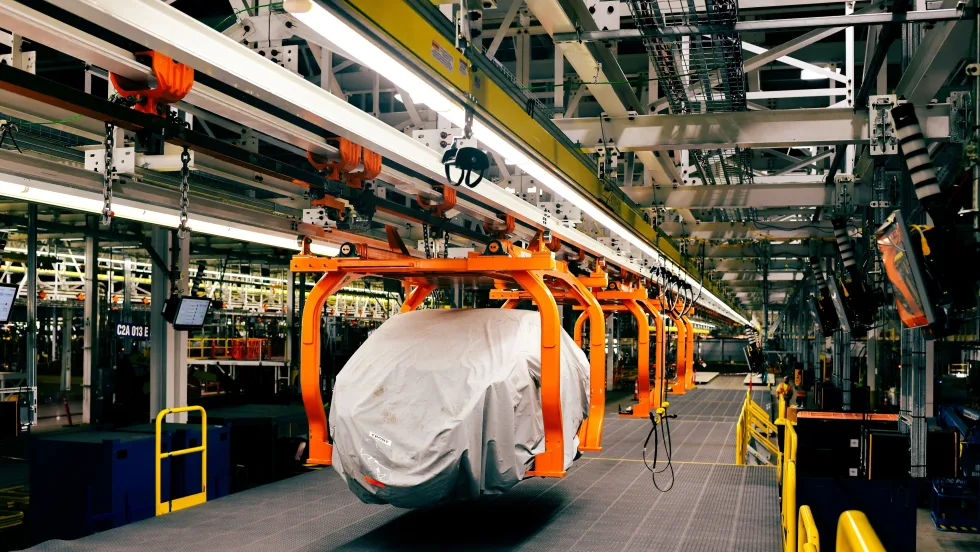
Ford Retools Louisville Plant for Fathom Electric Truck Production
Ford's $2 billion Louisville Assembly Plant overhaul introduces a three-part assembly process for the Fathom midsize electric truck, with production scheduled to begin in 2027.
Read More →
Merchants Fleet Reports 290M EV Miles as Fleets Navigate Changing Electrification Market
From millions in operating savings to hundreds of millions of EV miles, Merchants Fleet’s latest report reveals what’s working and what’s changing in fleet electrification.
Read More →
California District Commits to Electrify 25% of School Bus Fleet by 2028
One of the nation's largest school bus electrification projects to date demonstrates how grants, charging infrastructure, and public-private partnerships can help fleets transition to EVs at scale.
Read More →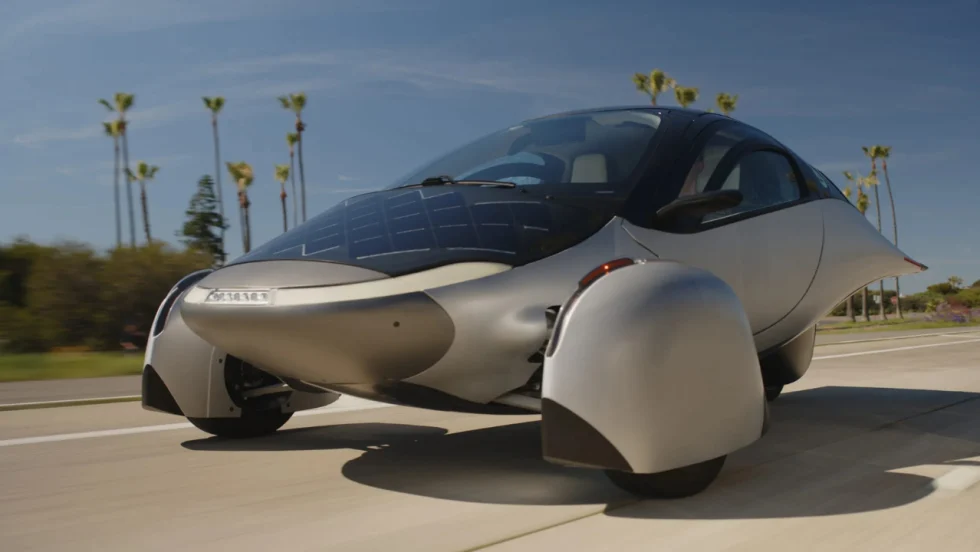
Aptera Orders Bodies and Chassis for Its First 40 Production Vehicles
Aptera Motors Corp. has issued purchase orders for the major structural components of its first 40 vehicles, and body and chassis components are expected to begin arriving in October.
Read More →