



See Also: Why There’s No Better Time for Fleet Electrification
How Will Atlis Motor Vehicles Prevail in a Crowded EV Market?
The electric truck maker is planning an IPO this summer. But in a crowded field of at least 25 independent makers of commercial electric vehicles, success entails more than just producing a truck.
May 4, 2022

Atlis Motor Vehicles’ executives Mark Hanchett, founder & CEO; Annie Pratt, president; Apoorv Dwivedi, chief financial officer; and Roger Townsend, vice president of engineering, answered questions during the company’s press conference announcing the IPO on May 4.
Photo: Atlis Motor Vehicles
3 min to read
On May 4, Atlis Motor Vehicles announced plans for an initial public offering to occur this summer. The Mesa, Arizona-based company intends to list on the Nasdaq under the ticker symbol "AMV."
Atlis is developing the proprietary battery technology, electric motors, and modular system architecture for the Atlis XT, a purpose-built electric pickup for fleets working in agriculture, service, utility, and construction industries.
Atlis distinguishes itself publicly by the fact that currently available electric vehicles “don’t have the true capabilities to compete in the work truck market,” it believes.
Atlis is out to prove that it does. Built on the Atlis XP platform, the XT is targeted to match the capabilities of gas- and diesel-powered trucks: It offers maximum towing of 17,000 lbs. and a hitch and a max tow rating of 35,000 lbs. GCWR with fifth wheel and gooseneck. Targeted maximum range is 500 miles.
XT configurations include two-door or four-door models, service body upfits, and 6.5-foot and 8-foot beds with dual rear wheel option. XT owners will be able to choose from a 300-, 400-, or 500-mile battery pack that ranges from 125kWh up to 250kWh capacity and is expected to fully charge in 15 minutes using a 1.5 MW charging station.
The specs, at least on paper, are eye popping. But how does the company plan to prevail for the long haul in a crowded field of at least 25 independent makers of commercial electric vehicles?
Atlis Motor Vehicles’ executives Mark Hanchett, founder & CEO; Annie Pratt, president; Apoorv Dwivedi, chief financial officer; and Roger Townsend, vice president of engineering, answered that question during the company’s press conference announcing the IPO.
According to Dwivedi, the public EV companies on the market today have raised on average more than $2 billion before they generate any revenue or get a product to market.
Hanchett said that unlike other companies’ three-to-five-year path to revenue, Atlis is revenue-generating today. That revenue is being generated through an agreement to supply its battery packs and platform technologies to an unnamed customer. Hanchett wouldn’t divulge further details, other than Atlis will be delivering to this customer beginning in September and over the next several years.
“We are not an EV company,” Hanchett continued. “We're not an OEM. … We are a vertically integrated technology company that focuses on electric vehicles and the surrounding infrastructure and ecosystem.”
“The (XT pickup) represents our flagship product as part of a much larger vision (involving) connected ecosystems, charging infrastructure, maintenance, service, (and) the energy side,” he said, adding that the company’s XP platform as a key to scale, as the platform can be purposed for different bodies and configurations.
Hanchett followed: “We are building out verticals that allow us to rapidly scale once we're shipping vehicles, and it starts with the battery technology. The next big hurdle is battery production. We don't see that as a bottleneck moving forward because we've actually started building battery cells.”
Dwivedi separated the market into the companies that assemble a vehicle from outsourced chassis, components, and batteries, and those such as Tesla, Rivian, and Lucid, who built from the ground up. Atlis falls into the latter, he said.
“The companies that are successful are the ones that are building the capabilities, developing the expertise, and developing the products in house. We're taking that approach and that template and taking it to the to the next level.”
Regarding orders, Pratt said Atlis has over 60,000 reservations to date. While those are “hand raisers” and not signed orders, about 20,000 of those have invested in the company’s money raises to date. “We believe those 20,000 are going to convert at a significantly higher rate than just the unpaid hand raisers,” she said.
Pratt also mentioned a signed contract from a company called Australian Manufactured Vehicles to purchase 19,000 trucks in Australia as soon as production is ready.
Originally posted on Automotive Fleet
Subscribe to Our Newsletter
More Electric Vehicles
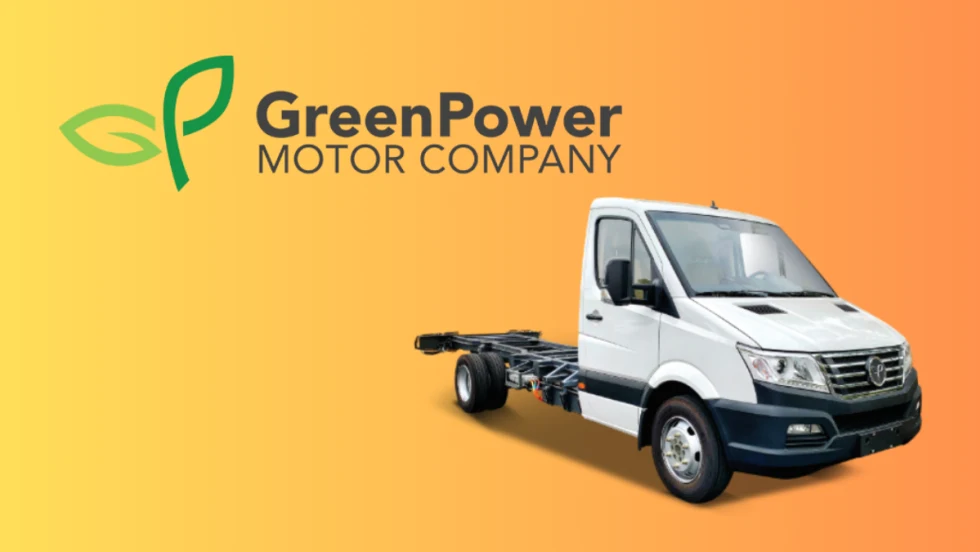
GreenPower Plans 50 Electric Shuttle Buses for Mexico
GreenPower plans to build 50 electric shuttle buses for Mexico using its EV Star Cab & Chassis platform, partnering with local body builders to expand its market reach.
Read More →
Who You Gonna Call? Rivian Turns Electric Vehicles Into Ghostbusters Rides
Rivian teams up with Sony Pictures for a Ghostbusters-inspired Halloween software update, complete with custom sounds, lighting effects, and a special Ecto-R1.
Read More →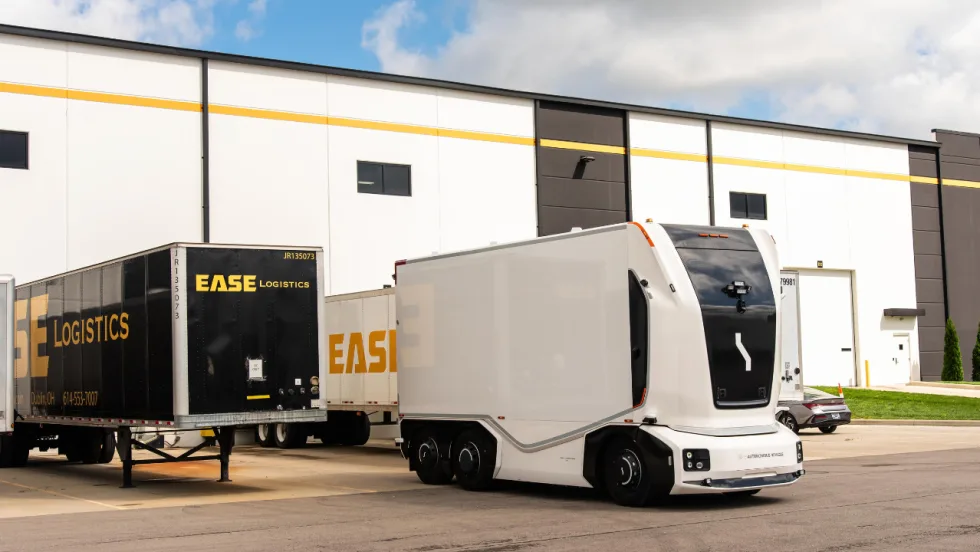
Einride Electric Driverless Trucks Begin Daily Freight Operations in Ohio
Two cabless electric trucks are now moving freight between EASE Logistics facilities, putting autonomous EV technology into daily commercial operations.
Read More →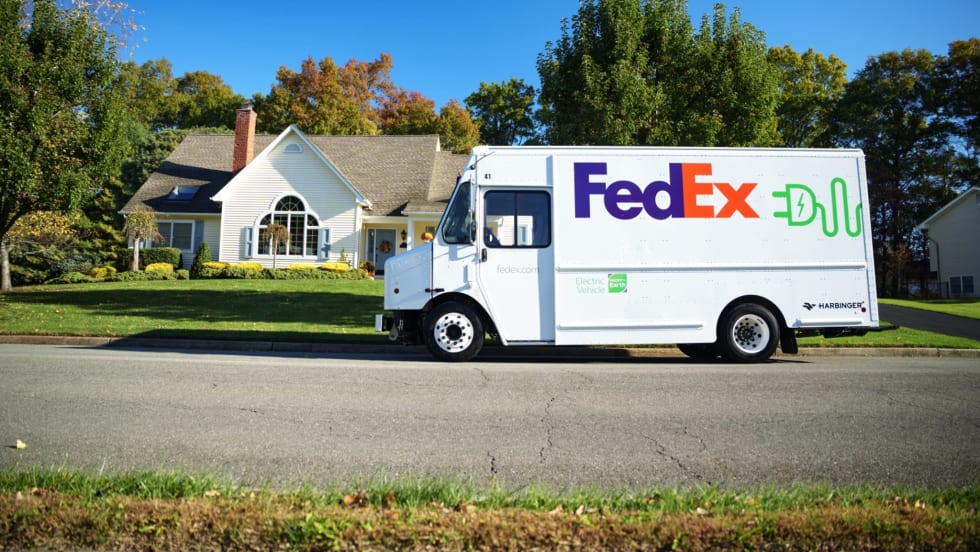
FedEx Orders 2,000 Harbinger Electric Trucks in $300 Million Deal
The Class 5 and 6 electric trucks are planned for delivery by the end of 2027 and will be deployed in FedEx pickup and delivery operations across the U.S. and Canada.
Read More →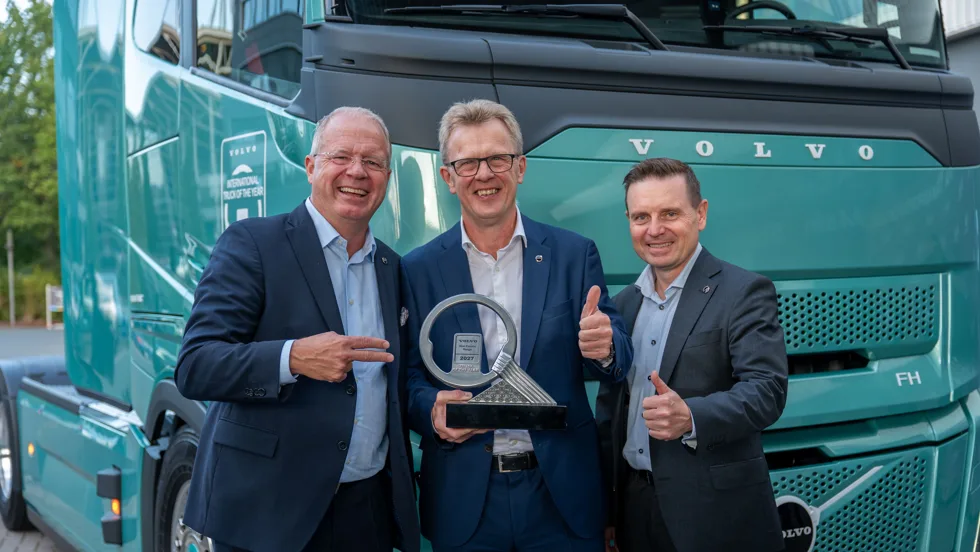
Volvo Trucks’ Electric Range Named International Truck of the Year 2027
The award recognizes Volvo’s global heavy-duty electric lineup, while more than 750 VNR Electric trucks have accumulated nearly 37 million miles in U.S. and Canadian fleet operations.
Read More →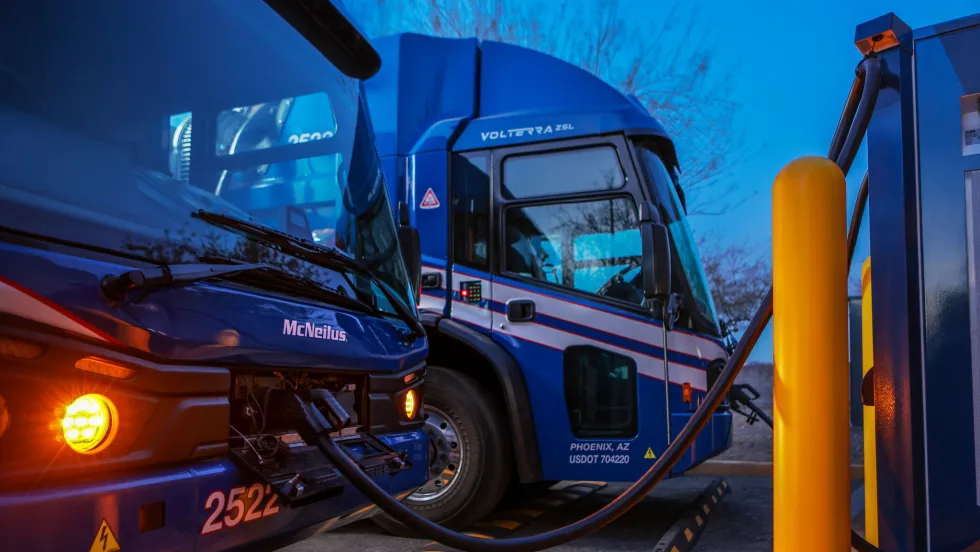
How Republic Services Decides Where Its Next Electric Trucks Can Go
With 250 electric collection trucks now in service, Republic Services is learning that scaling electrification depends less on proving the vehicle and more on whether each site can support what comes next.
Read More →
EV Charging Use Is Outpacing Infrastructure Growth
ChargePoint’s 2026 Charging Forward Report points to rising charger use, higher-powered charging, commercial vehicle electrification, and energy-management technology. Here’s what fleets should know.
Read More →
EV Realty Names Henrik Holland President as Charging Platform Expands
The former Prologis Mobility and Shell executive will help expand EV Realty’s truck charging business and move its power-first infrastructure model into autonomous vehicle depots and other fleet sectors.
Read More →
GreenPower Expands New Mexico EV Pilot With Larger Buses, V2G Testing
After logging more than 17,000 electric miles in the first year, New Mexico’s statewide pilot is moving into its second phase with larger vehicles, continued charging evaluations, and more.
Read More →
Can EV-as-a-Service Help Fleets Scale Electrification?
Sustainability Partners CEO Adam Cain explains how matching EVs, charging infrastructure, and duty cycles can help fleets scale electrification.
Read More →