



Related article: 24 Data-Driven Takeaways
Electric Vehicle Growth Closely Tied to Data
The recent Data Driven Fleet Experience featured two sessions on optimizing EV growth for fleets and using data to drive duty cycles.
May 12, 2021
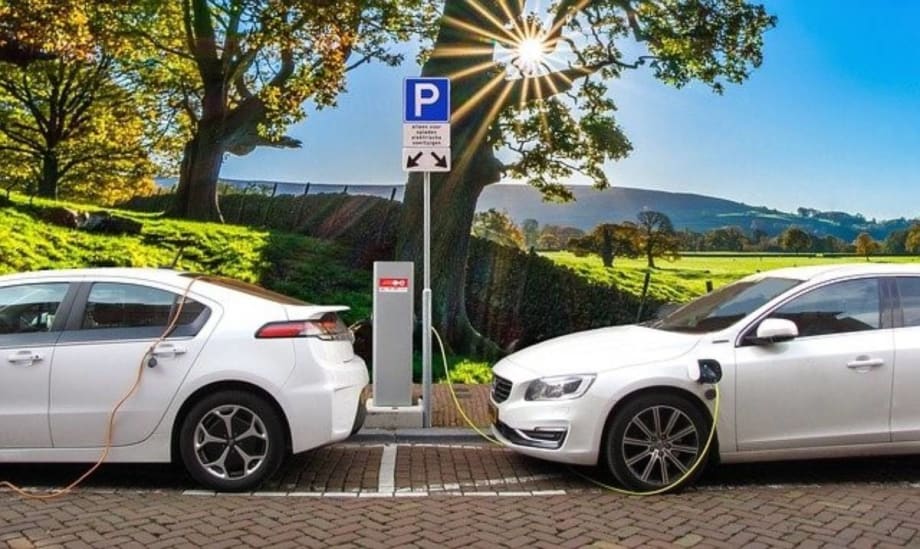
EV fleet duty cycles must match charging access and timing.
Photo: Pixabay photo by Joenomias
6 min to read
The evolution of electric vehicles will increasingly depend on data to make the best use of them while manufacturers and suppliers will need to target their messages to meet the needs of fleet managers.
The growing fleet interest in electrification has accelerated throughout 2020 and into 2021, creating demand for more resources. The first ever Data Driven Fleet Experience, a virtual conference, was held April 19-23 and offered two sessions aimed toward EV users:
Duty Cycles: Which Are Right for Your Fleet?
In a session titled, “Which Duty Cycles are Right for EVs?, Dain Giesie of Enterprise Fleet Management, Mary Till of Sawatch Labs, and Eric Foellmer of XL Fleet shared fleet feasibility studies, actual anonymized use cases, and cost-benefit analyses to discuss the big picture of the EV market today and the roadmap to electrify larger classes of commercial vehicles.
Session recording: https://fleets.datadrivenfleetexperience.com/sessions/which-duty-cycles-are-right-for-evs
Based on an extensive study of all types of vehicles across different fleets, about 13% of 92,000 collective vehicles were deemed feasible to electrify today without further consideration. The study looked at macroeconomic inputs and certain operational components as well as battery compatibility, how the vehicles were being used, access to central locations for potential charging, duty cycles, peak and off-peak charging demands. That percentage was higher than what the study experts had anticipated. It soared to 45% when factoring in new electric pickup trucks and other models coming out over the next three to five years.
In an analysis of one last-mile delivery fleet of Ford Transit vans with hybrid/electric powertrain conversions by XL Fleet, the sweet spot for realizing higher MPG was trip distances of 20 to 50 miles; ambient temperatures under 104 degrees; average speeds of 35 to 45 mph; lower acceleration ranges; and idling of less than 15% per trip. Duty cycles with high idling show a higher-than-expected negative effect on overall efficiency and sustainability performance.
EV analysts now have the tools to move away from broad assumptions that use averages and more toward truly assessing if specific electric vehicle models fit the needs of a fleet, using high fidelity data sources.
Telemetry can provide the granular data to more quickly assess, process and analyze large amounts of intersecting data. Using such dynamic data and advanced analytics, fleet managers can get informed results that deliver an extremely high level of confidence in how they deploy EVs among drivers and in fleets. The combination of high-fidelity data and big data analytics will provide the breakthrough to get fleet usage and duty cycles targeted for maximum performance and cost savings.
With advanced data and analytics, fleet operations can start planning out infrastructure and duty cycle needs and determine which duty cycles and particular EV models are best suited to particular charging time frames and routines. Such information can empower fleet managers to make the most efficient usage decisions.
Avoid big mistakes; don’t put an EV where it doesn't belong. Keep positive momentum for electrification and EV adoption. You want drivers to be excited about that electric vehicle and how it rides and drives and to be comfortable using it. Project needed infrastructure planning for today and the future and use a data-driven approach across the board.
Work with your utility to assess charging infrastructure needs, accesses, rates, and availability for your fleet.
EVs and hybrid plug-ins can operate in a wide variety of ambient temperatures, bug behaviors and factors such as speed, acceleration, idling, gradients, and distance ranges will ultimately determine the quality of daily vehicle performance.
It’s relatively easy to get good lifecycle cost data on EVs for budgeting purposes. But what needs to be considered more closely upfront, particularly for commercial EVs, is the cost to install and maintain the charging infrastructure. It’s a long-term capital investmenthandled differently in accounting. Because there is no capital outlay for gas or diesel infrastructure, EV infrastructure must be amortized to pencil a true ROI for fleet EVs.
In choosing when and how to electrify a fleet, start with easy wins. There is a lot of information about light duty EVs and fleets. Ask EV advocates, fleet end users, and EV owners about how the vehicles work for them. See which departments in your company or organization are interested in doing electrification. Start targeting where infrastructure makes sense, where you have motivated drivers, and where you have those vehicles with model availability today and get started and talk to your policymakers. Talk to facility operators, sustainability experts, and your utilities. This is not just a fleet decision. There are many stakeholders involved in successful fleet electrification. Bring them together early and build a plan together. Understand the goals and responsibilities and use data to make those decisions.
Optimizing EV Growth
In a session titled “Optimizing EV Growth: What Fleet Managers Need,” Rick Sauter of Allstate Leasing, Mike Roeth of the North American Council of Freight Efficiency, and Eddie Fidler of ARC Advisory Group talked about how electrification market trends can help inform fleet managers and providers as they focus on the best methods, products and services in electrifying fleets.
Session recording: https://fleets.datadrivenfleetexperience.com/sessions-1/28166/optimizing-ev-growth-opportunities-for-solution-providers
From the end of 2019 to end of 2020, electric vehicles on the road rose from seven million to 10 million. The sector is showing plenty of signs of strong growth and future momentum.
Fleet managers first must consider WHERE they will electrify their fleets. The U.S. now has 30,000+ electric vehicle charging stations compared to about 200,000 gas stations. Fleet managers must consider the number of miles on average they will be putting on EVs and the availability of the local network of charging stations.
Based on observed studies, the savings on operating and maintenance costs can range from 45% to 75%, with the sweet spot at 50-60%. One challenge for EV operators will be the availability of certified and/or qualified independent repair technicians in close proximity who can fix vehicles fast enough to minimize time spent out of service.
Total cost of ownership (TCO) is justifying the growth of EVs in more and more public and private sector fleets. However, some fleet niches such as law enforcement could be electrifying faster given their potential to perform. Both TCO and CO2 emissions are increasingly favorable to electric vehicle models.
Another question mark for fleet managers is the lack of data on depreciation on remarketing costs due to the relative newness of EVs and the fact that many of not yet reached the end of their service terms in fleets.
When evaluating Class 1-8 trucks, the ones in the medium duty category that serve in urban settings so far are the most amendable to electrification based on several factors. Those would include total costs of ownership, charging infrastructure, range, and routes. Terminal tractors that move trailers around ports and yards along with drayage trucks that move freight would also be a good fit for electrification.
Fleet managers need to balancing regulations that require electric vehicles or limit other alternative vehicles with the costs and benefits of immediate electrification. Strict regulations in certain regions can sometimes challenge or counteract the near-term economic sense of adopting electric vehicles.
Fleet operations and managers should look for ways to communicate the story of their journey to electrification to share cost savings and benefits as well as challenges and goals. This helps win over potential customers as well as encourage other fleets to electrify. Case studies and white papers are common media tools that can spread messages about electric vehicle conversions.
Data is king. As EVs gain road and performance time, the increasing volume to data can inform more accurate decisions and economies of usage. That will help operators optimize their electric vehicles and get the best value out of them.
Subscribe to Our Newsletter
More Electric Vehicles
EV Charging Use Is Outpacing Infrastructure Growth
ChargePoint’s 2026 Charging Forward Report points to rising charger use, higher-powered charging, commercial vehicle electrification, and energy-management technology. Here’s what fleets should know.
Read More →
EV Realty Names Henrik Holland President as Charging Platform Expands
The former Prologis Mobility and Shell executive will help expand EV Realty’s truck charging business and move its power-first infrastructure model into autonomous vehicle depots and other fleet sectors.
Read More →
GreenPower Expands New Mexico EV Pilot With Larger Buses, V2G Testing
After logging more than 17,000 electric miles in the first year, New Mexico’s statewide pilot is moving into its second phase with larger vehicles, continued charging evaluations, and more.
Read More →
Can EV-as-a-Service Help Fleets Scale Electrification?
Sustainability Partners CEO Adam Cain explains how matching EVs, charging infrastructure, and duty cycles can help fleets scale electrification.
Read More →
How EV-as-a-Service Is Moving Fleets Beyond Pilots
Adam Cain, president and CEO of Sustainability Partners, explains how EV-as-a-service can help fleets scale deployments by addressing duty-cycle requirements and charging challenges.
Read More →
PowerFlex, The Mobility House Join Forces to Advance Fleet Electrification
Two EV charging providers are joining forces to deliver a broader portfolio of energy management and fleet electrification solutions.
Read More →
Ford Retools Louisville Plant for Fathom Electric Truck Production
Ford's $2 billion Louisville Assembly Plant overhaul introduces a three-part assembly process for the Fathom midsize electric truck, with production scheduled to begin in 2027.
Read More →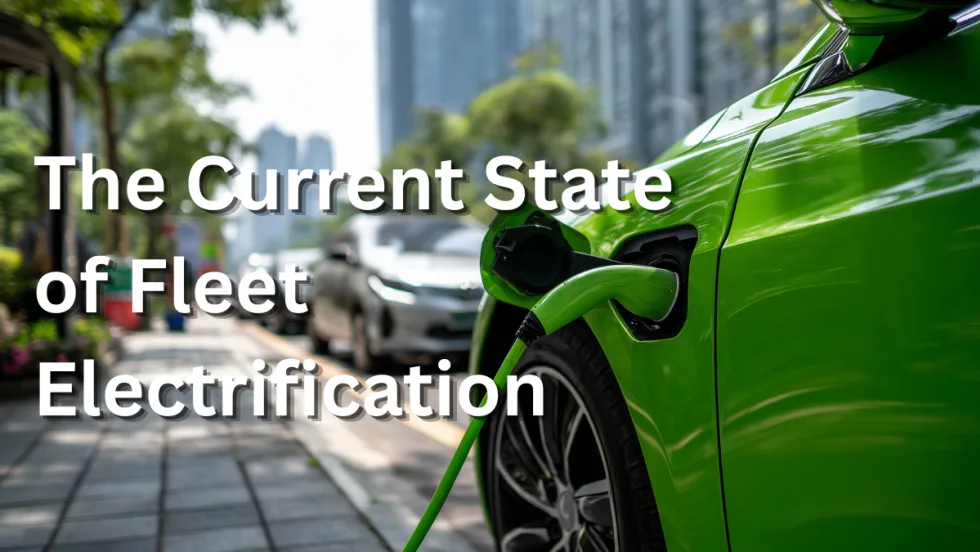
Merchants Fleet Reports 290M EV Miles as Fleets Navigate Changing Electrification Market
From millions in operating savings to hundreds of millions of EV miles, Merchants Fleet’s latest report reveals what’s working and what’s changing in fleet electrification.
Read More →
California District Commits to Electrify 25% of School Bus Fleet by 2028
One of the nation's largest school bus electrification projects to date demonstrates how grants, charging infrastructure, and public-private partnerships can help fleets transition to EVs at scale.
Read More →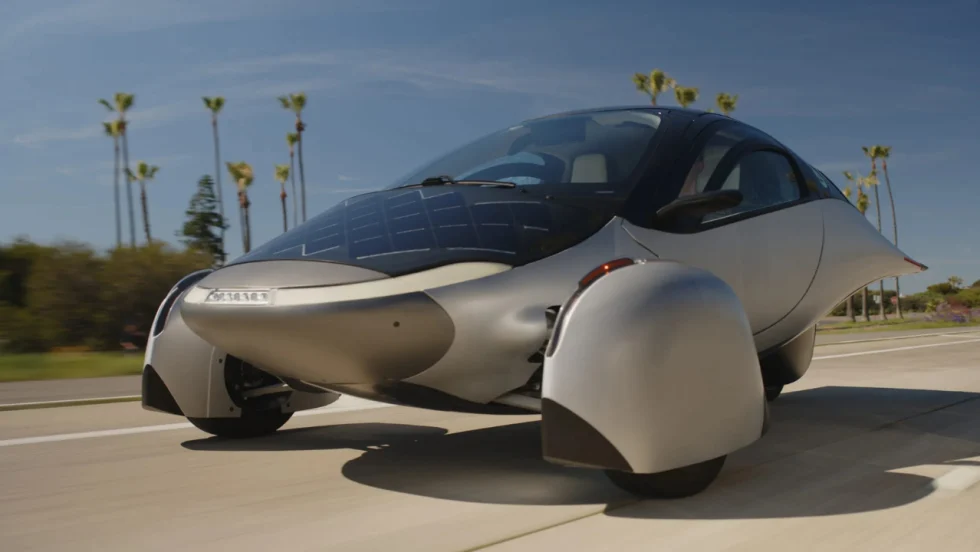
Aptera Orders Bodies and Chassis for Its First 40 Production Vehicles
Aptera Motors Corp. has issued purchase orders for the major structural components of its first 40 vehicles, and body and chassis components are expected to begin arriving in October.
Read More →