


Corporate Fleets Aim for “Greener” Operations
Through use of telematics, alternative-fuel and hybrid vehicles, idling reduction policies, and other efforts, various corporate fleets have reduced their vehicle emissions, contributing to their companies’ sustainability goals.

ComEd's green fleet includes biodiesel and hybrid vehicles, like this hybrid bucket truck.
As fuel prices continue to rise, many companies are finding their corporate sustainability goals beneficial not just in reducing greenhouse gas emissions, but also in lowering fleet operating costs. With manufacturers offering more alternative-fuel vehicle options and the increasing sophistication of telematics technology, corporate fleets have found successful ways to reduce their carbon footprints. The following corporate fleets discuss their methods and emissions reductions.
■ Pfizer Reduces CO2 Emissions by 15 Percent
One sustainability success story regarding New York-based pharmaceutical company Pfizer's fleet is a 15-percent reduction in total CO2 emissions (6-percent reduction per vehicle) between 2008-2010.
Pfizer's green fleet strategy relies on demand management, driver training, and leveraging new drivetrain and alternative-fuel technology when practical.
Fleet efforts are consistent with Pfizer's overall environmental strategy, according to the company. In addition to meeting previous greenhouse gas commitments, Pfizer has a second-generation greenhouse gas goal to reduce its total CO2 footprint by 20 percent from 2008 through 2012. Fleet, totaling 11 percent of Pfizer's footprint, is part of this effort, and green fleet initiatives have already led to an 11-percent total and 4-percent normalized reduction in 2009, according to Pfizer.
■ EMD Millipore Embraces Hybrid Fleet
Through its greening efforts, Billerica, Mass.-based life sciences tools and technology provider EMD Millipore implemented a 33-percent hybrid fleet into its North American operations and also plans to save more than 140,000 gallons of gasoline while significantly cutting CO2 emissions.
The company leases a global fleet of 1,200 vehicles, 327 of which are utilized by personnel within U.S. borders.
In 2008, the company revamped its entire fleet program. Fleet began incentivizing its eligible drivers to select a hybrid vehicle through a cash payment after they had taken delivery of the vehicle. This is funded by the fuel savings the company receives.
The company hopes to cut total greenhouse gas (GHG) emissions 20 percent over the 2006 baseline by 2011, according to David Newman, head of sustainability and Environmental Health & Safety. This includes emissions from company facilities, purchased energy, and fleet vehicles.
At the end of 2009, the company operated 104 hybrid vehicles, contributing greatly to a 15-percent total GHG reduction, with many programs lined up to help achieve the ultimate goal of 20 percent, according to the company. It is also looking at increasing the use of four-cylinder engines as another way to increase fuel efficiency and reduce GHG emissions.
Fleet has also moved to vehicles with better fuel mileage and eliminated use of all-wheel-drive vehicles in warm climates, further reducing consumption.
EMD ultimately hopes to globalize its alt-fuel vehicle program.
■ ComEd Launches Fleet-wide Program to Reduce Idling
Illinois-based utility ComEd (Commonwealth Edison Company) is making a major effort to reduce idling among its fleet of 3,100 vehicles with its "12 Ways to Green" campaign, which aims to educate customers about ways to save money and reduce their carbon footprint.
According to the company, if vehicle idling were reduced by one hour per day among ComEd's vehicle fleet, the company could reduce an estimated 4.5 million lbs. of carbon dioxide emissions each year and save $724,000 in fuel costs.
ComEd is further reducing greenhouse gas emissions by utilizing alternative-fuel vehicles such as hybrids and soy-based biodiesels in its fleet. ComEd said it was among the first utilities in the country to add hybrid bucket trucks to its fleet. The hybrid truck uses a battery instead of the engine to operate the bucket, eliminating idling time.
Avoiding vehicle idling is the latest in ComEd's "12 Ways to Green" campaign. This campaign also supports Exelon 2020, an aggressive environmental strategy by ComEd's parent company, Exelon, to reduce, offset, or displace more than 15 million metric tons of greenhouse gas emissions per year by 2020.
"Vehicle idling wastes fuel, and excessive idling can actually damage an engine's components," said George Malek, ComEd Energy Doctor.
ComEd has also made a commitment to creating a green fleet, which comprises more than 2,400 vehicles out of its total fleet of 3,100 vehicles:
■ 1,909 trucks running on biodiesel fuel (20-percent soybean oil, 80-percent diesel).
■ 307 E-85 flex-fuel vehicles capable of being fueled with ethanol.
■ 17 hybrid/biodiesel.
■ 182 hybrid/gasoline.
■ 10 hybrid plug-in electrical vehicles.[PAGEBREAK]
■ Alt-Fuel & Telematics Help Cox toward Sustainability Goals
Through Cox's national sustainability program, Cox Conserves, the company plans to reduce its annual companywide carbon footprint by 20 percent by 2017. This effort is expected to save 172,000 tons of greenhouse gas (GHG) emissions annually. On the fleet side, utilizing alternative-fuel vehicles and telematics technology have helped achieve some of these reductions.
As of the beginning of this year, the Cox fleet included 1,400 biodiesel-capable vehicles; 285 hybrids; 200 E-85 gas vehicles; 14 electric security vehicles; three natural gas vehicles; and one pilot CNG vehicle.
Among the hybrid vehicles are nine hybrid bucket trucks, which provide fuel savings of nearly 60 percent with the gasoline engine off and the electric motor powering the vehicle. Diesel emissions are completely eliminated when the hybrid truck operates equipment solely on the truck's battery power, according to the company. With an estimated fuel savings of 1,000-1,500 gallons of fuel per truck annually, this equates to significant cost savings and yearly GHG reductions of 11-16.5 tons.
In addition, in the past few years, Cox Communications, the company's cable and broadband communications subsidiary, has installed Trimble GPS technology in more than 5,000 Cox vehicles. The fleet management solution enabled the company cut more than 25 million lbs. of CO2.
Other environmentally friendly vehicle programs at Cox include: requiring executives to select cars that achieve 27 mpg or better, reserving prime parking spots for fuel-efficient vehicles, and allowing employees who participate in the alternative transportation program to check out hybrid vehicles from the company fleet.
■ Park Ellis ServiceMaster Cuts Fuel & Maintenance Costs Using GPS
Park Ellis ServiceMaster, a cleaning and disaster restoration services provider based in Ohio, has been able to cut costs in its operations using a fleet tracking solution.
Park Ellis ServiceMaster reduced fuel costs by 10 percent using Atlanta-based Discrete Wireless, Inc.'s MARCUS Fleet Tracking solution. Besides saving fuel costs, it has also helped the company reduce maintenance costs while improving customer service levels.
Jeff Amstutz, operations manager for Park Ellis ServiceMaster, researched several GPS fleet tracking solutions and GPS-enabled smartphones before selecting the MARCUS Fleet Management solution due to its ease of use and value.
"MARCUS proved to be the most economical solution for our organization and I knew we could achieve substantial savings in fuel, maintenance, and operational costs," Amstutz said.
Since implementing the fleet tracking solution and the MARCUS Drive integrated dispatching solution, Amstutz has been able to verify the location of his vehicles, improve communication with his drivers (20-percent increase in driver productivity), and ultimately provide better customer service by providing clients with an estimated time of arrival. Additionally, system features such as the 32-point geo-fencing have increased security for his company's vehicles since Amstutz knows where the drivers are at all times.
With two offices located in Toledo, Ohio, Park Ellis ServiceMaster dispatches trained and equipped technicians in the event of an emergency. The company is EPA-certified and offers Clean Green products to reduce its environmental impact.
■ VPSI Vanpools Cut Fuel Costs & Emissions
VPSI's use of Ford E-Series vanpools has helped take 18 million commuter trips off the nation's roadways each year, conserving more than 34 million gallons of fuel and reducing CO2 emissions by 332,000 tons.
VPSI operates large passenger vans and minivans, with 70 percent of its 6,000-plus vehicle fleet comprised of Ford E-150, E-250, and E-350 models, carrying between nine to 15 riders in each unit. The rest are Dodge, Chrysler, Toyota, and Ford minivans carrying seven passengers.
"We believe we have the most ecological Ford vehicles on the road," said Steve Pederson, vice president, Fleet and Risk Management, VPSI, who calculated 150 passenger miles-per-gallon savings by multiplying the 15 mpg achieved by Ford E-Series vans by 10 passengers. Since some VPSI Ford commuter vanpools seat even more than 10, the fuel savings potential is even greater.
VPSI defines a vanpool as a group of 7 to 15 people that commutes to and from work on a regular basis. VPSI provides the vehicle, a comprehensive maintenance and repair program, insurance, and back-up vans. The group of commuters shares the monthly operating expense.
According to Pederson, VPSI was able to get the base vehicles "manufactured to our specifications directly from the factory, which helped minimize waste." VPSI modified the Ford E-Series vans to include center aisle seating for easy boarding, reclining luxury seating, and individual overhead reading lights.
"The vans are very comfortable, and they make commuting time more productive because passengers can read, catch up on their work, or even sleep while riding to work instead of coping with the daily grind of traffic congestion," said Pederson.
Vanpooling also helps passengers reduce wear and tear on their personal vehicles and enables them to save money. The average vanpool commuter can save $5,000 per year compared with the cost of driving to work alone, according to Michael Norvell, vice president, business development, VPSI.
Originally posted on Automotive Fleet
More Legal/Legislative
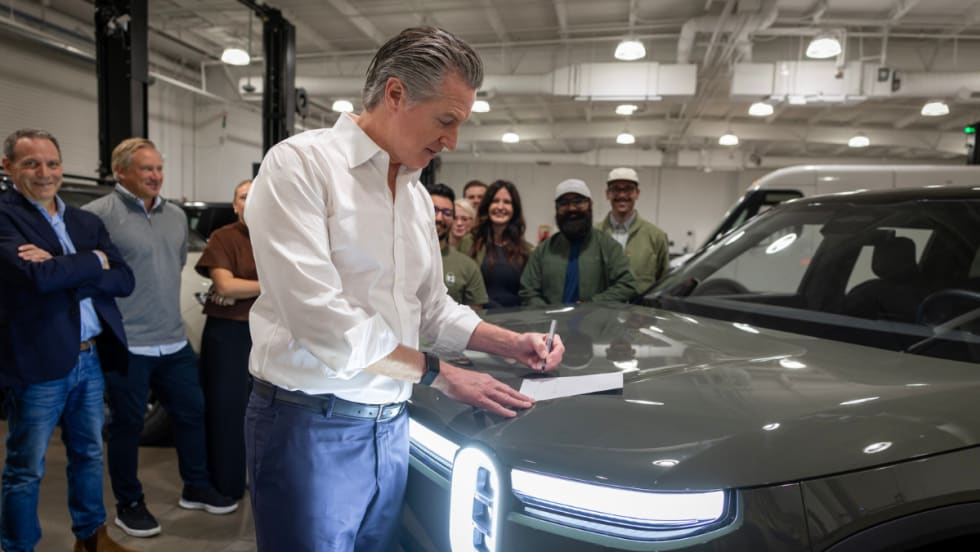
California Governor Approves Instant ZEV Rebates For First-Time Buyers
That instant rebate is the centerpiece of a broader $600 million package Governor Newsom signed into law, keeping California active in the global clean transportation race.
Read More →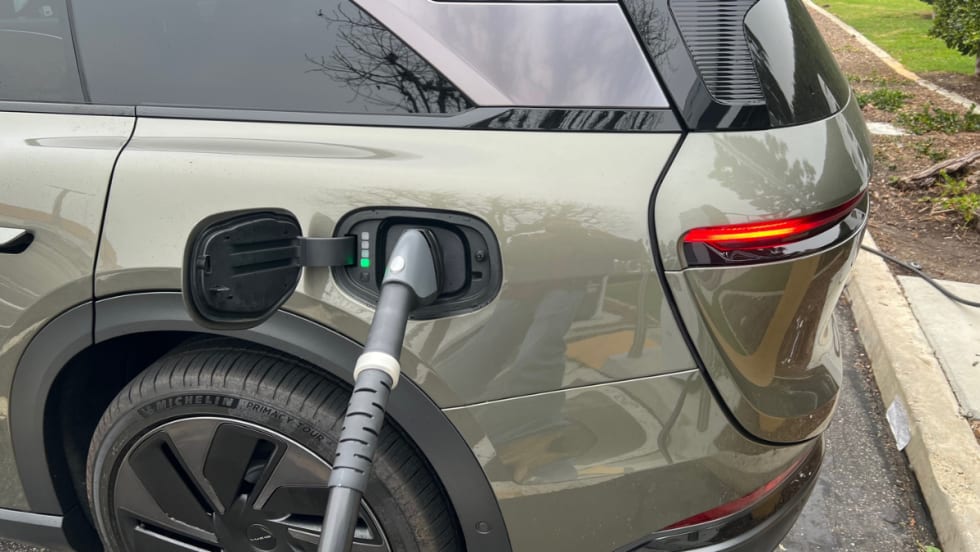
Used EVs Set Wholesale Sales Record In Q1
Rising gas prices may have boosted demand last month, as dealers pursued potential opportunities with more affordable used EVs.
Read More →
OEMS Expose Overdue EV Truths
Recent announcements from two automakers underscore a significant shift in the electric vehicle market, driven by EV losses and changing strategies. [VIDEO}
Read More →
The Freedom Era For Electric Vehicles
Season 2 Episode 1 of The Off-Peak premieres as the electric vehicle market no longer benefits from federal tax credits that expired at the end of Q3 2024. What does this mean for the future appeal of EVs?
Read More →
New Research Shows Renewed Potential And Tolerance For EVs
A new EV consumer survey finds partisan resistance is easing, but concerns around cost, incentives, and charging access still shape buyer interest.
Read More →
2025 Generated Big Headlines In The EV World
The EV industry entered a new more nuanced phase defined by realities and practical outcomes after a few years of grand visions, media hype, and bold investments.
Read More →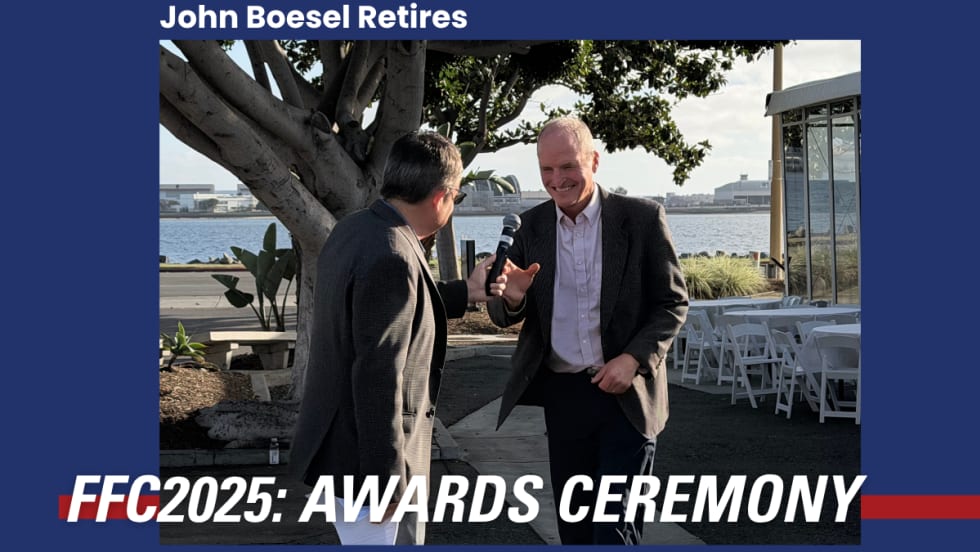
John Boesel Recognized at 2025 Fleet Forward Conference
Bobit recognized John Boesel, CEO of Calstart, who is retiring after over three decades of service.
Read More →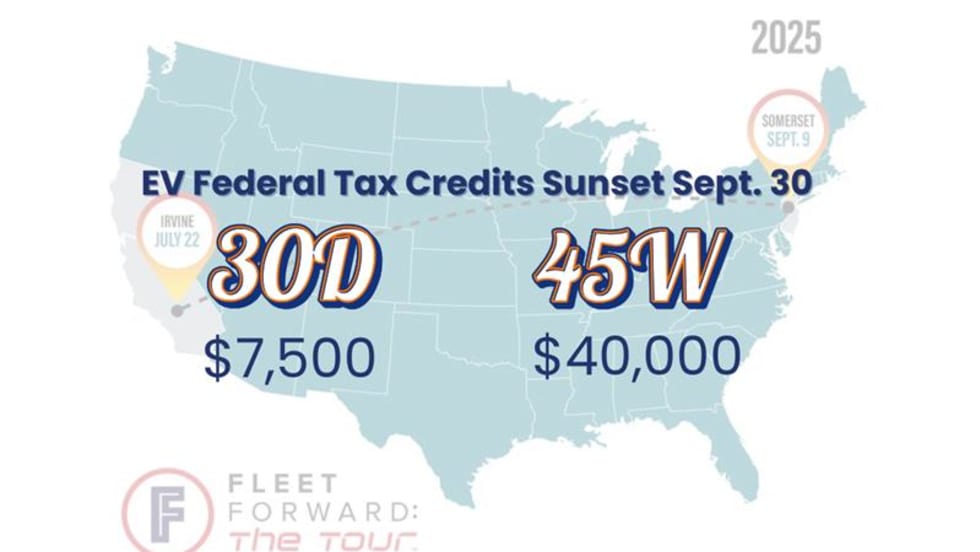
Final Push for Federal EV Incentives Highlighted at Fleet Forward Tour NJ Stop
Fleet managers in the Northeast will have a timely opportunity to take action on electric vehicle purchases at the upcoming Fleet Forward Tour stop in Somerset, NJ, on Sept. 9.
Read More →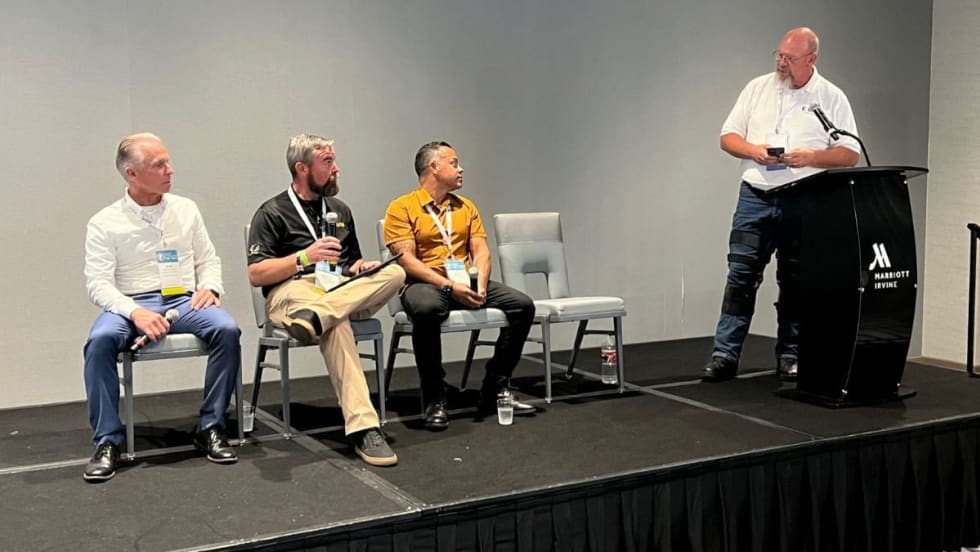
Latest Hard Realities, Top Pressures For Electric Fleets
Speakers and experts at Fleet Forward: The Tour shared hands-on, hard-won insights on how fleet operations are handling tariffs, EV charging, rules and regs, and safety issues.
Read More →
Mobility 360 Panel to Define the Fleet Industry’s Next Tipping Point
At the 2025 Fleet Forward Conference, experts in capital, policy, and data will assess which trends are transforming fleet.
Read More →