


City Fleet Finds Use For Electric Vehicles
Florissant, Missouri takes delivery of 10 units and rustproofs them for long life.
Energy prices have become a major factor in vehicle selection and as a result of the high price of gasoline, fleets have begun to look about for alternate means to propel their units. Electric vehicles have become a part of this trend, albeit on a small scale. EV's are finding their way into all types of fleets ranging from commercial to governmental.
One government unit that recently joined the move towards EVs is Florissant, Missouri.
This city of 72,000, located 17 miles northwest of St. Louis, is getting 10 electric cars, pickup trucks and stepvans for its fleet of vehicles to help ease the financial burden imposed on the budget by soaring gasoline prices.
"We need to find alternative methods to the internal combustion engine," says Jack Kretzer, the city's director of public works. "Gasoline costs too much."
Florrisant was one of 24 cities chosen by the Department of Energy to be a site demonstrator to prove that electric vehicles are feasible in all city and county fleet uses. DOE is paying the $15,400 cost per vehicle for Florissant. The city was chosen February 22, got its first vehicle May 13 and expects to have all 10 by fall. The 10 vehicles will represent 16 percent of the city's vehicle fleet.
"There isn't a job here, except garbage pickup, that can't be done with electric vehicles," Kretzer insists. "I even think some police work can be done in electric cars."
Kretzer says the cars can easily go 55 mph and travel 70 miles before a recharge. Charging the batteries will be as simple as plugging a cord into a socket. The battery system (the battery itself is lead acid) was designed by Western Research Industries in Las Vegas. The company purchases remanufactured bodies - Florissant is getting Datsun bodies - and installs its battery system in the vehicles. Kretzer estimates that each of Florissant's vehicles, except police cars, travel from 10 to 55 miles per day.
The city's new electric cars require approximately one kilowatt hour of electricity for each mile of operation. With a cost of about five cents per kilowatt hour, the price for operating the new electric fleet compares favorably with gasoline powered cars. But Kretzer says the real savings is in maintenance. "Maintenance should be half the cost of the conventional car and the electric vehicles should last longer, up to 10 years," he said.
To ensure a long life for the new vehicles, Kretzer commissioned Ziebart dealer Charlie Burge to do the rustproofing. Burge has the contract for all Florissant vehicles, but said the new electric models presented a special challenge.
"We had to be darn careful not to spray sealant on the electrical system or we could have shorted the whole motor," Burge explained. Burge's technicians solved the problem by wrapping the motor in plastic before processing.
The second problem, according to Burge, was curiosity. Burge said so many visitors came to take a look at the new vehicles that it caused a lengthy delay in performing the rust-proofing.
Kretzer is enthusiastic about the electric vehicles, and said he can't wait until they are incorporated into his fleet.
"It's exciting to be part of an important project like this," he said. "I have a lot of confidence in these vehicles. Electric cars aren't toys anymore. They're here, and they're doing a job for us."
Originally posted on Automotive Fleet
More Vehicle Research
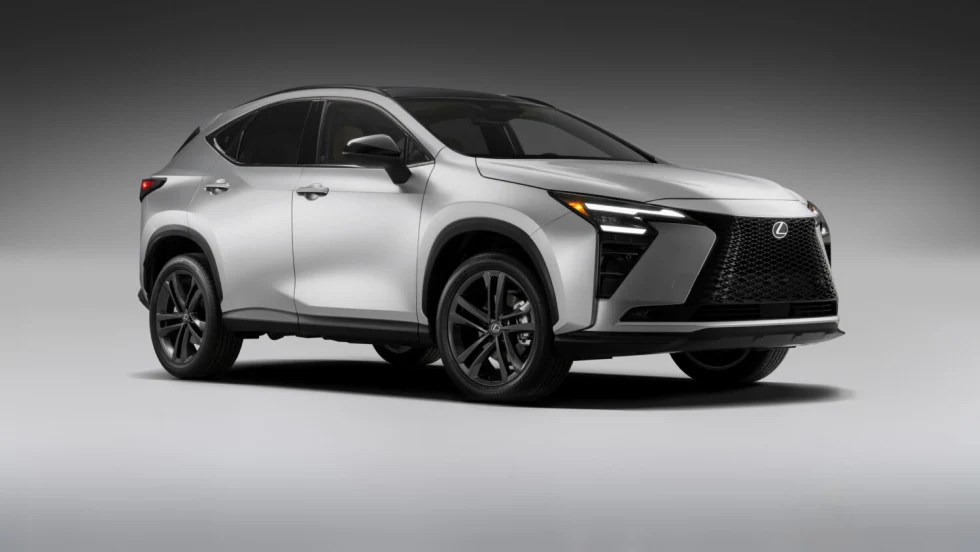
2027 Lexus NX Moves to Fully Electrified Lineup
For 2027, the NX moves to an entirely electrified lineup, with either hybrid or plug-in hybrid powertrains.
Read More →
2027 Mitsubishi Eclipse Sportback Named Green SUV of the Year
Green Car Journal recognized Mitsubishi’s new battery-electric crossover, which offers NACS compatibility and DC fast charging at up to 150 kW.
Read More →
Dave Carroll Named President of Ford Energy
Carroll succeeds Lisa Drake, who will remain with Ford through Dec. 31 to support the leadership transition.
Read More →
City of Long Beach Named No. 1 Green Fleet of 2026
NAFA's 2026 Green Fleet Awards recognized fleets for sustainability efforts spanning alternative fuels, technology, facilities, workplace culture and fleet operations.
Read More →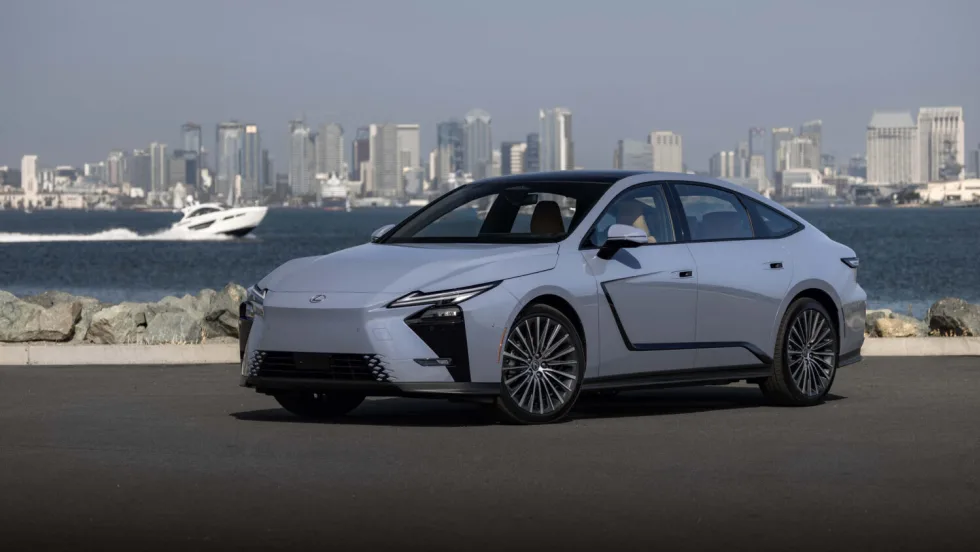
2027 Lexus ES Adds First Battery-Electric Models
The ES 350e and ES 500e join the hybrid ES lineup with up to 338 hp, an EPA-estimated 307 miles of range and standard NACS charging capability.
Read More →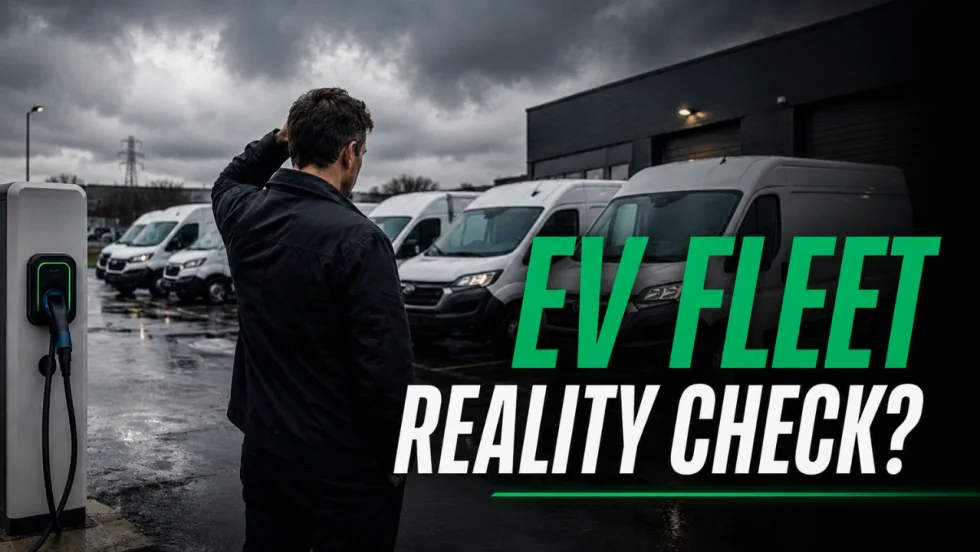
EV Fleet Reality Check: What Operators Wish They Knew Before Electrifying Their Work Vans
Electric work truck upfits bring new compatibility questions. Learn how parts availability, OEM guidance, power demands, and route planning can affect fleet performance.
Read More →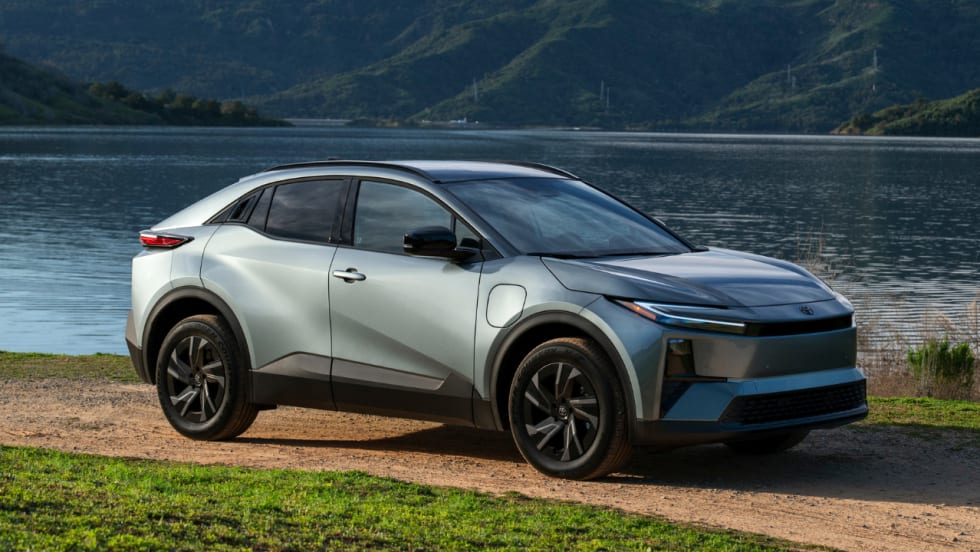
2027 Toyota C-HR Offers 287-Mile Range and Standard AWD
Toyota’s 2027 C-HR brings 287 miles of estimated range, standard all-wheel drive, and NACS fast-charging capability to the compact EV market. See what its mix of performance, cargo space, and everyday technology could offer business users.
Read More →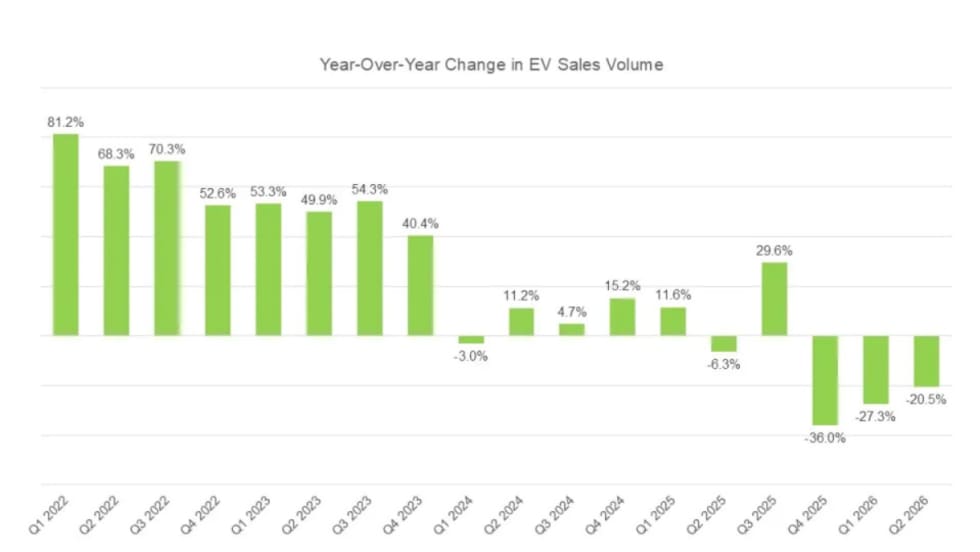
New Vehicle Models Stabilize Electrified Market In Q2
But more credit goes to hybrids than to all-electric vehicles, as more buyers look for fuel-efficient alternatives amid high gas prices.
Read More →
Slate Debuts Colorful, Unique EV Models
A recent media and client event, studded with electric vehicles dressed up on platforms, planted a new position for the manufacturer in the wider EV market. Fleets will find cost-saving advantages.
Read More →
Slate Electric SUV, Pickup Switchable Model Aims For Light-Duty Fleets
Everything about this EV is counterintuitive and understated, making it stand out from the crowd.
Read More →