


6 Considerations for Switching to Electric Standby
If you’re considering converting your company’s fleet and facilities over to electric standby, conversion to electric transport refrigeration units (a.k.a. eTRUs) is an investment in your company’s employees, equipment, and bottom line.
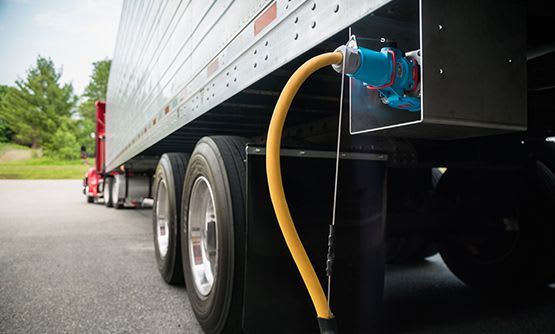
Fuel costs are important to review when considering converting to electric standby. The average TRU will burn 0.8 gallons of diesel per hour, whereas an eTRU only uses 8.1 kilowatts of electricity per hour.
Photo: SafeConnect
If you’re considering converting your company’s fleet and facilities over to electric standby, conversion to electric transport refrigeration units (a.k.a. eTRUs) is an investment in your company’s employees, equipment, and bottom line. In addition to the financial benefits, you’ll also be reducing your environmental impact and getting ahead of pending legislation that could make electric standby necessary.
But, as with any investment, it’s important to do research and fully understand the costs and savings of the transition, as well as to accurately predict how long it will take to get a return-on-investment (ROI).
Consider these six important - but often overlooked - components of electric standby to make sure you are ready, and your conversion is efficient and effective (with no unwanted surprises).
6 Components of an Electric Standby
Electrical Capacity: The first question to ask yourself is, “do we have enough electrical capacity to convert?” Converting to electric standby can significantly reduce fuel costs but will increase your electricity consumption. This will not impact your ROI (see the “fuel costs” section below) but it’s important to understand whether the current onsite electrical capacity can handle the additional load.
If that’s not the case, utility companies are often willing to provide funding to help defray or completely cover the cost of additional infrastructure or transformers needed to handle the conversion. In any case, be sure to let your utility company know you are making the switch to ensure you’ll have the extra capacity you need available during the time of day you’ll need it.Infrastructure: Something that many organizations overlook are the facility upgrades needed for electric standby conversion (e.g., access to 3-phase power at dock doors, trailer staging areas, etc.). Be sure to contact an electrician to understand any costs that would be associated with getting power to the necessary locations. There are different docking station configurations available for dock door or pedestal stations. Research the options and plan for the configuration that is best for your facility and daily company operations.

There are both four-pin and six-pin plug configurations as well as tension release mechanisms available on the market. When considering equipment expenses, it’s also important to consider the lost opportunity cost of NOT plugging in your trailers.
Photo: SafeConnect
Fuel Costs: Fuel costs are important to review when considering converting to electric standby. The average TRU will burn 0.8 gallons of diesel per hour, whereas an eTRU only uses 8.1 kilowatts of electricity per hour. Electricity prices are historically lower than diesel and have also proven to be less volatile. Consistent pricing makes planning and budgeting for expenses easier and more predictable. Idling TRU diesel engines have considerably higher costs than running eTRU electric motors.
Research shows that most companies significantly underestimate the amount of TRU diesel idling that occurs while on standby at their facilities. Want to get a more detailed understanding of the potential savings? Use this electric standby Savings Calculator.Maintenance Costs: In addition to fuel costs, TRU idling while at the facility is a significant contributor to maintenance costs. TRU maintenance contracts are typically based on total diesel engine run time. Because electric motors are virtually maintenance free, the e-motor’s run time is not a component in the maintenance cost equation. The e-motor’s run time displaces the diesel engine run time.
Equipment Costs and Safety – How You Plug in Matters: Equipment costs for eTRUs may seem like a pretty straightforward line item to calculate, but it can be easy to overlook items such as plugs and wiring on trucks or trailers, labor to modify trailers, the placement of barriers to protect equipment, and replacement of scarred or damaged plugs due to human error.
A major consideration is addressing the potential danger resulting from an accidental drive-off, which could expose live high-voltage wires and create the need for expensive repairs. There are both four-pin and six-pin plug configurations as well as tension release mechanisms available on the market. When considering equipment expenses, it’s also important to consider the lost opportunity cost of NOT plugging in your trailers.
Things like higher fuel costs, additional maintenance costs from longer run times on the diesel engine, non-compliance with potential future regulations, and increased carbon footprint. For these reasons, it is critical to evaluate how you plug in and what type of plug and system design you use. The potential danger and upfront expenses often help to justify the initial equipment cost.
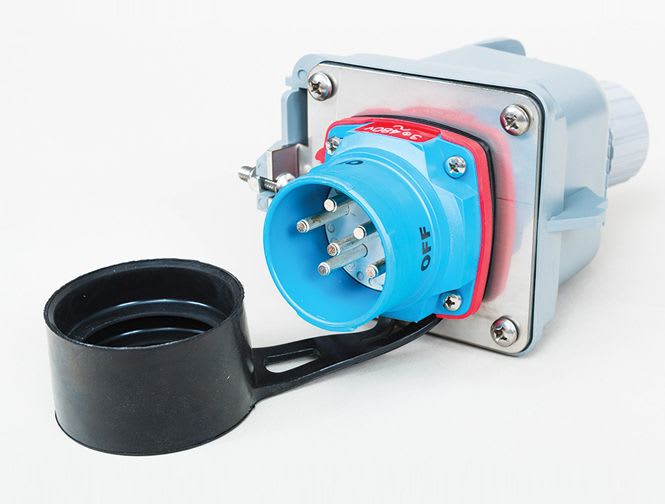
Equipment costs for eTRUs may seem like a pretty straightforward line item to calculate, but it can be easy to overlook items such as plugs and wiring on trucks or trailers, labor to modify trailers, the placement of barriers to protect equipment, and replacement of scarred or damaged plugs due to human error.
Photo: SafeConnect
Capital Investment: Finally, you’ll need to consider whether you have the capital available to complete the project. You may find that it makes sense to spread out the investment over several years. You may also be able to supplement available funds with grants and incentives from local, state and federal agencies. The Environmental Protection Agency (EPA) has developed a list of SmartWay verified technologies that improve efficiencies and help reduce the environmental impact of the trucking industry. Products with the SmartWay designation have undergone rigorous testing and evaluation processes to earn the designation.
Applications for certain grants such as those funded by the Diesel Emissions Reductions Act (DERA) may require the adoption of EPA SmartWay verified or CARB compliant technologies in order to be eligible for funding. In addition to federal, state, and local funding, many utility companies offer incentive programs to help defray the initial costs of setting up an electric standby operation. To learn more, contact your local utility provider.
About the Author: Bobby Johns is the VP of business development at SafeConnect. For more information, he can be reached via e-mail at bobby.johns@safeconnectsystems.com.
Originally posted on Work Truck Online
More Incentives/Grants

California Governor Approves Instant ZEV Rebates For First-Time Buyers
That instant rebate is the centerpiece of a broader $600 million package Governor Newsom signed into law, keeping California active in the global clean transportation race.
Read More →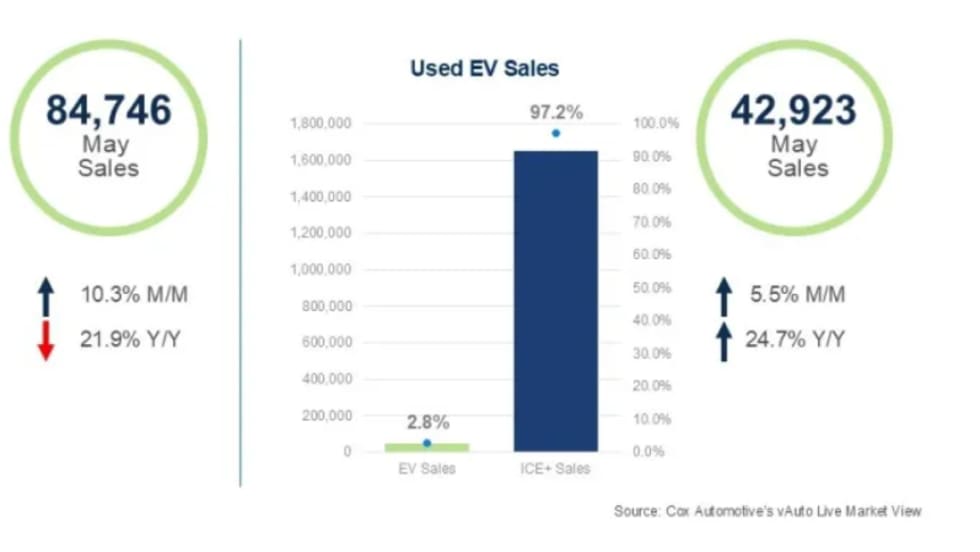
Used EVs Strengthen Overall Electric Vehicle Market
The latest sales data point to several reasons for the divergent trends in new and used EVs that can factor into fleet cycling decisions.
Read More →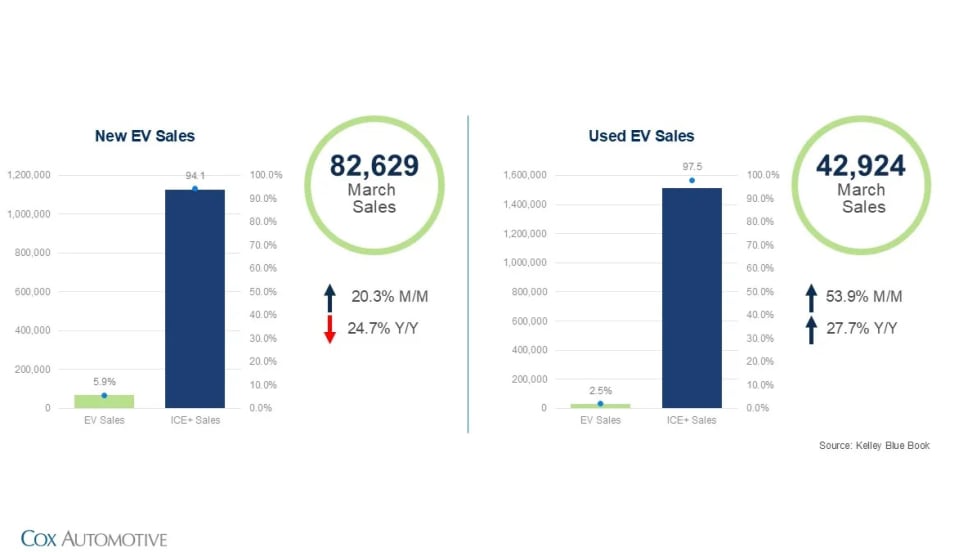
High Gas Prices Spur EV Sales Rebound
EV sales showed strong month-over-month gains and surging used EV demand, while tighter inventory and declining prices narrowed the gap with gas-powered vehicles.
Read More →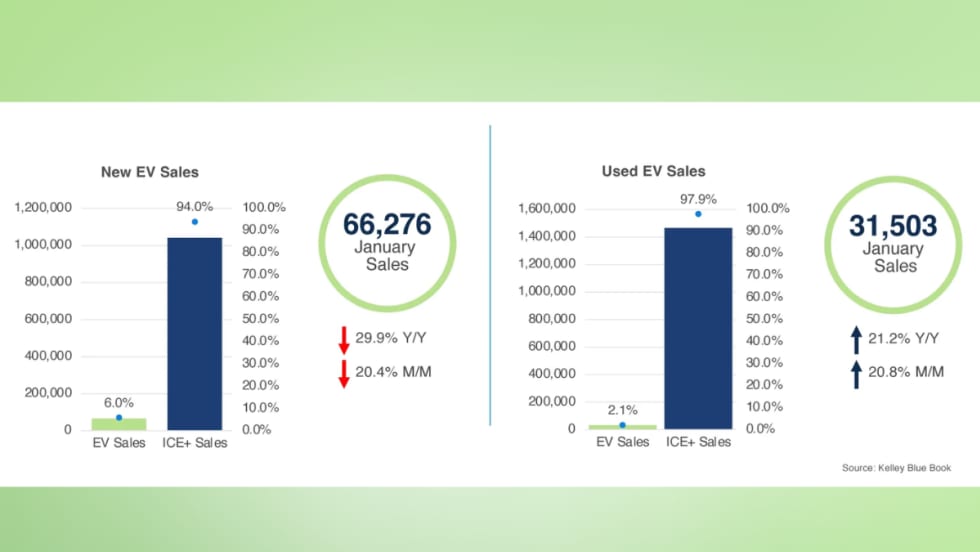
EV Market Resets With Softer Demand, Lower Prices
Near-term EV market performance is expected to remain uneven, while elevated new-vehicle inventory and softer consumer demand may continue to pressure sales and pricing.
Read More →
BBM Launches B2X Rewards, A Gamified Rewards Program For Industry Professionals
Starting Jan. 29, Bobit Business Media's B2B audience readers can earn points for engaging with the content they already trust.
Read More →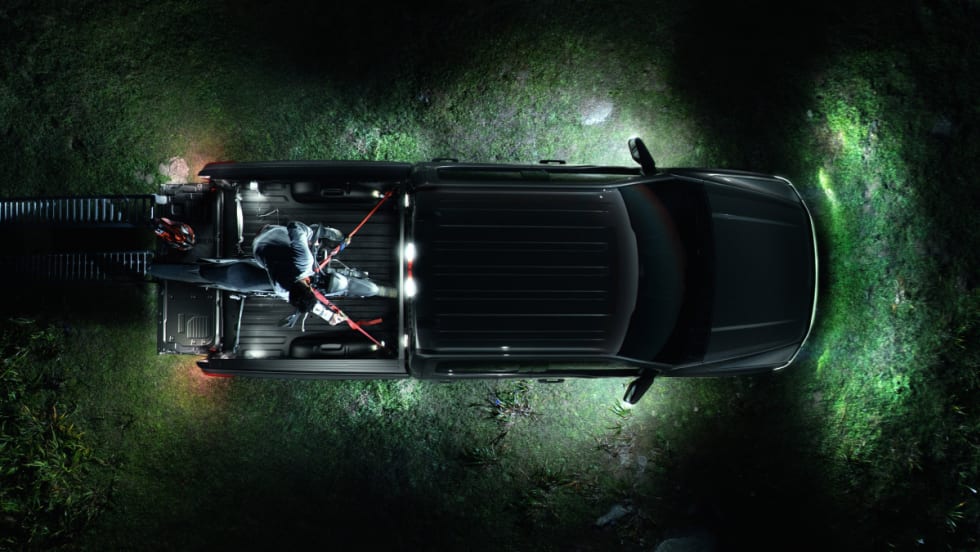
2025 Generated Big Headlines In The EV World
The EV industry entered a new more nuanced phase defined by realities and practical outcomes after a few years of grand visions, media hype, and bold investments.
Read More →
California Truck and Bus EV Incentive Program Reopens
GreenPower’s EV Star lineup is eligible for incentives through California’s Clean Truck and Bus Voucher Incentive Project.
Read More →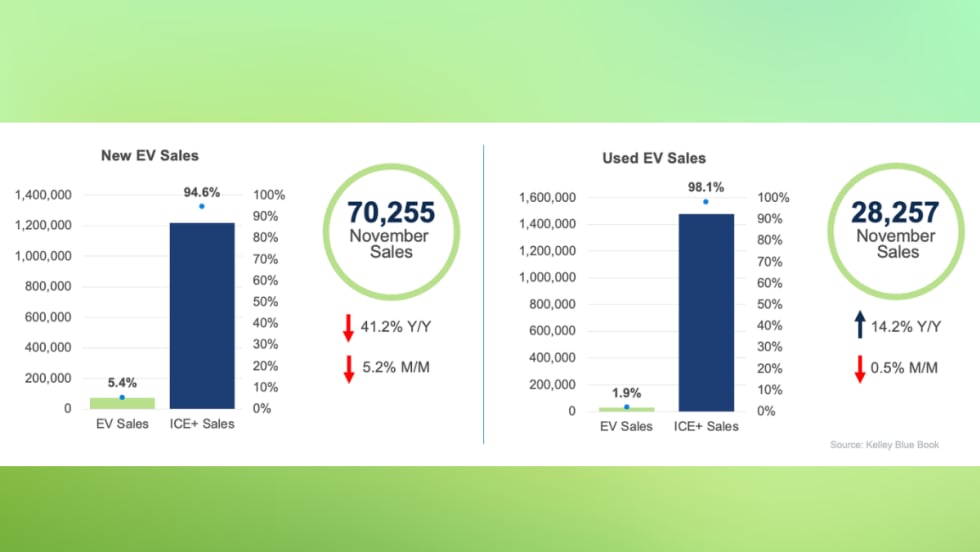
EV Sales, Days' Supply Show Deepening Downturn
November EV data shows sales falling to multi-year lows as inventory builds and pricing softens following the expiration of federal tax credits.
Read More →
Delaware Offers Extended EV Incentive Programs
Delaware continues to offer rebates for qualifying electric vehicle purchases and Level 2 charger installations through April 30, 2026,
Read More →
How Fleets Can Adjust Approaches To EV Adoption
With the expiration of federal incentives, EV success now hinges less on government policy and more on discounts, battery tech progress, increased range, and broader infrastructure.
Read More →