



Related: Utilities Are Essential to Fleets’ EV Infrastructure Plan
5 Steps to Future-Proof Your EV Strategy
Before you buy an EV or install a charger, you’ll need to understand the data to effectively manage chargers, utilities, and cybersecurity — and install a system that provides a full view of your infrastructure and platform applications.
January 14, 2022

Plan for the end game, not the getting-off-the-ground game, says John Lindsey, of Schneider Electric.
Photo courtesy Schneider Electric.
6 min to read
Fleets starting their electrification process might want to jump ahead to deciding on which electric vehicles will work for their fleets. But the vehicles themselves are closer to the last leg of the journey. While the benefits of going green are enticing, much must be accounted for first in terms of infrastructure, systems, utilities, financing, and more.
Schneider Electric is one company supporting fleets in the EV space and made news last summer for its partnership with GM and BrightDrop’s Ultium Charge 360 fleet charging service — a partnership bringing on-the-go and depot charging to customers. Schneider’s core specialty is fitting commercial charging station needs to customers via its partner network. The company has worked in electrification since 2009 across the globe and is now translating that to the North American market.
“We look at the charging stations as an end point to the solution, and we look at the entire model to use energy appropriately and bring it to the EV side,” explains John Lindsey, head of sales - electrification of transportation NAM at Schneider Electric. This covers the gamut of microgrid, distributed energy resources, load management, IT, and digitization for customers building out an EV infrastructure.
So, where does one start down this path to electrification? The oft-heard answer is, it depends. As every customer and company is different, start by identifying where exactly you are in that journey and what your unique needs are.
1. Plan Infrastructure First
Lindsey does not downplay the importance of thinking holistically. “We’ve stepped back and asked, ‘How do we service the needs of a customer across the board and provide solutions to make their electrification journey easier?’” he says. “We don’t focus on the charger or the software; we think about the entire model.”
Don’t minimize the infrastructure play just to get started, Lindsey advises, reminding of the importance of the big picture, including your building, vehicles, utilities, and renewables. He says if there is too much focus on the initial investment, you’ll end up spending money twice.
In other words, plan for the end game, not the getting-off-the-ground game.
2. Coordinate with Utilities
One part of that broad picture that Schneider Electric doesn’t forget is utilities. Sit down and look at your usage and try to negotiate a new rate schedule agreement to limit the costs of scaling up your infrastructure before you’re too far down the line.
This is another area that can vary greatly depending on your location and availability of renewables and microgrid solutions. Lindsey urges use of a single-view platform to manage that effectively.
He recommends starting slow, with maybe five vehicles, and scale up from there so you don’t overbuild or use too much energy as you learn. The future-proofing point here is to have capacity and site power distribution and design systems that can expand to additional chargers and use down the line.
The whole point in dealing with utilities is to make sure that you’re managing the grid and using power effectively. Fleet managers must understand load requirements, make sure you’re not oversizing a feed, and balance it with newer technologies that distribute energy like solar or batteries.
“You have to coordinate that with utilities, they have to be engaged in the discussion, and that requires some forward thinking to connect your resources,” Lindsey says.
3. A Good Platform is Paramount
Speaking to the necessity of an all-in-one dashboard, “You want to be able to have a full view of your infrastructure and platform applications to manage costs and give you visibility into where you’re heading,” Lindsey says.
For example, if you’re looking at DC charging initially, you are going to want to plan for potential future utilization of DCFC as that technology scales out.
Make sure that the platform you select is truly all in one, and not made up of bits and pieces, to avoid surprises and have a go-to resource for all your questions and needs.
“People tend to focus on the charger, which is actually the easiest piece in the entire equation,” Lindsey says, but your dashboard and coordination with utilities is equally or even more important.
4. Cybersecurity & Data Management
One thing Lindsey says is missing from many electrification planning discussions is cybersecurity. Having secure hardware is just one part of a dynamic environment, though.
“Everything in this space is connected,” he says. “I recommend a comprehensive view of all integrated platforms tied to the EV infrastructure.”
This can include distributed energy management, load management, charging station and fleet management systems. Make sure you have a complete architecture for a secure cyber environment that monitors for threats. Because there is no all-in-one out-of-the-box solution yet, these systems must be custom built.
In today’s digitized environment, it’s critical to think about how you’re obtaining and managing data. “This can be used in a variety of ways, particularly for continuous UX improvement and future builds, but probably will be used in ways we haven’t even considered yet,” he says.
Lindsey urges fleets to think about how to use all information — from vehicles to chargers, from infrastructure to utilities — and maybe even how to monetize that in the future. He offers the idea of thinking of a fleet vehicle as a rolling computer and planning for a custom experience, similar to one’s web browsing experience that tailors suggestions and benefits.
“We don’t know yet how data will be optimized, but it likely will be significantly more valued than the vehicle itself,” he predicts.
And, as the tie-in with telematics is still being defined, Lindsey says to stay broad based until we know more about what exactly is collected and how it’s used by OEMs. He suggests asking each manufacturer what data they gather and if the fleet end user will be able to access it. Based on that information, you can figure out how to carve your own experience with your telematics data.
5. Figure Out Financing
The final critical piece in this infrastructure puzzle is how to finance. Lindsey says a good funding strategy should consist of a mix of solutions, which can include capital investments, pay-as-you-go models, or working with a third party – all which factor into your TCO.
Schneider Electric offers energy as a service through its two joint ventures, AlphaStruxure and GreenStruxure, and as he describes, “in a sense, lease it back to fleets.” These partners can provide energy solutions for Schneider’s commercial, industrial, government, and infrastructure fleet clients that is sustainable, resilient, and from a single source. The primary benefit Lindsey cites is no upfront cost and eliminated financial risk when put in the hands of a third party.
And for chargers, what makes the most sense cost-wise for fleets? “I’m going to go way out on a limb and argue that you may find a model for public charging that is actually less expensive than the current model we have today with gas vehicles.”
So whether your fleet turns to a solutions provider or takes another path down the electrification road, Lindsey’s top takeaway is to keep in mind the full story and plan for future expansion.
Originally posted on Automotive Fleet
Subscribe to Our Newsletter
More Operations
The EV Breakdown Nobody's Talking About: Why Most Electric Vehicle Roadside Calls Aren't Mechanical Failures
Here's why EV breakdowns are widely misunderstood.
Read More →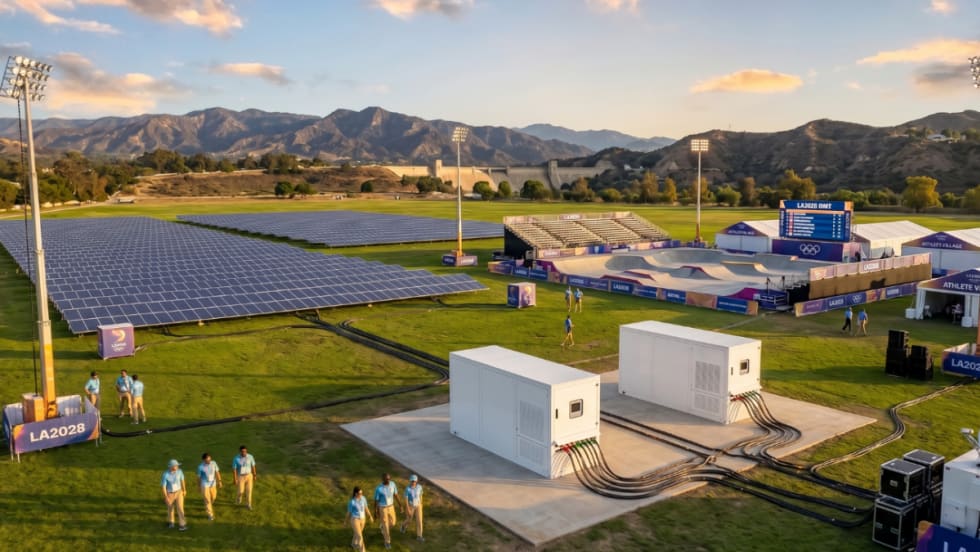
Xos White Paper Asserts LA Olympics Will Lack Enough EV Chargers
The commercial EV fleet company recommends some faster and more flexible remedies to relieve the anticipated shortfall.
Read More →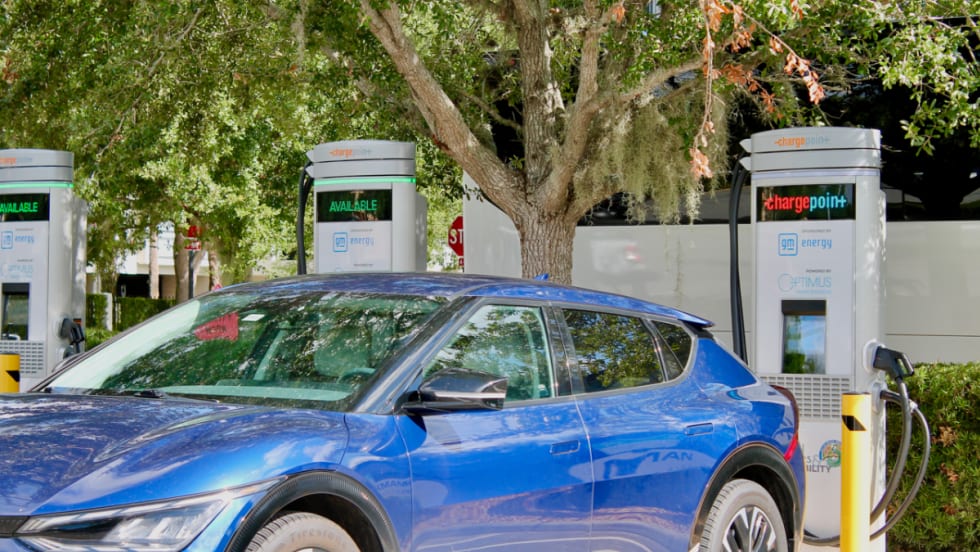
ChargePoint, Optimus Expand Fast-Charging Network Across Southeastern U.S.
ChargePoint will serve as the exclusive solutions provider, delivering hardware, software, and services to support Optimus’ growing charging network.
Read More →
Running A Profitable Electric Rental Fleet
How do you successfully operate an all-electric rental car fleet? Whether you manage a rental fleet or another commercial fleet, this conversation offers practical lessons on deploying, operating, and scaling electric vehicles.
Read More →
Registration Opens for 2026 Fleet Forward Conference
Held on the East Coast for the first time, the Washington, D.C.-area event features expert-led education, a new IIHS Crash Test Experience, and collocation with the NAFA’s Fleet Safety Symposium.
Read More →
Why Charging May Never Be As Easy As Filling Up Gas
A seamless charge depends on a string of independent companies getting it right together, every time. How can electric fleets navigate the challenges to create a successful charging plan?
Read More →
Slate Debuts Colorful, Unique EV Models
A recent media and client event, studded with electric vehicles dressed up on platforms, planted a new position for the manufacturer in the wider EV market. Fleets will find cost-saving advantages.
Read More →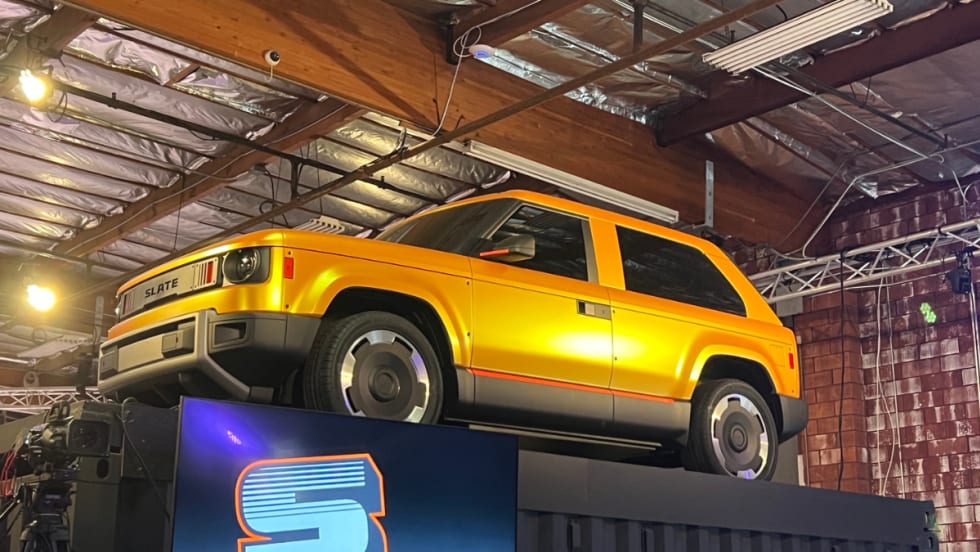
Slate Electric SUV, Pickup Switchable Model Aims For Light-Duty Fleets
Everything about this EV is counterintuitive and understated, making it stand out from the crowd.
Read More →
Polestar Barred from U.S. Market Under Connected Vehicle Rule
The automaker loses its authorization to sell new vehicles in the U.S., starting with the 2027 model year. Polestar owners will retain access to the brand's service network.
Read More →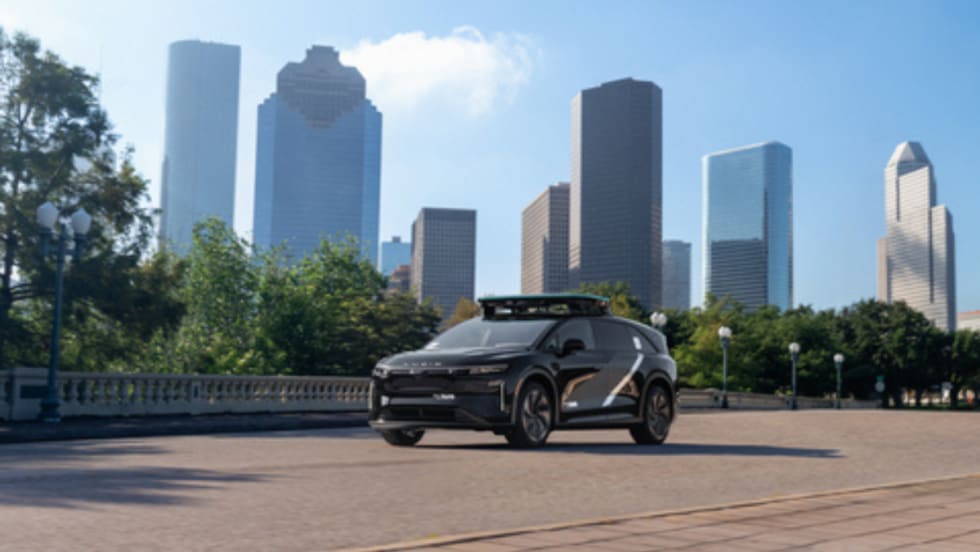
Uber, Nuro and Lucid Plan Houston Robotaxi Service in 2027
The tripartite venture brings out the combined advantages of electric vehicles, mobility, and autonomy into ground transportation.
Read More →