


Related: Trends From the 2015 L.A. Auto Show
2016 L.A. Auto Show: SUVs, Electrification, Mobility
The mobility revolution is happening through greater connectivity, manufacturers' suites of transportation services, electrification, and the introduction of autonomous vehicles themselves. At the same time, manufacturers are placing the car at the center in this new world.
by Staff
November 22, 2016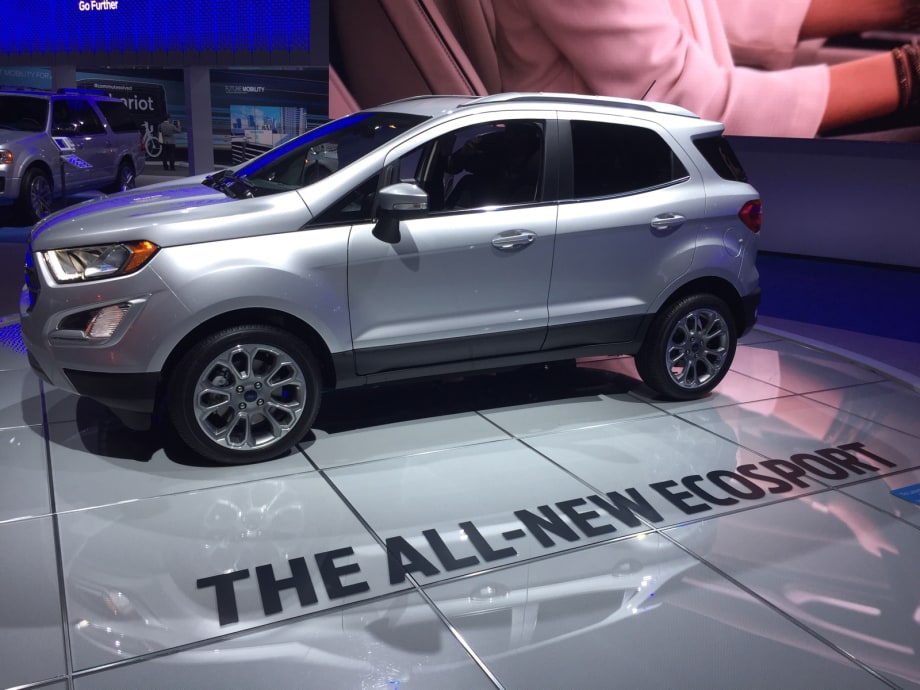
Photo of 2019 Ford EcoSport by Paul Clinton.
4 min to read
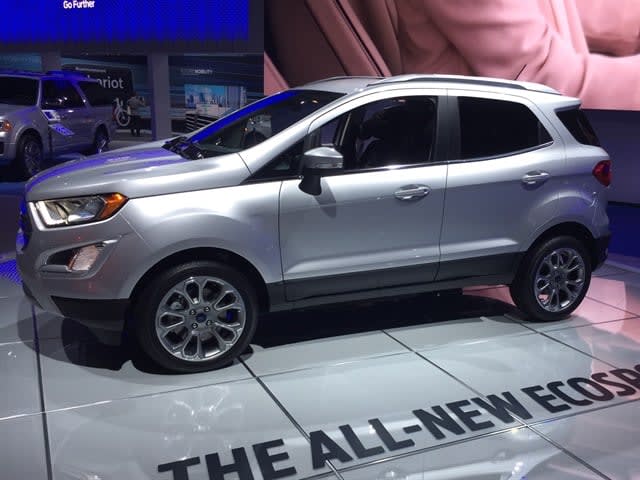
Photo of 2019 Ford EcoSport by Paul Clinton.
The 2016 Los Angeles Auto Show is riding the auto industry’s wave toward mobility, having rebranded itself as AutoMobility LA. Mobility encompasses more than a car; it’s a transportation eco-system, and this year auto manufacturers were eager to show how they are laying the groundwork for this radical, and seemingly rapid, evolution.
The mobility revolution is happening through greater connectivity, manufacturers' suites of transportation services, electrification, and the introduction of autonomous vehicles themselves. At the same time, manufacturers are placing the car at the center in this new world. This year's show reflected an increasing appetite in the marketplace for SUVs and a proliferation of high-end pickup trucks.
Cars are now connected to their environment through third-party tech providers such as Amazon’s Alexa, Apple's CarPlay, and Google's Android Auto. Hyundai introduced its Blue Link system, which gathers car diagnostics, telematics information, and remote start-stop functionality in an app. Other automakers have similar systems.
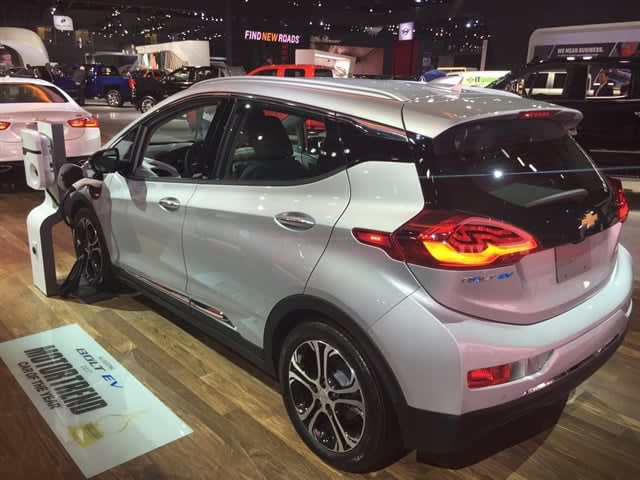
Photo of 2017 Chevrolet Bolt EV by Paul Clinton.
BMW announced the expansion of its ReachNow service, which encompasses peer-to-peer carsharing of late-model Minis, a ride-hailing service similar to Uber and Lyft, delivery of a rental vehicle, and sharing of BMWs for residences and businesses. Ford's CEO Mark Field’s keynote addressed how Ford is taking the company into new transportation partnerships as well.
GM’s Maven carsharing service is now offering Uber ride-sharing drivers the option to lease vehicles by the week or longer at discounted rates, and Hyundai has teamed up with electric carsharing service WaiveCar to give users the opportunity to drive the new Hyundai Ioniq electric vehicles for two hours at no charge. The vehicle is wrapped in advertising and includes a roof-mounted digital display that generates advertising revenue.
Volvo introduced Volvo On Call, a mobile concierge service that allows Volvo owners to get their vehicle refueled, washed, and serviced at their convenience. Volvo owners can send requests for refueling, maintenance, and other services to their nearest Volvo dealer. The app also suggests when maintenance is needed. Volvo is launching a pilot of the concierge service among owners of the new Volvo XC90 SUV and S90 luxury sedan in San Francisco that's set to begin in November.
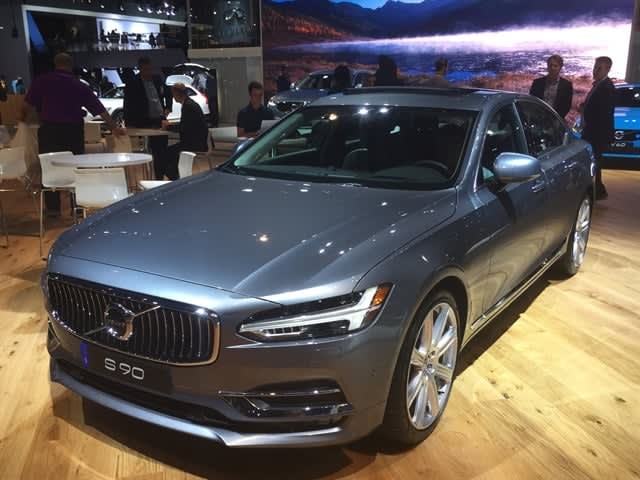
Photo of 2017 Volvo S90 by Paul Clinton.
The 2016 Los Angeles Auto Show served as a platform for the introduction of plenty of new SUVs, including Ford's subcompact 2019 EcoSport, FCA's compact 2017 Jeep Compass, Mazda's diesel-powered compact 2018 CX-5, Toyota's subcompact 2018 C-HR, and Volkswagen's mid-size 2018 Atlas.
The Atlas, which is expected to replace the Touareg luxury SUV, will help Volkswagen expand its lineup in the wake of its exit from clean diesel.
"We want to grow in the U.S. market and be a relevant player," said Hinrich Woebcken, head of North American operations.
Subaru also unveiled its VISIV-7 three-row, seven-seat SUV concept it plans to offer in 2018 as the largest SUV the automaker has ever produced. The automaker said the mid-size SUV is intended to grow its vehicle sales 30% by 2020.
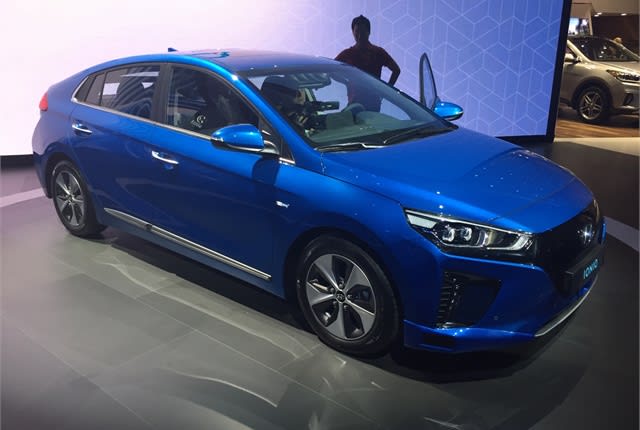
Photo of 2017 Hyundai Ioniq Electric by Paul Clinton.
A cornucopia of luxury SUVs dotted the show floor, including the 2018 Alfa Romeo Stelvio performance-oriented crossover, three-row 2017 Land Rover Discovery, and Jaguar's compact I-Pace that's expected to go on sale in early 2018 as a battery-electric model. MINI brought its next-generation 2017 MINI Countryman, which will now include a plug-in hybrid variant.
Low fuel prices may have dampened the economic case for alternative-fuel vehicles right now, but automakers are pushing forward with new all-electric and plug-in electric models. MINI, Porsche, Jaguar, and Mitsubishi unveiled new all-electric models. Hyundai unveiled three versions — hybrid, electric, and plug-in electric — of its all-new compact Ionic. General Motors displayed its plug-in electric Cadillac CT6 and the all-electric Chevrolet Bolt. FCA brought its 2017 Chrysler Pacifica Hybrid minivan that's expected to provide 530 miles of driving range.
The 2017-MY Mitsubishi iMiev was on the show floor, and smart introduced its newest Fortwo Electric Drive, which has an increased range of 80 miles. Volkswagen boosted the range of its battery-electric 2017 e-Golf to 124 miles.
While it could be argued that the electrification push is mostly to satisfy new federal regulations that require a higher corporate average fuel economy, automakers say there is a still-growing market of eco-conscious consumers, and the autonomous driving future doesn’t ultimately include fossil fuels.
One presentation on electrified vehicles was optimistic about the technology, with one presenter citing a decline in the number of gasoline fueling stations since 2006.
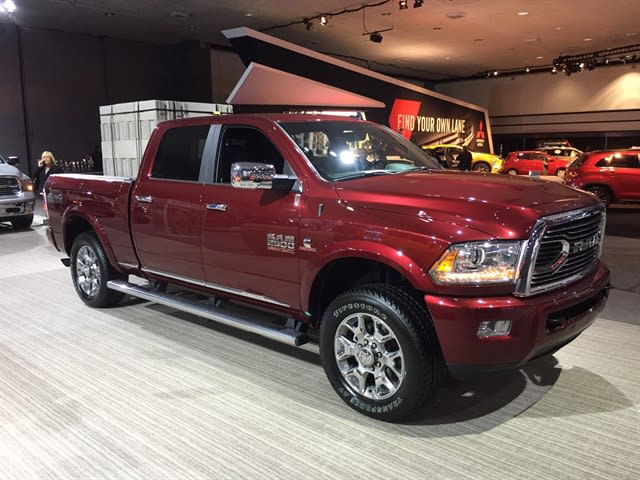
Photo of 2017 Ram 2500 Limited crew cab by Paul Clinton.
While it's not electrified, Elio Motors brought its highly efficient E1c two-person personal transportation vehicle it hopes may find a place among food service and pest control fleets. The vehicle, which is classified as a motorcycle, is expected to have a base price of $7,300 and get 84 mpg. It should arrive in late 2017.
Finally, the concept car went autonomous at this year’s show, with reveals of driverless concepts from Hyundai and Kia.
A start-up manufacturer, Local Motors, revealed the most future-reaching vehicle of all with Olli, a self-driving, electric, partially 3D printed minibus. No longer a concept, Olli is open source and "micro-manufactured," and it has already been sold to several municipalities.
One presentation on autonomous vehicles focused on the benefits of a future with autonomous vehicles — including improved parking space efficiency, reduced traffic fatalities, and easier transit by using autonomous vehicles as first/last mile modes of transit.
Editor's note: Chris Brown, Paul Clinton, Thi Dao, Amy Hercher-Winter, Andy Lundin, Roselynne Reyes, and Chris Wolski contributed to this article.
Originally posted on Automotive Fleet
Subscribe to Our Newsletter
More Electric Vehicles
EV Charging Use Is Outpacing Infrastructure Growth
ChargePoint’s 2026 Charging Forward Report points to rising charger use, higher-powered charging, commercial vehicle electrification, and energy-management technology. Here’s what fleets should know.
Read More →
EV Realty Names Henrik Holland President as Charging Platform Expands
The former Prologis Mobility and Shell executive will help expand EV Realty’s truck charging business and move its power-first infrastructure model into autonomous vehicle depots and other fleet sectors.
Read More →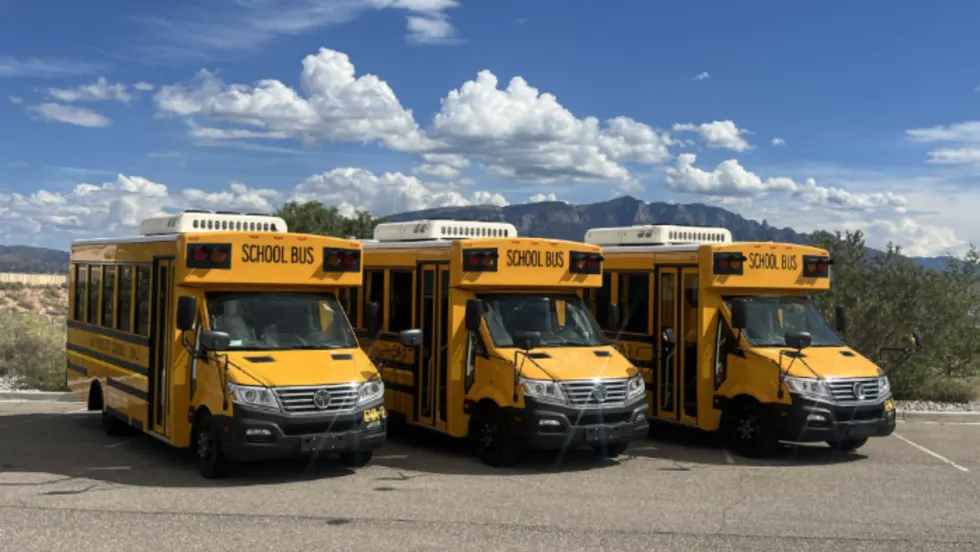
GreenPower Expands New Mexico EV Pilot With Larger Buses, V2G Testing
After logging more than 17,000 electric miles in the first year, New Mexico’s statewide pilot is moving into its second phase with larger vehicles, continued charging evaluations, and more.
Read More →
Can EV-as-a-Service Help Fleets Scale Electrification?
Sustainability Partners CEO Adam Cain explains how matching EVs, charging infrastructure, and duty cycles can help fleets scale electrification.
Read More →
How EV-as-a-Service Is Moving Fleets Beyond Pilots
Adam Cain, president and CEO of Sustainability Partners, explains how EV-as-a-service can help fleets scale deployments by addressing duty-cycle requirements and charging challenges.
Read More →
PowerFlex, The Mobility House Join Forces to Advance Fleet Electrification
Two EV charging providers are joining forces to deliver a broader portfolio of energy management and fleet electrification solutions.
Read More →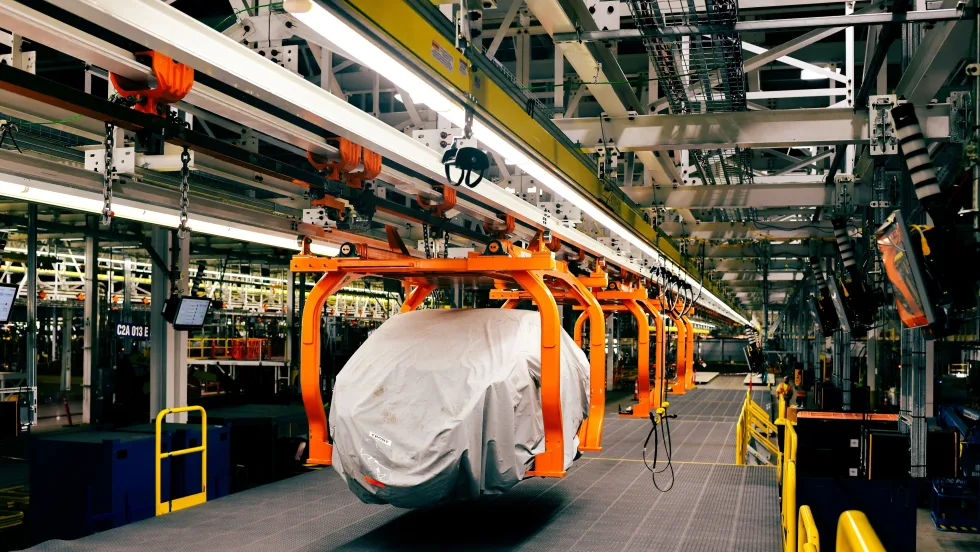
Ford Retools Louisville Plant for Fathom Electric Truck Production
Ford's $2 billion Louisville Assembly Plant overhaul introduces a three-part assembly process for the Fathom midsize electric truck, with production scheduled to begin in 2027.
Read More →
Merchants Fleet Reports 290M EV Miles as Fleets Navigate Changing Electrification Market
From millions in operating savings to hundreds of millions of EV miles, Merchants Fleet’s latest report reveals what’s working and what’s changing in fleet electrification.
Read More →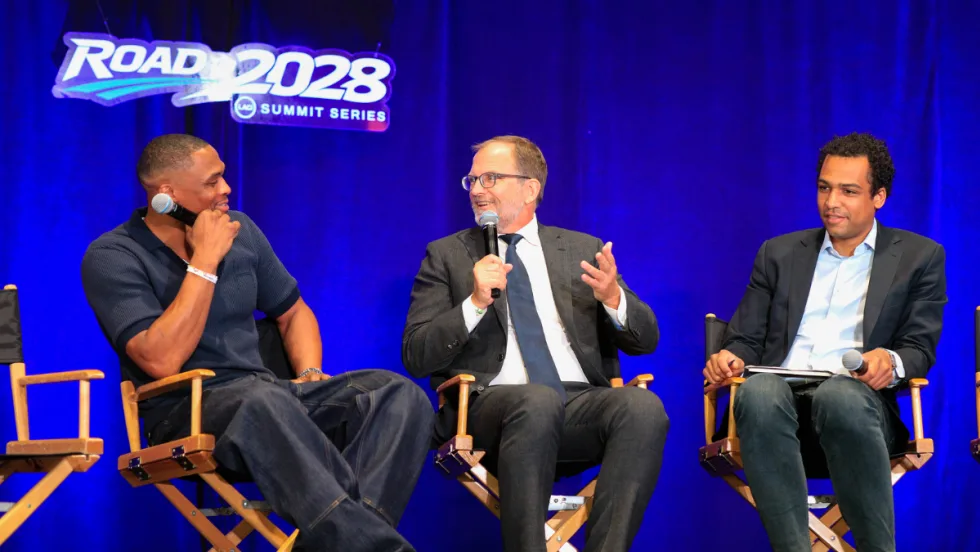
California District Commits to Electrify 25% of School Bus Fleet by 2028
One of the nation's largest school bus electrification projects to date demonstrates how grants, charging infrastructure, and public-private partnerships can help fleets transition to EVs at scale.
Read More →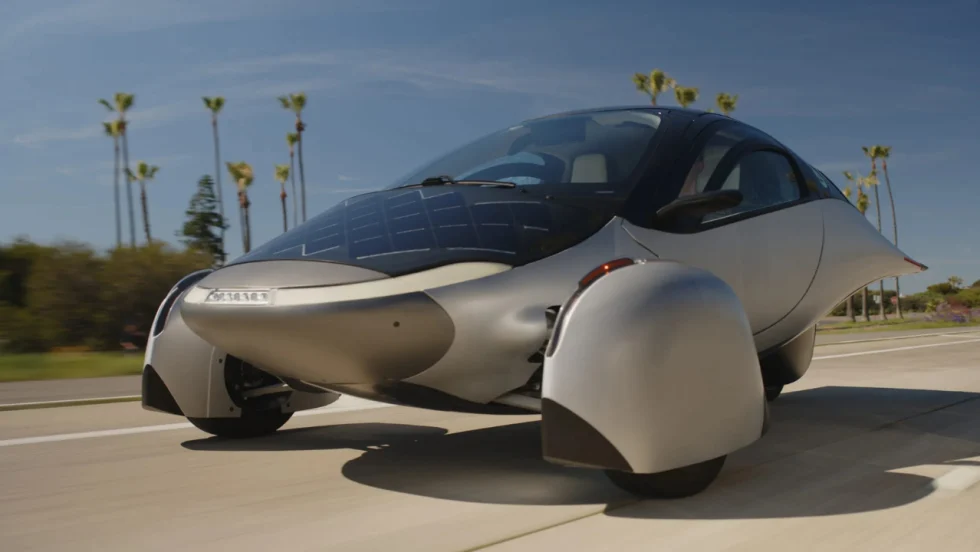
Aptera Orders Bodies and Chassis for Its First 40 Production Vehicles
Aptera Motors Corp. has issued purchase orders for the major structural components of its first 40 vehicles, and body and chassis components are expected to begin arriving in October.
Read More →