



Similar News: Operator Outlook: EVs Slow to Charm Rental Car Industry
EV Apps Hold Promise, Yet Many Miss the Mark
EV drivers increasingly rely on mobile apps to manage their vehicles — but a new J.D. Power survey finds most apps fall short on speed, reliability, and features, especially among non-Tesla brands.
June 30, 2025
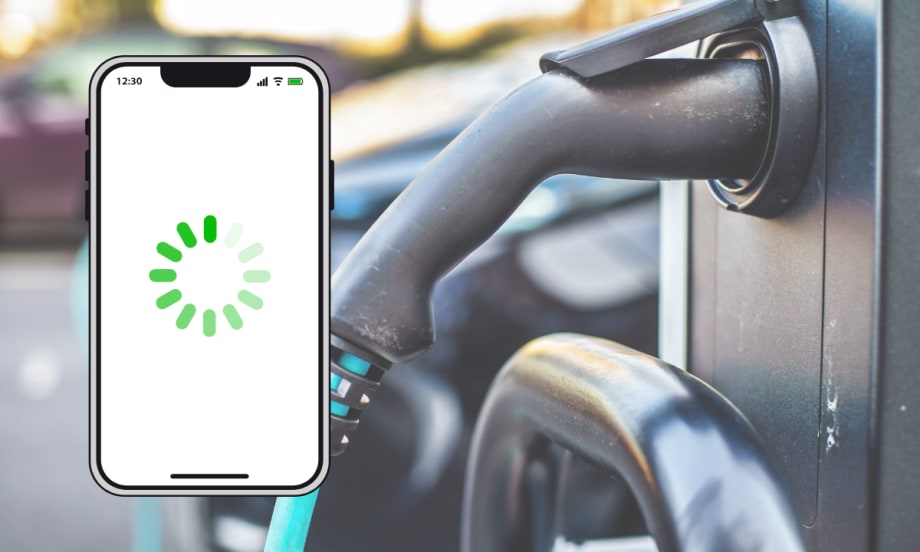
A growing number of EV drivers use mobile apps to control vehicle functions, but many report issues with slow response times and unreliable performance, according to a new J.D. Power study.
Photo: BBM
2 min to read
Electric-vehicle drivers tend to put high value on mobile applications that control their cars from outside, but many find most apps don’t make the grade.
From a spring survey of nearly 2,000 U.S. EV owners, J.D. Power found that while such apps have become “an extension of the vehicle itself,” many leave much to be desired, particularly in several categories.
Remote Features Gain Use, But Not Without Frustrations
The apps allow users to remotely lock and unlock EVs, monitor battery charge and manage interior temperature, and use of them keeps increasing among EV drivers.
About a third of non-Tesla drivers, or 32%, use their EV’s mobile app every time they take to the road, up from 17% last year, while Tesla's mobile app use rose from 69% to 79%, the survey found.
Many EV apps on the market, though, have a ways to go to meet expectations.
“Top-performing apps deliver fast, consistent remote controls and have desired features. However, most other apps are still closing that gap,” said J.D. Power Mobile Apps Lead Violet Allmandinger in a press release on the data provider’s report.
Leading complaints about the apps centered on connection, remote control speed, and feature performance inconsistency, all in conflict with EV consumers’ increasing expectation of consistent speed and reliability.
Connection problems topped all others, 37% of non-Tesla drivers experiencing them, though that’s down from 40%. Tesla app-connection complaints fell from 35% to 19%.
EV consumers appear to have little patience, almost half saying they expect five seconds to be the longest app commands should take to be done, Tesla drivers having an even higher bar, 40% expecting fulfillment in no more than two seconds.
Automakers have more work to do to find consumers’ sweet spot on app features, the survey found. Lack of use among some features could point to the need for more awareness or availability.
Brand apps scoring the highest in the survey are Tesla, with a score of 864 on a 1,000-point scale, Mercedes at 839 and BMW at 833 in the premium segment, and Hyundai at 820, Kia at 808 and MINI at 797 in the mass-market segment.
More Electric Vehicles

EV Charging Use Is Outpacing Infrastructure Growth
ChargePoint’s 2026 Charging Forward Report points to rising charger use, higher-powered charging, commercial vehicle electrification, and energy-management technology. Here’s what fleets should know.
Read More →
EV Realty Names Henrik Holland President as Charging Platform Expands
The former Prologis Mobility and Shell executive will help expand EV Realty’s truck charging business and move its power-first infrastructure model into autonomous vehicle depots and other fleet sectors.
Read More →
GreenPower Expands New Mexico EV Pilot With Larger Buses, V2G Testing
After logging more than 17,000 electric miles in the first year, New Mexico’s statewide pilot is moving into its second phase with larger vehicles, continued charging evaluations, and more.
Read More →
Can EV-as-a-Service Help Fleets Scale Electrification?
Sustainability Partners CEO Adam Cain explains how matching EVs, charging infrastructure, and duty cycles can help fleets scale electrification.
Read More →
How EV-as-a-Service Is Moving Fleets Beyond Pilots
Adam Cain, president and CEO of Sustainability Partners, explains how EV-as-a-service can help fleets scale deployments by addressing duty-cycle requirements and charging challenges.
Read More →
PowerFlex, The Mobility House Join Forces to Advance Fleet Electrification
Two EV charging providers are joining forces to deliver a broader portfolio of energy management and fleet electrification solutions.
Read More →
Ford Retools Louisville Plant for Fathom Electric Truck Production
Ford's $2 billion Louisville Assembly Plant overhaul introduces a three-part assembly process for the Fathom midsize electric truck, with production scheduled to begin in 2027.
Read More →
Merchants Fleet Reports 290M EV Miles as Fleets Navigate Changing Electrification Market
From millions in operating savings to hundreds of millions of EV miles, Merchants Fleet’s latest report reveals what’s working and what’s changing in fleet electrification.
Read More →
California District Commits to Electrify 25% of School Bus Fleet by 2028
One of the nation's largest school bus electrification projects to date demonstrates how grants, charging infrastructure, and public-private partnerships can help fleets transition to EVs at scale.
Read More →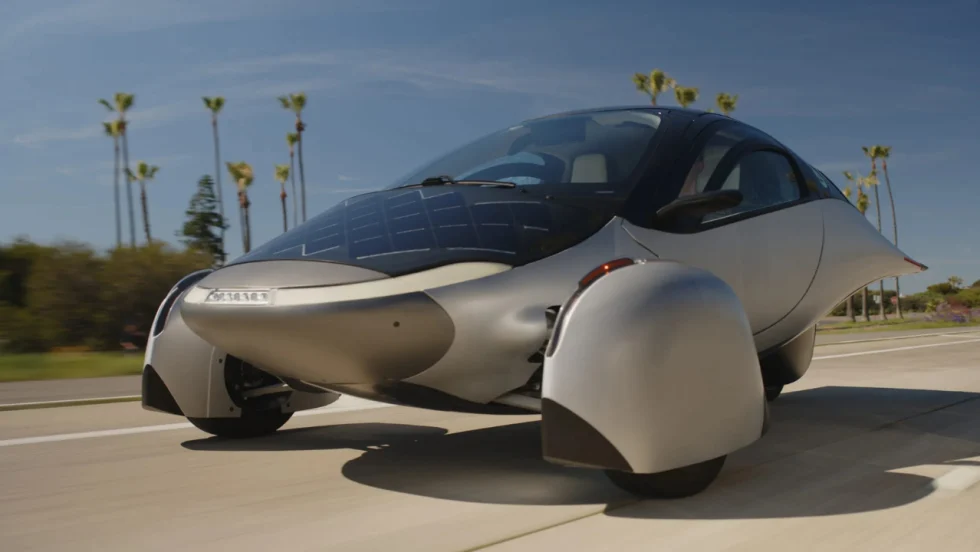
Aptera Orders Bodies and Chassis for Its First 40 Production Vehicles
Aptera Motors Corp. has issued purchase orders for the major structural components of its first 40 vehicles, and body and chassis components are expected to begin arriving in October.
Read More →