


Investment in EV Industry Soars Since 2022 Report Shows
Research from WSP and the Environmental Defense Fund research reveals that 56% of announced EV spending during the past eight years occurred after the 2022 passage of the federal Inflation Reduction Act.

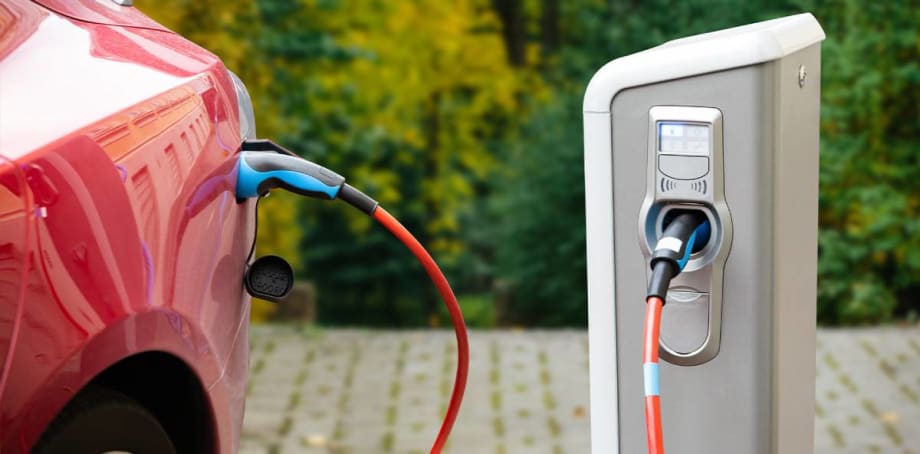
Since the passage of the Inflation Reduction Act on Aug. 16, 2022, investment has sharply increased for manufacturing EVs, EV batteries and components, and battery recycling infrastructure.
Photo: WSP
Electric vehicle and battery manufacturing grew by a reported $92.3 billion over the past 12 months, according to a new report released by the engineering and environmental consultancy WSP and the Environmental Defense Fund and on Sept. 8.
As World EV Day is observed on Sept. 9, the report highlights how since the passage of the Inflation Reduction Act on Aug. 16, 2022, investment has sharply increased for manufacturing EVs, EV batteries and components, and battery recycling infrastructure.
“The Inflation Reduction Act includes extensive EV infrastructure funding investments,” said Dana Lowell, national zero emissions technical advisor at WSP, in a news release. “Alongside the Bipartisan Infrastructure Law, these strategic investments in the EV ecosphere and manufacturing have set the stage for creation of economic zones and micro hubs that equate to job creation, commerce development, and key technology and manufacturing advancements. The dederal investments and incentives are benefiting the communities where new investments are being made and are helping shape our future economy.”
Points From The Report
Investments, production capacity, and jobs are likely to grow due to federal efforts.
Over the past eight years, manufacturers have announced more than $165 billion in investments in EV and EV battery manufacturing facilities, with 56% of that amount reported during the past 12 months.
Manufacturers have planned more than 179,000 new direct U.S. EV-related jobs between 2015-2023, almost half of which were announced in the last year.
Anticipated investments are expected to create more than 800,000 additional jobs.
Additional highlights showed rapid growth in nationwide production capacity since March:
By 2026, U.S. EV manufacturing facilities will be able to make about 4.7 million passenger vehicles annually, representing 36% of all new vehicles sold last year.
By 2027, U.S. facilities will produce enough batteries to supply 12.2 million new passenger vehicles each year, which represents 95% of new vehicles sold last year.
More Electric Vehicles
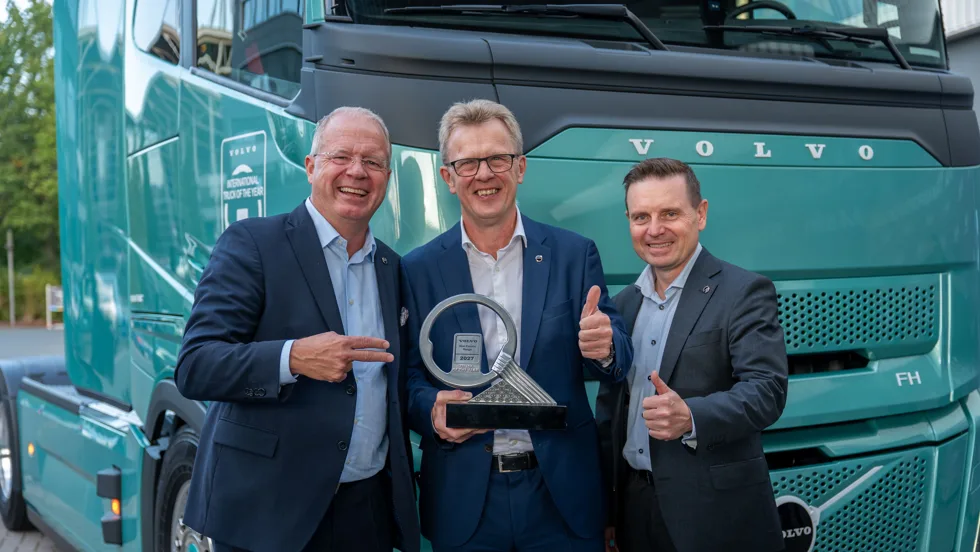
Volvo Trucks’ Electric Range Named International Truck of the Year 2027
The award recognizes Volvo’s global heavy-duty electric lineup, while more than 750 VNR Electric trucks have accumulated nearly 37 million miles in U.S. and Canadian fleet operations.
Read More →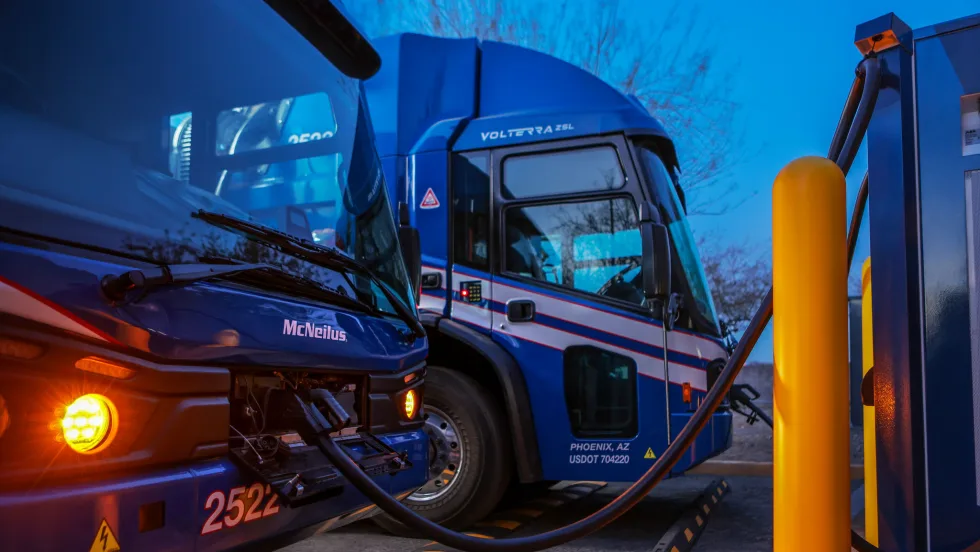
How Republic Services Decides Where Its Next Electric Trucks Can Go
With 250 electric collection trucks now in service, Republic Services is learning that scaling electrification depends less on proving the vehicle and more on whether each site can support what comes next.
Read More →
EV Charging Use Is Outpacing Infrastructure Growth
ChargePoint’s 2026 Charging Forward Report points to rising charger use, higher-powered charging, commercial vehicle electrification, and energy-management technology. Here’s what fleets should know.
Read More →
EV Realty Names Henrik Holland President as Charging Platform Expands
The former Prologis Mobility and Shell executive will help expand EV Realty’s truck charging business and move its power-first infrastructure model into autonomous vehicle depots and other fleet sectors.
Read More →
GreenPower Expands New Mexico EV Pilot With Larger Buses, V2G Testing
After logging more than 17,000 electric miles in the first year, New Mexico’s statewide pilot is moving into its second phase with larger vehicles, continued charging evaluations, and more.
Read More →
Can EV-as-a-Service Help Fleets Scale Electrification?
Sustainability Partners CEO Adam Cain explains how matching EVs, charging infrastructure, and duty cycles can help fleets scale electrification.
Read More →
How EV-as-a-Service Is Moving Fleets Beyond Pilots
Adam Cain, president and CEO of Sustainability Partners, explains how EV-as-a-service can help fleets scale deployments by addressing duty-cycle requirements and charging challenges.
Read More →
PowerFlex, The Mobility House Join Forces to Advance Fleet Electrification
Two EV charging providers are joining forces to deliver a broader portfolio of energy management and fleet electrification solutions.
Read More →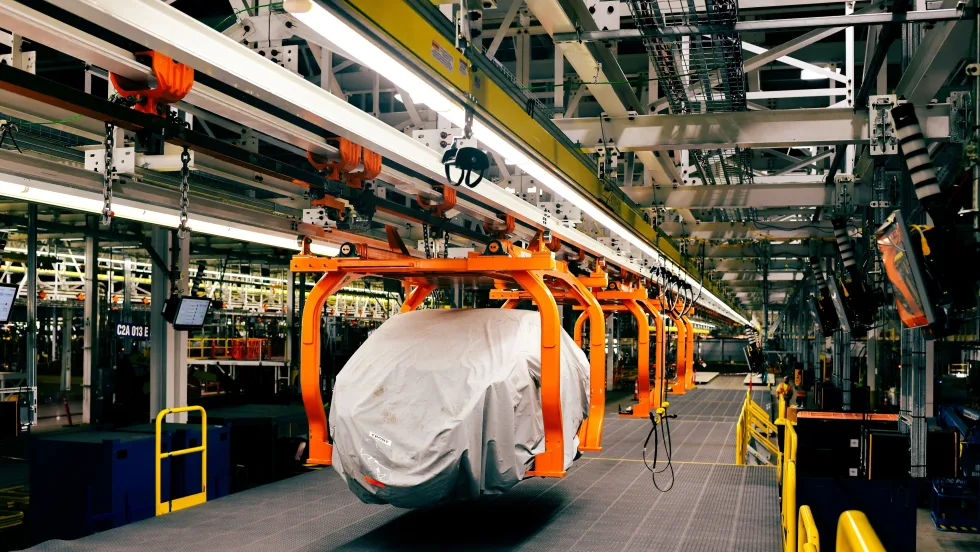
Ford Retools Louisville Plant for Fathom Electric Truck Production
Ford's $2 billion Louisville Assembly Plant overhaul introduces a three-part assembly process for the Fathom midsize electric truck, with production scheduled to begin in 2027.
Read More →
Merchants Fleet Reports 290M EV Miles as Fleets Navigate Changing Electrification Market
From millions in operating savings to hundreds of millions of EV miles, Merchants Fleet’s latest report reveals what’s working and what’s changing in fleet electrification.
Read More →