


How To Prepare Electric Vehicles for Winter Months
Frigid temperatures affect the chemical and physical reactions that make batteries work, resulting in longer charging times.
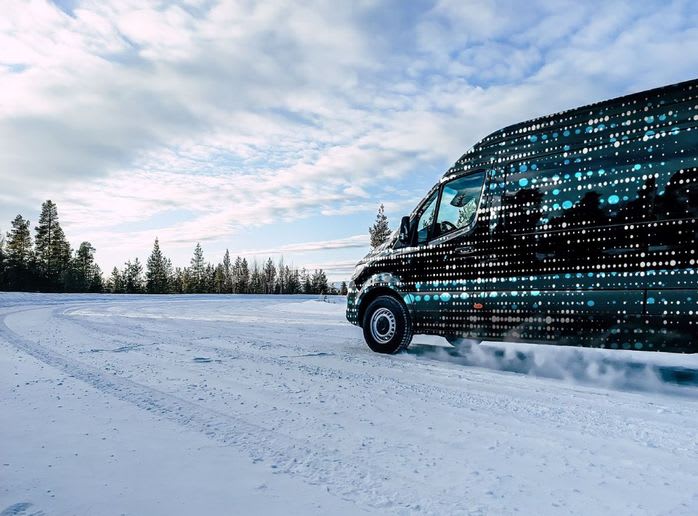
While there are fewer moving parts and systems that need regular maintenance, drivers should still remember to check and replace the standard “wearable” pieces of their electric vehicles before a cold snap arrives.
Photo: Mercedes-Benz
Leaves are falling, temperatures are dropping, and many drivers are starting to think about how to best prepare their vehicles for impending winter weather. The seasoned electric vehicle (EV) owner will know what to expect when charging and driving their EV in the winter — but if you’ve recently electrified your fleet, what do your drivers need to know?
Once you’ve stocked your fleet’s trunks with scrapers and ice melt, here are some key tips for how to keep your EVs running smoothly once the mercury drops.
Expect Reduced Mileage and Slower Charge Times
Winter weather can change how we drive, but it also affects the vehicle itself. In EVs, you’ll most likely see this in the lithium-ion battery that powers your car or truck. Frigid temperatures affect the chemical and physical reactions that make batteries work, resulting in longer charging times. In fact, one study showed that at 32 F degrees, an EV battery took in 36% less energy than when the battery was charged for the same amount of time at 77 F degrees. Cold weather will also reduce an EV’s driving range, since the vehicle will have to expend energy on regulating battery and cabin temperatures.
If your drivers are making long trips, they will need to be aware of their battery range and, if necessary, where they can find public charging stations on their route. They will also want to plan around longer charge times, whether they’re juicing up at home, at your fleet depot, or elsewhere.
Use Your Preconditioning Features
Most EVs today boast preconditioning features that can optimize battery life in extreme temperatures and keep drivers comfortable. Preconditioning can be done for the cabin and the battery.
Cabin preconditioning allows drivers to pre-heat or pre-cool the vehicle’s interior to an optimum temperature before hitting the road. Instead of getting in the car and waiting for the cabin to heat up and the windows to defrost, drivers can start the preconditioning process ahead of time. If this process is started while the car is still plugged in, the driver can start their route on a full battery. And since the cabin will already be at a comfortable temperature, they’ll consume less energy on the journey, too.
Many EVs also have a battery preconditioning feature that can regulate the battery’s temperature for optimum charging at the end of a trip. Proper battery preconditioning can extend the range of your EVs in colder months, as well as preserve their batteries for the long term, but not all vehicles will do it automatically. Some EVs will require drivers to start the preconditioning process through an app or other manual system, so it’s important to double-check how preconditioning works on your fleet’s EVs.
Optimize Your Wearable Parts
One of the beauties of EVs is that they have about 30% fewer parts than ICE vehicles — generally making for less winter prep work.
But while there are fewer moving parts and systems that need regular maintenance, drivers should still remember to check and replace the standard “wearable” pieces of their EVs before a cold snap arrives.
Tires can make a huge difference in driving through winter weather, so make sure your fleet’s tires are properly inflated (which ensures less rolling resistance and can extend your range) and have enough tread. Depending on your location, you might even consider swapping all-purpose tires for an appropriate winter version. It’s also a good idea to check that all headlight bulbs and windshield wipers are working properly, which can be invaluable when your drivers are venturing through snow and sleet.
Driving through winter weather is hardly a great time, but with a thorough understanding of EV performance and a bit of preparation, you can ensure your electrified fleet is well-equipped to handle frigid temperatures and snowy streets safely and efficiently.
Chris Knosp is the director of fleet electrification at Mike Albert Fleet Solutions
More Operations
The EV Breakdown Nobody's Talking About: Why Most Electric Vehicle Roadside Calls Aren't Mechanical Failures
Here's why EV breakdowns are widely misunderstood.
Read More →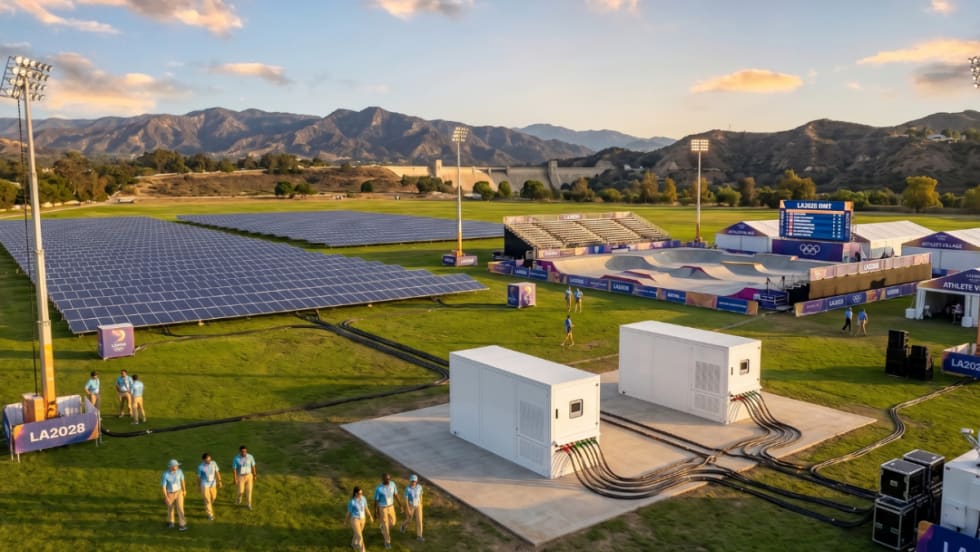
Xos White Paper Asserts LA Olympics Will Lack Enough EV Chargers
The commercial EV fleet company recommends some faster and more flexible remedies to relieve the anticipated shortfall.
Read More →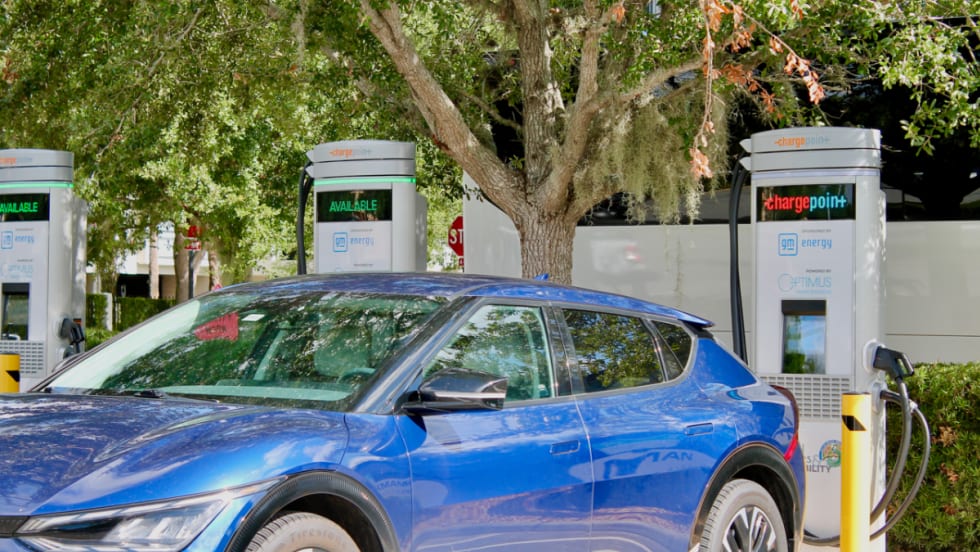
ChargePoint, Optimus Expand Fast-Charging Network Across Southeastern U.S.
ChargePoint will serve as the exclusive solutions provider, delivering hardware, software, and services to support Optimus’ growing charging network.
Read More →
Running A Profitable Electric Rental Fleet
How do you successfully operate an all-electric rental car fleet? Whether you manage a rental fleet or another commercial fleet, this conversation offers practical lessons on deploying, operating, and scaling electric vehicles.
Read More →
Registration Opens for 2026 Fleet Forward Conference
Held on the East Coast for the first time, the Washington, D.C.-area event features expert-led education, a new IIHS Crash Test Experience, and collocation with the NAFA’s Fleet Safety Symposium.
Read More →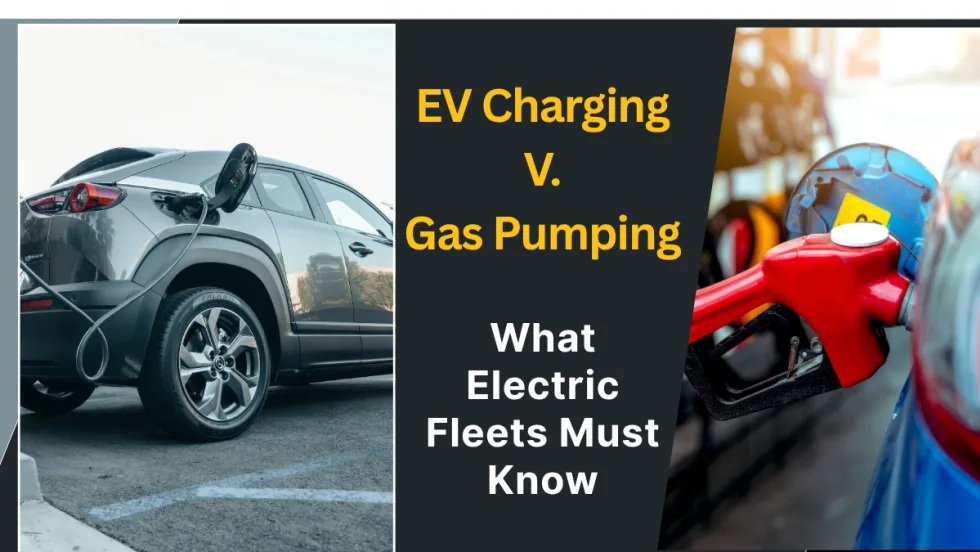
Why Charging May Never Be As Easy As Filling Up Gas
A seamless charge depends on a string of independent companies getting it right together, every time. How can electric fleets navigate the challenges to create a successful charging plan?
Read More →
Slate Debuts Colorful, Unique EV Models
A recent media and client event, studded with electric vehicles dressed up on platforms, planted a new position for the manufacturer in the wider EV market. Fleets will find cost-saving advantages.
Read More →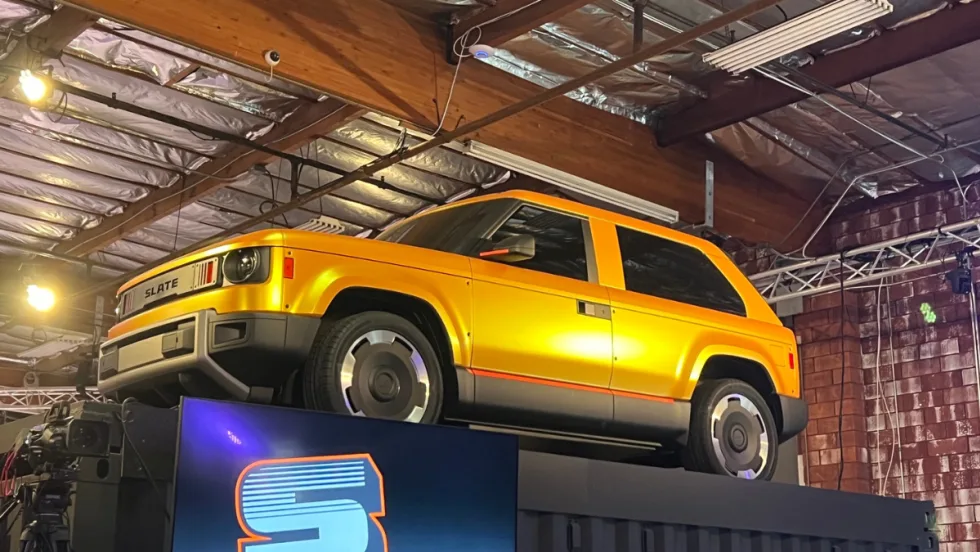
Slate Electric SUV, Pickup Switchable Model Aims For Light-Duty Fleets
Everything about this EV is counterintuitive and understated, making it stand out from the crowd.
Read More →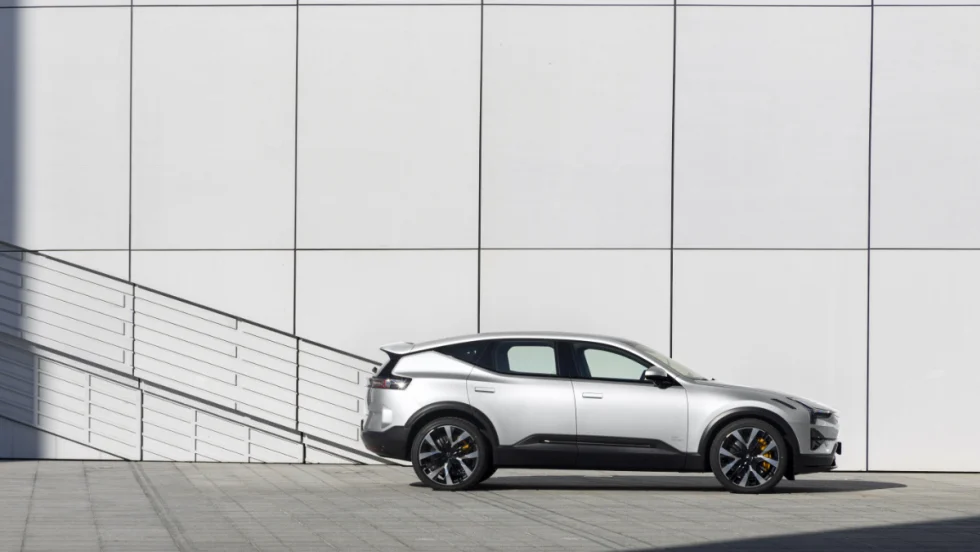
Polestar Barred from U.S. Market Under Connected Vehicle Rule
The automaker loses its authorization to sell new vehicles in the U.S., starting with the 2027 model year. Polestar owners will retain access to the brand's service network.
Read More →
Uber, Nuro and Lucid Plan Houston Robotaxi Service in 2027
The tripartite venture brings out the combined advantages of electric vehicles, mobility, and autonomy into ground transportation.
Read More →