


Ford Hikes Price of F-150 Lightning Pro Again
The new MSRP of $53,769 comes after another price hike in August. Ford will honor prices for commercial and government order holders at the previous price points.

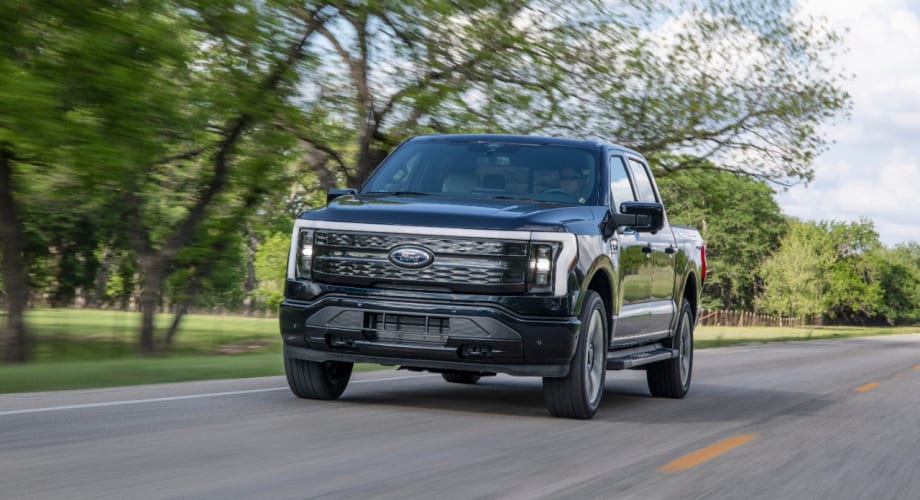
In August, Ford upped the price of the vehicle for the first time, and also announced an increased EPA-estimated range of 240 miles and the addition of Pro Trailer Hitch Assist technology.
Photo: Ford
The MSRP for the fleet-oriented Ford F-150 Lightning Pro is now $51,974 excluding destination, Automotive Fleet has confirmed, while the XLT starts at $59,474. The pricing does not include $7,500 in federal tax incentives. The new price comes after one announced in August that added $6,000 to $8,500 to the initial MSRP of $39,947 announced last year.
Ford shared its official statement with AF: “Ford is adjusting the MSRP on the 2023 F-150 Lightning Pro due to ongoing supply chain constraints, rising material costs and other market factors. Current retail order holders awaiting delivery are unaffected by this adjustment. Current commercial and government customers with a scheduled order are unaffected by this adjustment.”
The new pricing arrives as Ford and other manufacturers have raised prices on gas- and diesel-powered models due to the ongoing effects of inflation, a surge in raw materials costs, and the war in Ukraine.
The gas-powered 2022 Ford F-150 model line saw price hikes on every trim level as well, but to lesser amounts. The base F-150 for 2022-MY lists for about $1,000 over the 2021 model, while other trims saw increases that vary from $2,500 to $4,500.
Pricing has not been officially announced on the gas-powered 2023 Ford F-150.
Originally posted on Automotive Fleet
More Electric Vehicles
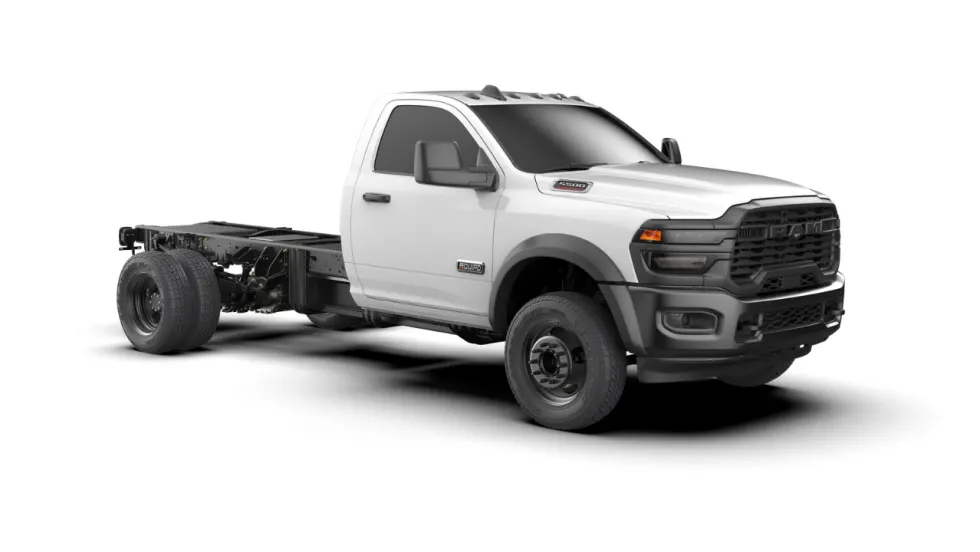
ZMD Motors Plans Inventev Acquisition to Expand Electric Work Truck Capabilities
ZMD Motors is developing electric work trucks based on the Ram 5500 chassis, with plans to add optional mobile power capabilities through its proposed acquisition of Inventev.
Connecticut Green Bank Closes $11.3M Financing Deal for Zum Electric School Bus Fleet
The financing supports 46 electric school buses, 49 bidirectional chargers, and electrical infrastructure for Branford Public Schools, with plans to explore vehicle-to-grid participation in 2027.
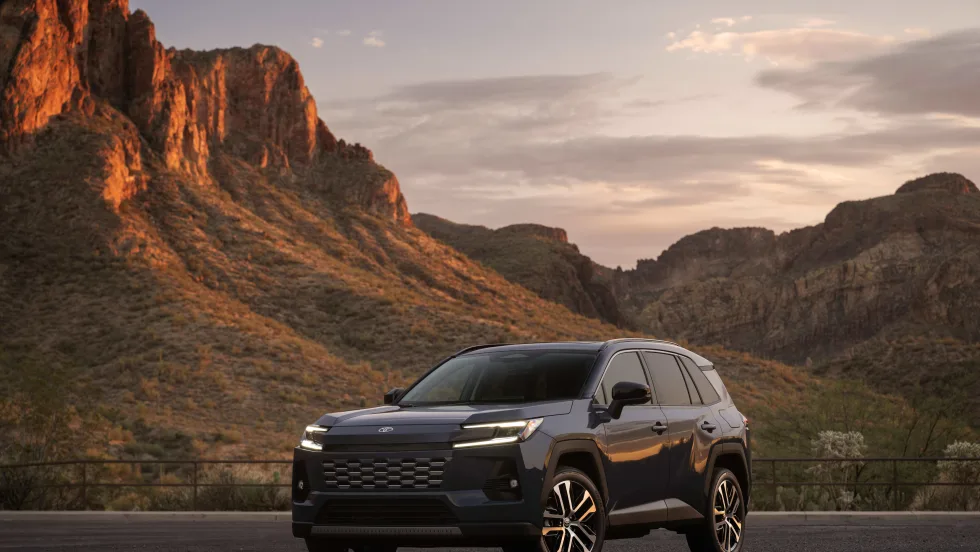
2027 Toyota RAV4 Adds NACS Charging, Updates Woodland Suspension
The 2027 RAV4 continues with hybrid and plug-in hybrid powertrains, offering up to 52 miles of manufacturer-estimated electric range and a starting MSRP of $32,300.
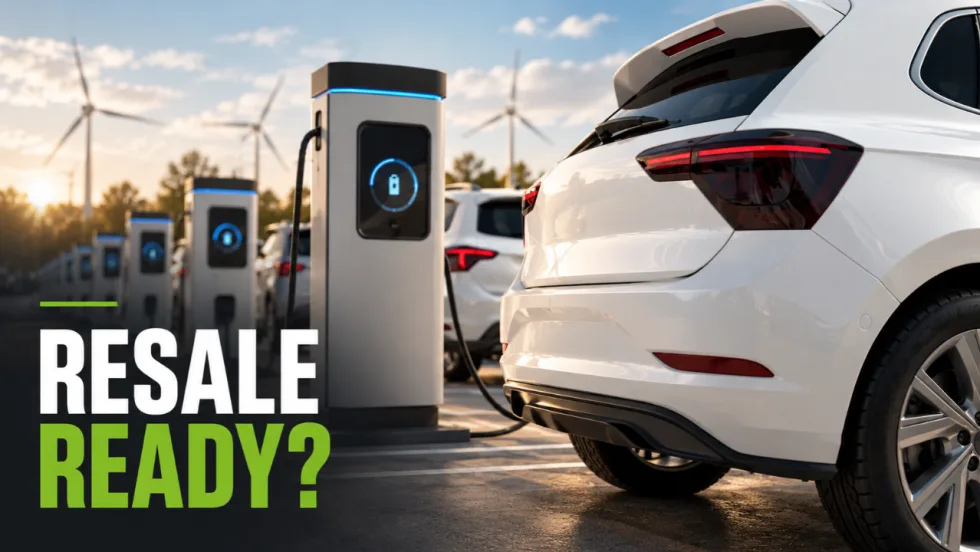
Selling Your Fleet EVs? What to Check Before They Hit the Market
Buyers want more than mileage. From battery health to charging readiness, learn what to check before selling your fleet EVs and where prep costs can add up.
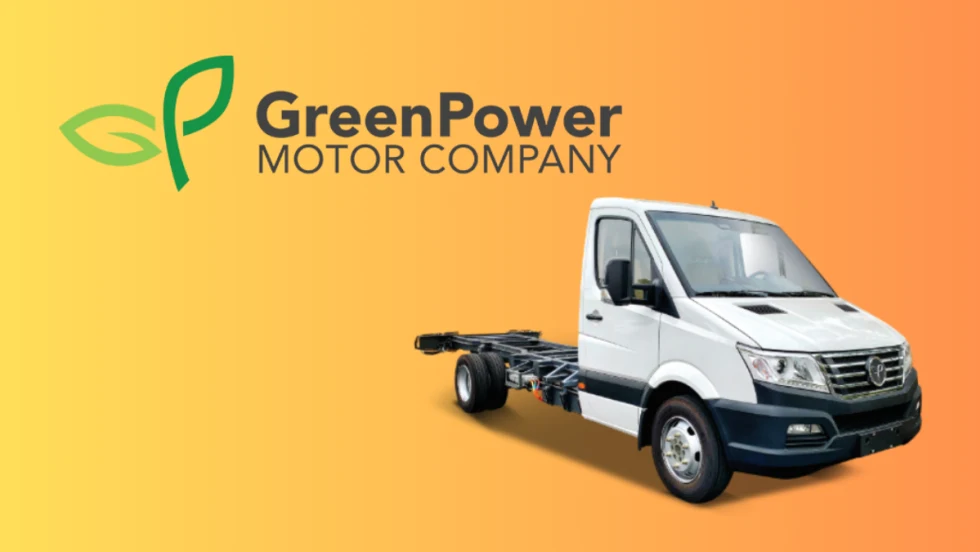
GreenPower Plans 50 Electric Shuttle Buses for Mexico
GreenPower plans to build 50 electric shuttle buses for Mexico using its EV Star Cab & Chassis platform, partnering with local body builders to expand its market reach.
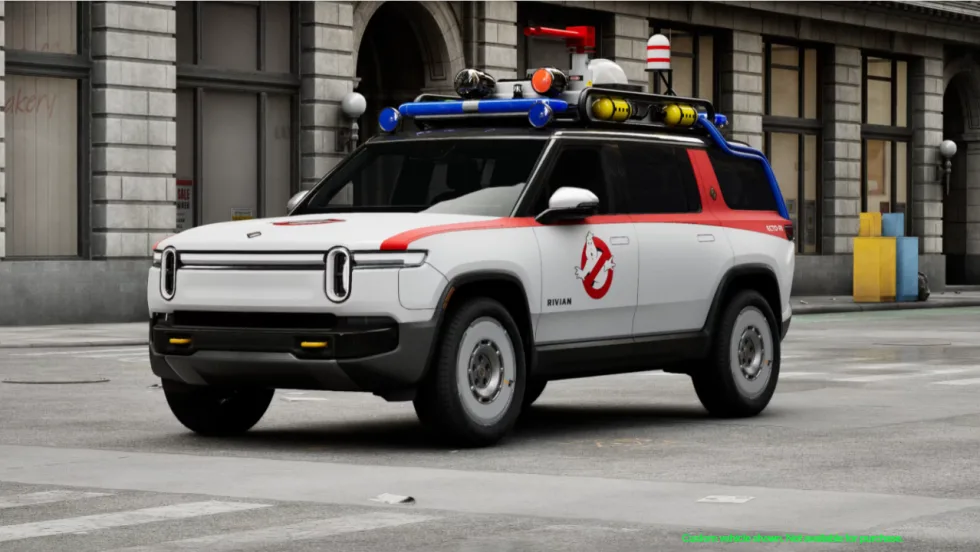
Who You Gonna Call? Rivian Turns Electric Vehicles Into Ghostbusters Rides
Rivian teams up with Sony Pictures for a Ghostbusters-inspired Halloween software update, complete with custom sounds, lighting effects, and a special Ecto-R1.
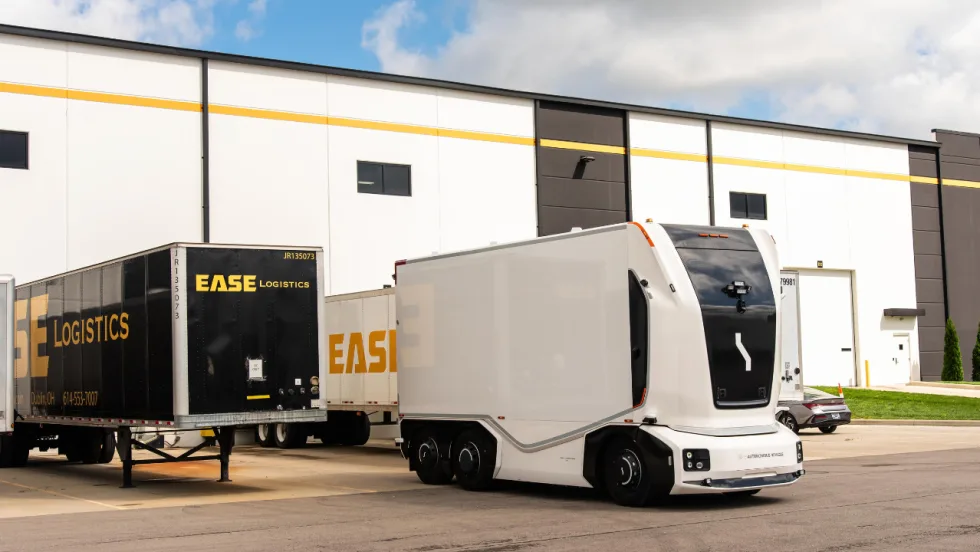
Einride Electric Driverless Trucks Begin Daily Freight Operations in Ohio
Two cabless electric trucks are now moving freight between EASE Logistics facilities, putting autonomous EV technology into daily commercial operations.
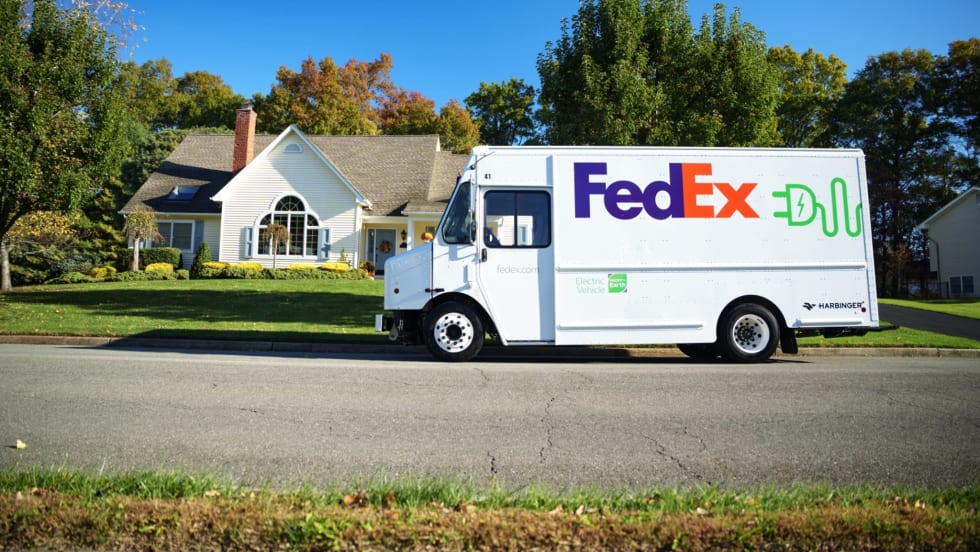
FedEx Orders 2,000 Harbinger Electric Trucks in $300 Million Deal
The Class 5 and 6 electric trucks are planned for delivery by the end of 2027 and will be deployed in FedEx pickup and delivery operations across the U.S. and Canada.
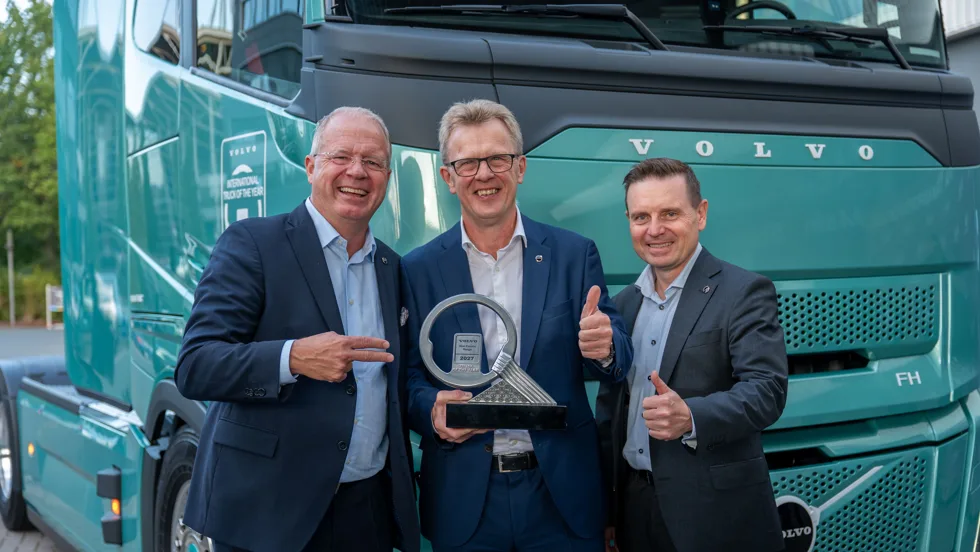
Volvo Trucks’ Electric Range Named International Truck of the Year 2027
The award recognizes Volvo’s global heavy-duty electric lineup, while more than 750 VNR Electric trucks have accumulated nearly 37 million miles in U.S. and Canadian fleet operations.
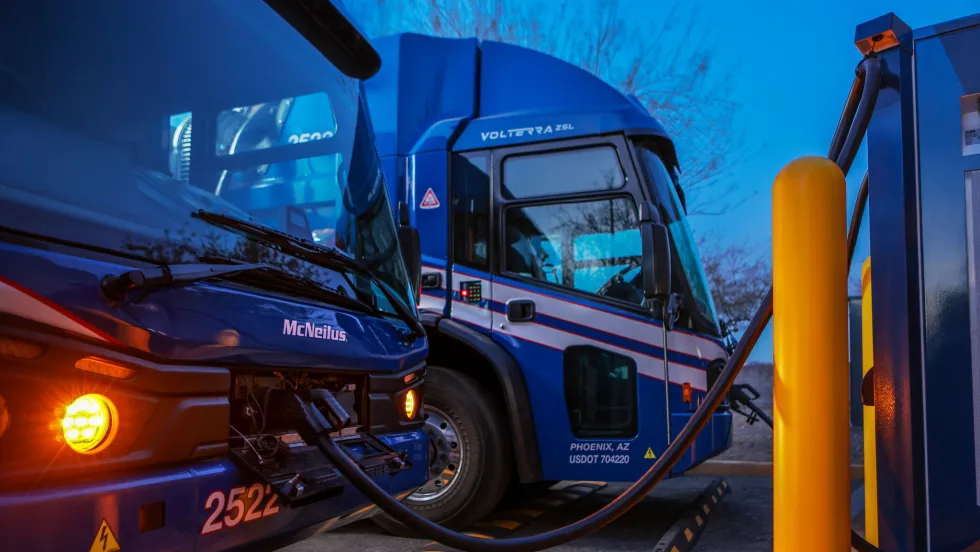
How Republic Services Decides Where Its Next Electric Trucks Can Go
With 250 electric collection trucks now in service, Republic Services is learning that scaling electrification depends less on proving the vehicle and more on whether each site can support what comes next.