



The 2022 Bolt EUV Lowers TCO While Meeting Sustainability Goals
Bolt EUV: Level 2 Charging without the Charger
Bolt’s Dual Level Charge Cord allows for Level 2 charging on a 240v three-pronged dryer plug — a smart option for organizations with temporary employees or those in leased or rented complexes.
October 8, 2021
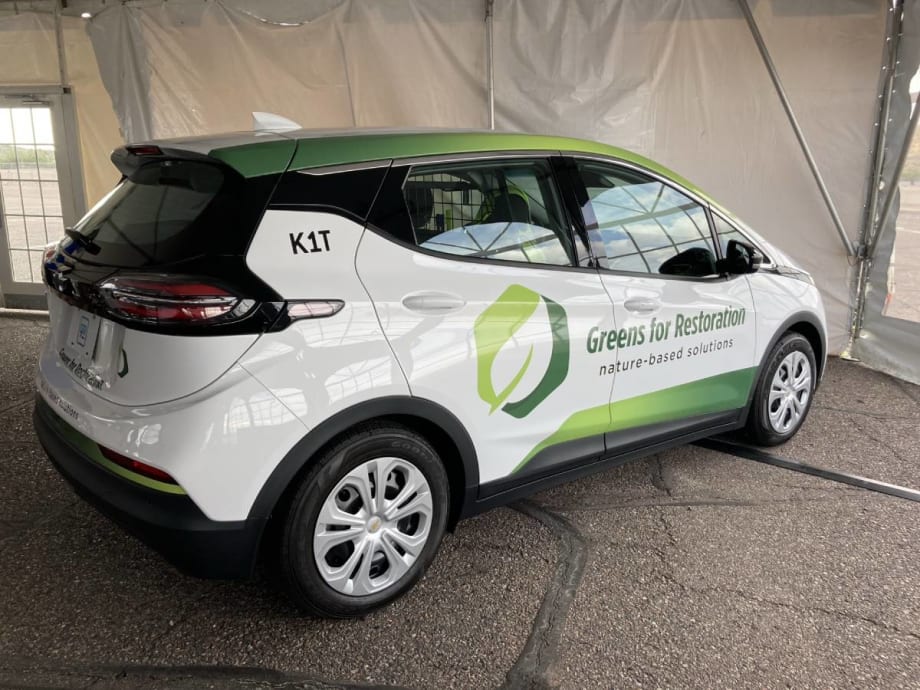
The Chevrolet Bolt EUV is new for the 2022 model year. The Bolt EUV has increased rear legroom and offers an EPA-rated range of 247 miles on a full charge.
Photo by Chris Brown
3 min to read
When it comes to fleet (and consumer) adoption of electric vehicles, range is still an issue — but charging infrastructure is the elephant in the room, particularly for organizations looking to set up home charging for their employees. That’s why General Motors has developed a suite of services around its next-gen Chevrolet Bolt EV and larger Bolt EUV, including a way to charge faster without the need to use or install charging equipment.
First, the charger: A Dual Level Charge Cord comes standard with 2022 Bolt EUV and it’s an option for Bolt EV. The Dual Level Charge Cord allows users to plug into a standard 120v three-prong outlet for Level 1 charging and a 240v outlet for Level 2 charging of up to 7.2 kilowatts.
The 240v outlet — think a kitchen range or clothes dryer plug — will give 25 miles of range for every hour of charging. Plugging into an actual Level 2 home charger will bump that range up to 37 miles an hour, according to Ali Jahed, electric vehicle consultant manager for General Motors Fleet.
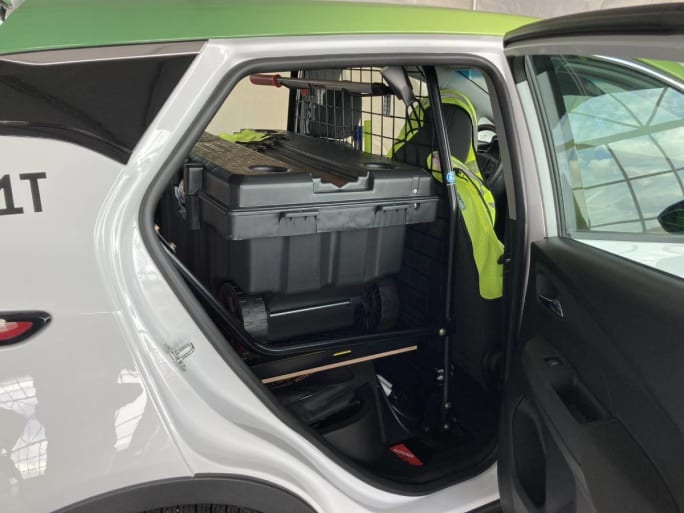
Photo by Chris Brown
“This is a great option for organizations with temporary, contract, or probationary employees that aren’t ready for the expense or permanency of an installed charger, or those in leased or rented complexes,” Jahed said at a recent GM fleet event in Phoenix, Arizona.
Some residences may need to upgrade to a 240-volt circuit and have a new 50-amp panel installed. That’s where GM’s multiple third-party charging solution providers come in: One of those vendors, Qmerit, provides a concierge-type program for home charging.
Bolt customers start the process by answering questions on a website form and then uploading a picture of their panel. With this info, Qmerit would then contact multiple local independent electricians to handle the required installation. GM will subsidize some or all of the cost depending on the complexities of the job, Jahed said.
Fleets are faced with a litany of choices and unknowns when they start the electrification journey. In terms of the process of matching those first EVs to drivers, “Start with the low-hanging fruit — the long-term employees with less turnover — and the hand raisers,” he said. “Ideally, you'd want to charge overnight at the lowest rate with a car that can sit for 12 hours.”

Photo by Chris Brown
Infrastructure buildout won’t happen overnight, which is why GM instituted services to jumpstart the process. “We’re still in the infancy of all this,” Jahed said. “Look how long it took for gas infrastructure to be built out. When the first Model T was sold, there weren’t a lot of gas stations close by.”
Jahed is seeing movement to address these issues. “There’s a collective push on the part of developers to address these issues,” he said. “Eventually building codes will change.”
Originally posted on Automotive Fleet
Subscribe to Our Newsletter
More Electric Vehicles
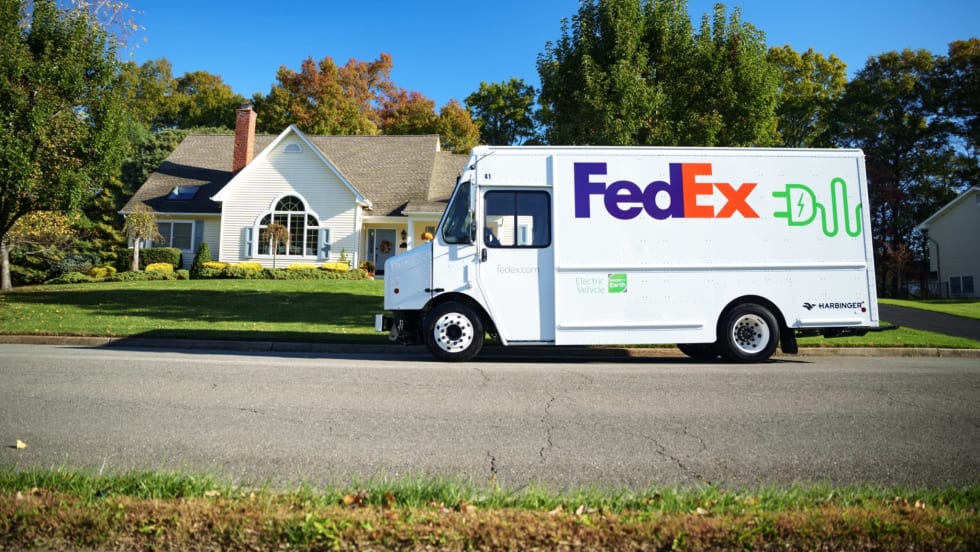
FedEx Orders 2,000 Harbinger Electric Trucks in $300 Million Deal
The Class 5 and 6 electric trucks are planned for delivery by the end of 2027 and will be deployed in FedEx pickup and delivery operations across the U.S. and Canada.
Read More →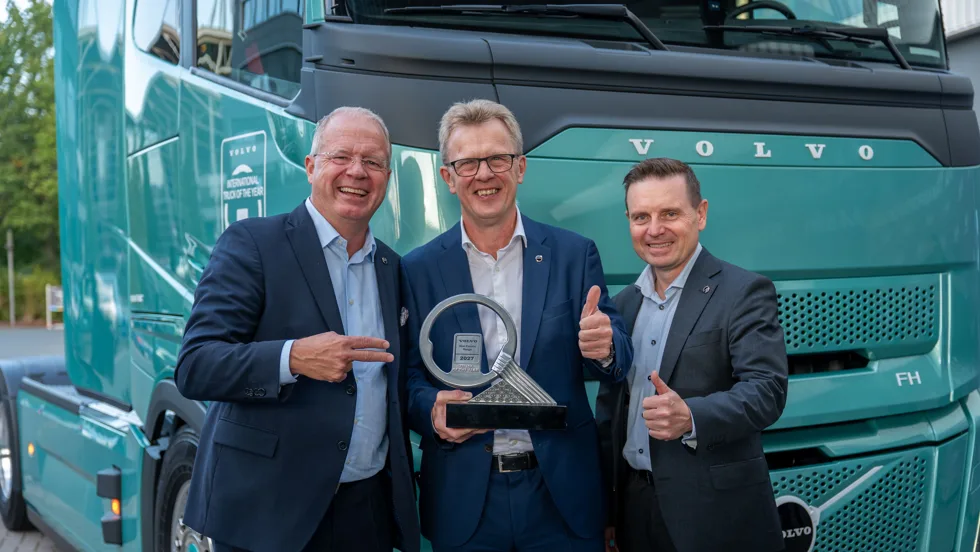
Volvo Trucks’ Electric Range Named International Truck of the Year 2027
The award recognizes Volvo’s global heavy-duty electric lineup, while more than 750 VNR Electric trucks have accumulated nearly 37 million miles in U.S. and Canadian fleet operations.
Read More →
How Republic Services Decides Where Its Next Electric Trucks Can Go
With 250 electric collection trucks now in service, Republic Services is learning that scaling electrification depends less on proving the vehicle and more on whether each site can support what comes next.
Read More →
EV Charging Use Is Outpacing Infrastructure Growth
ChargePoint’s 2026 Charging Forward Report points to rising charger use, higher-powered charging, commercial vehicle electrification, and energy-management technology. Here’s what fleets should know.
Read More →
EV Realty Names Henrik Holland President as Charging Platform Expands
The former Prologis Mobility and Shell executive will help expand EV Realty’s truck charging business and move its power-first infrastructure model into autonomous vehicle depots and other fleet sectors.
Read More →
GreenPower Expands New Mexico EV Pilot With Larger Buses, V2G Testing
After logging more than 17,000 electric miles in the first year, New Mexico’s statewide pilot is moving into its second phase with larger vehicles, continued charging evaluations, and more.
Read More →
Can EV-as-a-Service Help Fleets Scale Electrification?
Sustainability Partners CEO Adam Cain explains how matching EVs, charging infrastructure, and duty cycles can help fleets scale electrification.
Read More →
How EV-as-a-Service Is Moving Fleets Beyond Pilots
Adam Cain, president and CEO of Sustainability Partners, explains how EV-as-a-service can help fleets scale deployments by addressing duty-cycle requirements and charging challenges.
Read More →
PowerFlex, The Mobility House Join Forces to Advance Fleet Electrification
Two EV charging providers are joining forces to deliver a broader portfolio of energy management and fleet electrification solutions.
Read More →
Ford Retools Louisville Plant for Fathom Electric Truck Production
Ford's $2 billion Louisville Assembly Plant overhaul introduces a three-part assembly process for the Fathom midsize electric truck, with production scheduled to begin in 2027.
Read More →