



Learn More: 5 Tips On Connecting Your Fleet To the Electric Grid
What to Consider When Planning to Deploy an EV Utility Fleet
From the chargers you’ll need to determining which types of vehicles will fit your fleet best, there’s a lot to think about before making the transition.
July 12, 2021
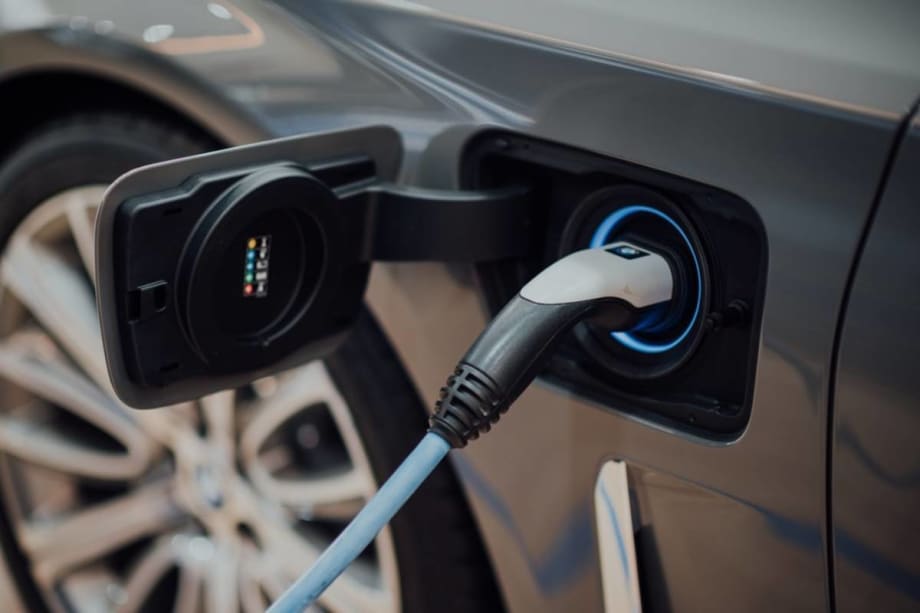
From the chargers you’ll need to determining which types of vehicles will fit your fleet best, there’s a lot to think about before making the transition.
4 min to read
During a webinar titled "How to Deploy Electric Work Trucks in Your Fleet" hosted by Advanced Clean Tech News, representatives from Ford, SoCalGas, Southern California Edison, Pacific Gas and Electric, and San Diego Gas and Electric discussed steps work truck fleets can take to better understand what is required to affordably and effectively transition to EVs.
Know Your Chargers
Andrew Papson, eMobility Advisor Transportation Electrification for Southern California Edison, stated Class 2 and 3 vehicles, which were the main focus of the webinar, are a good fit for electrification because they typically require reduced upfront costs, return to base frequently for operations, and are now seeing more EV options come to market.
“We're just now seeing products come to market in the light-duty truck segment. In the past six months, we've seen announcements from Ford on their F-150 and Transit van, an EV Chevrolet Silverado, and a whole variety of other startup companies,” Papson said.
There are a few choices a fleet can select from when making a plan to charge their fleets:
AC Level 2 Chargers - The most pervasive type on the market. This is the common charger you see at homes, malls, and workplaces that are a good option for long-dwell overnight charging and are the most economical choice in equipment cost, the infrastructure required, and ongoing electricity costs.
Standalone DC Fast Chargers – A common example would be what you see at Tesla Supercharger stations. There are a variety of models available at different power levels, all the way from 25 kW up to 200 kW or even higher. These can charge an EV in two hours or much less but aren’t cheap. They can cost more than 10 times what an AC Level 2 charger does, and even more depending on how high the power level is.
Modular DC Chargers - A large central power cabinet with all the electronics feeding multiple dispensers. If you need four or more DC charge ports, then modular chargers can be a good choice.
Papson said for customers with fleets that operate in one or two shifts with overnight charging, a “sweet spot strategy” is to rely primarily on AC Level Two charging with one charger per vehicle, then install one or two DC chargers for topping off during the day.
“This is a good mix of affordability while giving you the charging you need,” he explained.
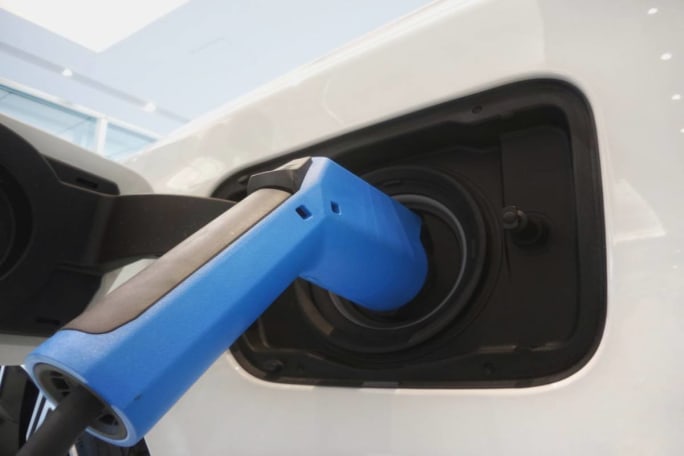
Class 2 and 3 vehicles are a good fit for electrification because they typically require reduced upfront costs, return to base frequently for operations, and are now seeing more EV options come to market.
Understand Your Utilization Habits
Michael Franco, fleet financial and systems manager for SoCalGas, shared his company’s progress on its journey to run a 100% zero-emission fleet by 2035. SoCalGas has 52 operating bases located throughout Southern California, from the San Diego border up into Central California. The service territory is diverse, covering deserts, mountain ranges, cities, and rural areas.
“There's a tremendous amount of load ranges on our vehicles. The zero-emissions vehicles (ZEVs) we're going to be adopting into our fleet must be able to meet our service territory demands,” he explained.
SoCal Gas has 48 operating garages throughout its service territory where it maintains and services its over-the-road vehicles as well as equipment and trailers. It’s been focused on alternative fuels and 30% of its current fleet vehicles are operated on renewable natural gas.
“We will continue to use renewable natural gas as a bridge fuel as the medium-duty truck and the heavy-duty truck market continues to evolve and provides new options for ZEVs,” he explained.
Because SoCalGas’ vehicles duty cycles vary greatly from location to location, Franco said it’s important to factor that into the company’s ZEV plan.
“I can look at our location in Blithe where on average our employees are driving 75 to 100 miles just to get to their first customer, and then I could look at Santa Monica where they could drive a block and reach 10, 15, or 20,” he said.
“Our ZEVs must be able to match the capabilities of our existing fleet, road conditions, and service territory. We are currently gathering data on these factors as we start to set up a replacement plan to purchase both electric and hydrogen vehicles. Being a utility provider, the fleet must be able to respond to emergencies 24/7,” he explained.
Franco said planning for SoCalGas’ fleet future includes working closely with its sister utilities as it builds out its electric vehicle infrastructure. The earlier the transition starts, the more time the company will have to prepare for changes brought about by ZEVs. In addition to this, the company will be working closely with its employees as the new fleet comes online to train and help them understand the new technologies that are in place.
More on EV Fleet Programs
Andrew Papson, eMobility advisor transportation electrification for Southern California Edison, along with Tim O'Neill, EV fleet customer onboarding specialist for Pacific Gas & Electric, and Lianna Rios, clean transportation customer solutions manager for San Diego Gas & Electric, discussed their respective company’s EV fleet programs.
More information on all three programs can be found here:
Topics:charging infrastructureSouthern California EdisonPacific Gas and Electric CompanyFleet electrificationwebinarFordSoCalGasUtility FleetsElectric VehiclesCharging
Originally posted on Work Truck Online
Subscribe to Our Newsletter
More Electric Vehicles
GreenPower Plans 50 Electric Shuttle Buses for Mexico
GreenPower plans to build 50 electric shuttle buses for Mexico using its EV Star Cab & Chassis platform, partnering with local body builders to expand its market reach.
Read More →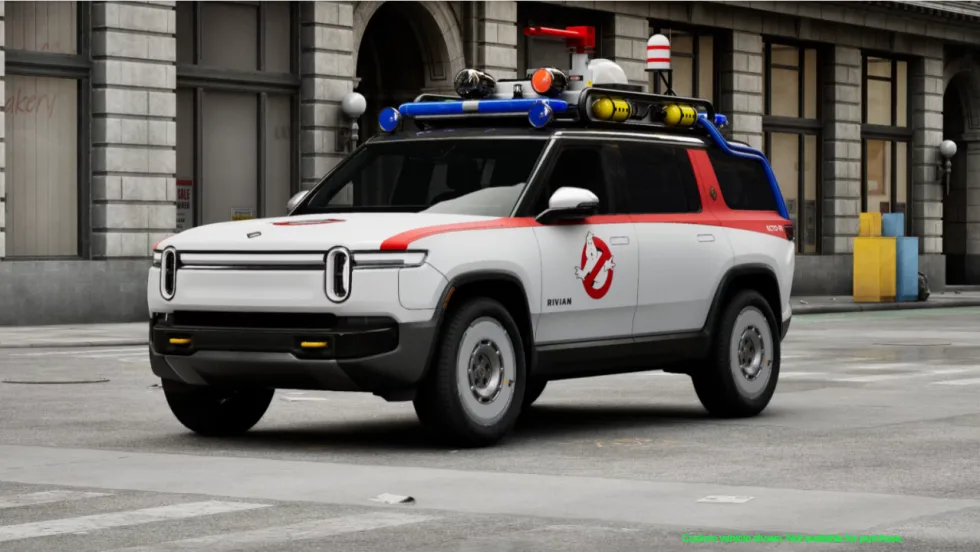
Who You Gonna Call? Rivian Turns Electric Vehicles Into Ghostbusters Rides
Rivian teams up with Sony Pictures for a Ghostbusters-inspired Halloween software update, complete with custom sounds, lighting effects, and a special Ecto-R1.
Read More →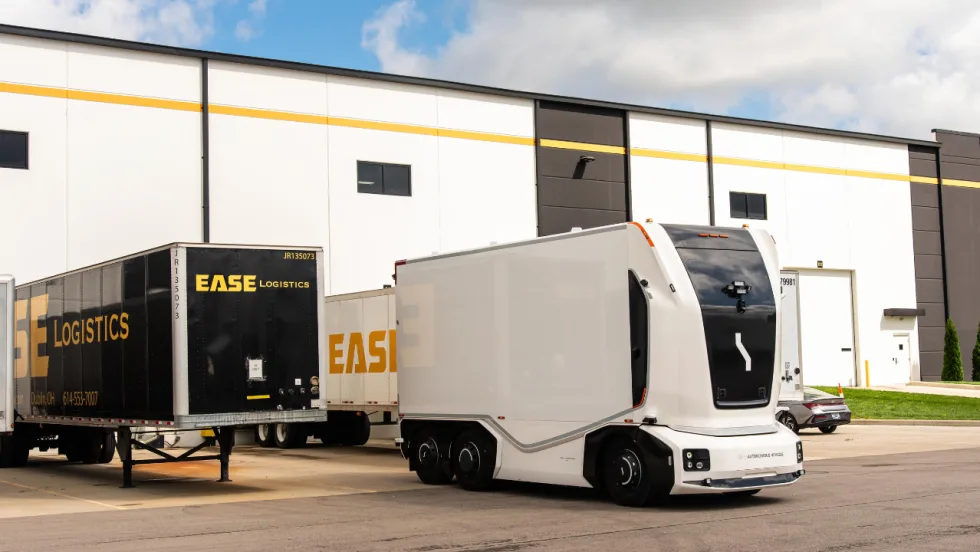
Einride Electric Driverless Trucks Begin Daily Freight Operations in Ohio
Two cabless electric trucks are now moving freight between EASE Logistics facilities, putting autonomous EV technology into daily commercial operations.
Read More →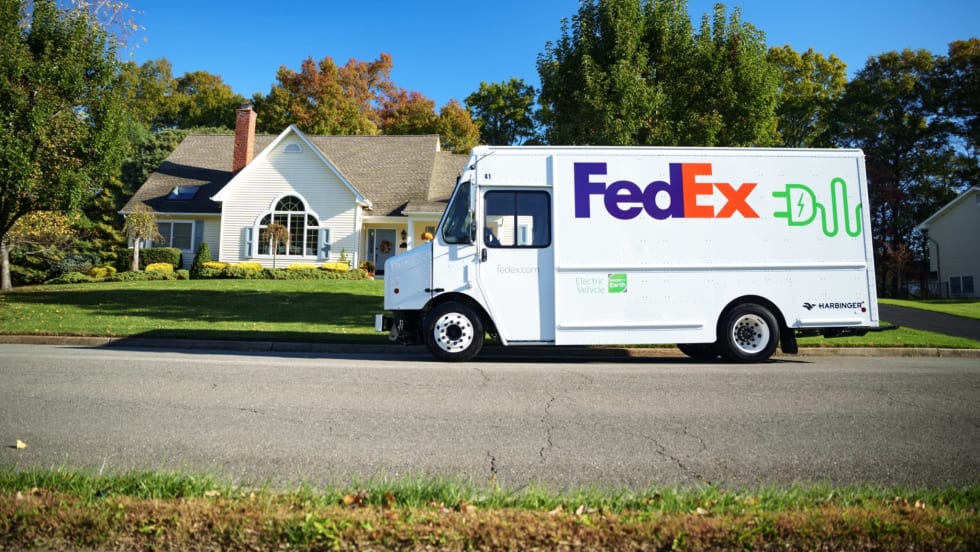
FedEx Orders 2,000 Harbinger Electric Trucks in $300 Million Deal
The Class 5 and 6 electric trucks are planned for delivery by the end of 2027 and will be deployed in FedEx pickup and delivery operations across the U.S. and Canada.
Read More →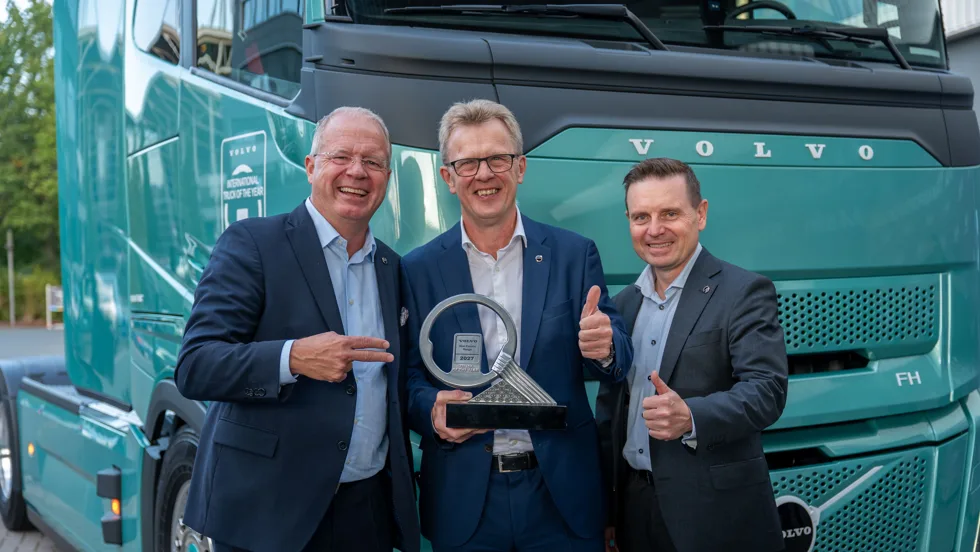
Volvo Trucks’ Electric Range Named International Truck of the Year 2027
The award recognizes Volvo’s global heavy-duty electric lineup, while more than 750 VNR Electric trucks have accumulated nearly 37 million miles in U.S. and Canadian fleet operations.
Read More →
How Republic Services Decides Where Its Next Electric Trucks Can Go
With 250 electric collection trucks now in service, Republic Services is learning that scaling electrification depends less on proving the vehicle and more on whether each site can support what comes next.
Read More →
EV Charging Use Is Outpacing Infrastructure Growth
ChargePoint’s 2026 Charging Forward Report points to rising charger use, higher-powered charging, commercial vehicle electrification, and energy-management technology. Here’s what fleets should know.
Read More →
EV Realty Names Henrik Holland President as Charging Platform Expands
The former Prologis Mobility and Shell executive will help expand EV Realty’s truck charging business and move its power-first infrastructure model into autonomous vehicle depots and other fleet sectors.
Read More →
GreenPower Expands New Mexico EV Pilot With Larger Buses, V2G Testing
After logging more than 17,000 electric miles in the first year, New Mexico’s statewide pilot is moving into its second phase with larger vehicles, continued charging evaluations, and more.
Read More →
Can EV-as-a-Service Help Fleets Scale Electrification?
Sustainability Partners CEO Adam Cain explains how matching EVs, charging infrastructure, and duty cycles can help fleets scale electrification.
Read More →