



Related news: Toyota Debuts All-Electric Concept Vehicle
New Clean Assist Program Allows Carbon-Free Charging for Toyota Plug-In Owners
The access is available for eligible Prius Prime and RAV4 Prime owners in California. It allows for 100% of charging energy matched with renewable electricity at no cost to consumers.
May 26, 2021
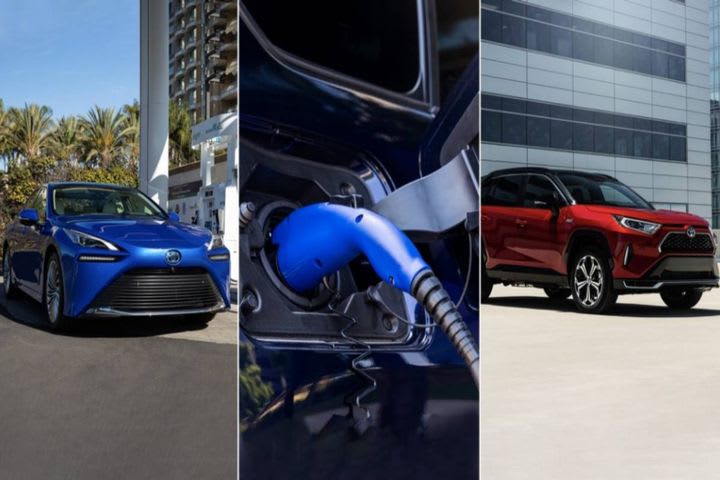
A Toyota App tracks the amount of electricity used during charging.
Photo: Toyota
2 min to read
Toyota aims to help its customers reduce carbon footprints and save money with its new Clean Assist program, according to a May 20 press release.
Clean Assist allows eligible owners of the Prius Prime or RAV4 Prime in California to offset their vehicle charging with 100% renewable energy no matter where the vehicles are plugged in. The program is free to Toyota owners.
Here’s how it works:
Owners of eligible Prius Prime or RAV4 Prime opt into the program through the Toyota App
The Toyota App tracks the amount of electricity used during charging.
Toyota then generates, or buys, an equivalent amount of California-sourced Renewable Energy Certificates (RECs), an EPA-recognized program that records the generation and usage of green energy. It then sends evidence of the matching amounts to the California Air Resources Board (CARB), thereby ensuring that all Toyota PHEV charging activity is matched with zero-carbon electricity.
Whether owners charge up their vehicles at home, the office or on the road, the energy will be matched with 100% renewable power. How much renewable power is easily tracked through the Toyota App where owners see the amount of CO2 they have avoided through the Clean Assist program. Owners can opt out of the program at any time and for any reason through the app.
Toyota is choosing to voluntarily participate in the CARB Low Carbon Fuel Standard (LCFS). This program seeks to reduce California transportation GHG emissions, including through the use of renewable electricity to charge EVs. Charging vehicles with renewable electricity can generate LCFS credits which can then be sold, with the revenues used to further promote transportation electrification and the purchase of more RECs, a virtuous cycle that helps make the program self sustaining.
More Charging
Honda Develops In-Motion Wireless EV Charging Technology for Commercial Vehicles
Honda, Taisei and Taisei Rotec are developing a road-embedded wireless charging system capable of transferring up to 150 kW, with public-road testing planned in Japan beginning in fiscal 2027.
Read More →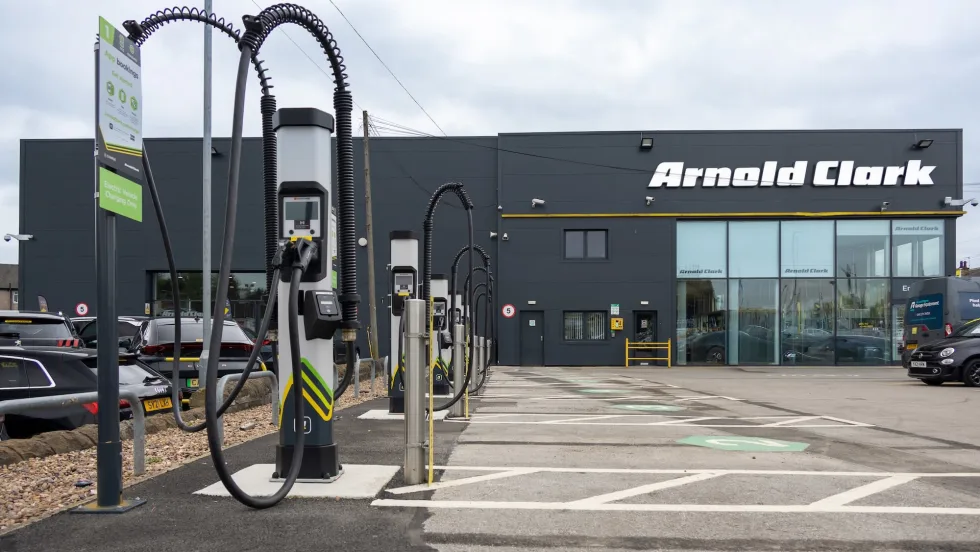
Arnold Clark Charge Opens Six Ultra-Rapid EV Chargers in Huddersfield
The new public charging site brings the Arnold Clark Charge network to 63 locations across the U.K., with charging priced at 55 pence per kWh.
Read More →
ChargerHelp Report Finds EV Charger Recovery Delays Can Stretch Beyond a Month
An analysis of approximately 500 million data points found charging issues requiring multiple work orders took a median of 32 days to resolve, highlighting the operational impact of diagnostics and repair coordination.
Read More →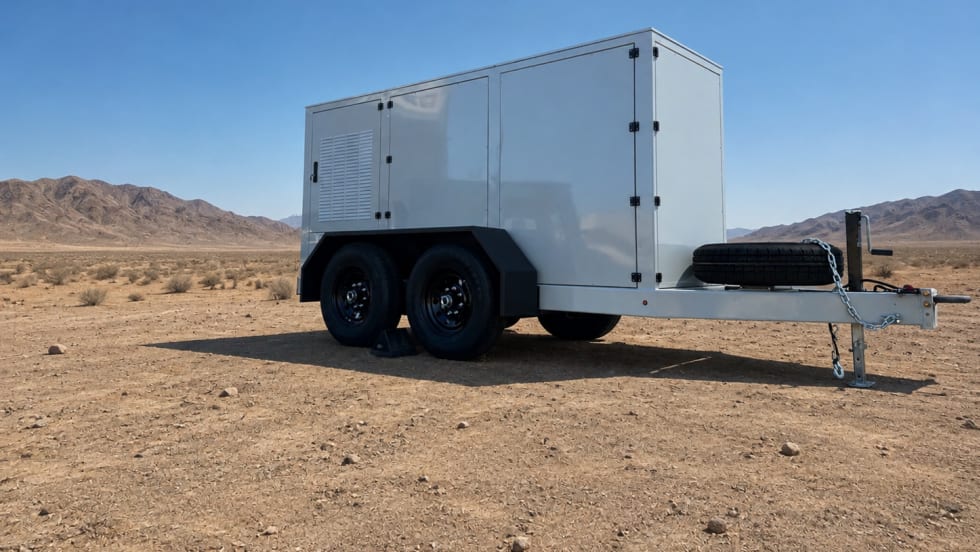
Xos Mobile Charging Hub Surpasses 1 GWh of Energy Delivered
As fleets electrify, charging capacity does not always arrive on the same timeline as the vehicles. Operating data from one Xos Hub shows how mobile, grid-independent charging can support vehicles when permanent infrastructure or utility upgrades aren't available.
Read More →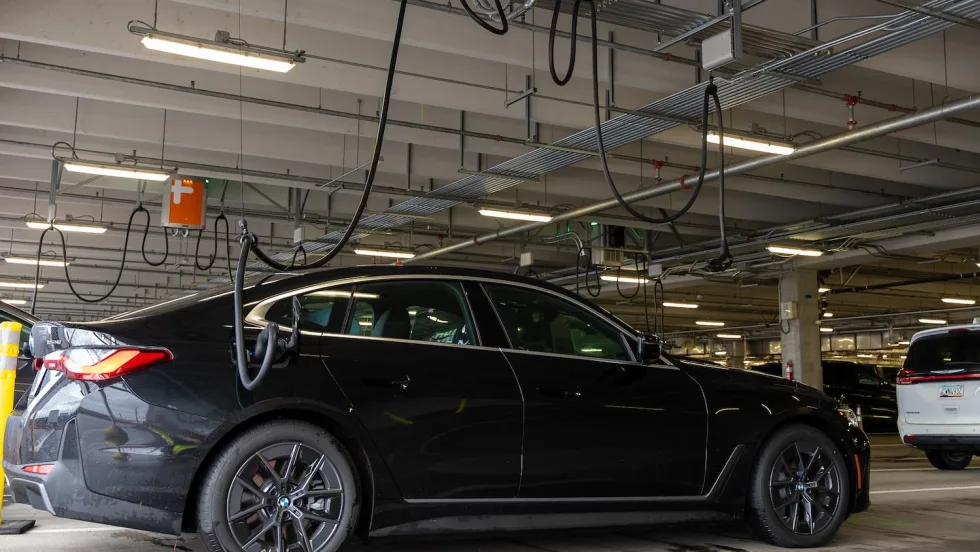
ChargePoint Adds Overhead EV Fast Charging at Portland International Airport
The installation can charge up to 20 rental vehicles simultaneously and uses overhead equipment to preserve ground-level space at the airport's Quick Turnaround Facility.
Read More →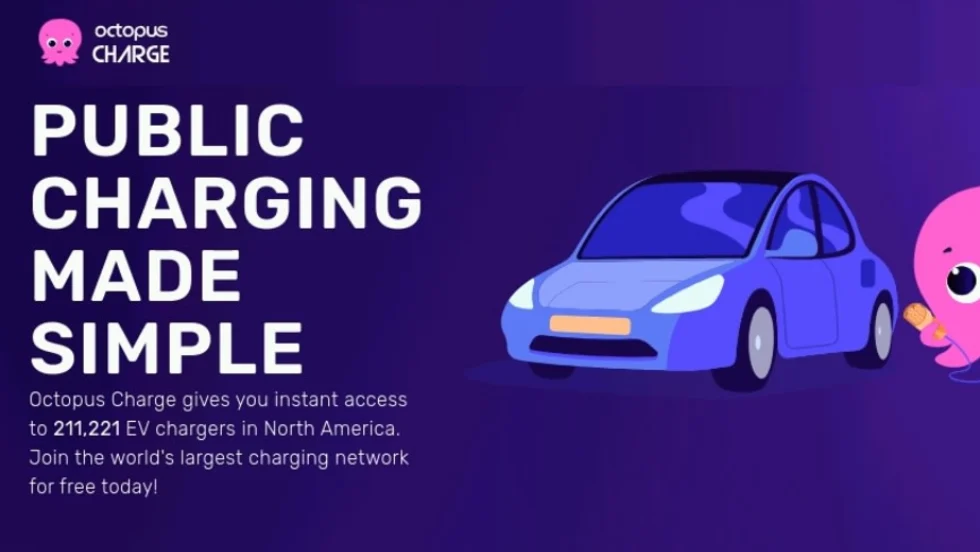
Octopus Energy Launches Public EV Charging App in U.S.
Octopus Charge allows EV drivers to locate and access public charging stations through a single app, building on the company's Electroverse platform in Europe.
Read More →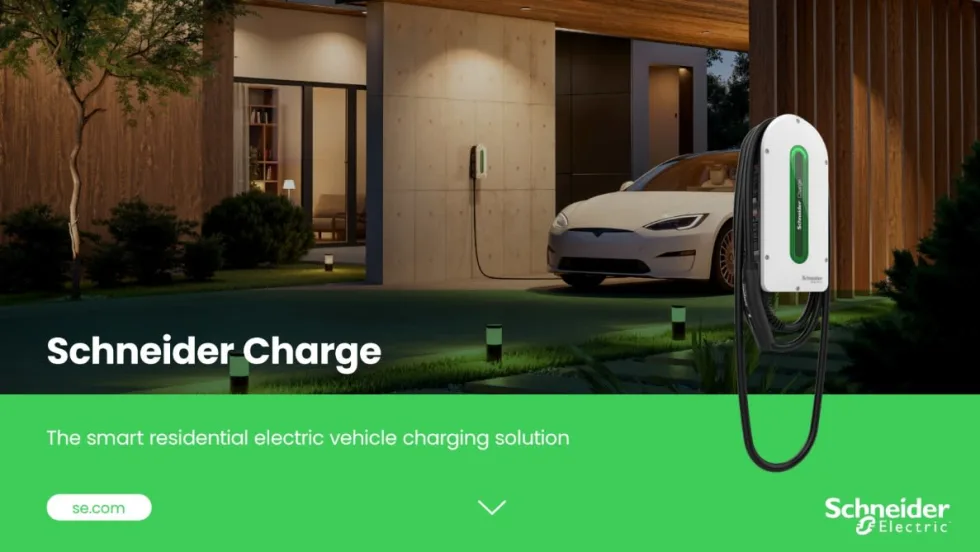
Schneider Electric Launches Level 2 Home EV Charger With Integrated Load Management
Schneider Charge uses integrated SmartAmp technology to adjust charging output based on household electrical demand and is available with NACS or J1772 connectors.
Read More →
Why EV Charging Reliability Is More Complicated Than It Looks
GridLink CEO Josh Silets explains what causes EV chargers to fail, why fleet operators often struggle to identify the source, and what questions they should ask charging vendors.
Read More →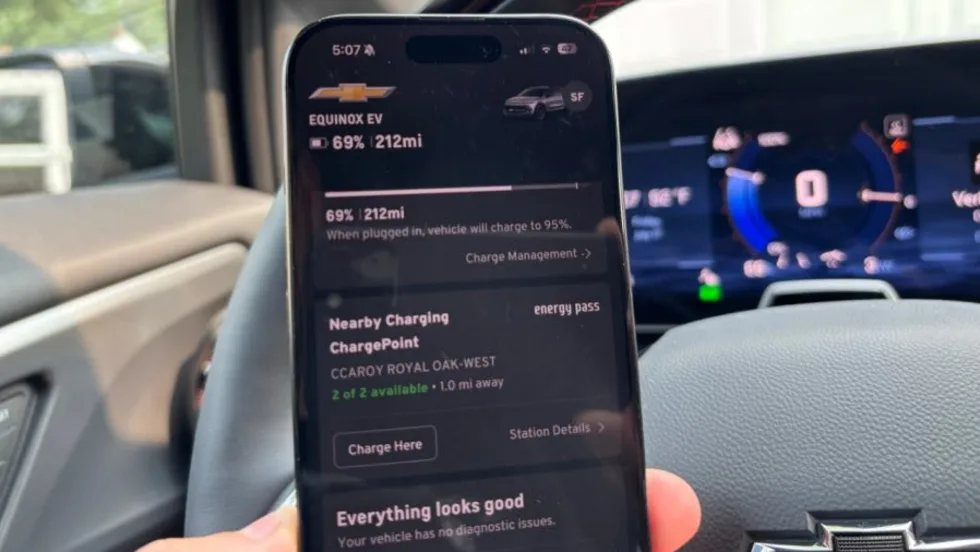
GM Adds ChargePoint Network to Energy Pass Platform
The integration gives GM EV drivers access to additional DC fast chargers and Level 2 stations through a single app while expanding the automaker's public charging ecosystem.
Read More →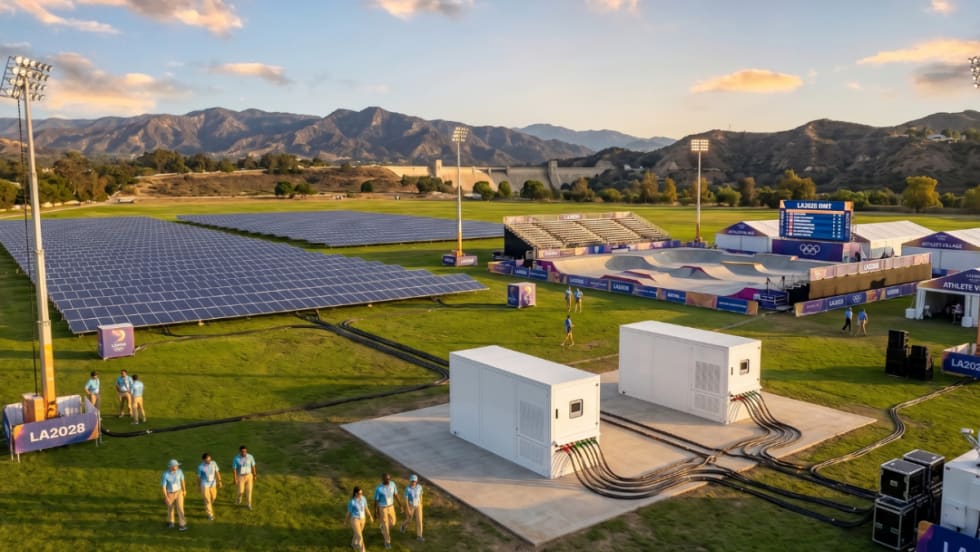
Xos White Paper Asserts LA Olympics Will Lack Enough EV Chargers
The commercial EV fleet company recommends some faster and more flexible remedies to relieve the anticipated shortfall.
Read More →