


Volvo Commits to Entirely EV Portfolio by 2030
The automaker's decision builds on the expectation that legislation as well as a rapid expansion of accessible high quality charging infrastructure will accelerate consumer acceptance of fully electric cars.

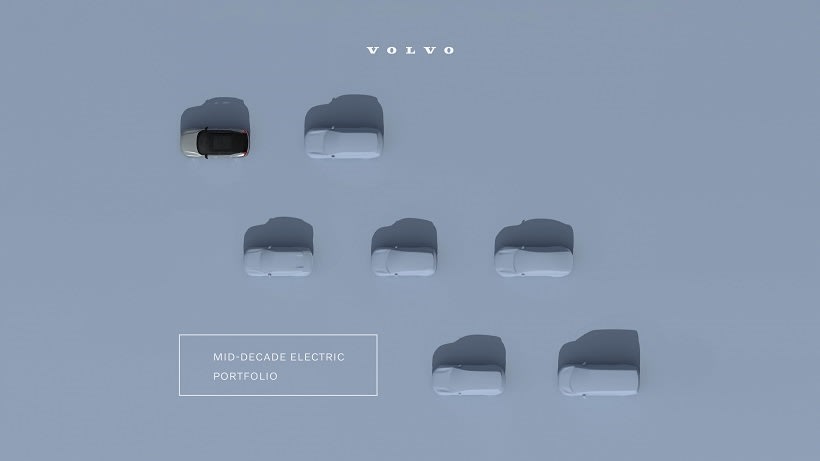
The automaker's decision builds on the expectation that legislation as well as a rapid expansion of accessible high quality charging infrastructure will accelerate consumer acceptance of fully electric cars.
Photo: Volvo
Volvo Cars said it plans to become a fully electric car company by 2030, and intends to only sell EVs and phase out any car in its global portfolio with an internal combustion engine, including hybrids, the automaker said.
The company’s transition toward becoming a fully electric car maker is part of its ambitious climate plan, which seeks to consistently reduce the life cycle carbon footprint per car, Volvo said. Its decision also builds on the expectation that legislation as well as a rapid expansion of accessible high quality charging infrastructure will accelerate consumer acceptance of fully electric cars.
Volvo Cars’ move towards full electrification comes together with an increased focus on online sales and a more complete, attractive and transparent consumer offer under the name Care by Volvo. All fully electric models will be available online only.
“To remain successful, we need profitable growth. So instead of investing in a shrinking business, we choose to invest in the future – electric and online,” said Håkan Samuelsson, chief executive. “We are fully focused on becoming a leader in the fast-growing premium electric segment.”
Volvo Cars launched its first fully electric car, the XC40 Recharge, in markets around the globe last year. Later today the company will reveal its second fully electric car, a new model in the 40 Series, Volvo said.
In coming years Volvo Cars will roll out several additional electric models, with more to follow. Already by 2025, it aims for 50% of its global sales to consist of fully electric cars, with the rest hybrids. By 2030, every car it sells will be fully electric.
“There is no long-term future for cars with an internal combustion engine,” said Henrik Green, chief technology officer. “We are firmly committed to becoming an electric-only car maker and the transition should happen by 2030. It will allow us to meet the expectations of our customers and be a part of the solution when it comes to fighting climate change.”
Originally posted on Automotive Fleet
More Electric Vehicles
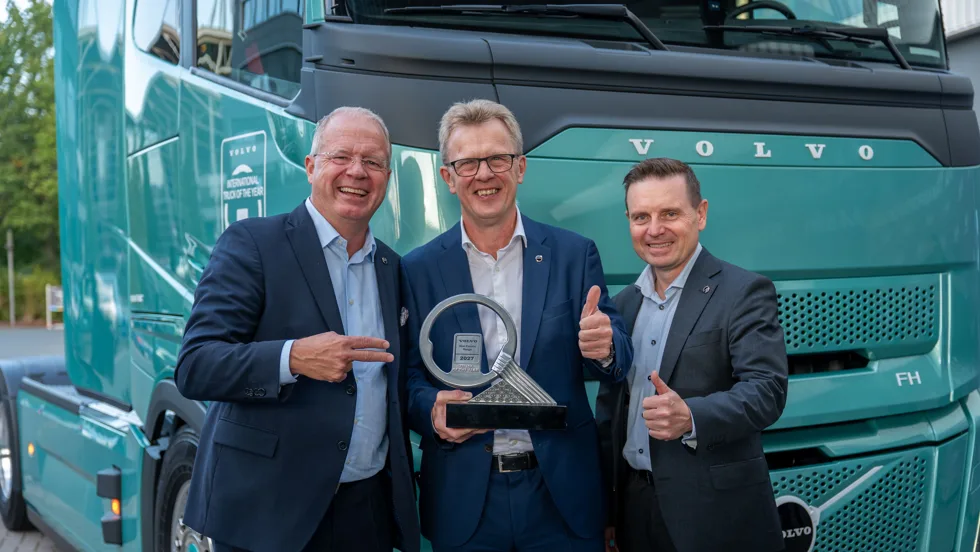
Volvo Trucks’ Electric Range Named International Truck of the Year 2027
The award recognizes Volvo’s global heavy-duty electric lineup, while more than 750 VNR Electric trucks have accumulated nearly 37 million miles in U.S. and Canadian fleet operations.
Read More →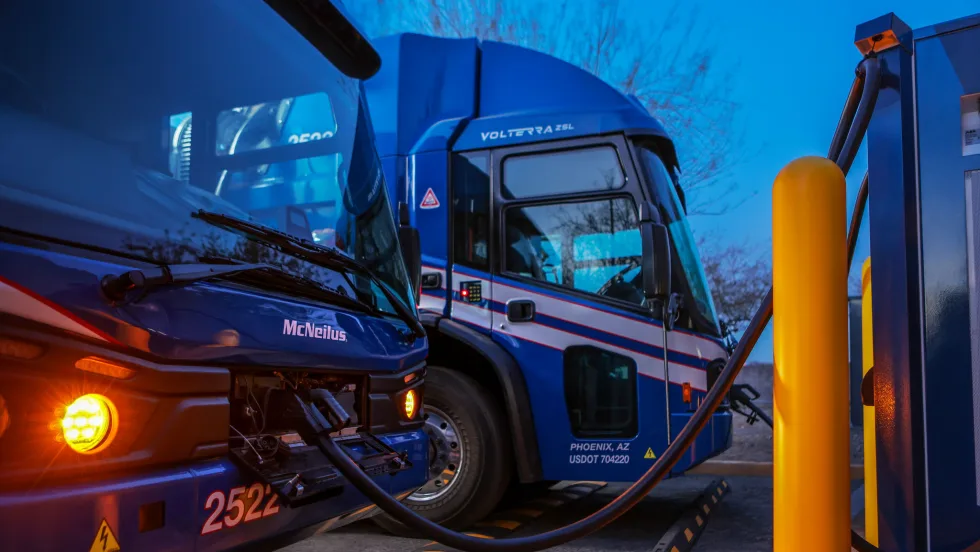
How Republic Services Decides Where Its Next Electric Trucks Can Go
With 250 electric collection trucks now in service, Republic Services is learning that scaling electrification depends less on proving the vehicle and more on whether each site can support what comes next.
Read More →
EV Charging Use Is Outpacing Infrastructure Growth
ChargePoint’s 2026 Charging Forward Report points to rising charger use, higher-powered charging, commercial vehicle electrification, and energy-management technology. Here’s what fleets should know.
Read More →
EV Realty Names Henrik Holland President as Charging Platform Expands
The former Prologis Mobility and Shell executive will help expand EV Realty’s truck charging business and move its power-first infrastructure model into autonomous vehicle depots and other fleet sectors.
Read More →
GreenPower Expands New Mexico EV Pilot With Larger Buses, V2G Testing
After logging more than 17,000 electric miles in the first year, New Mexico’s statewide pilot is moving into its second phase with larger vehicles, continued charging evaluations, and more.
Read More →
Can EV-as-a-Service Help Fleets Scale Electrification?
Sustainability Partners CEO Adam Cain explains how matching EVs, charging infrastructure, and duty cycles can help fleets scale electrification.
Read More →
How EV-as-a-Service Is Moving Fleets Beyond Pilots
Adam Cain, president and CEO of Sustainability Partners, explains how EV-as-a-service can help fleets scale deployments by addressing duty-cycle requirements and charging challenges.
Read More →
PowerFlex, The Mobility House Join Forces to Advance Fleet Electrification
Two EV charging providers are joining forces to deliver a broader portfolio of energy management and fleet electrification solutions.
Read More →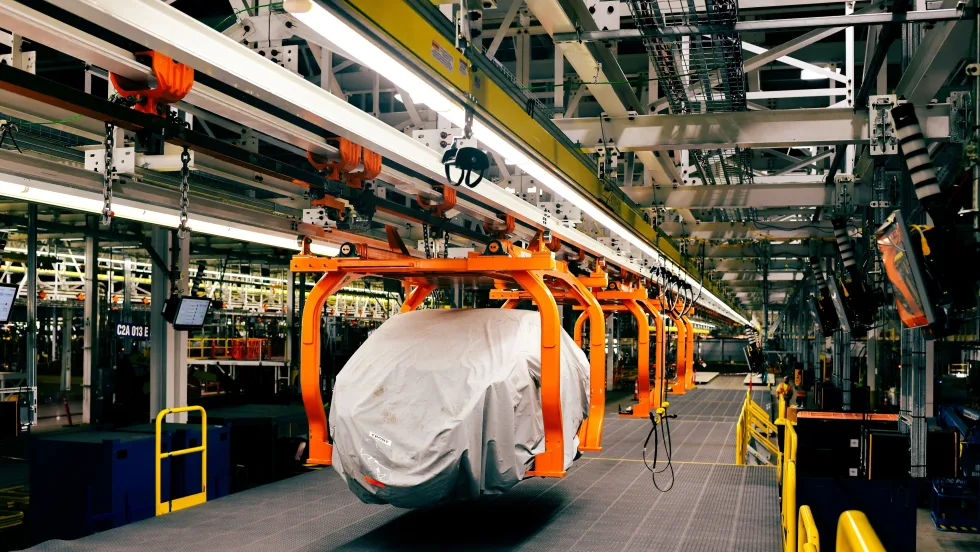
Ford Retools Louisville Plant for Fathom Electric Truck Production
Ford's $2 billion Louisville Assembly Plant overhaul introduces a three-part assembly process for the Fathom midsize electric truck, with production scheduled to begin in 2027.
Read More →
Merchants Fleet Reports 290M EV Miles as Fleets Navigate Changing Electrification Market
From millions in operating savings to hundreds of millions of EV miles, Merchants Fleet’s latest report reveals what’s working and what’s changing in fleet electrification.
Read More →