



Miss This?Charting Model Year MPG Improvements for ICE Vehicles
Vincentric EV Analysis Finds 44% Have Lower Ownership Costs Than Comparable Gas Alternatives
Although fewer EVs this year beat gas cars on total cost, most still win on fuel, maintenance, and emissions reductions.
May 1, 2025
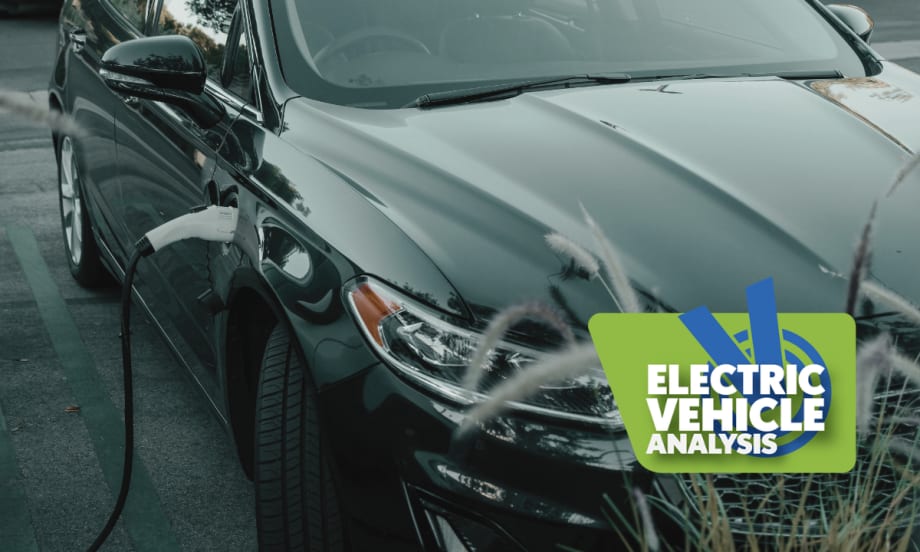
The updated Vincentric study analyzed eight cost factors comprising a vehicle’s ownership cost: depreciation, fees & taxes, financing, fuel, insurance, maintenance, opportunity cost, and repairs.
Photo: Kindel Media via Pexels / Vincentric / Automotive Fleet
3 min to read
Vincentric, a provider of automotive cost of ownership data, recently released an updated Electric Vehicle (EV) Cost of Ownership Analysis for 2025.
The company found that 24 of 54 (44%) EVs studied had a lower total cost of ownership over five years than a similarly equipped gasoline alternative. This shows a slight decrease from the 2024 study in which 49% of the EVs studied had lower ownership costs.
The Vincentric study analyzed eight cost factors comprising a vehicle’s ownership cost: depreciation, fees & taxes, financing, fuel, insurance, maintenance, opportunity cost, and repairs. The biggest advantage for EVs was their fuel costs.
The electricity cost for all 54 EVs was lower than gasoline for their Internal Combustion Engine (ICE) alternatives, with average fuel cost savings of just over $7,500. Maintenance costs were another strength, with 43 of 54 EVs costing less to maintain over the five-year timeframe of the study.
Electric Vehicles Face Mounting Depreciation Challenges
The most significant disadvantage of EVs continues to be depreciation, mainly because 44 of the 54 EVs studied had a higher purchase price than their gas-powered counterpart.
Only 9% of EVs analyzed had lower depreciation costs than their ICE alternative, which is down significantly from last year’s study in which 24% had lower depreciation.
Another contributing factor to this decline was that only 5 of 54 EVs qualified for the $7,500 federal point-of-sales rebate for purchasing electric vehicles. The strict qualification criteria for this rebate have been an ongoing challenge for EVs. While only five qualified this year, the 2024 study had even less, with only three qualifying EVs.
Despite Higher Upfront Costs, EVs Deliver Environmental and Long-Term Value
In addition to the financial cost of ownership, the analysis also examined the environmental cost of ownership of the vehicles studied to compare the environmental impact of driving an ICE vehicle versus an EV.
Even though EVs create greenhouse gas emissions due to electricity production, the study found that, on average, over five years, EVs reduce CO2 emissions by over 4.4 metric tons, NOX emissions by over 2.3 metric tons, and VOC emissions by over 1.7 metric tons compared to their ICE alternatives.
“The higher purchase price of EVs can be a major factor in consumers’ hesitance to switch to electric,” said Vincentric President David Wurster. “While our latest analysis of EVs in America has shown some decreases in cost-effectiveness from last year, the 2025 study still found that 44% of EVs cost less to own over five years than a comparable gas vehicle. This means that, despite the oftentimes higher upfront cost, a wide variety of EVs can still save buyers money over another gasoline-powered car.”
This Vincentric analysis assumed that all vehicles were driven 15,000 miles per year over the next five years. Results were based on federal point-of-sales rebate qualifications and vehicle pricing as of March 11, 2025.
Originally posted on Automotive Fleet
More Electric Vehicles
EV Charging Use Is Outpacing Infrastructure Growth
ChargePoint’s 2026 Charging Forward Report points to rising charger use, higher-powered charging, commercial vehicle electrification, and energy-management technology. Here’s what fleets should know.
Read More →
EV Realty Names Henrik Holland President as Charging Platform Expands
The former Prologis Mobility and Shell executive will help expand EV Realty’s truck charging business and move its power-first infrastructure model into autonomous vehicle depots and other fleet sectors.
Read More →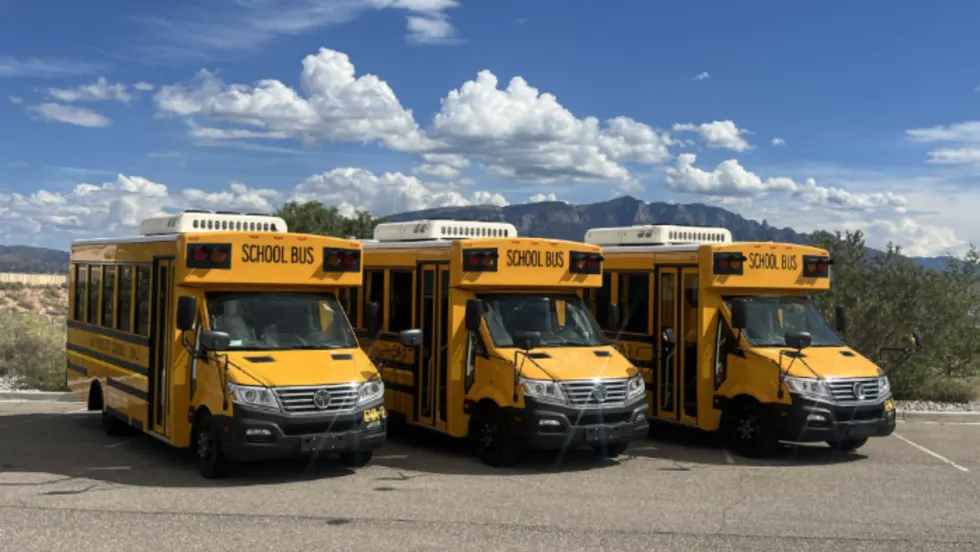
GreenPower Expands New Mexico EV Pilot With Larger Buses, V2G Testing
After logging more than 17,000 electric miles in the first year, New Mexico’s statewide pilot is moving into its second phase with larger vehicles, continued charging evaluations, and more.
Read More →
Can EV-as-a-Service Help Fleets Scale Electrification?
Sustainability Partners CEO Adam Cain explains how matching EVs, charging infrastructure, and duty cycles can help fleets scale electrification.
Read More →
How EV-as-a-Service Is Moving Fleets Beyond Pilots
Adam Cain, president and CEO of Sustainability Partners, explains how EV-as-a-service can help fleets scale deployments by addressing duty-cycle requirements and charging challenges.
Read More →
PowerFlex, The Mobility House Join Forces to Advance Fleet Electrification
Two EV charging providers are joining forces to deliver a broader portfolio of energy management and fleet electrification solutions.
Read More →
Ford Retools Louisville Plant for Fathom Electric Truck Production
Ford's $2 billion Louisville Assembly Plant overhaul introduces a three-part assembly process for the Fathom midsize electric truck, with production scheduled to begin in 2027.
Read More →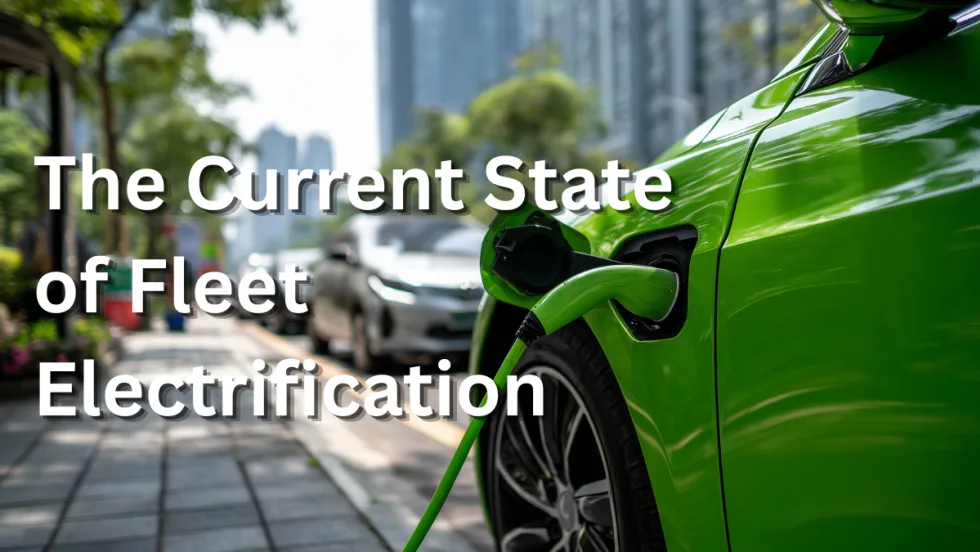
Merchants Fleet Reports 290M EV Miles as Fleets Navigate Changing Electrification Market
From millions in operating savings to hundreds of millions of EV miles, Merchants Fleet’s latest report reveals what’s working and what’s changing in fleet electrification.
Read More →
California District Commits to Electrify 25% of School Bus Fleet by 2028
One of the nation's largest school bus electrification projects to date demonstrates how grants, charging infrastructure, and public-private partnerships can help fleets transition to EVs at scale.
Read More →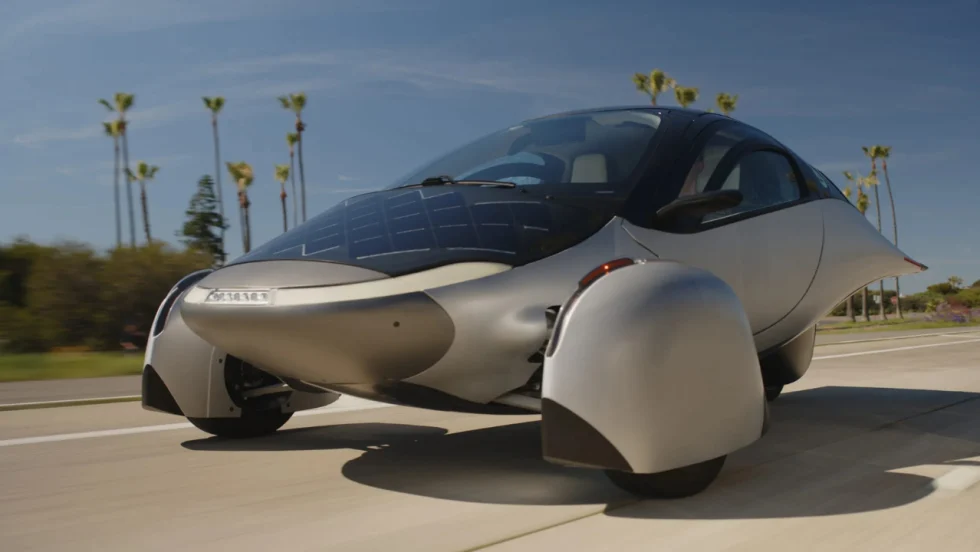
Aptera Orders Bodies and Chassis for Its First 40 Production Vehicles
Aptera Motors Corp. has issued purchase orders for the major structural components of its first 40 vehicles, and body and chassis components are expected to begin arriving in October.
Read More →