


Two Electric Vehicles Capture IIHS Safety Awards
The XC40 Recharge, a small SUV, and the Mustang Mach-E, a midsize SUV, were put through the paces of six crashworthiness tests.

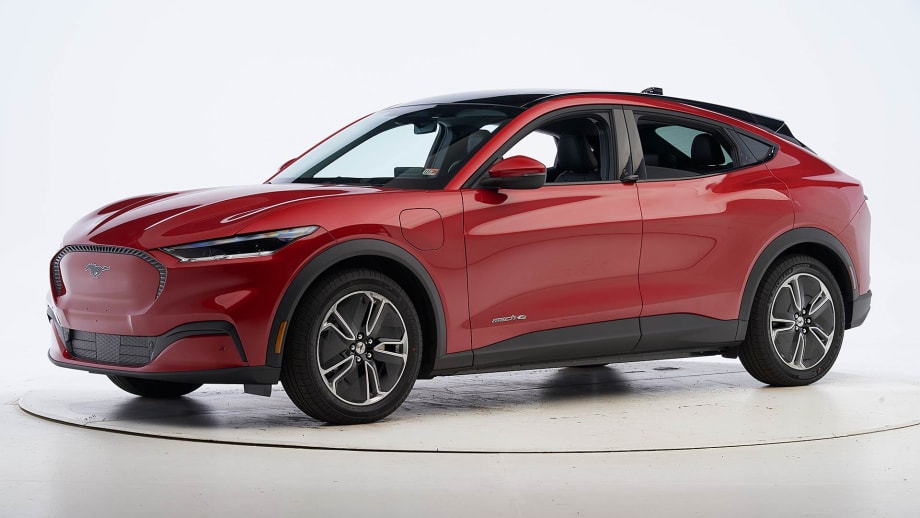
In the case of the Mach-E its standard front crash prevention system garnered superior ratings in both assessments.
Photo courtesy of Ford.
The 2021 Volvo XC40 Recharge just commanded Top Safety Pick+ recognition while the 2021 Ford Mustang Mach-E earned a Top Safety Pick award from the Insurance Institute for Highway Safety (IIHS).
The two battery-powered vehicles join a growing but still elite fleet of all-electric and hybrid vehicles rolling away with IIHS safety awards.
Both the XC40 Recharge, a small SUV, and the Mustang Mach-E, a midsize SUV, were put through the paces of IIHS’s six crashworthiness tests. They aced the evaluations, earning good scores in all tests. These included driver- and passenger-side small overlap front, moderate overlap front, side, roof strength and head restraint tests.
But IIHS evaluations don't stop there. To garner either safety award, a vehicle’s front crash prevention system must earn advanced or superior ratings in both the vehicle-to-vehicle and vehicle-to-pedestrian evaluations. Here again, both EVs met the strict standard.
The XC40 Recharge comes with a standard front crash prevention system that earned superior and advanced scores in the vehicle-to-vehicle and vehicle-to-pedestrian evaluations, respectively. In the case of the Mach-E its standard front crash prevention system garnered superior ratings in both assessments.
Headlights are a critical part of IIHS safety testing. To earn the highest recognition, vehicles must come with good or acceptable headlights across all trim levels and packages.
The curve-adaptive LED reflector headlights installed on every XC40 Recharge earn a good rating — giving it the final element needed to score “plus” status.
While the Mach-E is available with good-rated LED projector headlights on the Premium, GT and First Edition trims, its LED reflectors installed on the Select and California Route 1 trims are rated marginal — making the vehicle fall short of the “plus” recognition.
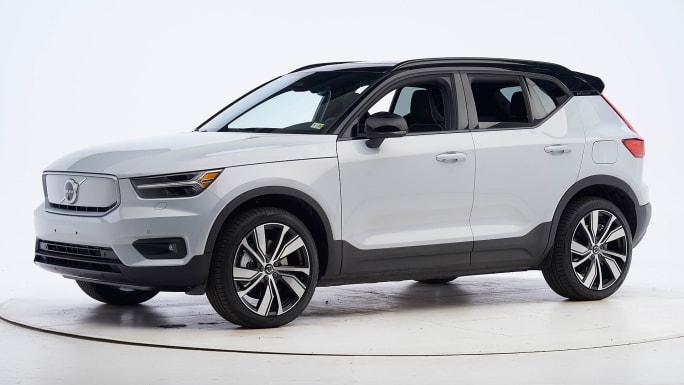
The XC40 Recharge comes with a standard front crash prevention system that earned superior and advanced scores in the vehicle-to-vehicle and vehicle-to-pedestrian evaluations
Photo courtesy of Volvo.
Injury Claims for EVs 40% Lower than Conventional Models
The Institute says evidence is mounting that electric vehicles are at least as safe as conventional ones. In fact, a recent analysis of insurance data from 2011 to 2019 shows injury claims for EVs are 40% lower than for identical conventional models.
On possible explanation for lower injuries is that the large batteries used in electric vehicles make them substantially heavier than their conventional counterparts. In multi-vehicle collisions, occupants of heavier vehicles are exposed to lower forces.
The IIHS-affiliated Highway Loss Data Institute conducted the latest study. It compares electric and conventional versions of nine models from 2011 to 2019, examining collision, property damage liability and injury claims.
Originally posted on Automotive Fleet
More Operations

The EV Breakdown Nobody's Talking About: Why Most Electric Vehicle Roadside Calls Aren't Mechanical Failures
Here's why EV breakdowns are widely misunderstood.
Read More →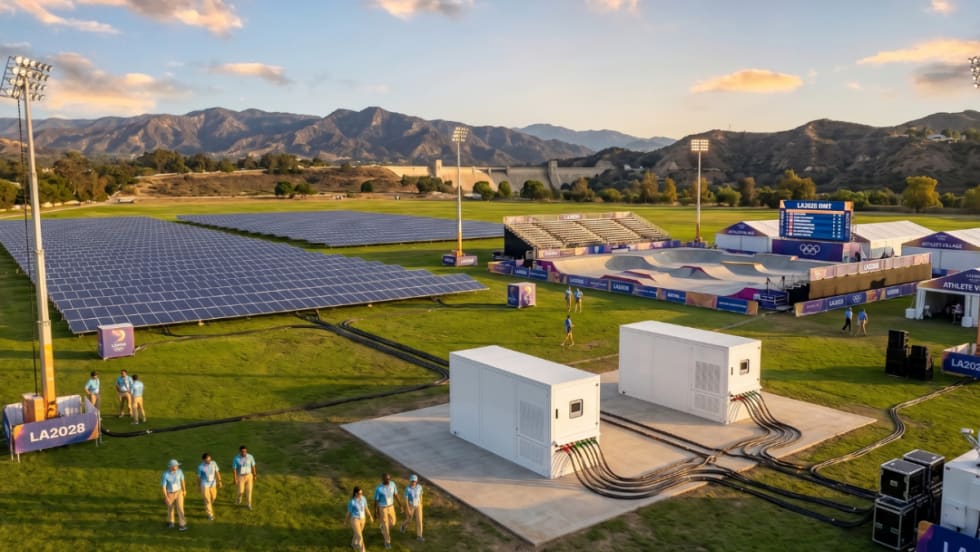
Xos White Paper Asserts LA Olympics Will Lack Enough EV Chargers
The commercial EV fleet company recommends some faster and more flexible remedies to relieve the anticipated shortfall.
Read More →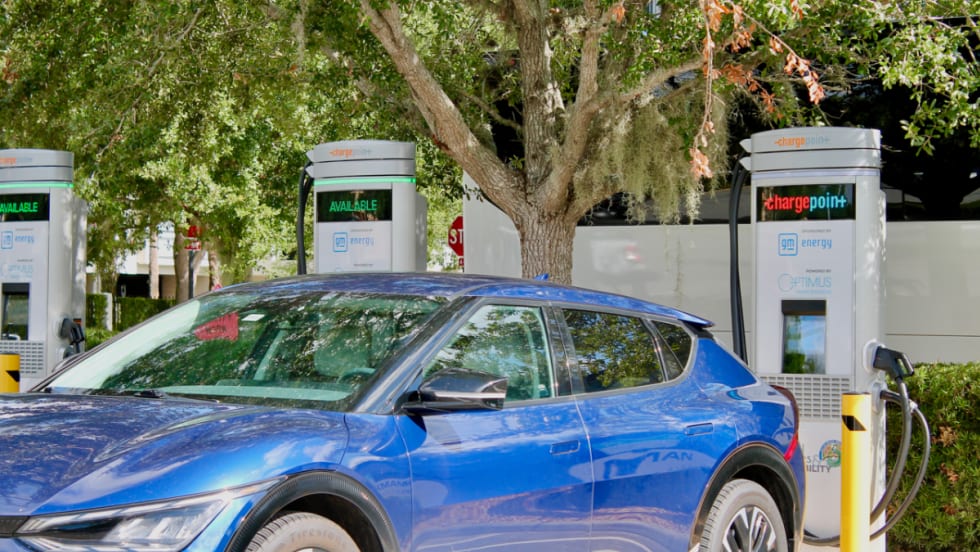
ChargePoint, Optimus Expand Fast-Charging Network Across Southeastern U.S.
ChargePoint will serve as the exclusive solutions provider, delivering hardware, software, and services to support Optimus’ growing charging network.
Read More →
Running A Profitable Electric Rental Fleet
How do you successfully operate an all-electric rental car fleet? Whether you manage a rental fleet or another commercial fleet, this conversation offers practical lessons on deploying, operating, and scaling electric vehicles.
Read More →
Registration Opens for 2026 Fleet Forward Conference
Held on the East Coast for the first time, the Washington, D.C.-area event features expert-led education, a new IIHS Crash Test Experience, and collocation with the NAFA’s Fleet Safety Symposium.
Read More →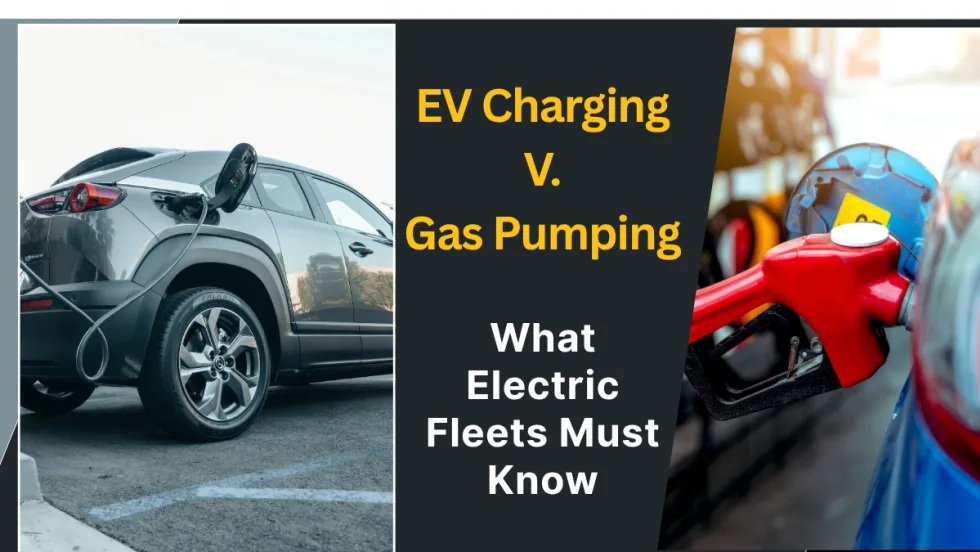
Why Charging May Never Be As Easy As Filling Up Gas
A seamless charge depends on a string of independent companies getting it right together, every time. How can electric fleets navigate the challenges to create a successful charging plan?
Read More →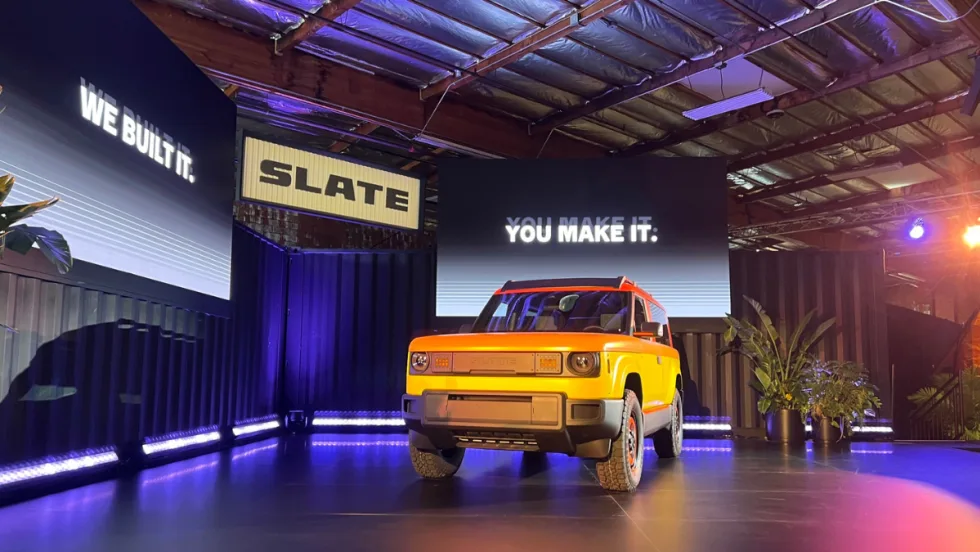
Slate Debuts Colorful, Unique EV Models
A recent media and client event, studded with electric vehicles dressed up on platforms, planted a new position for the manufacturer in the wider EV market. Fleets will find cost-saving advantages.
Read More →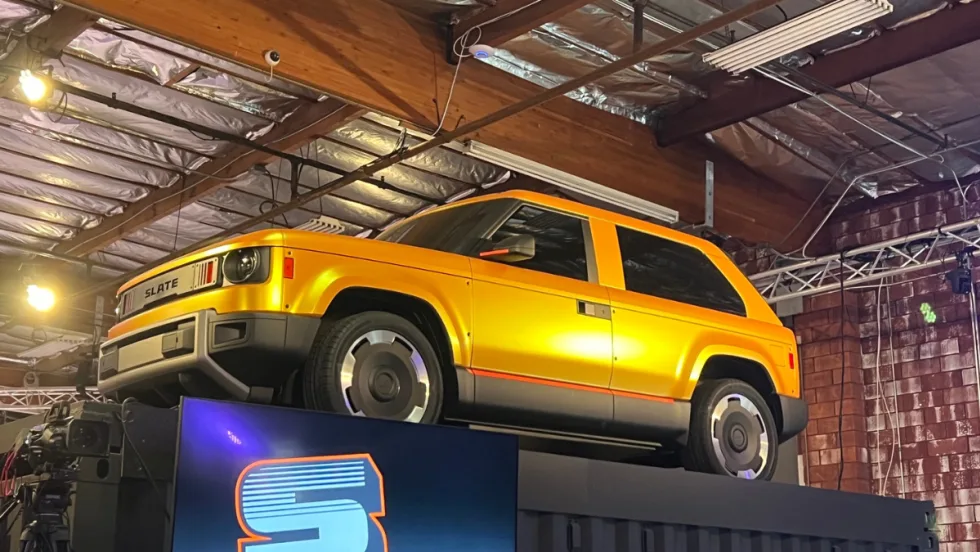
Slate Electric SUV, Pickup Switchable Model Aims For Light-Duty Fleets
Everything about this EV is counterintuitive and understated, making it stand out from the crowd.
Read More →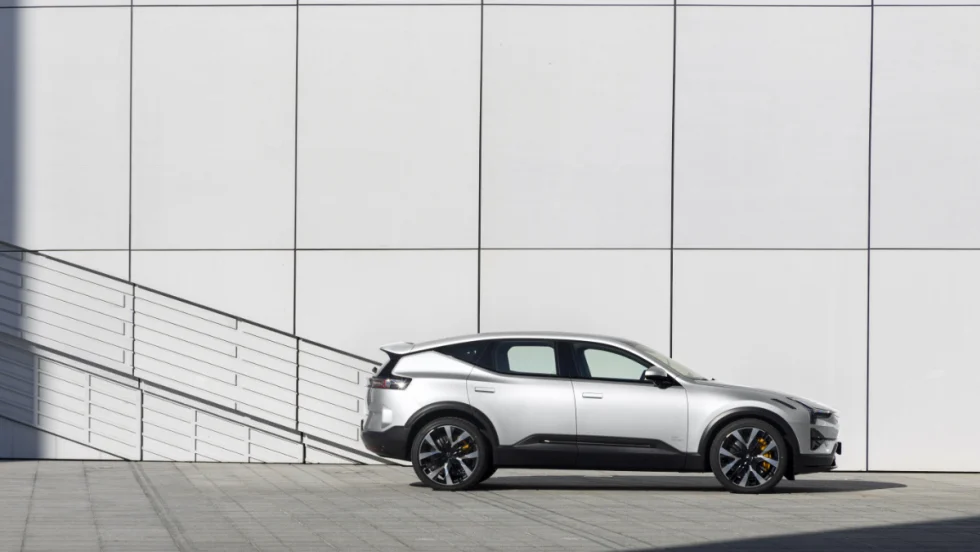
Polestar Barred from U.S. Market Under Connected Vehicle Rule
The automaker loses its authorization to sell new vehicles in the U.S., starting with the 2027 model year. Polestar owners will retain access to the brand's service network.
Read More →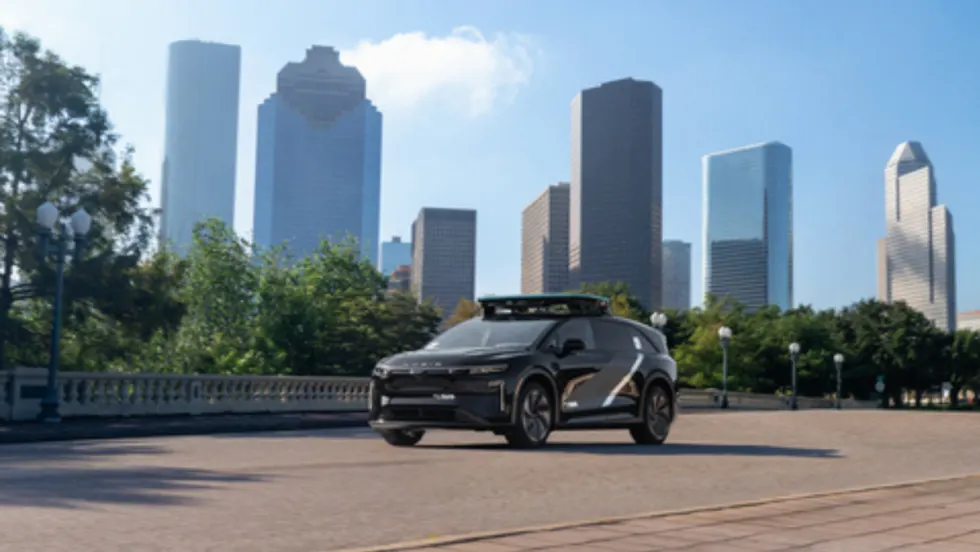
Uber, Nuro and Lucid Plan Houston Robotaxi Service in 2027
The tripartite venture brings out the combined advantages of electric vehicles, mobility, and autonomy into ground transportation.
Read More →