


Related: Tritium Unveils Scalable Electric Vehicle Charging Platform
Transportation Leaders Launch Zero Emission Transportation Association
ZETA is the first industry coalition of its kind calling for an accelerated transition to EVs, which will create hundreds of thousands of new jobs, secure American global EV manufacturing leadership, dramatically improve public health and significantly reduce carbon pollution.
by Staff
November 19, 2020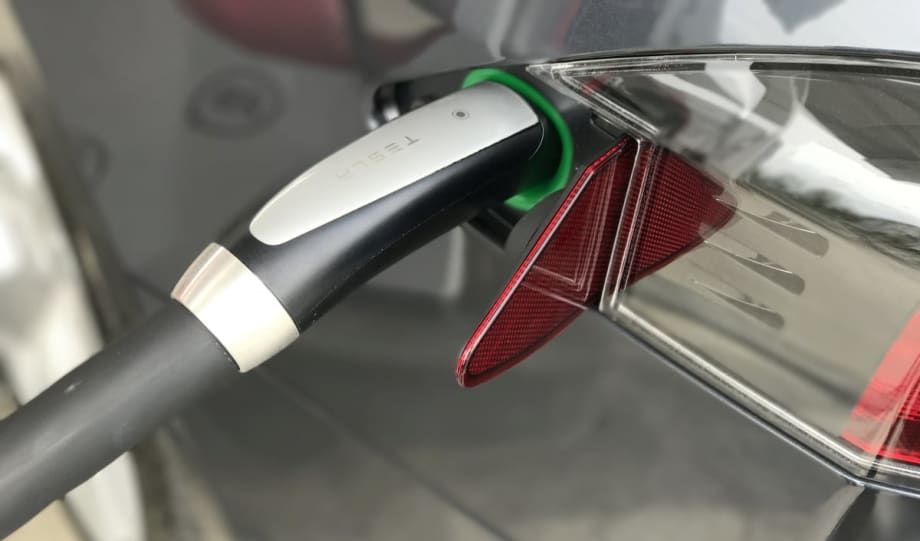
The ZETA Education Fund, an affiliated group focused on educating the public on the environmental and social benefits and opportunities associated with broad EV adoption, will launch concurrently.
Photo by Eric Gandarilla.
3 min to read
Yesterday, 28 businesses — which employ hundreds of thousands of workers across all 50 states — launched the Zero Emission Transportation Association (ZETA), a new organization advocating for national policies that will enable 100% electric vehicle (EV) sales throughout the light-, medium-, and heavy-duty sectors by 2030.
ZETA is the first industry coalition of its kind calling for an accelerated transition to EVs, which will create hundreds of thousands of new jobs, secure American global EV manufacturing leadership, dramatically improve public health and significantly reduce carbon pollution.
"For the first time in a generation, transportation is the leading emitter of U.S. carbon emissions. By embracing EVs, federal policymakers can help drive innovation, create hundreds of thousands of new jobs and improve air quality and public health," Joe Britton, executive director of ZETA, said in a statement. "ZETA's formation recognizes a pivotal moment for national leadership and reflects the will of the growing clean transportation sector."
"The next decade will be critical in implementing federal policies that accelerate the transition to zero emissions vehicles and help address these problems head-on. The clean vehicle sector already boasts hundreds of thousands of jobs but, if we encourage its growth, the United States can decisively win the global race to develop a new clean transportation economy and employ hundreds of thousands of Americans right here at home."
Specifically, ZETA is calling for five key policy pillars that can, in aggregate, put the United States on the pathway to full EV adoption by 2030:
Outcome-driven consumer EV incentives. Point-of-sale consumer incentives drive adoption, provide cost reductions and achieve real results in pushing transportation electrification. In addition, incentivizing early retirements while encouraging EV adoption will speed the transition and meet the urgency of the moment.
Emissions/performance standards enabling full electrification by 2030. Emission targets are a key piece of protecting public health and sending the correct market signals to support and accelerate the transition to zero emission transportation.
Infrastructure investments. Strong federal charging infrastructure investments will drive the electric transportation transition and ensure that the United States is leading the way in a clean recovery where everyone is better off.
Domestic manufacturing. We should not only accelerate U.S. transportation electrification, but also work to ensure that we secure domestic economic growth and leadership in EV manufacturing. Federal policies must encourage job creation and economic activity across the entire EV supply chain and lifecycle, from critical materials to vehicles.
Federal leadership and cooperation with sub-national entities. Federal support should invest in research and development, provide an aligned vision for electrification, and ensure local leaders are empowered with the expertise and resources to support full vehicle electrification.
The ZETA Education Fund, an affiliated group focused on educating the public on the environmental and social benefits and opportunities associated with broad EV adoption, will launch concurrently.
Topics:Zero-Emissions VehiclesBattery-Electric VehiclesLegal/LegislativeElectric VehiclesVehicle Research
Originally posted on Automotive Fleet
More Legal/Legislative

California Governor Approves Instant ZEV Rebates For First-Time Buyers
That instant rebate is the centerpiece of a broader $600 million package Governor Newsom signed into law, keeping California active in the global clean transportation race.
Read More →
Used EVs Set Wholesale Sales Record In Q1
Rising gas prices may have boosted demand last month, as dealers pursued potential opportunities with more affordable used EVs.
Read More →
OEMS Expose Overdue EV Truths
Recent announcements from two automakers underscore a significant shift in the electric vehicle market, driven by EV losses and changing strategies. [VIDEO}
Read More →
The Freedom Era For Electric Vehicles
Season 2 Episode 1 of The Off-Peak premieres as the electric vehicle market no longer benefits from federal tax credits that expired at the end of Q3 2024. What does this mean for the future appeal of EVs?
Read More →
New Research Shows Renewed Potential And Tolerance For EVs
A new EV consumer survey finds partisan resistance is easing, but concerns around cost, incentives, and charging access still shape buyer interest.
Read More →
2025 Generated Big Headlines In The EV World
The EV industry entered a new more nuanced phase defined by realities and practical outcomes after a few years of grand visions, media hype, and bold investments.
Read More →
John Boesel Recognized at 2025 Fleet Forward Conference
Bobit recognized John Boesel, CEO of Calstart, who is retiring after over three decades of service.
Read More →
Final Push for Federal EV Incentives Highlighted at Fleet Forward Tour NJ Stop
Fleet managers in the Northeast will have a timely opportunity to take action on electric vehicle purchases at the upcoming Fleet Forward Tour stop in Somerset, NJ, on Sept. 9.
Read More →
Latest Hard Realities, Top Pressures For Electric Fleets
Speakers and experts at Fleet Forward: The Tour shared hands-on, hard-won insights on how fleet operations are handling tariffs, EV charging, rules and regs, and safety issues.
Read More →
Mobility 360 Panel to Define the Fleet Industry’s Next Tipping Point
At the 2025 Fleet Forward Conference, experts in capital, policy, and data will assess which trends are transforming fleet.
Read More →