



See Also: Crossing the Threshold—Electric Crossovers & SUVs: 2022 & Beyond
Toyota Launches bZ4X SUV Battery-Electric Vehicle
Arriving this spring, the 2023 Toyota bZ4X brings an EPA-estimated range rating of up to 252 miles per charge, and an average estimated fuel cost savings over five years of up to $5,000.
April 18, 2022
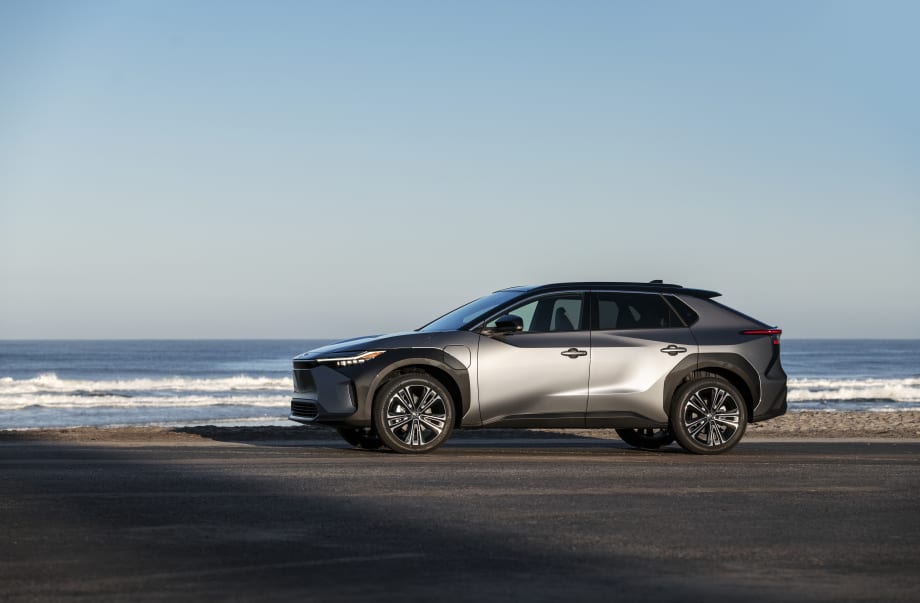
Over the next nine years, Toyota will invest $70+ billion in electrified vehicles as a whole with the target to launch 3.5 million BEVs globally in 2030.
Photo: Toyota
3 min to read
Toyota announced in a statement the launch of the all-electric bZ4X SUV. The Battery Electric Vehicle (BEV), will be coming to dealerships this spring. With an EPA-estimated range rating of up to 252 miles (for XLE front-wheel drive models, based on EPA’s testing procedure standards), the 2023 Toyota bZ4X will have a starting MSRP of $42,000. According to the statement, the average estimated fuel cost savings over five years for the 2023 bZ4X XLE FWD compared to the average new vehicle is up to $5,000.
The bZ4X is the first Toyota vehicle to be launched under the global bZ series, with more bZ vehicles on the horizon. “bZ,” which stands for “Beyond Zero,” joins a lineup of Toyota electrified vehicles that accounted for about a quarter of Toyota’s total sales volume in the U.S. last year. These include hydrogen fuel cell electrics, hybrids, plug-in hybrids, and now battery electric vehicles.
Offered in two grades, XLE and Limited, in both front wheel drive (FWD) and all-wheel drive (AWD), the bZ4X sits squarely in the middle of the compact SUV segment. The vehicle produces a horsepower rating of 201 for FWD and a horsepower rating of 214 for AWD.
The XLE FWD model has an EPA-estimated range rating of up to 252 miles. The XLE AWD model has an EPA-estimated range of up to 228 miles. The EPA-estimated fuel economy rating for XLE FWD is 131 MPGe city, 107 MPGe highway and 119 MPGe combined. The EPA-estimated fuel economy rating for XLE AWD is 114 MPGe city, 94 MPGe highway and 104 MPGe combined.
When it comes to powering up, bZ4X options include 120V and 240V chargers as well as DC fast-chargers. All bZ4X models are equipped with a J1772/CCS1 (Combined Charging System (CCS)) socket, which allows for both home and public charging. The 6.6 kW onboard charger allows the bZ4X to charge from low to full in about 9 hours with a Level 2 charger either at home or at a public charger (at optimal outside temperatures).
New bZ4X owners can include a ChargePoint home charging system into the cost of their new vehicle purchase or lease, as they will have the option to purchase a ChargePoint Home Flex Level 2 charger. The home charger can charge up to 25 miles of range per hour and fully charge the battery when plugged in overnight.
In terms of battery safety, Toyota added measures to help protect cell integrity. This includes:
A production process that helps reduce contamination of battery components to help bolster battery durability.
Redundant monitoring of battery voltage, current and temperature, designed to detect signs of abnormal heating to maintain optimal battery temperature and help prevent cell damage.
Utilization of a high-resistance coolant circulation system designed to help prevent fire from short circuits even in high battery load conditions, due to repeatedly switching between high-speed driving and rapid charging.
Integration of the high-capacity battery pack within the floor of the body frame structure designed with protection in mind in the event of a collision.
Pricing
Originally posted on Automotive Fleet
More Electric Vehicles
EV Charging Use Is Outpacing Infrastructure Growth
ChargePoint’s 2026 Charging Forward Report points to rising charger use, higher-powered charging, commercial vehicle electrification, and energy-management technology. Here’s what fleets should know.
Read More →
EV Realty Names Henrik Holland President as Charging Platform Expands
The former Prologis Mobility and Shell executive will help expand EV Realty’s truck charging business and move its power-first infrastructure model into autonomous vehicle depots and other fleet sectors.
Read More →
GreenPower Expands New Mexico EV Pilot With Larger Buses, V2G Testing
After logging more than 17,000 electric miles in the first year, New Mexico’s statewide pilot is moving into its second phase with larger vehicles, continued charging evaluations, and more.
Read More →
Can EV-as-a-Service Help Fleets Scale Electrification?
Sustainability Partners CEO Adam Cain explains how matching EVs, charging infrastructure, and duty cycles can help fleets scale electrification.
Read More →
How EV-as-a-Service Is Moving Fleets Beyond Pilots
Adam Cain, president and CEO of Sustainability Partners, explains how EV-as-a-service can help fleets scale deployments by addressing duty-cycle requirements and charging challenges.
Read More →
PowerFlex, The Mobility House Join Forces to Advance Fleet Electrification
Two EV charging providers are joining forces to deliver a broader portfolio of energy management and fleet electrification solutions.
Read More →
Ford Retools Louisville Plant for Fathom Electric Truck Production
Ford's $2 billion Louisville Assembly Plant overhaul introduces a three-part assembly process for the Fathom midsize electric truck, with production scheduled to begin in 2027.
Read More →
Merchants Fleet Reports 290M EV Miles as Fleets Navigate Changing Electrification Market
From millions in operating savings to hundreds of millions of EV miles, Merchants Fleet’s latest report reveals what’s working and what’s changing in fleet electrification.
Read More →
California District Commits to Electrify 25% of School Bus Fleet by 2028
One of the nation's largest school bus electrification projects to date demonstrates how grants, charging infrastructure, and public-private partnerships can help fleets transition to EVs at scale.
Read More →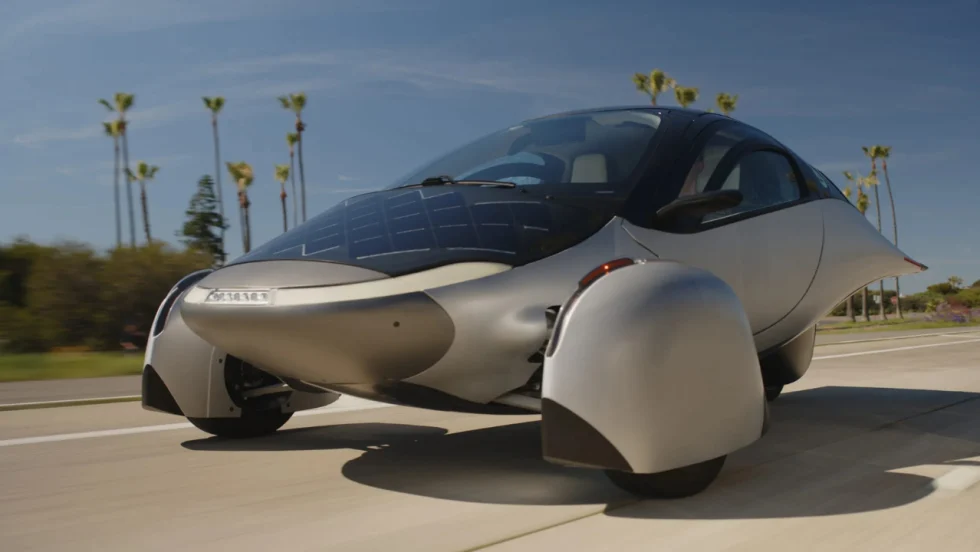
Aptera Orders Bodies and Chassis for Its First 40 Production Vehicles
Aptera Motors Corp. has issued purchase orders for the major structural components of its first 40 vehicles, and body and chassis components are expected to begin arriving in October.
Read More →