


Southern California Edison to Fully Electrify Fleet by 2030
Southern California Edison (SCE) will convert its fleet of passenger cars and small-to-midsize SUVs to be electric powered by 2030.


Southern California Edison (SCE) will convert its fleet of passenger cars and small-to-midsize SUVs to be electric powered by 2030.
Photo: Southern California Edison
Southern California Edison (SCE) will convert its fleet of passenger cars and small-to-midsize SUVs to be electric powered by 2030, the electric utility announced.
Additionally, it will also convert 30% of medium-duty vehicles and pickup trucks, 8% of heavy-duty trucks and 60% of forklifts from fossil fuel to electric power, according to SCE. The utility estimates that in pursuing its 2030 fleet electrification goals, it will save more than 620,000 gallons of fuel annually and eliminate close to 6,000 metric tons of greenhouse gas emissions a year.
Edison International laid out the 2030 goals for electrification of SCE’s fleet of more than 6,200 vehicles, including trailers and off-road equipment. To meet the demands of its growing electric fleet, SCE has installed more than 370 charge ports at its facilities as of 2019. The electric company expects to need about 1,300 additional charge ports to achieve its 2030 fleet electrification goals.
“Our goals for company fleet electrification will put us on the path to achieving or exceeding the percentages within SCE’s fleet that we’ve proposed for the entire state,” said Drew Murphy, senior vice president of Strategy and Corporate Development for Edison International, SCE’s parent company.
The company encourages employees to adopt electric vehicles by offering 190 workplace charge ports at 36 of its facilities and plans to install about 150 additional employee charge ports this year. SCE employees and customers also have access to discounts on certain EV models.
SCE’s ongoing initiatives to help its customers adopt EVs include:
The installation of more than 1,800 EV chargers at more than 100 sites in its service area, including workplaces, destination centers, fleet yards and public parking. SCE is planning to expand the program to allow installation of about 50,000 more EV chargers in its service area.
The construction on the first of as many as 870 commercial sites that will help commercial customers electrify their medium- and heavy-duty fleets, including transit and school buses, delivery trucks and tractor-trailers.
Collaborating with other utilities in California, Oregon and Washington to develop a conceptual plan to build infrastructure on I-5 and connecting highways to charge electric delivery trucks and big rigs.
Originally posted on Automotive Fleet
More Electric Vehicles

GreenPower Plans 50 Electric Shuttle Buses for Mexico
GreenPower plans to build 50 electric shuttle buses for Mexico using its EV Star Cab & Chassis platform, partnering with local body builders to expand its market reach.
Read More →
Who You Gonna Call? Rivian Turns Electric Vehicles Into Ghostbusters Rides
Rivian teams up with Sony Pictures for a Ghostbusters-inspired Halloween software update, complete with custom sounds, lighting effects, and a special Ecto-R1.
Read More →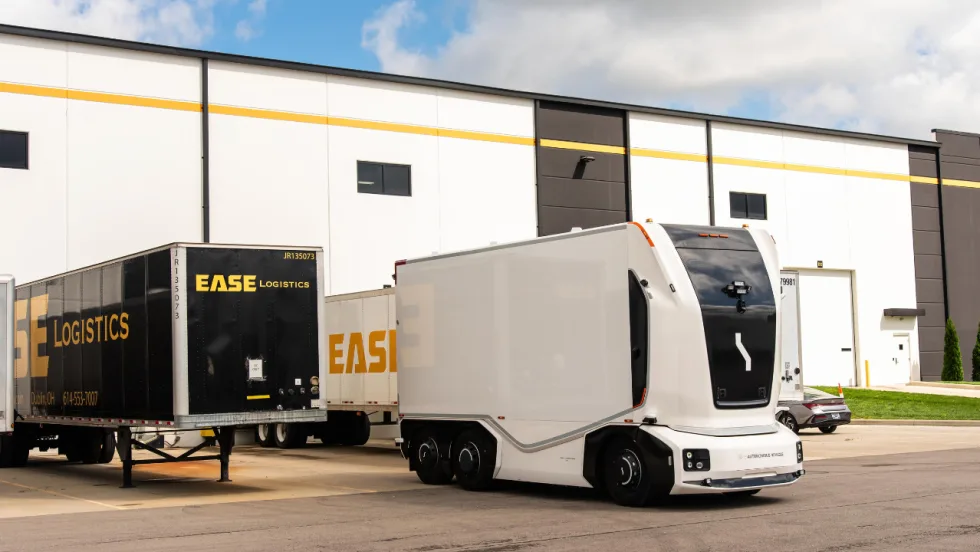
Einride Electric Driverless Trucks Begin Daily Freight Operations in Ohio
Two cabless electric trucks are now moving freight between EASE Logistics facilities, putting autonomous EV technology into daily commercial operations.
Read More →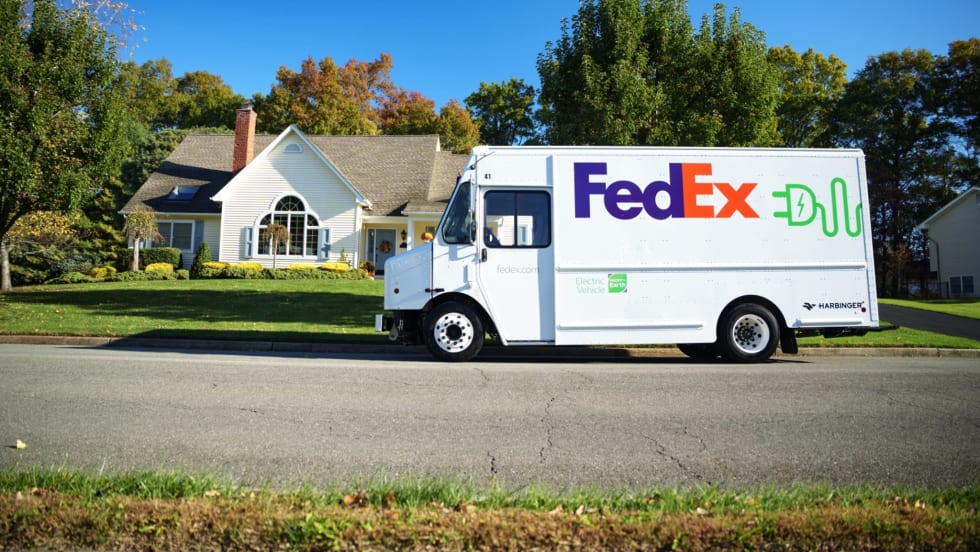
FedEx Orders 2,000 Harbinger Electric Trucks in $300 Million Deal
The Class 5 and 6 electric trucks are planned for delivery by the end of 2027 and will be deployed in FedEx pickup and delivery operations across the U.S. and Canada.
Read More →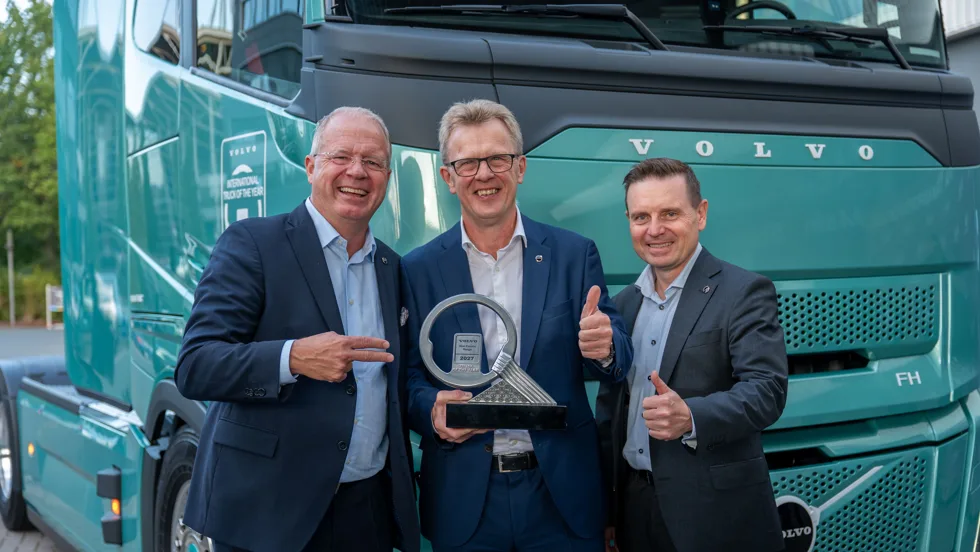
Volvo Trucks’ Electric Range Named International Truck of the Year 2027
The award recognizes Volvo’s global heavy-duty electric lineup, while more than 750 VNR Electric trucks have accumulated nearly 37 million miles in U.S. and Canadian fleet operations.
Read More →
How Republic Services Decides Where Its Next Electric Trucks Can Go
With 250 electric collection trucks now in service, Republic Services is learning that scaling electrification depends less on proving the vehicle and more on whether each site can support what comes next.
Read More →
EV Charging Use Is Outpacing Infrastructure Growth
ChargePoint’s 2026 Charging Forward Report points to rising charger use, higher-powered charging, commercial vehicle electrification, and energy-management technology. Here’s what fleets should know.
Read More →
EV Realty Names Henrik Holland President as Charging Platform Expands
The former Prologis Mobility and Shell executive will help expand EV Realty’s truck charging business and move its power-first infrastructure model into autonomous vehicle depots and other fleet sectors.
Read More →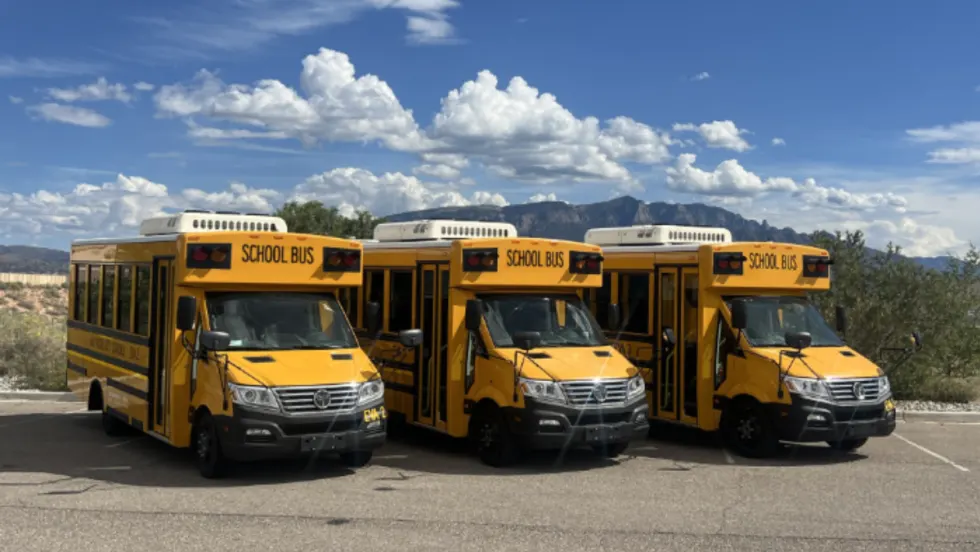
GreenPower Expands New Mexico EV Pilot With Larger Buses, V2G Testing
After logging more than 17,000 electric miles in the first year, New Mexico’s statewide pilot is moving into its second phase with larger vehicles, continued charging evaluations, and more.
Read More →
Can EV-as-a-Service Help Fleets Scale Electrification?
Sustainability Partners CEO Adam Cain explains how matching EVs, charging infrastructure, and duty cycles can help fleets scale electrification.
Read More →