



Download the Cox Automotive Mobility white paper now!
Red Flags Emerge on the Way to Electric Vehicle Adoption
A Cox Automotive Mobility white paper delves into "a perfect storm of bottlenecks" for vehicle electrification as supply chain and economic pressures mount.
October 5, 2022
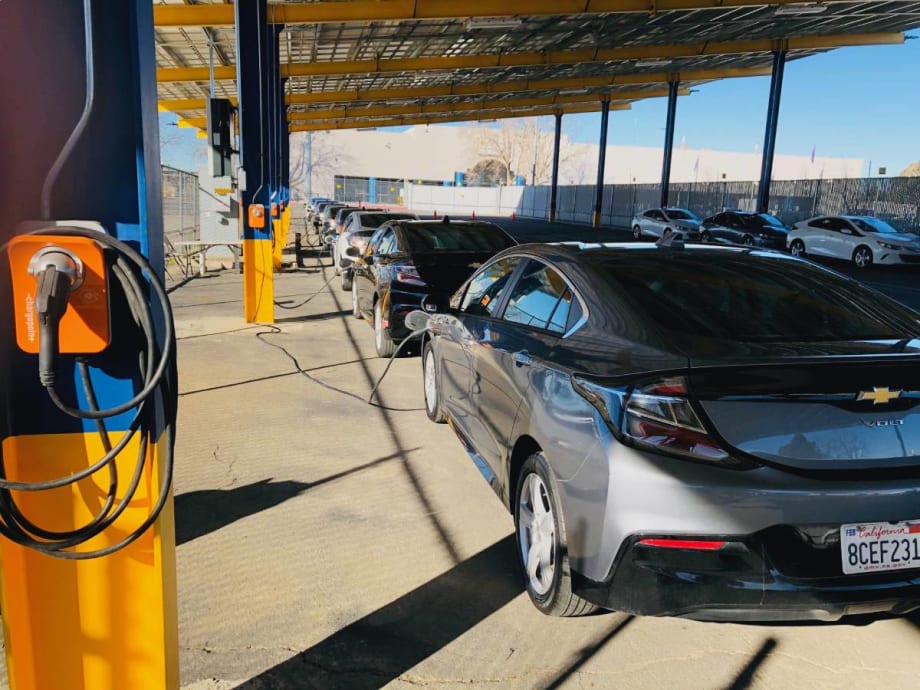
The U.S. lacks enough domestically supplied materials to keep up with consumer demand, so innovations in battery chemistry, materials substitution and recycling will be key to the transition to EVs, according to a recent Cox Automotive Mobility white paper.
Photo: Manheim
3 min to read
While vehicle electrification makes progress, the lingering effects of the pandemic, the soaring cost of raw materials and geopolitical challenges have contributed to supply chain disruptions that have slowed widespread electric vehicles (EV) growth in the U.S.
This perfect storm of bottlenecks outlined in Cox Automotive Mobility’s latest EV white paper titled – “Supply Chain Challenges Impacting Electric Vehicle Adoption” – is driving automakers to reshape their EV businesses and exert greater control over EV battery composition, manufacturing and recycling to secure the resources needed for widespread electrification.
EVs Now Face Supply Challenges and Transitions
Cox Automotive Mobility’s detailed EV white paper offers the company’s perspective on the following core themes:
State of EV Adoption: Americans are buying EVs at a record pace despite rising prices and long waits for delivery. The fleet industry is also taking note with fleet operators highly motivated to replace their gas-powered fleets with EVs to achieve sustainability goals, drive efficiency and reduce total cost of ownership.
Price Parity in Driving Adoption: The electric segment has been hit by the tide of inflation affecting the overall auto industry since the spring of 2021. Tax incentives available as part of the Inflation Reduction Act of 2022 will be critical to consumer adoption, helping offset the cost of pricey EVs.
Supply Chain Constraints Threaten EV Growth: Global computer chip and material shortages are limiting production, raising the price of new and used vehicles, and contributing to long waits to buy new EV models.
Building a Robust EV Supply Chain in the U.S.: The U.S. has a vulnerable EV supply chain heavily reliant on imports for semiconductor chips, raw materials and EV batteries. The country is in a sprint to produce its own EV components to increase economic competitiveness and energy independence.
Role of Technology: The U.S. doesn’t have enough domestically supplied materials to keep up with consumer demand, so innovations in battery chemistry, materials substitution and recycling will be key to the transition to EVs.
“This convergence of factors shines an even brighter light on the importance of end-to-end EV battery lifecycle management,” said Lea Malloy, assistant vice president of EV battery solutions for Cox Automotive Mobility, in a news release. “Coupled with government policy support, EV battery first life extension is paving the way for meaningful progress in protecting the planet while accelerating the uptake of EVs in a challenging environment.”
Taking Charge of the Battery Life to Sustain More EV Usage
Cox Automotive Mobility and Spiers New Technologies are extending the EV battery life cycle through a closed loop system that reduces the environmental impact of metals mining and supports the extension of EV battery first lives and end-of-life reuse and recovery treatments.
Information:Watch video on EV battery options
More Electric Vehicles
EV Charging Use Is Outpacing Infrastructure Growth
ChargePoint’s 2026 Charging Forward Report points to rising charger use, higher-powered charging, commercial vehicle electrification, and energy-management technology. Here’s what fleets should know.
Read More →
EV Realty Names Henrik Holland President as Charging Platform Expands
The former Prologis Mobility and Shell executive will help expand EV Realty’s truck charging business and move its power-first infrastructure model into autonomous vehicle depots and other fleet sectors.
Read More →
GreenPower Expands New Mexico EV Pilot With Larger Buses, V2G Testing
After logging more than 17,000 electric miles in the first year, New Mexico’s statewide pilot is moving into its second phase with larger vehicles, continued charging evaluations, and more.
Read More →
Can EV-as-a-Service Help Fleets Scale Electrification?
Sustainability Partners CEO Adam Cain explains how matching EVs, charging infrastructure, and duty cycles can help fleets scale electrification.
Read More →
How EV-as-a-Service Is Moving Fleets Beyond Pilots
Adam Cain, president and CEO of Sustainability Partners, explains how EV-as-a-service can help fleets scale deployments by addressing duty-cycle requirements and charging challenges.
Read More →
PowerFlex, The Mobility House Join Forces to Advance Fleet Electrification
Two EV charging providers are joining forces to deliver a broader portfolio of energy management and fleet electrification solutions.
Read More →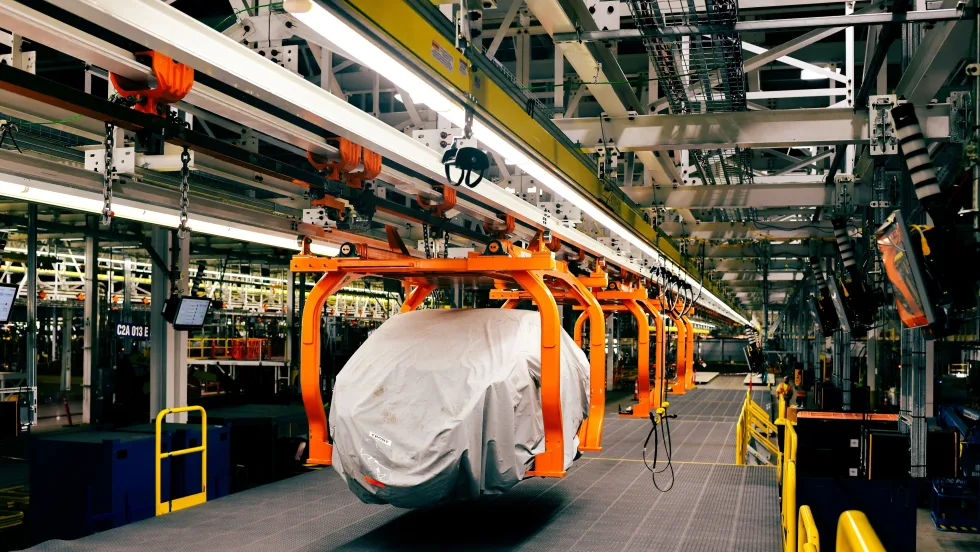
Ford Retools Louisville Plant for Fathom Electric Truck Production
Ford's $2 billion Louisville Assembly Plant overhaul introduces a three-part assembly process for the Fathom midsize electric truck, with production scheduled to begin in 2027.
Read More →
Merchants Fleet Reports 290M EV Miles as Fleets Navigate Changing Electrification Market
From millions in operating savings to hundreds of millions of EV miles, Merchants Fleet’s latest report reveals what’s working and what’s changing in fleet electrification.
Read More →
California District Commits to Electrify 25% of School Bus Fleet by 2028
One of the nation's largest school bus electrification projects to date demonstrates how grants, charging infrastructure, and public-private partnerships can help fleets transition to EVs at scale.
Read More →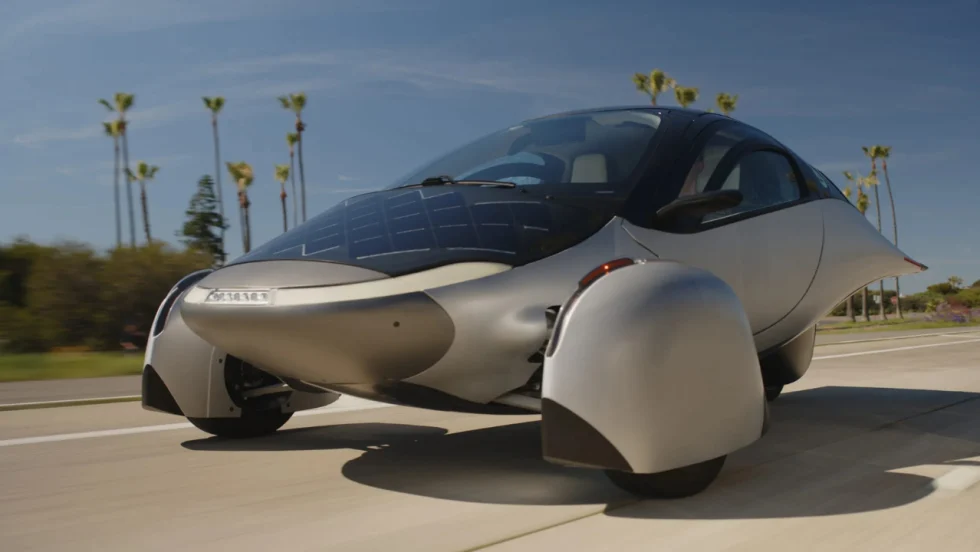
Aptera Orders Bodies and Chassis for Its First 40 Production Vehicles
Aptera Motors Corp. has issued purchase orders for the major structural components of its first 40 vehicles, and body and chassis components are expected to begin arriving in October.
Read More →