



Related: Tasmania OK's Peer-to-Peer Company to Solve Rental Car Shortage
Popcar, MOQO Expand Carsharing in Australia
For both carsharing operators and users, the MOQO platform can digitally map all processes necessary for sharing.
February 17, 2021
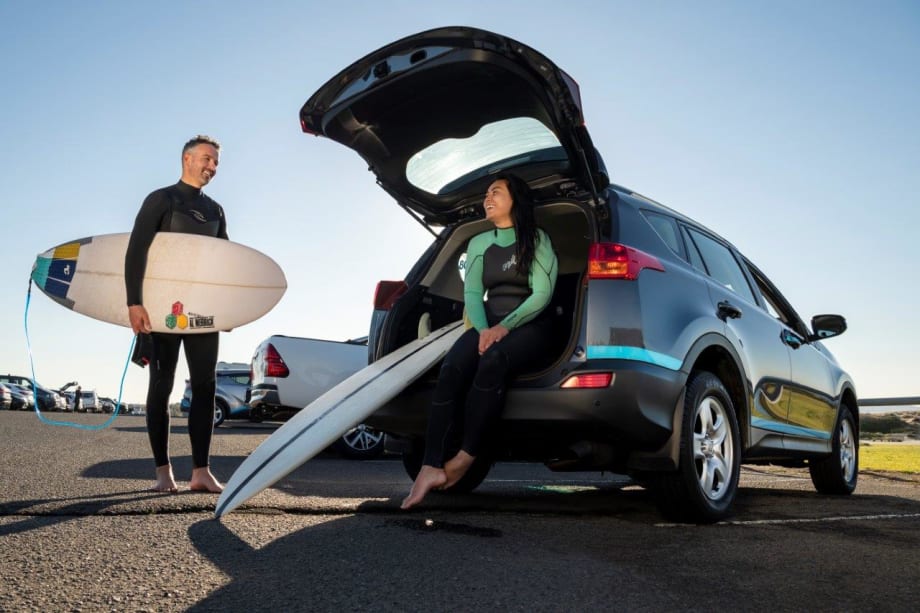
Popcar is banking on the fact that interest is also growing in Australia to do more for environmental and climate change as well as to maintain a healthier lifestyle by foregoing the car more often and getting around on foot or by bicycle.
Photo via Popcar.
3 min to read
Australia's big cities are increasingly relying on carsharing — and the number of users is rising nationwide, according to shared mobility provider MOQO.
Popcar, one of the Australian providers on the continent's shared mobility market since 2016, is increasing its focus on user comfort and service by partnering with MOQO. Developed by the company Digital Mobility Solutions GmbH in Aachen, Germany, MOQO is being used by growing numbers of shared mobility providers worldwide.
"Australians are traditionally attached to the idea of private car ownership and the independence and privacy that comes with it," Anthony Welsh, director of Popcar, said in a statement. "For us, two factors were decisive: With the MOQO app, we can offer people in Australia the leading solution for shared mobility. The second reason is the team behind the technology. We have tremendous confidence that they will continue to push their solution to stay at the forefront, for the mutual benefit and the convenience of our members."
For both carsharing operators and users, the MOQO platform can digitally map all processes necessary for sharing. On the operator’s side, this includes all rental and billing processes, driver's licence validations, services such as cleaning and recording damage or vehicle conditions, and staff deployment or accounting procedures.
After downloading the app and registering, users benefit from convenient handling and high transparency. They can see at any time where certain vehicles are available for them. They can book spontaneously or reserve in advance. They always have an overview of all services used and their costs.
Today, carsharing in the world's sixth largest country by area (7.692 million square kilometres) with a population of only about 24.6 million takes place mainly in the capital cities. However, there is a growing appetite for the service in regional centres across the country.
"An important motivation for us was to create more competition in the market. For a long time, there was little choice in providers for those who wanted to use car sharing," Welsh said. "Now that there is competition, people in Australia have better access to all the benefits of car sharing and customers gain from better services."
Another important motivation for Popcar was and is making a positive sustainability impact. To offset the carbon emissions of their journeys, Popcar users can pay an offset amount. This money is then used, for example, to plant the Yarra Yarra Biodiversity Corridor.
Popcar is currently operating in Sydney within the City of Sydney, Sutherland Shire, North Sydney, Mosman, Manly and Parramatta regions; in Melbourne with Port Phillip, City of Melbourne, Darebin and Boroondara regions; in Canberra with the Canberra City, Turner, Dickson and Braddon regions; and in Byron Bay and Mullumbimby.
In 2020, Popcar had 180 vehicles, and has plans to increase that number to 300 in 2021 and 500 shortly after. As soon as there is a better charging point infrastructure in Australia, electric vehicles will also be purchased. Currently, there are already some hybrid vehicles. Popcar often works with city councils to support them in sustainable mobility policies. The support of municipalities is also important to solve the problem of scarce parking spaces.
Popcar is banking on the fact that interest is also growing in Australia to do more for environmental and climate change as well as to maintain a healthier lifestyle by foregoing the car more often and getting around on foot or by bicycle. "With carsharing, you use the car when you really need it," Welsh added. "That means fewer cars on the roads, less congestion, less carbon emissions. It's a good thing for everyone."
Originally posted on Auto Rental News
More Legal/Legislative
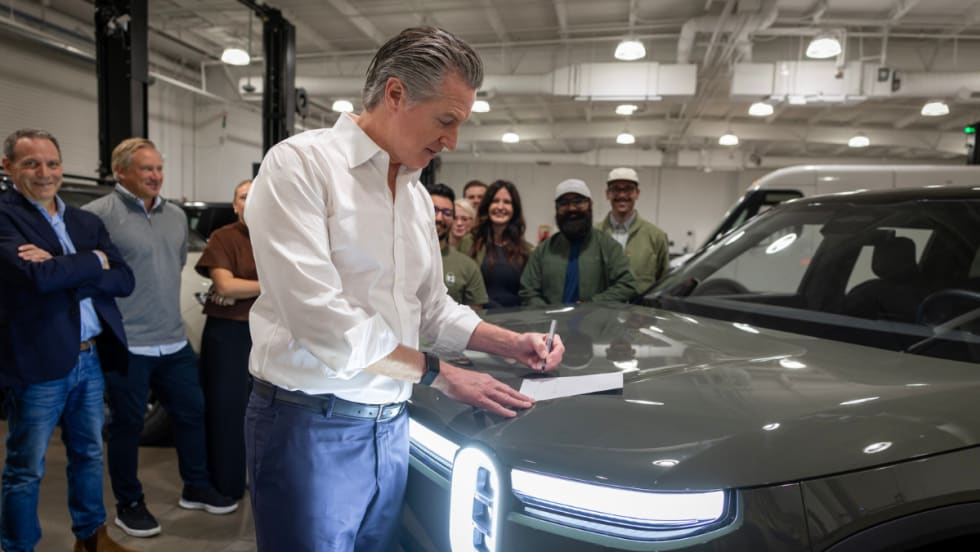
California Governor Approves Instant ZEV Rebates For First-Time Buyers
That instant rebate is the centerpiece of a broader $600 million package Governor Newsom signed into law, keeping California active in the global clean transportation race.
Read More →
Used EVs Set Wholesale Sales Record In Q1
Rising gas prices may have boosted demand last month, as dealers pursued potential opportunities with more affordable used EVs.
Read More →
OEMS Expose Overdue EV Truths
Recent announcements from two automakers underscore a significant shift in the electric vehicle market, driven by EV losses and changing strategies. [VIDEO}
Read More →
The Freedom Era For Electric Vehicles
Season 2 Episode 1 of The Off-Peak premieres as the electric vehicle market no longer benefits from federal tax credits that expired at the end of Q3 2024. What does this mean for the future appeal of EVs?
Read More →
New Research Shows Renewed Potential And Tolerance For EVs
A new EV consumer survey finds partisan resistance is easing, but concerns around cost, incentives, and charging access still shape buyer interest.
Read More →
2025 Generated Big Headlines In The EV World
The EV industry entered a new more nuanced phase defined by realities and practical outcomes after a few years of grand visions, media hype, and bold investments.
Read More →
John Boesel Recognized at 2025 Fleet Forward Conference
Bobit recognized John Boesel, CEO of Calstart, who is retiring after over three decades of service.
Read More →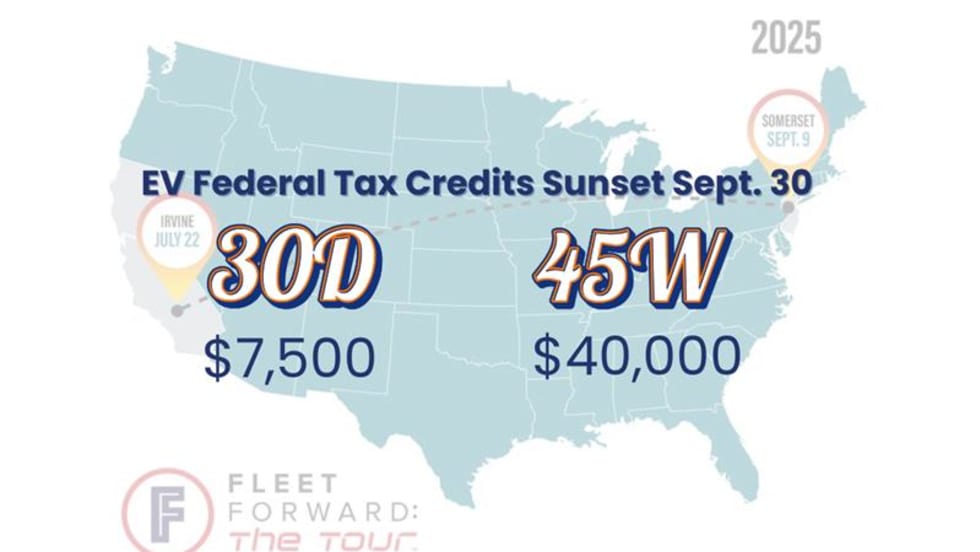
Final Push for Federal EV Incentives Highlighted at Fleet Forward Tour NJ Stop
Fleet managers in the Northeast will have a timely opportunity to take action on electric vehicle purchases at the upcoming Fleet Forward Tour stop in Somerset, NJ, on Sept. 9.
Read More →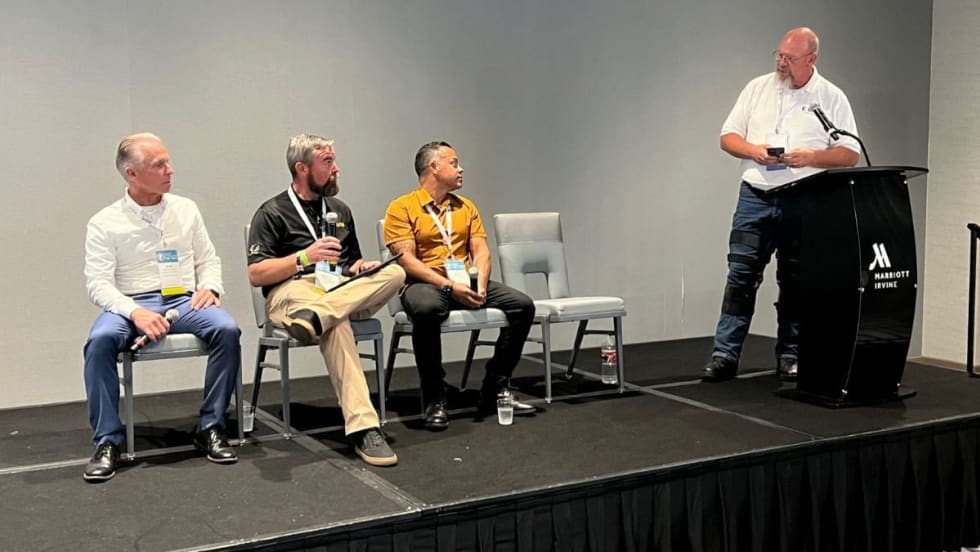
Latest Hard Realities, Top Pressures For Electric Fleets
Speakers and experts at Fleet Forward: The Tour shared hands-on, hard-won insights on how fleet operations are handling tariffs, EV charging, rules and regs, and safety issues.
Read More →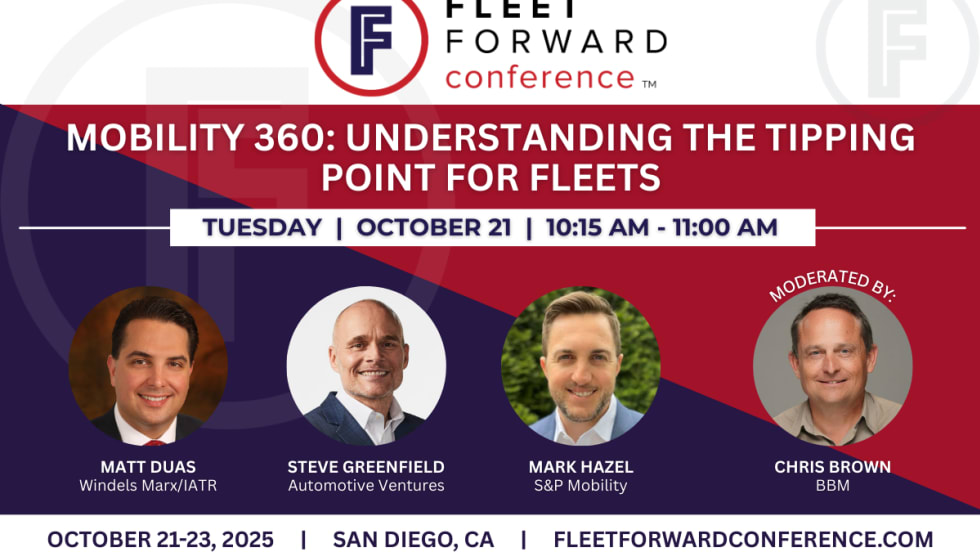
Mobility 360 Panel to Define the Fleet Industry’s Next Tipping Point
At the 2025 Fleet Forward Conference, experts in capital, policy, and data will assess which trends are transforming fleet.
Read More →