


Mercedes-Benz to Go All-Electric by 2025
In a shift to electric-only from 2025 onward, Mercedes-Benz is accelerating toward an emissions-free and software-driven future.

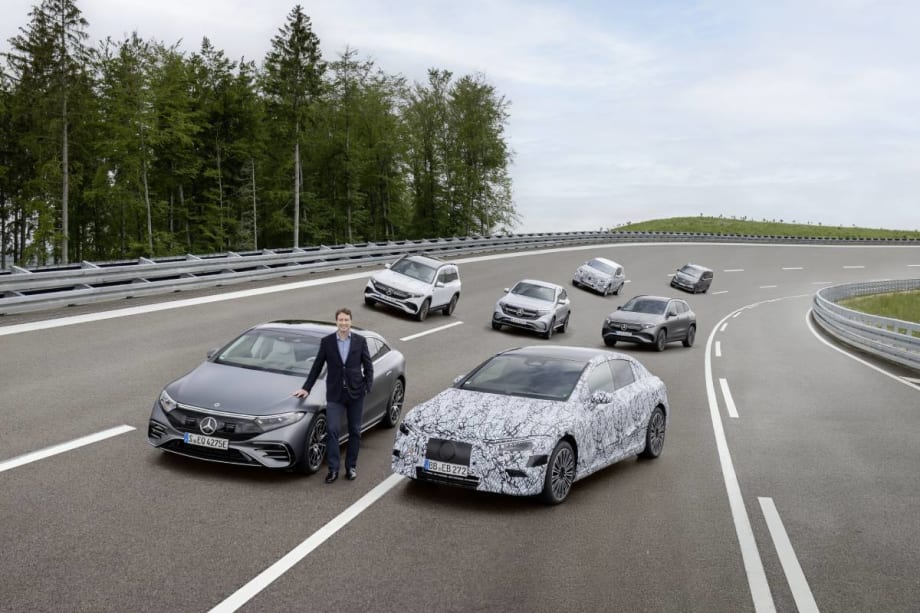
The automaker will launch three electric-only architectures in 2025, and will be all electric by the end of the decade.
Photo: Mercedes-Benz
Mercedes-Benz announced plans on July 22 to shift to all-electric by the end of the decade. The move marks a change from an electric-first to electric-only strategy in an effort toward an emissions-free and software-driven future, the automaker said. The news did come with one important caveat: Mercedes stated that the strategy is dependent on "where market conditions will allow," but did not elaborate further.
By 2022, Mercedes-Benz will have battery-electric vehicles (BEV) in all segments. From 2025 on, all new vehicle architectures will be electric-only, and customers can choose an all-electric alternative for every model.
To facilitate the change, Mercedes-Benz unveiled a comprehensive plan, which includes accelerated R&D. Investments into battery-electric vehicles between 2022 and 2030 will total over €40 billion. The company hopes the plan will bring forward the tipping point for EV adoption.
In 2025, Mercedes-Benz will launch three electric-only architectures:
MB.EA will cover all medium to large passenger cars, establishing a scalable modular system as the electric backbone for the future EV portfolio.
AMG.EA will be a dedicated performance electric vehicle platform addressing technology and performance-oriented Mercedes-AMG customers.
VAN.EA focuses on purpose-made electric vans and light commercial vehicles, contributing to emission-free transportation and cities in the future.
Putting planning, development, purchasing, and production under one roof, Mercedes-Benz will also deepen vertical integration in manufacturing and development, and insource electric drive technology. This step includes the acquisition of U.K.-based electric motor company YASA. China is also expected to play a key role in accelerating the OEM's electrification strategy.
Mercedes-Benz will partner with new European partners to develop and produce future cells and modules. The company aims to increase range during the production lifecycle of a model. Partners like SilaNano will further increase energy density by using silicon-carbon composite in the anode.
Mercedes-Benz is also working on setting new standards in charging. "Plug & Charge" will allow customers to plug-in, charge, and unplug without extra steps needed for authentication and payment processing. Plug & Charge will go live with the market launch of the EQS later this year. Furthermore, Mercedes-Benz is working with Shell on expanding the charging network, allowing customers enhanced access to Shell's Recharge network with over 30,000 charge points by 2025 in Europe, China, and North America.
Mercedes-Benz is developing Vision EQXX, an electric car with a real-world range of more than 1,000 kilometers (621 miles), targeting a single-digit figure for Kwh per 100 kilometers (over 6 miles per Kwh) at normal highway driving speeds. The world premiere is expected for 2022.
Mercedes-Benz is preparing its global production network for electric-only output with the pace of the ramp-up designed to follow market demand, they said in a news release. As soon as next year, eight Mercedes-Benz EVs will be produced at seven locations on three continents. And, all passenger car and battery assembly sites run by Mercedes-Benz AG will switch to carbon neutral production by 2022.
The company is joining forces with GROB to strengthen its battery production capacity and knowledge. They also plan to install a new battery recycling factory in Kuppenheim, Germany, to develop and secure recycling capacity. Operations will start in 2023, dependent on discussions with public authorities.
The announcement also said that the strategy will bring about 3,000 new software engineering jobs worldwide.
Originally posted on Automotive Fleet
More Electric Vehicles
EV Charging Use Is Outpacing Infrastructure Growth
ChargePoint’s 2026 Charging Forward Report points to rising charger use, higher-powered charging, commercial vehicle electrification, and energy-management technology. Here’s what fleets should know.
Read More →
EV Realty Names Henrik Holland President as Charging Platform Expands
The former Prologis Mobility and Shell executive will help expand EV Realty’s truck charging business and move its power-first infrastructure model into autonomous vehicle depots and other fleet sectors.
Read More →
GreenPower Expands New Mexico EV Pilot With Larger Buses, V2G Testing
After logging more than 17,000 electric miles in the first year, New Mexico’s statewide pilot is moving into its second phase with larger vehicles, continued charging evaluations, and more.
Read More →
Can EV-as-a-Service Help Fleets Scale Electrification?
Sustainability Partners CEO Adam Cain explains how matching EVs, charging infrastructure, and duty cycles can help fleets scale electrification.
Read More →
How EV-as-a-Service Is Moving Fleets Beyond Pilots
Adam Cain, president and CEO of Sustainability Partners, explains how EV-as-a-service can help fleets scale deployments by addressing duty-cycle requirements and charging challenges.
Read More →
PowerFlex, The Mobility House Join Forces to Advance Fleet Electrification
Two EV charging providers are joining forces to deliver a broader portfolio of energy management and fleet electrification solutions.
Read More →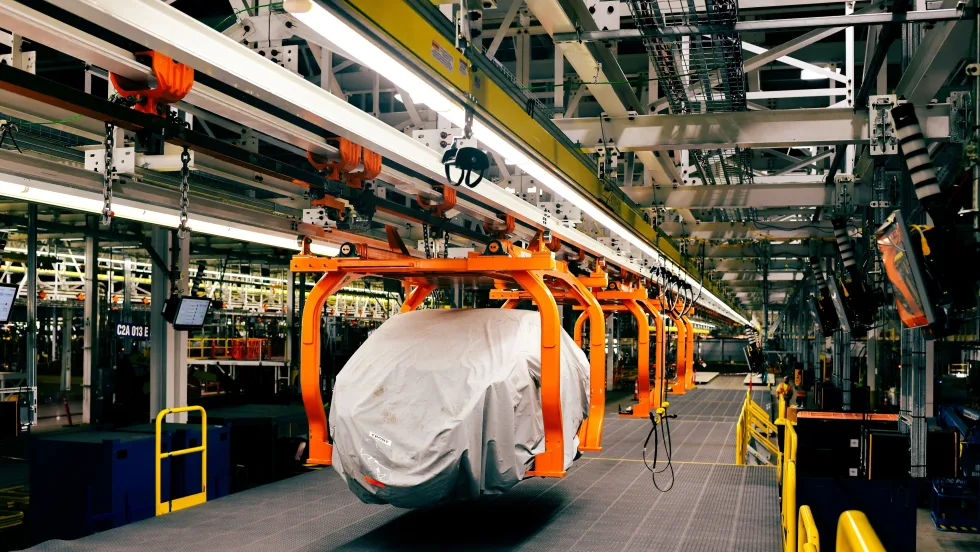
Ford Retools Louisville Plant for Fathom Electric Truck Production
Ford's $2 billion Louisville Assembly Plant overhaul introduces a three-part assembly process for the Fathom midsize electric truck, with production scheduled to begin in 2027.
Read More →
Merchants Fleet Reports 290M EV Miles as Fleets Navigate Changing Electrification Market
From millions in operating savings to hundreds of millions of EV miles, Merchants Fleet’s latest report reveals what’s working and what’s changing in fleet electrification.
Read More →
California District Commits to Electrify 25% of School Bus Fleet by 2028
One of the nation's largest school bus electrification projects to date demonstrates how grants, charging infrastructure, and public-private partnerships can help fleets transition to EVs at scale.
Read More →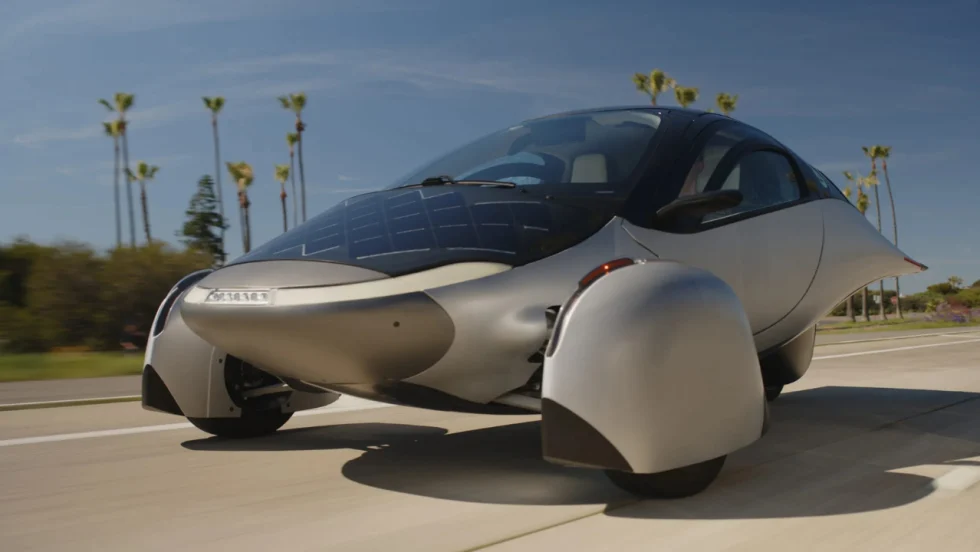
Aptera Orders Bodies and Chassis for Its First 40 Production Vehicles
Aptera Motors Corp. has issued purchase orders for the major structural components of its first 40 vehicles, and body and chassis components are expected to begin arriving in October.
Read More →