



Recent News:Hertz Adjusts EV Plans Amid Challenges
Hertz to Replace One-Third of EV Fleet with ICE Vehicles
In another high profile indicator of consumer EV skepticism, the auto rental giant will sell off the EVs to avoid further financial losses.
January 11, 2024
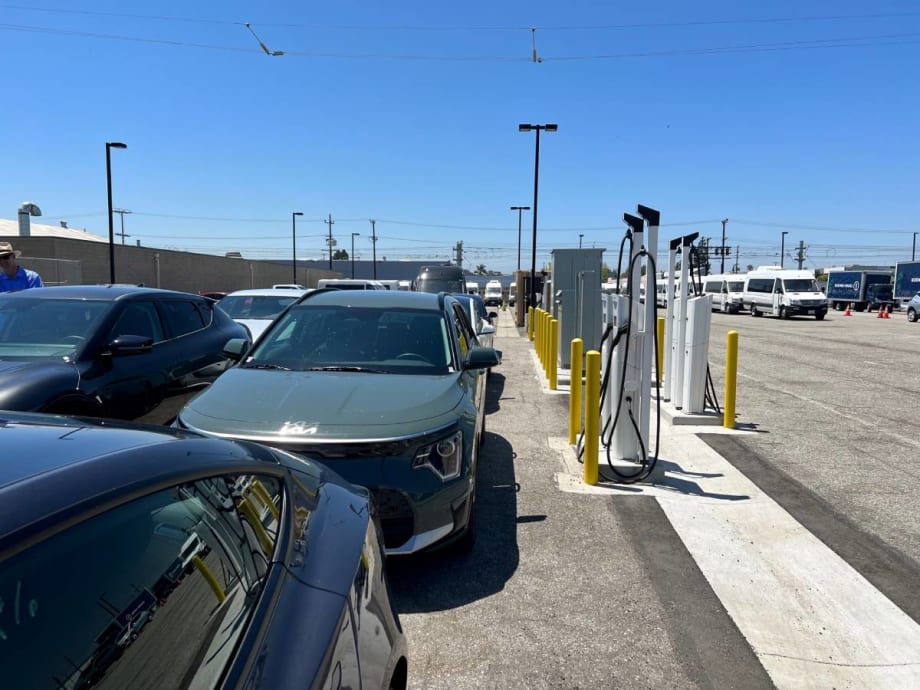
Hertz electric vehicles are lined up along charging stations at an EV charging depot near the Los Angeles International Airport on Aug. 7, 2023.
Photo: Martin Romjue / Bobit
2 min to read
As electric vehicles face more driver and consumer resistance, Hertz plans to shed 20,000 EVs from its U.S. fleet and reinvest the sales proceeds back into internal combustion engine (ICE) vehicles, according to a Jan. 11 Form 8-K regulatory filing with Securities and Exchange Commission.
The EVs, comprising a third of Hertz’s global EV fleet, will be sold off during 2024 and cover multiple makes and models. The new ICE vehicles will help meet customer demand, the company said.
Hertz's shift in strategy comes following a year of frequent media reports detailing the hassles and frustrations some rental car customers had with figuring out how to operate and charge rented EVs while on vacation or traveling for business. In some cases, customers at rental car counters were offered only EVs because all available ICE vehicles had been rented out.
In the filing, Hertz stated it expects its reduced EV fleet to better balance supply against expected demand, allowing the company to get rid of what it calls a high number of “lower margin rentals” while cutting the higher damage costs incurred by EVs.
Hertz will continue to pursue its overall strategy on electric vehicles by offering customers a wide choice of EV models while taking steps to improve the profitability of its remaining EV fleet, the filing states. Those steps include adding EV charging infrastructure, growing relationships with EV manufacturers to secure cheaper parts and labor, and create policies and more education to help orient customers to driving electric vehicles. Hertz will manage how it allocates its EV fleet across the key customer segments of leisure, corporate, government, and rideshare.
The reduction of the EV fleet will result during Q4 2023 of about $245 million of incremental net depreciation expense related to the sale, according to the filing.
This non-cash charge writes down the EVs’ carrying values as of Dec. 31, 2023 to their fair values, less related expenses associated with the sale of the vehicles. This charge is in addition to the depreciation expense Hertz will report for the fourth quarter in the ordinary course with respect to the remainder of its fleet.
“Future depreciation expense on the specific vehicles held for sale is expected to be limited to impacts from changes in the vehicles’ condition and general market factors,” according to the filing.
Hertz does not expect this EV fleet reduction and addition of ICE vehicles to affect its asset-backed securitization facilities, nor does it expect to contribute additional cash to such facilities because of its EV fleet reduction.
Hertz expects to report financial results for Q4 2023 on Feb. 6, 2024.
Originally posted on Auto Rental News
More Electric Vehicles
EV Charging Use Is Outpacing Infrastructure Growth
ChargePoint’s 2026 Charging Forward Report points to rising charger use, higher-powered charging, commercial vehicle electrification, and energy-management technology. Here’s what fleets should know.
Read More →
EV Realty Names Henrik Holland President as Charging Platform Expands
The former Prologis Mobility and Shell executive will help expand EV Realty’s truck charging business and move its power-first infrastructure model into autonomous vehicle depots and other fleet sectors.
Read More →
GreenPower Expands New Mexico EV Pilot With Larger Buses, V2G Testing
After logging more than 17,000 electric miles in the first year, New Mexico’s statewide pilot is moving into its second phase with larger vehicles, continued charging evaluations, and more.
Read More →
Can EV-as-a-Service Help Fleets Scale Electrification?
Sustainability Partners CEO Adam Cain explains how matching EVs, charging infrastructure, and duty cycles can help fleets scale electrification.
Read More →
How EV-as-a-Service Is Moving Fleets Beyond Pilots
Adam Cain, president and CEO of Sustainability Partners, explains how EV-as-a-service can help fleets scale deployments by addressing duty-cycle requirements and charging challenges.
Read More →
PowerFlex, The Mobility House Join Forces to Advance Fleet Electrification
Two EV charging providers are joining forces to deliver a broader portfolio of energy management and fleet electrification solutions.
Read More →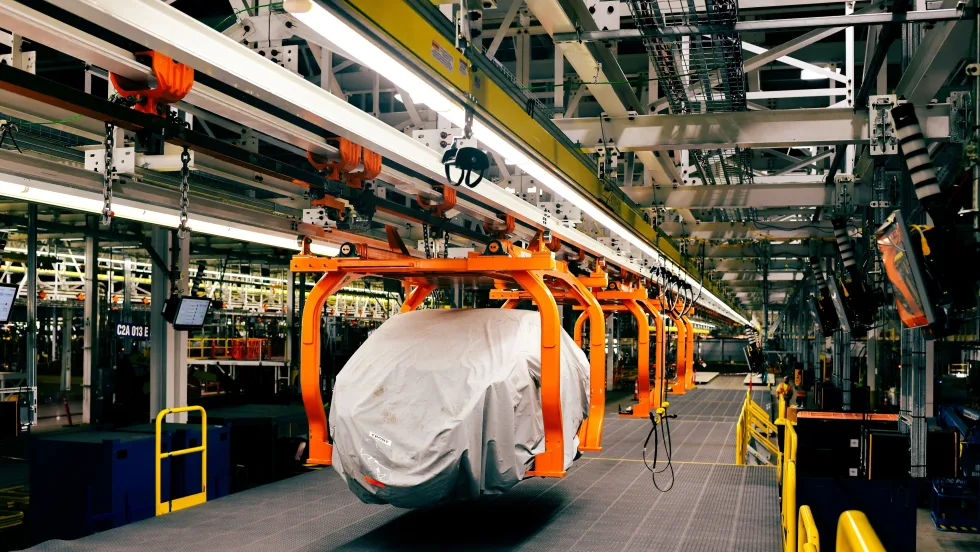
Ford Retools Louisville Plant for Fathom Electric Truck Production
Ford's $2 billion Louisville Assembly Plant overhaul introduces a three-part assembly process for the Fathom midsize electric truck, with production scheduled to begin in 2027.
Read More →
Merchants Fleet Reports 290M EV Miles as Fleets Navigate Changing Electrification Market
From millions in operating savings to hundreds of millions of EV miles, Merchants Fleet’s latest report reveals what’s working and what’s changing in fleet electrification.
Read More →
California District Commits to Electrify 25% of School Bus Fleet by 2028
One of the nation's largest school bus electrification projects to date demonstrates how grants, charging infrastructure, and public-private partnerships can help fleets transition to EVs at scale.
Read More →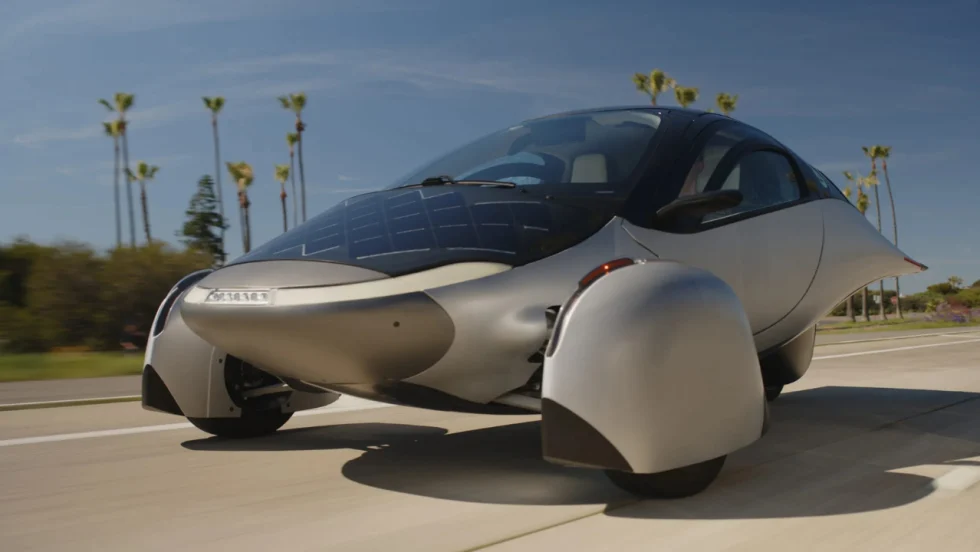
Aptera Orders Bodies and Chassis for Its First 40 Production Vehicles
Aptera Motors Corp. has issued purchase orders for the major structural components of its first 40 vehicles, and body and chassis components are expected to begin arriving in October.
Read More →