


Growth in Battery-Electric Trucks & Buses by 2030
Though sales dipped from 168,000 in 2019 to around 156,000 in 2020, the projected global sales figure for 2021 stands at nearly 231,000 units - a 47% growth for the sector.

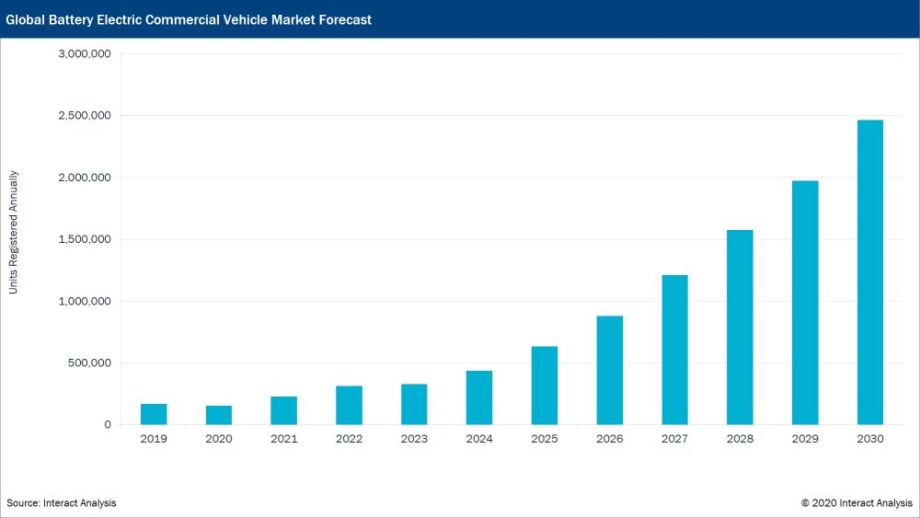
The total truck and bus market (battery-electric, fuel cell, hybrid, and diesel) will decline by 16% in 2020 but will see 15% growth in 2021.
Source: Interact Analysis
Interact Analysis completed its latest in-depth report on the commercial vehicle sector, with a particular focus on the battery-electric and hybrid market. After a severe COVID-induced setback in 2020, the industry is predicted to make a swift recovery in 2021, according to the research company, that noted hybridization is the favored solution for most long-distance vehicles; while full electric is preferred for city buses and last-mile delivery vehicles.
After a 7% decline in the market for battery-electric commercial vehicles in 2020, which was the continuation of a decline in 2019 and was largely due to Chinese subsidy policies, the sector is expected to bounce back in 2021. Interact Analysis said that though sales dipped from 168,000 in 2019 to around 156,000 in 2020, the projected global sales figure for 2021 stands at nearly 231,000 units - a 47% growth for the sector.
This expected driven by growth in Europe and North America, along with the extension of China’s EV subsidy program which was meant to come to an end in 2020. APAC will be streets ahead in 2021, surpassing the 2019 global figure with over 171,000 sales. Europe will be second in this league table, with a projected 44,000 new electric vehicle registrations in 2021. The total truck and bus market (battery-electric, fuel cell, hybrid, and diesel) will decline by 16% in 2020 but will see 15% growth in 2021.
Interact Analysis forecasts that electrified powertrains – hybrid, fuel cell, and battery-electric – will account for more than 2.5 million annual registrations of commercial vehicles by 2030, out of a total of more than 20 million. Battery electric powertrains are predicted to make serious inroads in the city bus and light-duty vehicle sectors, notably last-mile delivery vehicles, reflecting the anticipated lasting boom in online-shopping caused by the pandemic.
Inter-city bus fleets and long-haul trucks where pure battery electric is not always a viable option are predicted to see an increasing use of fuel cell technology, according to Interact Analysis.
The latest policy developments in China signalling a relaxation in green rules to stimulate production indicate that hybrid technologies will have a strong role in the region. Targets indicate that by 2030 New Energy Vehicles (battery electric or fuel-cell electric) should account for 30% of new sales in China while hybrids should account for 75% of ‘traditional energy’ vehicles. The impact on the medium and heavy-duty commercial vehicle market could be significant.
“We aren’t there yet with full electric powertrains for heavy-duty commercial vehicles, and we may not be for some time. Therefore, we predict that hybrid solutions will come to the fore in APAC (partly due to new regulations in China), whilst in Europe, OEM fleet CO2 emissions regulations (-15% by 2025 in the EU) will likely push mild hybridisation in heavy-duty applications. California, along with several other U.S. states, is mandating OEMs to sell a certain number of zero emission commercial vehicles. This will disincentivise OEMs to sell hybrids as these vehicles may cannibalise zero-emission vehicle sales," said Rueben Scriven, Senior Analyst at Interact Analysis.
Originally posted on Work Truck Online
More Electric Vehicles
EV Charging Use Is Outpacing Infrastructure Growth
ChargePoint’s 2026 Charging Forward Report points to rising charger use, higher-powered charging, commercial vehicle electrification, and energy-management technology. Here’s what fleets should know.
Read More →
EV Realty Names Henrik Holland President as Charging Platform Expands
The former Prologis Mobility and Shell executive will help expand EV Realty’s truck charging business and move its power-first infrastructure model into autonomous vehicle depots and other fleet sectors.
Read More →
GreenPower Expands New Mexico EV Pilot With Larger Buses, V2G Testing
After logging more than 17,000 electric miles in the first year, New Mexico’s statewide pilot is moving into its second phase with larger vehicles, continued charging evaluations, and more.
Read More →
Can EV-as-a-Service Help Fleets Scale Electrification?
Sustainability Partners CEO Adam Cain explains how matching EVs, charging infrastructure, and duty cycles can help fleets scale electrification.
Read More →
How EV-as-a-Service Is Moving Fleets Beyond Pilots
Adam Cain, president and CEO of Sustainability Partners, explains how EV-as-a-service can help fleets scale deployments by addressing duty-cycle requirements and charging challenges.
Read More →
PowerFlex, The Mobility House Join Forces to Advance Fleet Electrification
Two EV charging providers are joining forces to deliver a broader portfolio of energy management and fleet electrification solutions.
Read More →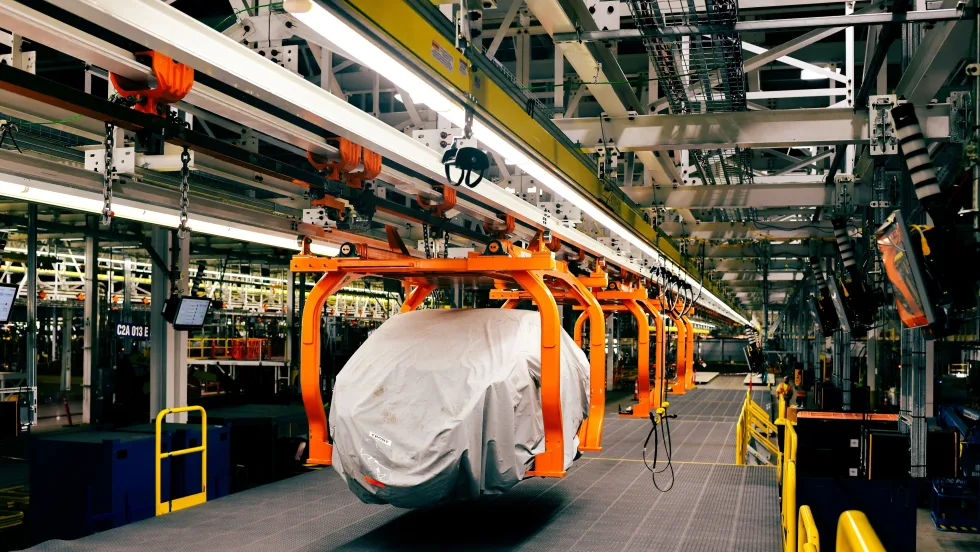
Ford Retools Louisville Plant for Fathom Electric Truck Production
Ford's $2 billion Louisville Assembly Plant overhaul introduces a three-part assembly process for the Fathom midsize electric truck, with production scheduled to begin in 2027.
Read More →
Merchants Fleet Reports 290M EV Miles as Fleets Navigate Changing Electrification Market
From millions in operating savings to hundreds of millions of EV miles, Merchants Fleet’s latest report reveals what’s working and what’s changing in fleet electrification.
Read More →
California District Commits to Electrify 25% of School Bus Fleet by 2028
One of the nation's largest school bus electrification projects to date demonstrates how grants, charging infrastructure, and public-private partnerships can help fleets transition to EVs at scale.
Read More →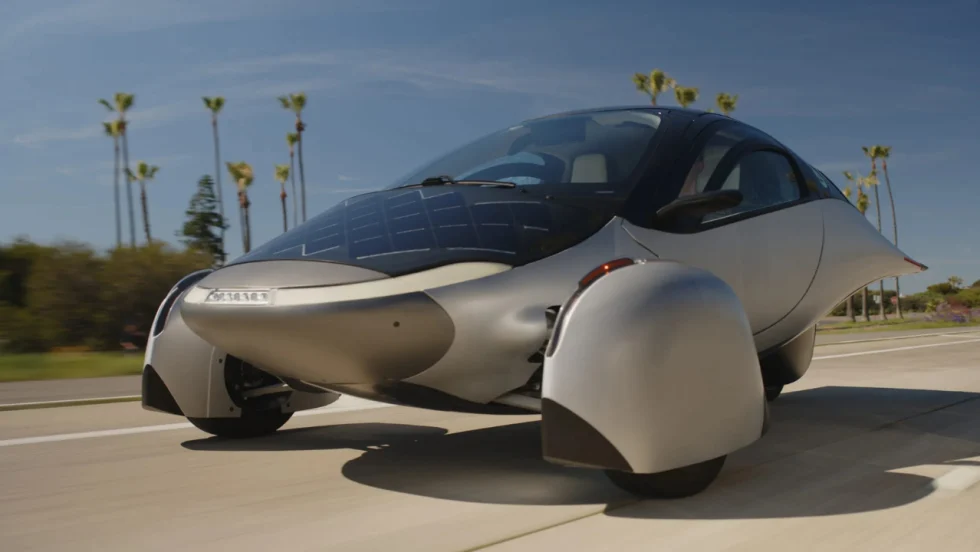
Aptera Orders Bodies and Chassis for Its First 40 Production Vehicles
Aptera Motors Corp. has issued purchase orders for the major structural components of its first 40 vehicles, and body and chassis components are expected to begin arriving in October.
Read More →